
Utah fence installation & repair contractor
Grandview installs and repairs wood, vinyl, chain-link, steel, and specialty fencing across Utah County and Salt Lake County — posts set below frost depth, panels built for canyon wind, gates hung to swing true. One licensed general contractor, one contract, from layout to latch.
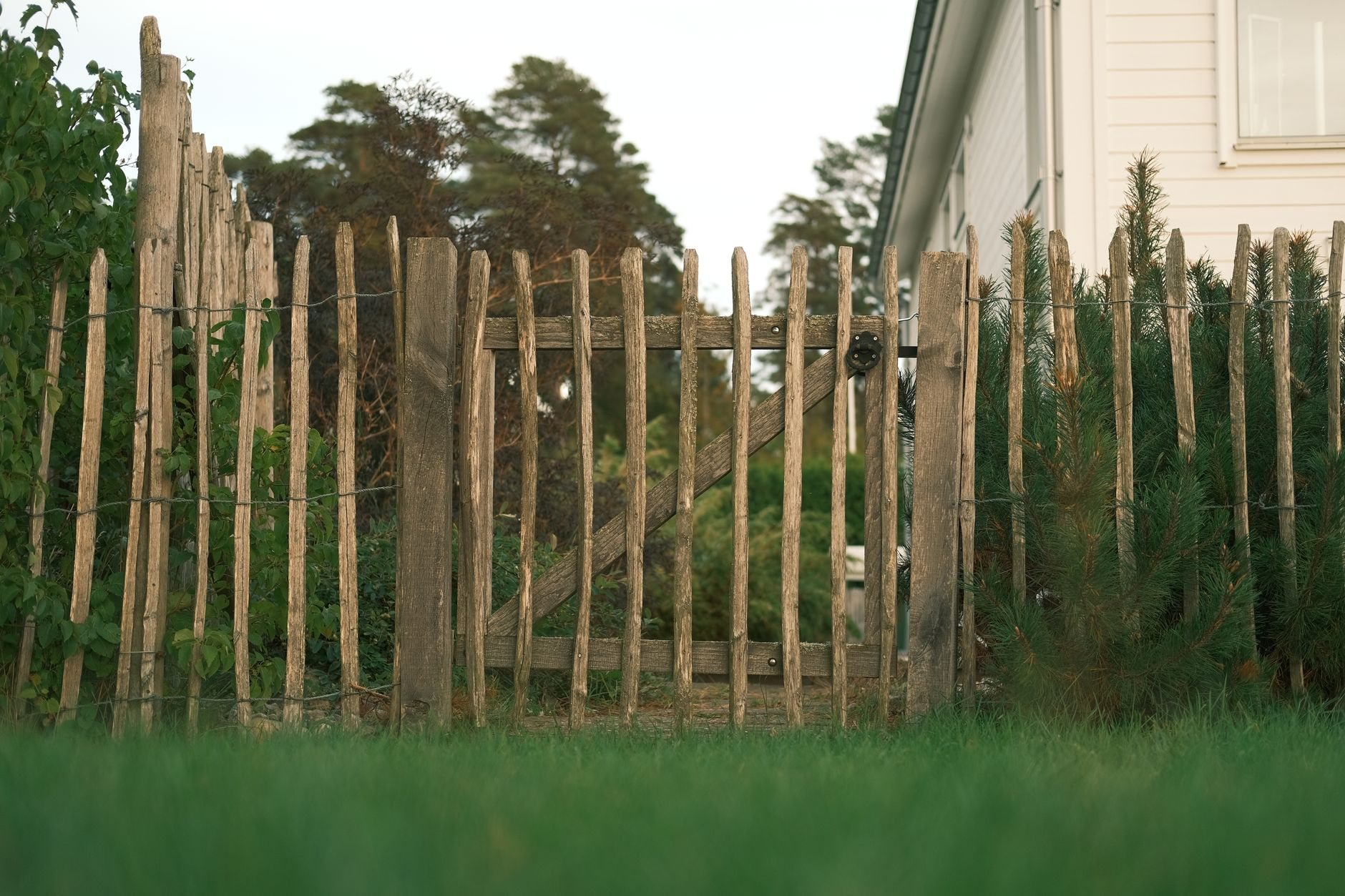
When a fence is a construction project, not a weekend job
A short run of pickets is a Saturday. Two hundred feet of six-foot privacy fence on a bench lot with a grade change, an HOA design committee, and a gate that has to clear a sloped driveway is a construction project — and that’s the kind we take on. We build fences for homeowners, commercial properties, multifamily communities, farms, and pool owners from Payson to North Salt Lake, under the same B100 general contractor license (verifiable at dopl.utah.gov) that covers the rest of our site, structure & envelope work.
That matters because fences fail at the ground, not at the pickets. Along the Wasatch Front, expansive clay lifts shallow posts a little more every freeze, and collapsible bench soils let them settle once irrigation finally saturates the ground. A fence contractor who thinks like a structural contractor sets posts below frost depth in the right footing for the soil — which is most of the difference between a fence that’s straight in year eight and one that isn’t.
We are fond of straight lines and straight answers.
Wood, vinyl & chain-link fencing
Wood privacy fence
Solid-panel privacy fencing in cedar or pine, posts dug below frost depth and set to stay plumb.
ExploreCedar fence
Tight-grain cedar that handles high-elevation UV — stained on a schedule or left to silver.
ExploreBoard-on-board fence
Overlapping pickets with no gaps and a finished face on both sides of the property line.
ExploreWood picket fence
Classic front-yard pickets, sized and spaced to your style — and your HOA’s guidelines.
ExploreShadowbox fence
Alternating pickets that let breeze through instead of fighting it — a practical build on windy lots.
ExploreSplit-rail & post-and-rail
Open rail fencing that defines acreage and frontage without building a wall.
ExploreHorizontal slat fence
Clean modern lines in cedar or composite — built straight, framed to stay straight.
ExploreVinyl privacy fence
Solid vinyl panels that shrug off sprinklers, sun, and snow with no paint schedule.
ExploreVinyl picket fence
The picket look without the repainting, in profiles most Utah HOAs pre-approve.
ExploreVinyl ranch rail fence
Two- and three-rail vinyl for pastures and long frontages that would eat a painting budget.
ExploreGalvanized chain-link
Straightforward, durable perimeter fencing for yards, shops, schools, and job sites.
ExploreVinyl-coated chain-link
Black, green, or brown coated mesh that does its job and disappears into the landscape.
ExploreChain-link with privacy slats
Security plus screening — with slats and framework specified for canyon-wind exposure.
ExploreMetal fencing, specialty fences, gates & repair
Aluminum ornamental fence
Powder-coated aluminum panels — the iron look without the rust maintenance.
ExploreWrought iron & steel fence
Custom-welded iron and steel fencing built to your design, your grade, and your gate hardware.
ExploreSteel security fence
Heavy steel fencing for commercial and industrial sites where the fence has a real job to do.
ExploreComposite fence
Board-look composite panels that keep their color under Utah’s elevation and UV.
ExploreGlass fence & wall topper
Framed and frameless glass for view lots, patios, and wall toppers that keep the view.
ExploreRanch & farm fence
Wire, pipe, and rail fencing built for real acreage, real equipment, and real winters.
ExploreLivestock & no-climb fence
Field and no-climb mesh sized and tensioned to what you’re keeping in — or out.
ExplorePedestrian gate
Walk gates framed and hung to swing true and latch cleanly for years, not seasons.
ExploreDriveway gate
Single and double drive gates with the framing and hinges to resist sag from day one.
ExploreAutomatic gate & operator
Gate operators, access control, and safety devices — installed, wired, and dialed in.
ExploreFence repair & replacement
Leaning posts, wind damage, and rot at grade — repaired section by section or replaced outright.
ExploreDumpster enclosure
Code-required trash and dumpster enclosures for commercial and multifamily properties.
ExploreHow we run a fence project
- Walk the line. We confirm the property line, flag grade changes and drainage paths, and call in utility locates before any auger touches dirt.
- Design and approvals. Material, height, and gate locations get settled on paper. In HOA-dense communities — most of the newer neighborhoods in Lehi, Saratoga Springs, and Eagle Mountain — we prepare the submittal the design committee actually wants to see, and we confirm whether your city requires a permit for the height you’re planning.
- Set the posts. Post holes go below local frost depth — typically 30 inches or more along the Wasatch Front — with footings matched to the soil, because frost heave in expansive clay is the number-one reason Utah fences lean.
- Build the fence. Panels, rails, and pickets go up straight, stepped or racked to follow your grade, with fastening specified for wind. East-bench and north-county lots can see canyon gusts strong enough to turn a solid privacy panel into a sail, so post spacing and hardware are chosen accordingly.
- Hang the gates and walk it. Gates get hung last, adjusted to swing and latch correctly, and we walk the whole run with you before we call it done.
What does a new fence cost in Utah?
As ballpark planning numbers — not quotes — most installed fencing along the Wasatch Front runs roughly $15–$30 per linear foot for chain-link, $30–$55 for wood privacy, $35–$60 for vinyl privacy, and more for ornamental aluminum, custom steel, and glass. Gates, automation, and demolition of an old fence price separately.
What moves the number: total length and height, material grade, how many corners and gates the run has, grade changes that force stepped or racked panels, access for equipment, rock or heavy clay in the post holes, and whether an old fence needs to come out first. A long straight run of standard-height fence on flat ground is the cheap version; short segmented runs on a slope are not. We give a budget range after a site walk and a firm estimate once material and layout are settled.

Questions we actually get
Do I need a permit to build a fence in Utah?
Often not for standard heights — many Utah cities allow rear and side fences up to six feet without a permit. Front-yard height limits, corner-lot sight triangles, and pool barriers are where rules tighten. We confirm requirements with your city’s building department as part of the project, and HOA approval is a separate step we handle with you.
How deep should fence posts be set along the Wasatch Front?
Below frost depth — generally 30 inches or more, deeper for tall or gate-bearing posts. Shallow posts are the classic failure here: expansive clay soils grab and lift them a little more with each freeze–thaw cycle, and the Wasatch Front sees roughly 100 of those cycles a year. Depth and footing detail are where a fence earns its lifespan.
What if my neighbor and I share the fence line?
Get the line confirmed first — a survey if there’s any doubt — and agree in writing on placement and cost split before work starts. Board-on-board and other good-neighbor styles give both sides a finished face, which prevents most of the arguments. We’re happy to walk the line with both owners present.
Can you repair my fence instead of replacing it?
Frequently, yes. If posts are sound, we can replace panels, rails, and pickets section by section. If the posts themselves have heaved or rotted at grade, repair becomes a treadmill and we’ll tell you plainly that replacement is the better spend. You’ll get that read at the site walk, not after the invoice.
Where fence projects usually lead
Fences rarely travel alone. Sloped lots often pair fencing with retaining walls that hold the grade the fence sits on. Backyard projects frequently grow to include a deck or a pergola or outdoor structure — and because it’s all one contract with one team, the footings, grades, and schedules actually line up.
Tell us what you’re working on
Send us the rough footage, the material you’re leaning toward, and a photo or two of the line. We reply within a couple of hours during business hours — a day at most — with a straight read on scope, sequence, and budget.