
Wood privacy fences in Utah County
A wood privacy fence is a solid six-foot wall of pickets on three rails, built to block sightlines between yards. Grandview builds them in cedar or pressure-treated pine across Utah County and Salt Lake County under a B100 general contractor license, with posts set below frost depth and panels framed for canyon wind.
When a solid wood privacy fence is the right pick
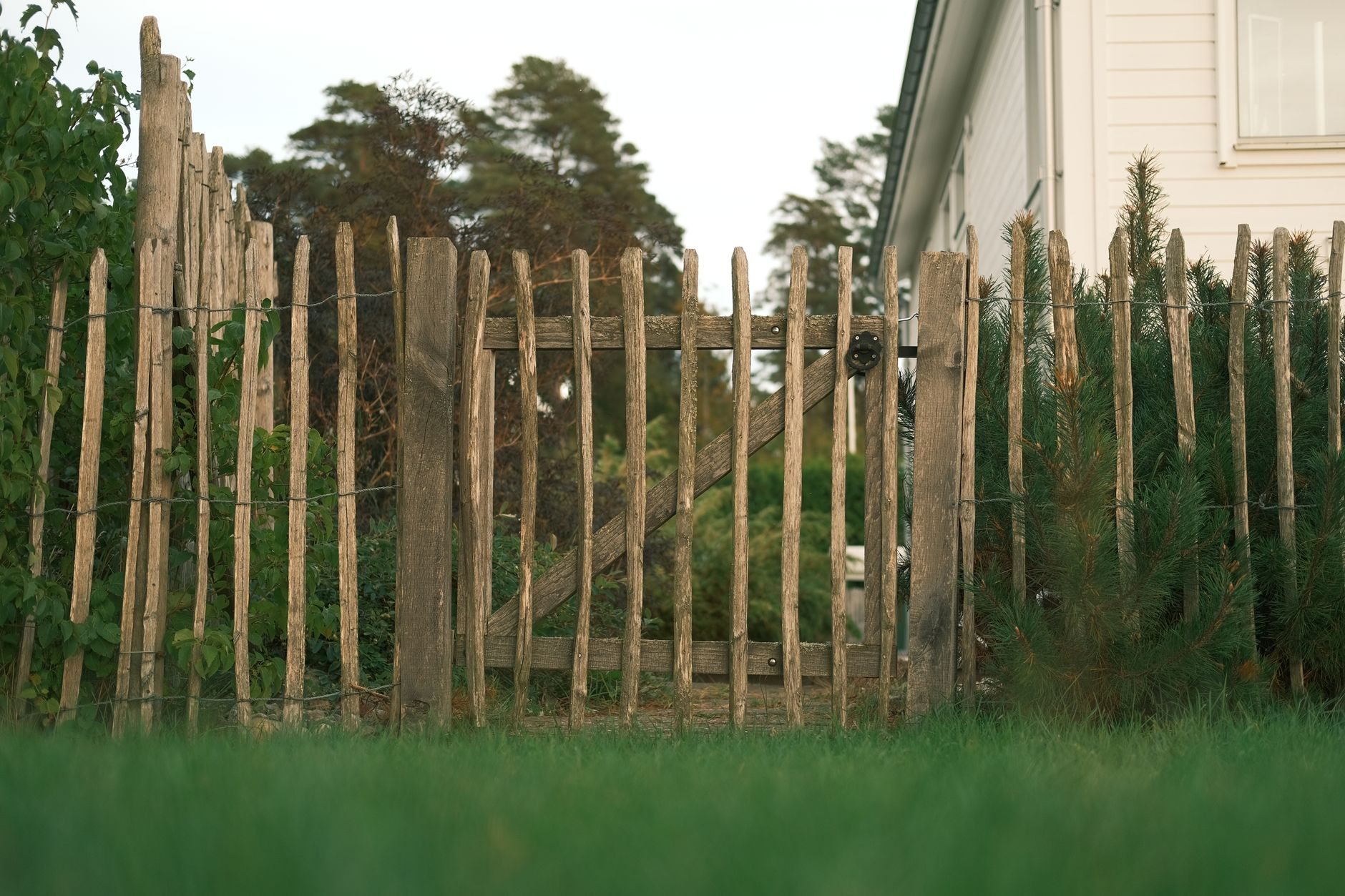
Choose this style when the goal is a backyard nobody can see into, at the lowest cost per foot of any solid wood fence. It’s the standard rear-yard fence in most Utah County subdivisions: butted dog-ear pickets go up fast, every HOA design committee from Lehi to Spanish Fork knows the look, and repairs are a picket at a time.
It’s not always the best fit. If both neighbors need a finished face, a board-on-board fence overlaps the pickets so there’s no “bad side.” If your lot sits on the east bench where canyon gusts hit broadside, a shadowbox fence lets wind through instead of loading the posts. If you never want to stain again, a vinyl privacy fence costs more up front and less over twenty years. And if the wood itself is the point, our cedar fence page covers an all-cedar build.
What goes into a wood privacy fence that stays straight
A privacy fence is mostly surface area, and surface area is wind load. A six-foot solid panel between posts eight feet apart is 48 square feet of sail, and most of our spacing and material decisions follow from that.
- Posts. Pressure-treated 4×4 posts rated for ground contact, upsized to 6×6 at gates and corners. Holes go below Wasatch Front frost depth — 30 inches is our working minimum — with gravel at the bottom and a concrete collar crowned at grade so water sheds away from the wood. In the expansive clay common across the valley floor (mapped by the Utah Geological Survey at geology.utah.gov), that depth is the difference between a straight fence and a leaning one after a few winters.
- Spacing. Eight feet on center on sheltered valley lots. Six feet for runs that face open ground or sit on the bench, where a solid panel takes the full gust.
- Rails. Three 2×4 rails for a six-foot fence, never two. The middle rail stops pickets from cupping and the panel from flexing in wind.
- Pickets. 1×6 dog-ear pickets, butted tight, in cedar or pressure-treated pine, fastened with hot-dip galvanized or stainless ring-shank fasteners — plain steel streaks cedar black within a season.
- Rot board and cap. A treated 2×6 kickboard along the bottom keeps pickets out of the soil and sprinkler splash, which is where most Utah wood fences rot first. A cap rail with trim is optional; it dresses the top edge and keeps end grain from drinking snowmelt.
- Grade. Where the yard slopes, we step the panels in even increments or rack them to follow the ground. We settle which on the site walk, not the day the pickets arrive.
Cedar or pine, and what to do about the sun
Utah’s elevation puts more UV on a fence than most of the country, and the south and west faces of a solid picket wall take all of it. Unstained pine greys and checks within two summers; cedar greys but holds together. To keep the delivery-day color, plan on a penetrating stain in the first season and a recoat every two to four years; our deck and fence staining crew can handle that on the same contract. The second enemy is irrigation. Pop-up heads that soak the bottom foot of fence every morning rot pickets and posts at grade years early, which is why the rot board matters and why we’ll ask about sprinkler throw before we set a line.
What does a wood privacy fence cost in Utah County?
As a ballpark planning number, not a quote, a six-foot wood privacy fence installed along the Wasatch Front typically runs about $30–$55 per linear foot. Treated pine sits at the low end, cedar pickets and cap rails push toward the high end, and gates and demolition of an old fence price separately.
What moves the number on this style specifically: picket species, a cap and trim, six-foot versus eight-foot post spacing, gate count, rock or heavy clay in the holes, and a line that steps down a slope. Fences taller than six feet often need a permit, so verify with your city building department before settling on height. We give a budget range after a site walk and a firm estimate once species, height, and gate count are settled.
Questions we actually get
Cedar or pressure-treated pine for the pickets?
Cedar if you want it to last unstained; pine if you’re staining anyway and want to save per foot. Cedar’s natural oils resist rot and insects. Treated pine is sound structurally but checks under Utah UV unless sealed. Either way, posts are treated — cedar posts in wet clay don’t earn their price.
Can you build a privacy fence on a sloped lot?
Yes, two ways. Stepped panels keep each section level and drop in even increments, which looks cleanest from the street. Racked panels follow the grade and close the gap at the bottom. Steep lots sometimes pair the fence with a short retaining wall so posts sit in stable ground.
How long does a wood privacy fence last here?
Figure 15–20 years for cedar and 10–15 for stained pine, with posts and the bottom foot of pickets failing first. Posts below frost depth, a rot board, and sprinklers aimed away from the fence do more for lifespan than species does. If a run is aging out, our fence repair crew can re-picket sound posts instead of replacing everything.
Which side gets the rails?
Convention and most Utah HOA rules put the finished picket face toward the neighbor or street, rails on your side. If both sides need to look finished, that’s the case for board-on-board instead, and we’ll say so at the site walk.
Tell us what you’re working on
Send the rough footage, your picket preference, and a photo of the line. We reply within a couple of hours during business hours — a day at most — with a straight read on scope, sequence, and budget. This is one style within our fence installation and repair service and Grandview’s wider site, structure and envelope work, licensed under Utah DOPL B100 and verifiable at dopl.utah.gov.