
Cedar fence installation in Utah County
A cedar fence relies on the wood’s own oils and tight grain to resist rot and insects instead of chemical treatment — the wood to choose when a fence has to look good at year ten, not just year one. Grandview builds cedar privacy, picket, and horizontal fences across Utah County and Salt Lake County under a B100 general contractor license, with posts below frost depth and fasteners chosen for cedar specifically.
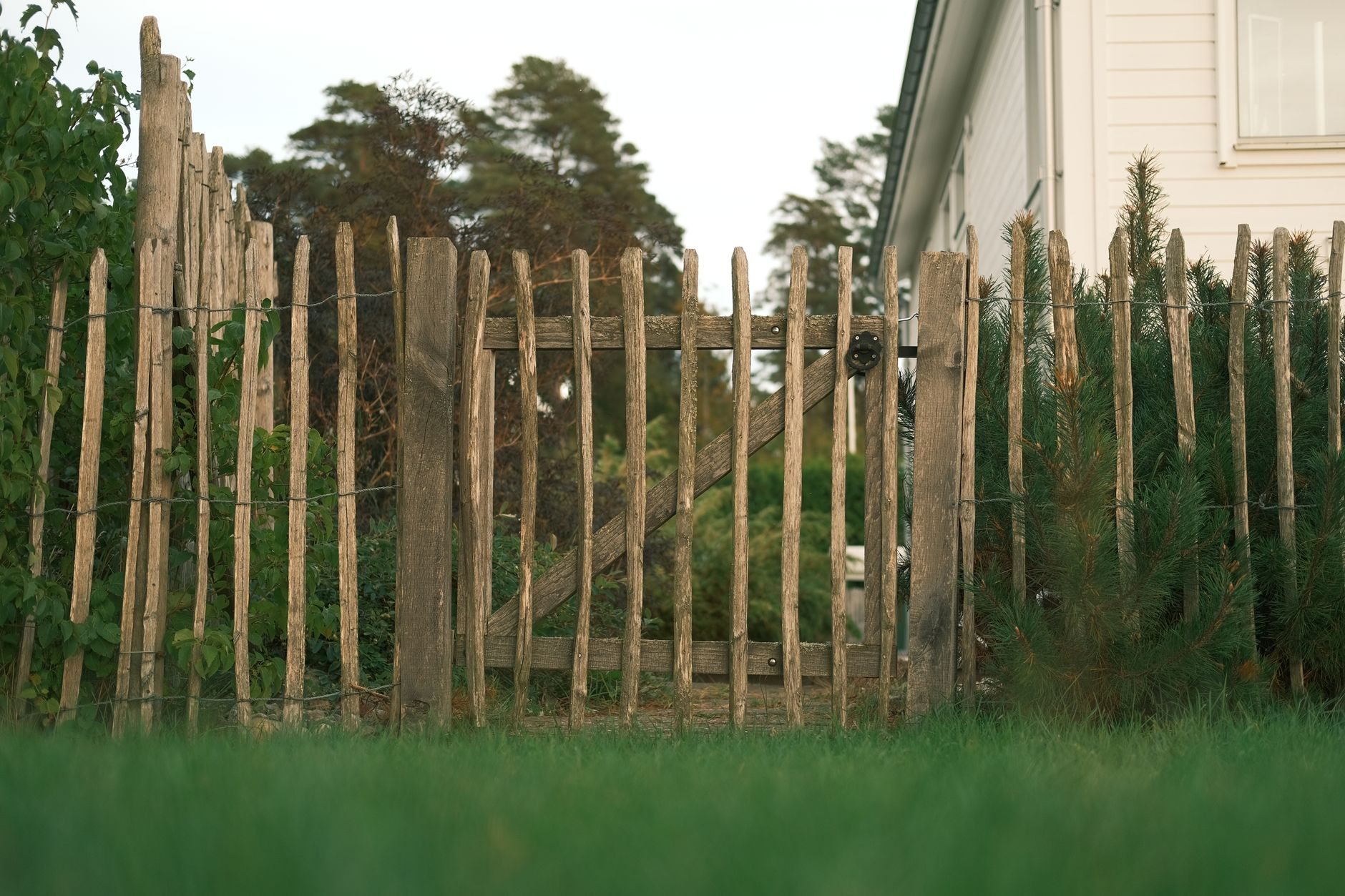
When cedar is the right wood for the fence
Cedar is a material decision, not a style decision. The layout — solid privacy panels, overlapping board-on-board, modern horizontal slats, or a front-yard picket run — can be built in cedar or in pressure-treated pine. This page is about which wood.
Cedar earns its premium in three situations. When the fence is visible and the wood itself matters: cedar runs honey to reddish-brown with a fine, straight grain, and takes stain evenly where pine blotches. When you’d rather not repaint: cedar left unfinished weathers to a uniform silver-gray, which treated pine does not do gracefully. And when the fence sits in a hot, high-UV exposure: at Utah County’s elevation, sun breaks down wood fiber faster than at sea level, and cedar’s natural extractives slow that better than treated whitewood.
Pressure-treated pine is the honest answer when budget leads, when the run is a side yard nobody sees, or when it’s getting painted a solid color anyway. Other materials live on our main fencing page, with the rest of our site, structure & envelope work.
What goes into a cedar fence that lasts
Cedar fences fail in predictable places, and almost none of them are the pickets.
- Grade the lumber, not just the species. Big-box “cedar” is usually a mixed grade with sapwood, which has little of the rot resistance heartwood is known for. We spec Western red cedar in a tight-knot or better grade for pickets and rails, with heartwood on anything near grade, following the Western Red Cedar Lumber Association’s grading and finishing guidance.
- Decide what the posts are made of. The wood below grade is the most vulnerable part of the fence. On most Wasatch Front lots we set pressure-treated or steel posts and face them with cedar; full cedar 4×4 or 6×6 posts only where you want that look and accept a shorter post life. Either way, holes go below frost depth — about 30 inches or more here — with gravel at the base so the post isn’t standing in water through freeze–thaw season.
- Use fasteners that won’t stain the wood. Cedar’s tannins react with plain or electroplated steel and leave black streaks below every nail within a season. We use hot-dip galvanized or stainless ring-shank fasteners, and stainless on anything left to silver, where streaks show worst.
- Frame for canyon wind. A six-foot solid cedar panel is a sail. On east-bench and north-county lots that see canyon gusts, we tighten post spacing to six feet instead of eight, run three rails instead of two, and double-fasten pickets at every rail.
- Keep the cedar off the dirt. A treated rot board along the bottom takes the soil and sprinkler contact so the cedar pickets don’t.
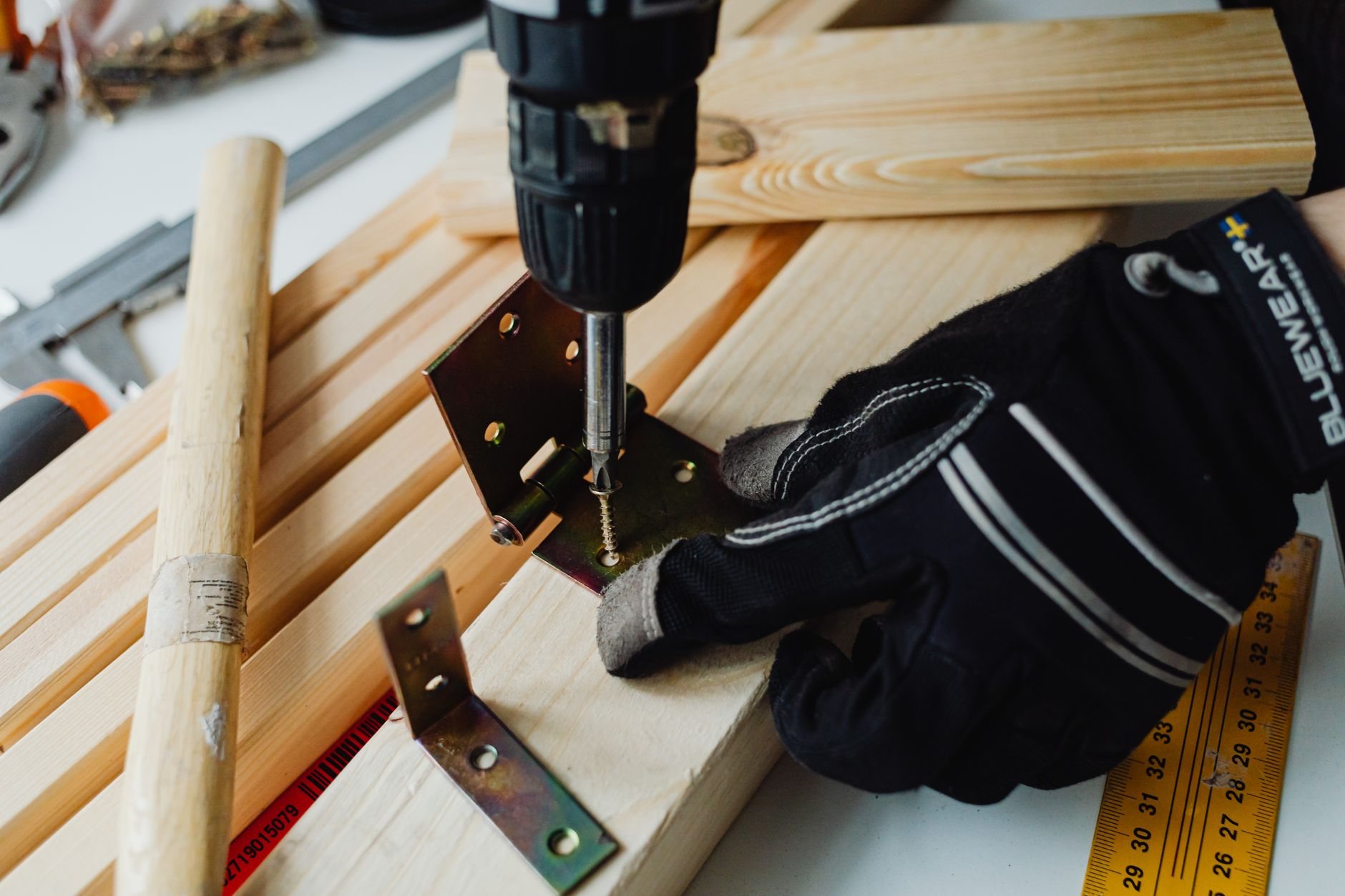
Stain it, seal it, or let it go silver
This decision is specific to cedar, and it belongs before the build, not after. A penetrating oil or semi-transparent stain applied once the wood has dried — usually a few weeks after installation — keeps the warm color and needs recoating every two to four years in Utah’s sun. Unfinished cedar weathers to an even silver within about a year in a sunny exposure. What doesn’t work is deciding later — stain over a fence that has already grayed and you’ll be sanding first.
If you’d like the finish schedule handled along with the build, our deck and fence staining work covers the first coat and the recoats after it. An older cedar fence with pickets gone soft at the bottom but sound posts is usually a section-by-section fence repair, not a rebuild.

What does a cedar fence cost in Utah?
As a ballpark planning number, not a quote, a six-foot cedar privacy fence along the Wasatch Front typically runs roughly $40–$65 per linear foot installed — the upper half of the wood-fencing range, and about 20–40 percent above the same fence in treated pine. Pickets use less wood and cost less; horizontal slat fences use more and need tighter post spacing.
Beyond length and height, cedar pricing moves with lumber grade (clear cedar can double the material cost over tight-knot), post choice, fastener spec, grade changes that force stepped panels, and gates. Demolition and staining price separately. Cedar also swings more than pine with the lumber market, so the budget range from a site walk is for planning; the firm estimate follows once current material is priced.
Questions we actually get
How long does a cedar fence last in Utah?
Fifteen to twenty-five years for the panels is reasonable with good-grade cedar, a rot board, and stain every few years; unfinished cedar lands at the lower end. The posts set the real limit, which is why we usually put treated or steel posts in the ground and keep the cedar above grade.
Do I have to stain a cedar fence?
No. Unstained cedar weathers to silver-gray and keeps most of its rot resistance. If you like the gray and use stainless fasteners so there are no streaks, skipping stain is a fine plan. For the warm tone, commit to a stain schedule from the start.
Can I mix cedar pickets with treated posts, or does it look wrong?
You can, and most cedar fences we build are done that way. The treated post gets faced with cedar trim or stained to match. Nobody notices the post material; everyone notices a cedar post that rotted at grade in year eight.
Will a cedar fence warp or crack?
Cedar moves less than pine, but all wood checks a little as it dries. Properly dried stock, ring-shank fasteners at every rail, and sealed end cuts keep it cosmetic. Pickets that cup badly within a year usually point to wet lumber or single-nailed rails, both avoidable.
Tell us what you’re working on
Send the rough footage, the style you’re after, and whether you’d rather stain it or let it silver. We reply within a couple of hours during business hours — a day at most — with a straight read on scope and budget.