
Livestock, field & no-climb fencing
Livestock fence is woven-wire mesh — graduated field fence for cattle and sheep, 2×4-inch no-climb for horses, goats, and dogs — stretched between braced wood corners so it holds a pushing animal without catching a hoof. Grandview installs it on pasture, paddock, and acreage lots across Utah County and Salt Lake County under a B100 general contractor license.
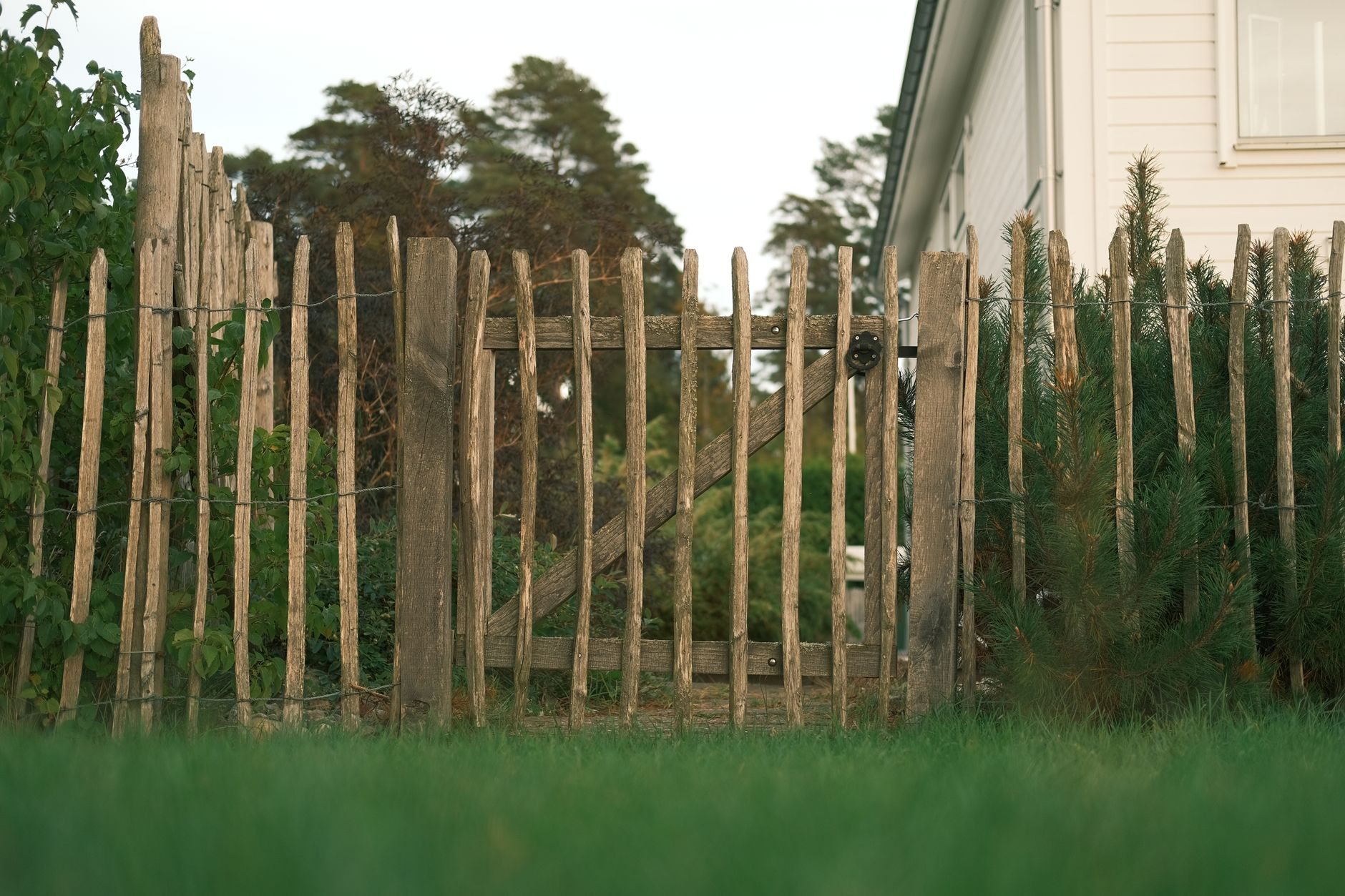
When mesh is the right fence, and when a rail is
Choose woven mesh when the fence has to stop an animal, not just mark a line. A horse respects three rails; a goat walks through them, a calf ducks under, and a dog is gone. If you’re fencing acreage mainly to define it, our ranch and farm fencing page covers barbed wire, pipe, and board; vinyl ranch rail and split-rail are the answers when appearance leads. Chain-link holds a dog on a city lot but isn’t built to be leaned on by 1,200 pounds of cow. All of it sits under our fence installation and repair work and the wider site, structure and envelope family, under a license you can verify at dopl.utah.gov.
Field fence vs. no-climb: match the mesh to the animal
Field fence is graduated woven wire — openings about 3 inches tall at the bottom, widening to 7 or 8 at the top — usually 39 or 47 inches high in 12.5-gauge wire. It’s the economical choice for cattle and sheep: the tight bottom keeps lambs and calves in, and the open top saves wire where nothing is trying to get through.
No-climb fence is a uniform 2×4-inch mesh, 48 or 60 inches high. The openings are too small for a hoof, which is why it’s the standard for horses: a horse that paws at field fence can hang a foot and tear it getting free. The same mesh stops goats from climbing, dogs from going under, and most coyotes from getting into a sheep pen. For horses we add a top board or an offset electric strand so the fence is visible and nobody leans on it.
Wire spec matters more here than on a yard fence because this fence stays wet. Flood-irrigated pastures in Spanish Fork, Salem, and the Benjamin bottoms keep the bottom foot of wire damp all summer, so Class 3 galvanizing — roughly two and a half times the zinc of Class 1 — is the right call wherever mesh touches irrigation water or holds a snow drift into April. Fixed-knot wire keeps tension on long pulls; hinge-joint flexes and recovers on rough ground.
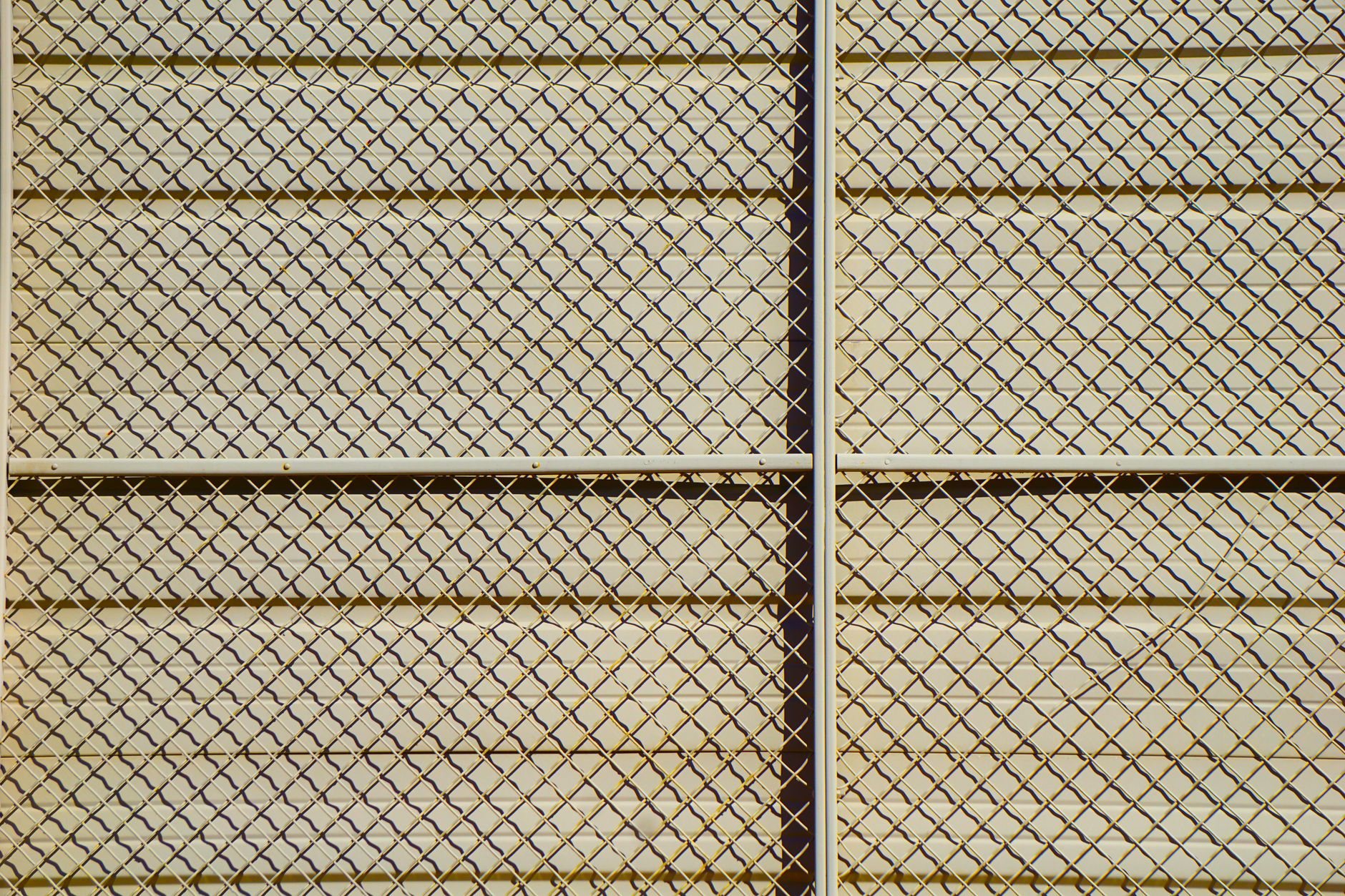
Posts, braces, and tension: where a livestock fence is won or lost
A woven-wire fence is only as strong as what it’s stretched against. Every corner, end, gate post, and major grade change gets an H-brace: two treated posts, a horizontal rail pinned between them, and a diagonal twisted-wire brace that turns the pull of the mesh into compression. Skip it and the fence pulls its own corner over.
- Walk and mark. We confirm the line, flag ditch crossings and gate locations, and call utility locates. On unincorporated county ground, Utah’s open-range heritage means keeping a neighbor’s cattle out can be as much your job as keeping yours in; the county can tell you which rule applies to your parcel.
- Set corners and braces. Brace posts are 5- to 6-inch treated wood, set 36 to 42 inches deep along the Wasatch Front — below frost and well past it where the wire pulls. Line posts follow at 8 to 12 feet on center: treated wood, or steel T-posts with a wood post every third or fourth bay to carry the load.
- Stretch the wire. Mesh unrolls on the animal side of the posts and is pulled with a stretcher bar until the tension crimps in each horizontal wire straighten by about a third. Over-pull and there’s no stretch left for a cold snap; under-pull and it sags into the first animal that leans on it.
- Tie off and hang gates. Wire is stapled to wood and clipped to steel, the top board or hot wire goes on, and gates hang on their own braced posts so the fence never carries the swing.
Soil decides the post detail. The Utah Geological Survey maps expansive clay and collapsible soils across much of the valley floor, and both move T-posts — which is why wood posts carry the structure, and why ditch crossings get a hinged water gap instead of mesh for spring runoff to tear out.
What does livestock fence cost in Utah?
As ballpark planning numbers, not quotes: installed field fence on a wood-and-T-post line along the Wasatch Front runs roughly $6–$12 per linear foot, and no-climb horse fence on all-wood line posts roughly $12–$22. A top board adds about $3–$6 per foot. Gates and old-fence removal price separately.
What moves the number is the count of corners and gates (each is a brace assembly, and braces are most of the labor), post type, mesh height and gauge, and rock or saturated ground in the holes. A rectangular pasture with one gate is the inexpensive version; a horse property in Herriman or Eagle Mountain with paddocks, runs, a trailer-width driveway gate, and a dozen walk gates is a different budget.
Questions we actually get
What height do I need for horses, cattle, goats, or dogs?
Horses: 60-inch no-climb with a top board or hot wire; 48 inches works for calm horses in small paddocks. Cattle: 47-inch field fence, with a top wire for bulls. Goats and sheep: 48-inch no-climb, because goats climb anything with a foothold. Dogs: 48 to 60 inches of no-climb with the bottom tight to grade.
Can I use T-posts for the whole fence to save money?
Not for corners, ends, or gates — those must be braced wood or the wire pulls them over. An all-T-post line run is cheaper up front, but in Utah County clay the posts heave and loosen within a few winters. A wood post every third or fourth bay keeps the fence straight far longer for little more money.
Will a no-climb fence keep deer out?
No. Mule deer clear a 60-inch fence without effort; deer exclusion starts at 8 feet and is a different fence. No-climb stops dogs, coyotes going through rather than over, and loose neighbor livestock. If deer are the problem, say so at the site walk and we’ll spec height and mesh for that job instead.
How long does a livestock fence installation take?
Most pasture runs under a quarter mile go up in two to five working days once posts are on site — braces and corners the first day, stretching the last. Wet spring ground, rock, and a long gate count stretch that. We give a schedule after the walk and hold to it, weather permitting.
Tell us what you’re working on
Send the rough footage, what you’re keeping in, and a photo of the ground. We reply within a couple of hours during business hours — a day at most — with a straight read on mesh, posts, and budget.