
Split-Rail & Post-and-Rail Fences in Utah
A split-rail or post-and-rail fence marks a boundary with two or three open wood rails instead of a wall — the right choice for acreage, horse property, and frontage where you want the line defined and the view kept. Grandview installs mortised split-rail and doweled post-and-rail fencing across Utah County and Salt Lake County under a B100 license.
When open rail is the right fence — and when it isn’t
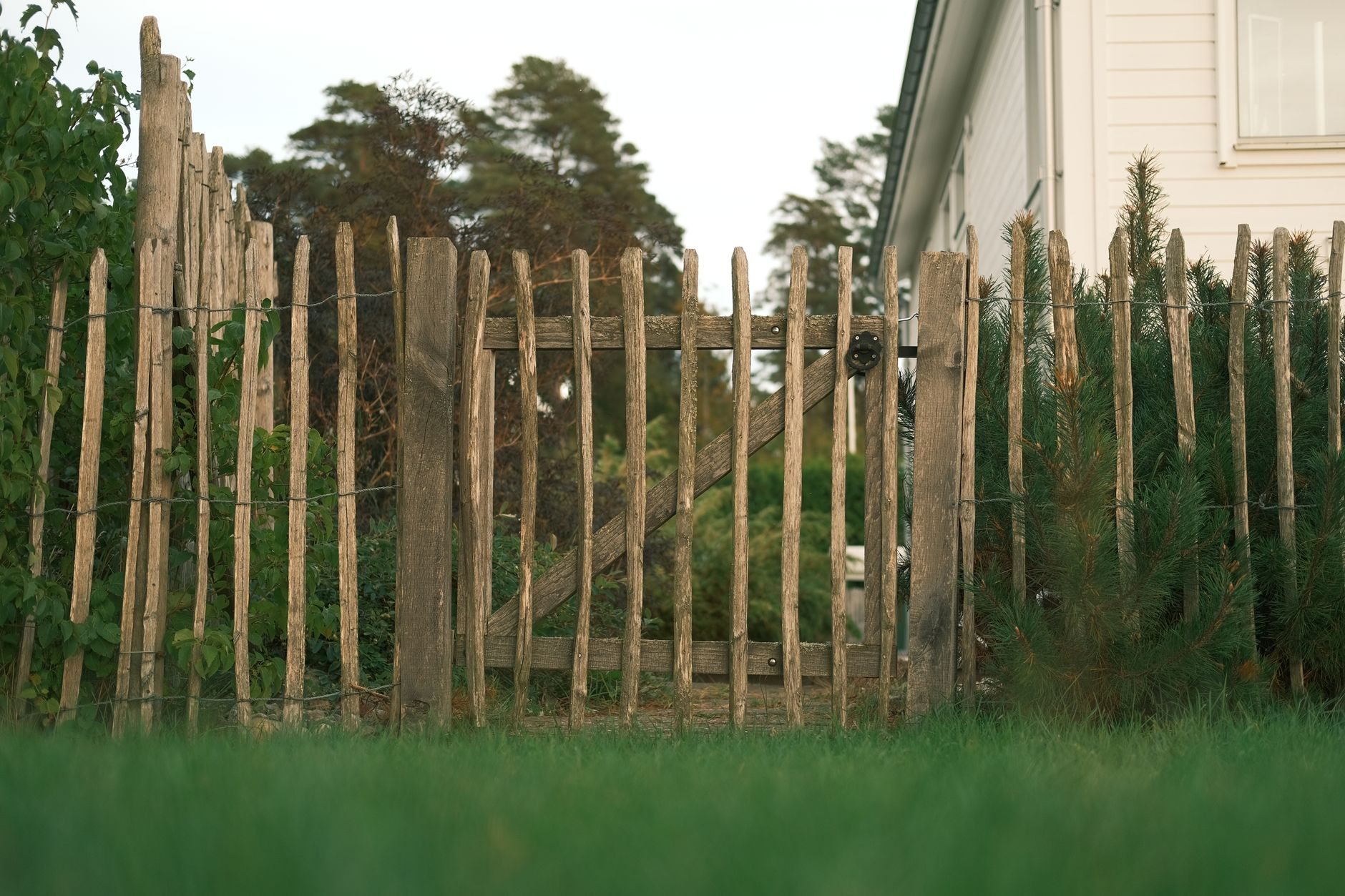
Rail fencing is the fence you build when the job is to say “this is the line” rather than “stay out.” It suits long rural frontages in Salem, Mapleton, Alpine, and Herriman where a solid fence would hide the mountains; equestrian-zone lots; and front yards where the city caps solid fencing at three or four feet but allows open fencing taller.
It is the wrong fence for privacy or for containing anything smaller than a horse. For a sightline block, a wood privacy fence or cedar fence is the honest answer. A small front yard gets more from a wood picket fence. If you like the rail look but never want to stain again, vinyl ranch rail is the same geometry in a maintenance-free material. When the fence has to hold cattle or goats, the mesh and tension in a livestock and no-climb fence matter more than the rails do.
Doweled post-and-rail versus mortised split rail
Two different fences share this name, and the choice drives both cost and lifespan.
Doweled post-and-rail is the Intermountain West standard: round lodgepole pine posts with drilled holes and round rails with tapered dowel ends, eight feet on center. Pine rots fast at the soil line and in any joint that holds water, so we specify posts and rails pressure-treated for ground contact. Untreated pine rail fence looks fine for four years and leans by year seven.
Mortised split rail uses hand-split or rough-sawn rails, triangular in section, that slide through rectangular mortises in the post. Rails run ten to eleven feet, so posts stand farther apart and the fence reads heavier and more traditional. Western red cedar is the usual material; its heartwood resists rot on its own, and left bare it silvers within a couple of seasons under Utah’s elevation UV.
Both come two-rail (about 36 inches) or three-rail (about 48 inches). Three-rail is the call for horses and for any run carrying mesh, because the extra rail stiffens the fabric and gives it a top line to staple to.
How we build a rail fence on a Wasatch Front lot
- Pin the line and the pattern. We confirm the property line, call utility locates, and lay out spacing to the rail length so the fence ends on a full bay at corners and gates. Every post is staked before digging; open rail shows a wandering line.
- Dig to the right depth for the soil. Holes go below frost depth — 30 inches or more along the Wasatch Front — on compacted gravel. Rail fence carries almost no wind load, so line posts are tamped in native soil and gravel rather than concrete; a damaged post can then be pulled and replaced in an hour. Corner, end, and gate posts get concrete. On bench lots with collapsible soils we go deeper.
- Thread rails as you set posts. Each rail end has to be in its mortise or dowel hole before the next post goes in, so the fence rises bay by bay, not posts first.
- Rack the grade, don’t step it. Rails pivot in their joints, so the fence follows a slope as one continuous line — no stepped panels, no wedge gaps at the bottom. That’s a real advantage on east-bench lots in Orem, Lindon, and Draper.
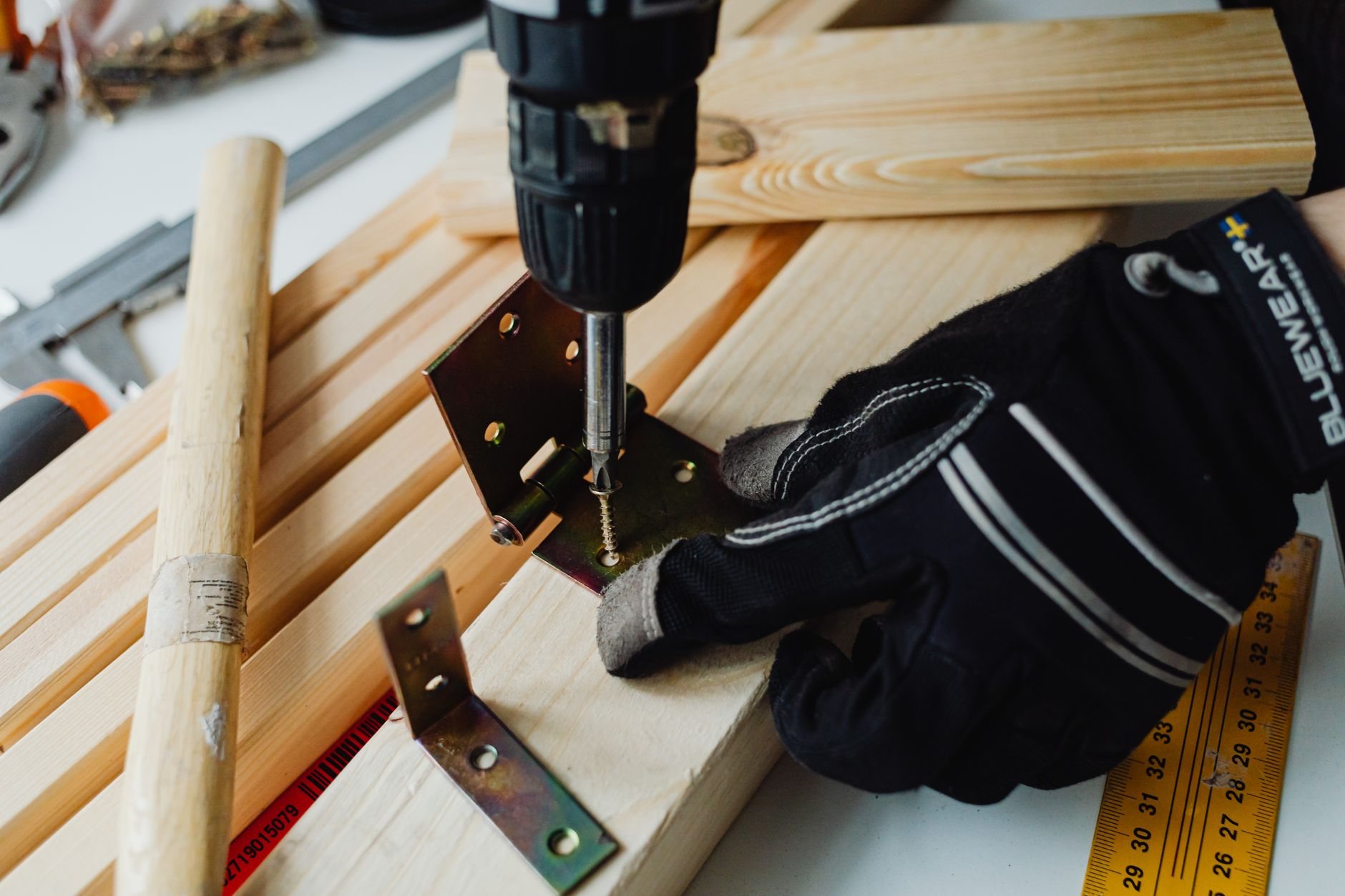
- Mesh and gates last. Welded-wire or 2×4 no-climb mesh is stapled to the inside face, tensioned bay by bay, and hemmed at grade. Gates are framed as rigid units on their own concrete-set posts, because a rail fence has no diagonal bracing to resist sag.
Canyon-wind corridors in Centerville, Farmington, and the mouth of Provo Canyon are where open rail earns its keep: gusts that fold a six-foot privacy panel pass straight through two rails.
What does a split-rail fence cost in Utah?
As ballpark planning numbers, not quotes: installed two- or three-rail treated pine post-and-rail along the Wasatch Front typically runs roughly $14–$24 per linear foot, and mortised cedar split rail roughly $20–$32. Welded-wire mesh backing adds about $3–$6 per foot. Gates price separately.
What moves the number: three rails versus two, cedar versus treated pine, how much mesh, how many corners and gates break the run, rock or heavy clay in the holes, and whether an old wire fence comes out first. Rail fencing is cheap per foot and expensive in total, because the lots that want it are large. We give a budget range after a site walk and a firm estimate once layout is settled, as with every style on our fencing page and the rest of our site, structure & envelope work.
Questions we actually get
Will a split-rail fence keep my dog in?
Not on its own — open rails stop nothing smaller than a horse. Backed with welded-wire or 2×4 no-climb mesh hemmed at grade, a three-rail fence contains most dogs reliably. Diggers need the mesh buried a few inches or an apron along the bottom. Tell us the breed at the site walk.
Do I need a permit or HOA approval for a rail fence?
Usually no permit at standard heights, and open fencing is often allowed taller in front setbacks than solid fencing — but corner-lot sight triangles and equestrian-zone rules vary, so we confirm with your city’s building department. HOAs in Eagle Mountain, Saratoga Springs, and Herriman often pre-specify rail style and stain color; we prepare the submittal with you.
Should the rails and posts be stained?
Treated pine benefits from an oil-based penetrating stain every three to four years; it slows checking and keeps the green cast from going gray-brown. Cedar can be stained for color or left to silver — taste, not durability. Under high-elevation UV, film-forming paint on a rail fence peels within a few seasons.
How long does post-and-rail fencing last here?
Ground-contact-rated treated posts set below frost depth on gravel typically give 20 years or more; cedar heartwood similar. Rails outlast posts in both. The failure points are untreated pine at the soil line and shallow posts lifted by expansive clay over a hundred-odd freeze-thaw cycles a year — both avoidable at installation. Our B100 license is verifiable at dopl.utah.gov.
Tell us what you’re working on
Send us the rough footage, two-rail or three-rail, and whether anything with four legs needs to stay inside it. We reply within a couple of hours during business hours — a day at most — with a straight read on scope, sequence, and budget.