
Board-on-Board & Good-Neighbor Fences
A board-on-board fence overlaps each picket onto the next by an inch or two, so the fence stays solid as the wood shrinks and both sides of the line get a finished face. Grandview builds them in cedar or treated pine across Utah County and Salt Lake County under a B100 general contractor license.
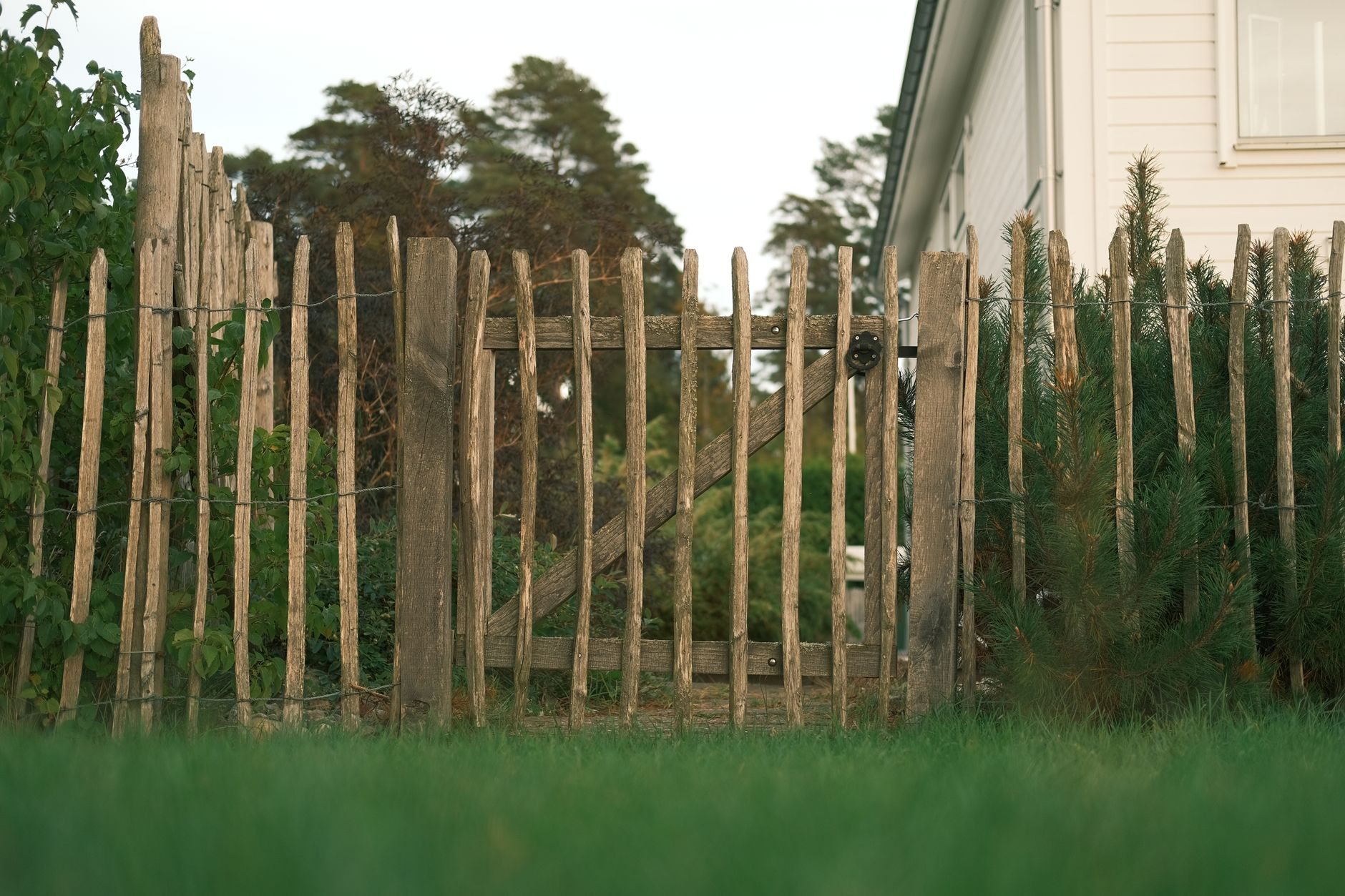
When board-on-board is the right fence
Pick this style for two reasons, usually both at once. The first is a shared line. A plain wood privacy fence has a picket side and a rail side, and someone ends up looking at the rails. A good-neighbor board-on-board build puts a finished face toward both yards, which is why HOA design committees in Lehi, Saratoga Springs, and Eagle Mountain often make it the only wood fence they approve on a line between neighbors.
The second is that it stays solid. Butted pickets open up as they dry, and along the Wasatch Front, where summer humidity sits in the teens, a 1×6 cedar picket can lose a quarter inch of width its first season. Overlap absorbs that.
It is not the answer to everything. On a lot that takes canyon wind broadside, a shadowbox fence lets air through. For a modern line, see horizontal slat fence; for grade and grain, cedar fence.
How a board-on-board fence goes together
Covering every joint takes roughly a third more picket lumber per foot than a butted fence, and that weight hangs on the rails and posts. What we specify follows from that.
- Posts, deeper and closer. Ground-contact treated 4×4 posts at six feet on center, not eight, with 6×6 at corners and gates, set below Wasatch Front frost depth (30 inches minimum) with a concrete collar crowned at grade. The expansive clay the Utah Geological Survey maps across the valley floor (geology.utah.gov) lifts a shallow post a little more every winter; a heavier panel leans sooner.
- Three rails, on edge. Three 2×4 rails set on edge to carry the picket weight without sagging at mid-bay. A dipped rail shows fast, because every overlapped picket telegraphs it.
- The overlap itself. 1×6 pickets go up with a 1-1/2 to 2-inch lap, held with a spacer block, not by eye, because a lap that wanders a half inch over fifty pickets is visibly off by the end of the run. Hot-dip galvanized or stainless ring-shank nails, two per rail, driven through the overlap so each picket pins the one beneath it.
- Kickboard and cap. A treated 2×6 rot board keeps the lowest pickets out of soil and sprinkler splash. A 2×6 cap with trim is optional on a one-sided build and standard on a good-neighbor build, where it covers both picket faces and rail ends.
- Grade. On a slope we step the bays in even increments so the lap stays vertical and the cap level. Racking distorts the lap at every picket, so we settle the step count on the site walk.
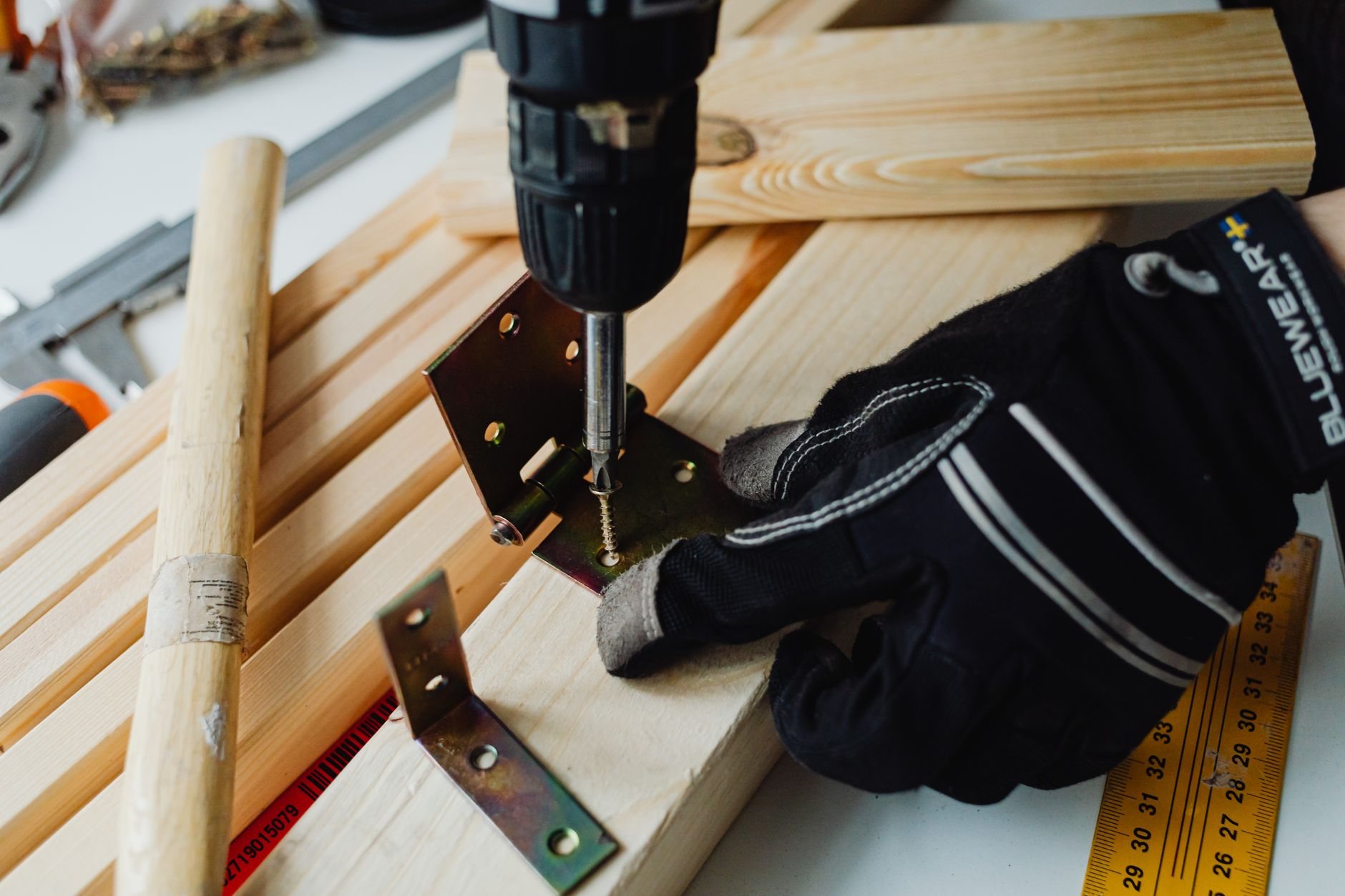
Good-neighbor build: which side gets the rails?
Two honest ways. The simpler is a single plane of overlapped pickets with the rail side dressed: kickboard, cap, and a trim board over the rail ends, so the back reads as a framed panel instead of exposed 2x4s. It adds little and satisfies most HOAs. The fuller version runs overlapped pickets on both faces of the rails, so neither side shows a rail. That doubles the picket count, so it gets 6×6 posts throughout and prices as its own line item.
On a shared line, the build is the easy part. Confirm the property line first, with a survey if there is any doubt, and get the cost split and picket-face decision in writing before the auger shows up. We will walk the line with both owners present; the fencing contractor holding the contract answers to both of you.
What does a board-on-board fence cost in Utah County?
As a ballpark planning number, not a quote, a six-foot board-on-board fence installed along the Wasatch Front typically runs about $40–$70 per linear foot, roughly 20–35 percent above a butted privacy fence in the same species. The extra lumber and picket-by-picket layout account for most of that; a two-sided build sits at the top of the range or above it.
What moves the number on this style: cedar versus treated pine, one or two picket faces, cap and trim, how many bays step down a slope, gate count, and rock or heavy clay in the holes. Finish matters more here, because each lap creates a shadow line where water and high-elevation UV work on the picket edges; plan on a penetrating stain the first season and a recoat every two to four years, which our deck and fence staining crew can run on the same contract. Taller than six feet usually needs a permit; verify with your city building department. Budget range after a site walk, firm estimate once species, sides, and gates are settled, under a license verifiable at dopl.utah.gov.
Questions we actually get
Is board-on-board the same as a shadowbox fence?
No. Board-on-board overlaps pickets on the same plane, so the fence is fully solid. Shadowbox alternates pickets on opposite sides of the rails with a gap between, so it lets wind through. Both look finished from either side, which is why they get confused. Board-on-board for full privacy, shadowbox for wind exposure.
How much overlap do the pickets need?
We hold 1-1/2 to 2 inches on 1×6 pickets. Less than an inch risks daylight once the boards dry down in Utah’s low humidity; much more than two wastes lumber without adding privacy. A spacer block sets the lap on every picket so it stays uniform.
Can a board-on-board fence handle canyon wind?
It is a solid panel, so it takes the full gust. On exposed bench and north-county lots we hold posts at six feet, use 6×6 at corners and gates, and set them deeper. If the exposure is severe, we will say so and suggest a shadowbox for that run.
Can you convert my existing privacy fence to board-on-board?
Sometimes. If the posts are sound and deep enough for the added weight, our fence repair crew can strip the pickets and re-hang them overlapped on new rails. If the posts have heaved or rotted at grade, the honest answer is replacement.
Tell us what you’re working on
Send us the rough footage, whether the line is shared, and a photo or two. We reply within a couple of hours during business hours, a day at most, with a straight read on scope, sequence, and budget, as with all our site and structure work.