
Site work, structural & exterior contracting in Utah
Demolition, excavation, foundations, concrete, retaining walls, decks, roofing, and siding — the work that keeps a building standing on Utah ground and dry through Utah weather. Grandview plans and performs it as one sequenced scope under a single B100 general contractor license.
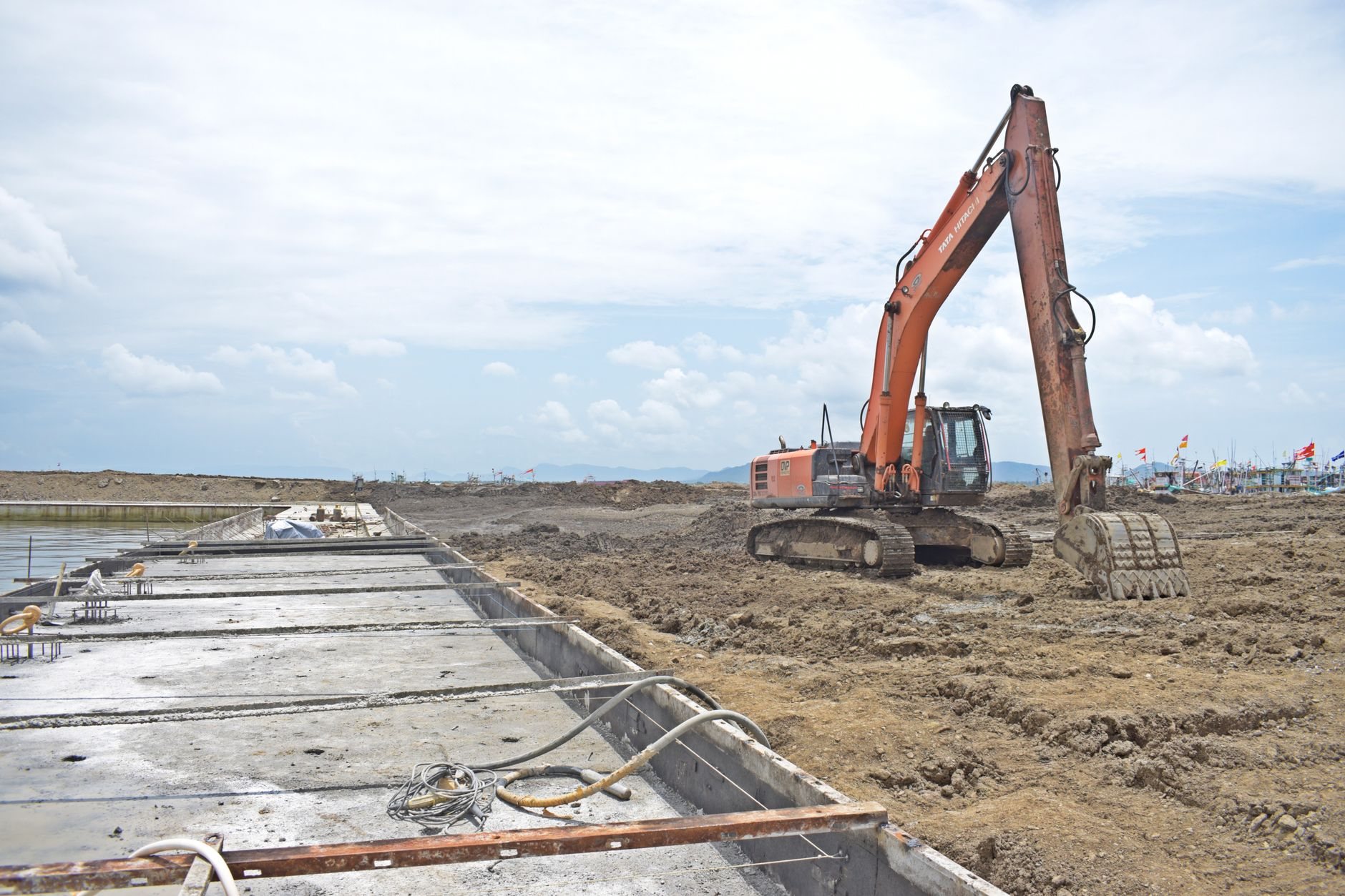
Why site and structure belong in one scope
Everything above grade depends on decisions made below it. A driveway that heaves, a foundation crack that keeps returning, a retaining wall that leans after two springs — most of these trace back to soil and water, not to the finished product you can see. Along the Wasatch Front that matters more than in most places: expansive clays swell when wet, collapsible bench soils settle when they finally get saturated, and either one will move whatever sits on it.
So a structural contractor in Utah has to read the ground before pouring anything on it. When one contractor handles the sequence — demolition, excavation, compaction, footings, concrete, and the exterior shell — the soils report actually informs the footing design, the grading actually protects the foundation, and nobody gets to point at the previous trade. That’s the scope this family of services covers. We see dependencies before they become delays.
Concrete flatwork and decorative concrete are core scopes within this family. Steel connections and welded structural work live under specialty services.
Nine scopes, from teardown to weathertight
Demolition
Selective and full-structure demolition with utility disconnects, permits, haul-off, and a pad ready for what’s next.
ExploreExcavation & grading
Building pads, basement digs, trenching, and finish grading that moves water away from the structure instead of toward it.
ExploreFoundation repair
Settlement diagnosis, pier systems, wall stabilization, and crack repair — treating the cause in the soil, not just the symptom in the wall.
ExploreConcrete driveways & flatwork
Driveways, patios, walkways, and garage slabs in air-entrained mixes built for Utah’s freeze–thaw cycling.
ExploreDecorative & stamped concrete
Stamped, colored, and exposed-aggregate finishes with the same base preparation as our structural pours.
ExploreRetaining walls
Engineered walls for bench lots and sloped sites, with the drainage behind the wall that decides whether it lasts.
ExploreDeck construction
Decks with properly flashed ledgers, code-compliant footings, and framing sized for bench-lot snow loads.
ExploreRoofing
Roof replacement and repair, fastened and detailed for canyon-wind gusts and heavy spring snow.
ExploreSiding
Fiber cement, vinyl, and wood siding installed to handle high-elevation UV and hard weather on every exposure.
ExploreWhat does Utah ground demand from a structural contractor?
Four things, mainly: footings and flatwork designed for expansive and collapsible soils, air-entrained concrete that survives 100-plus freeze–thaw days a year, structural anchorage appropriate to the Wasatch fault, and site drainage sized for summer cloudbursts. Miss any one of them and the work looks fine on day one and costs you money by year five.
Here’s how each shows up in practice:
- Soils. Expansive clay swells and lifts; collapsible bench soils compress when saturated — both are documented hazards mapped by the Utah Geological Survey. We want to know which one you’re on before anyone prices a footing, a slab, or a wall.
- Freeze–thaw. Exterior concrete along the Wasatch Front gets air-entrained mixes — the microscopic air voids give freezing water somewhere to go besides cracking your driveway. Cure time and sealing schedules matter just as much.
- Seismic. The Wasatch fault runs under the towns we work in. Current Utah-adopted code drives anchorage, connection, and reinforcement requirements, and we build to it — including welded connections that get inspected, not assumed.
- Water. Utah’s summer monsoon can drop an inch of rain in an hour on ground that spent six weeks baking. Grading, downspout extensions, and drains behind retaining walls are how a site sheds that water instead of feeding it to your foundation.
None of this is exotic. It’s the ordinary discipline of building where we build — and it’s why we’d rather walk your site before we quote it.
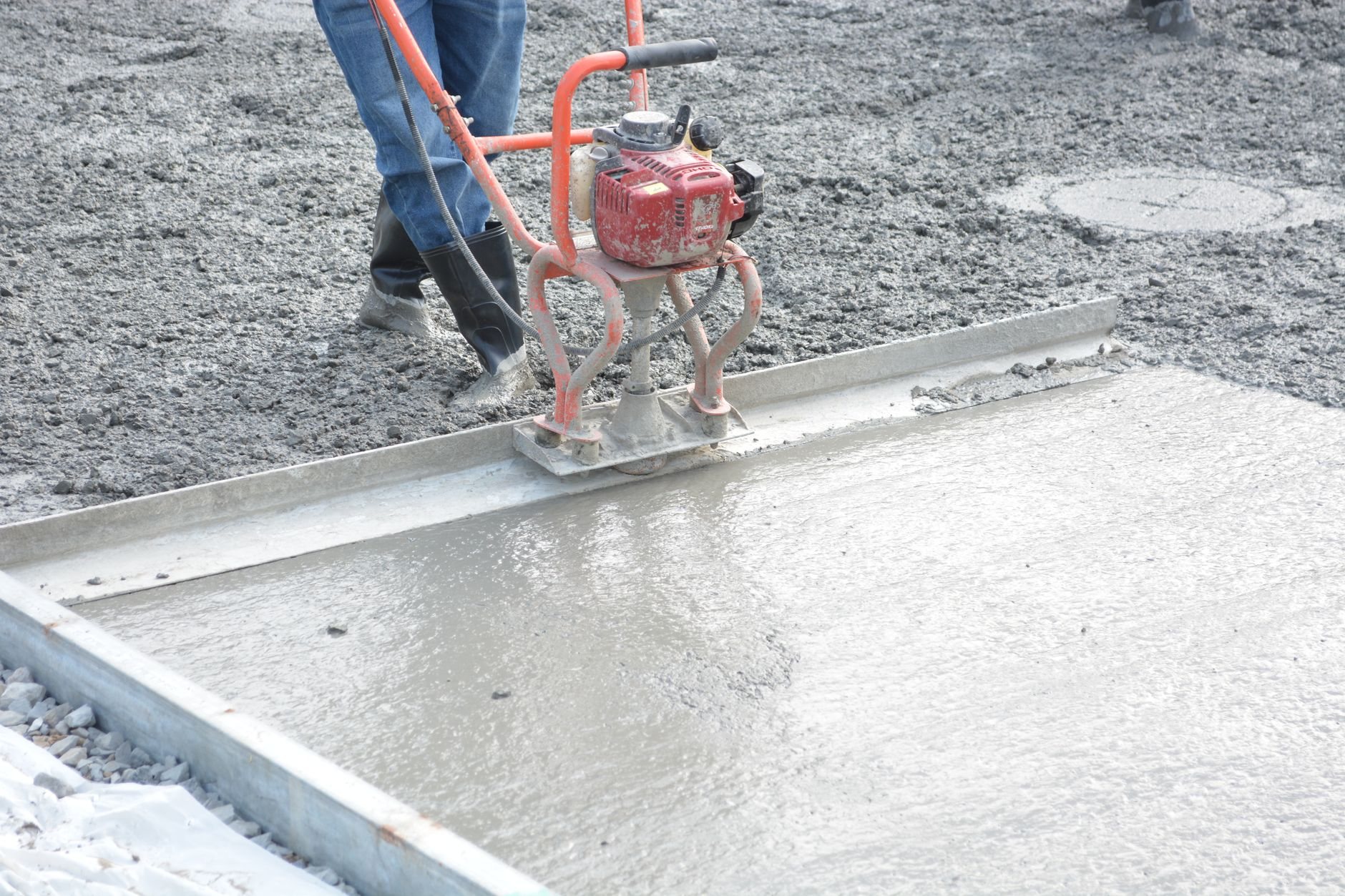
Questions we actually get
Can one contractor handle everything from demolition to roofing?
Yes — that’s the point of this service family. Our B100 general contractor license — verifiable at dopl.utah.gov — covers the full sequence, and running it under one contract means the excavation supports the foundation plan, the concrete schedule fits the framing schedule, and one team owns the outcome.
What moves the cost of site and structural work in Utah?
Soil conditions first — expansive clay or collapsible soil can add engineering, over-excavation, or pier systems. Then access (tight lots slow machines down), slope, haul-off distance, and concrete volume. We give a ballpark budget range after a site walk, then a firm estimate once scope is defined. Ranges are planning numbers, not promises.
Do I need an engineer for a retaining wall or foundation repair?
Often. Most Utah cities require engineering for retaining walls around four feet and taller, and structural foundation repairs generally need an engineer’s design for permits. We coordinate the engineering and permitting as part of the project — verify specific thresholds with your city’s building department.
When can concrete and excavation work happen in Utah?
Excavation runs most of the year unless the ground is deeply frozen. Concrete is best from spring through fall; cold-weather pours are possible with blankets and mix adjustments, but curing quality is easier to guarantee above about 40 degrees. We’ll tell you honestly if waiting three weeks gets you a better slab.
Where this work usually leads
Site and structural work rarely stands alone. If you’re clearing ground to build, our new construction team takes the project from pad to keys. If your project needs structural steel, welded connections, railings, or LiDAR as-built scanning, that lives under specialty capabilities.
Tell us what you’re working on
From the first excavator pass to the last ridge cap, we’ll give you a straight read on scope, sequence, and budget before anyone commits to anything. We reply within a couple of hours during business hours — a day at most.