
Galvanized Chain-Link Fences in Utah
Galvanized chain-link is zinc-coated steel mesh stretched on a galvanized pipe framework — the lowest-cost permanent fence that still keeps a dog in, a job site closed, and a shop yard defined. Grandview installs it for homeowners, schools, and commercial yards across Utah County and Salt Lake County under a B100 general contractor license.
When plain galvanized is the right chain-link
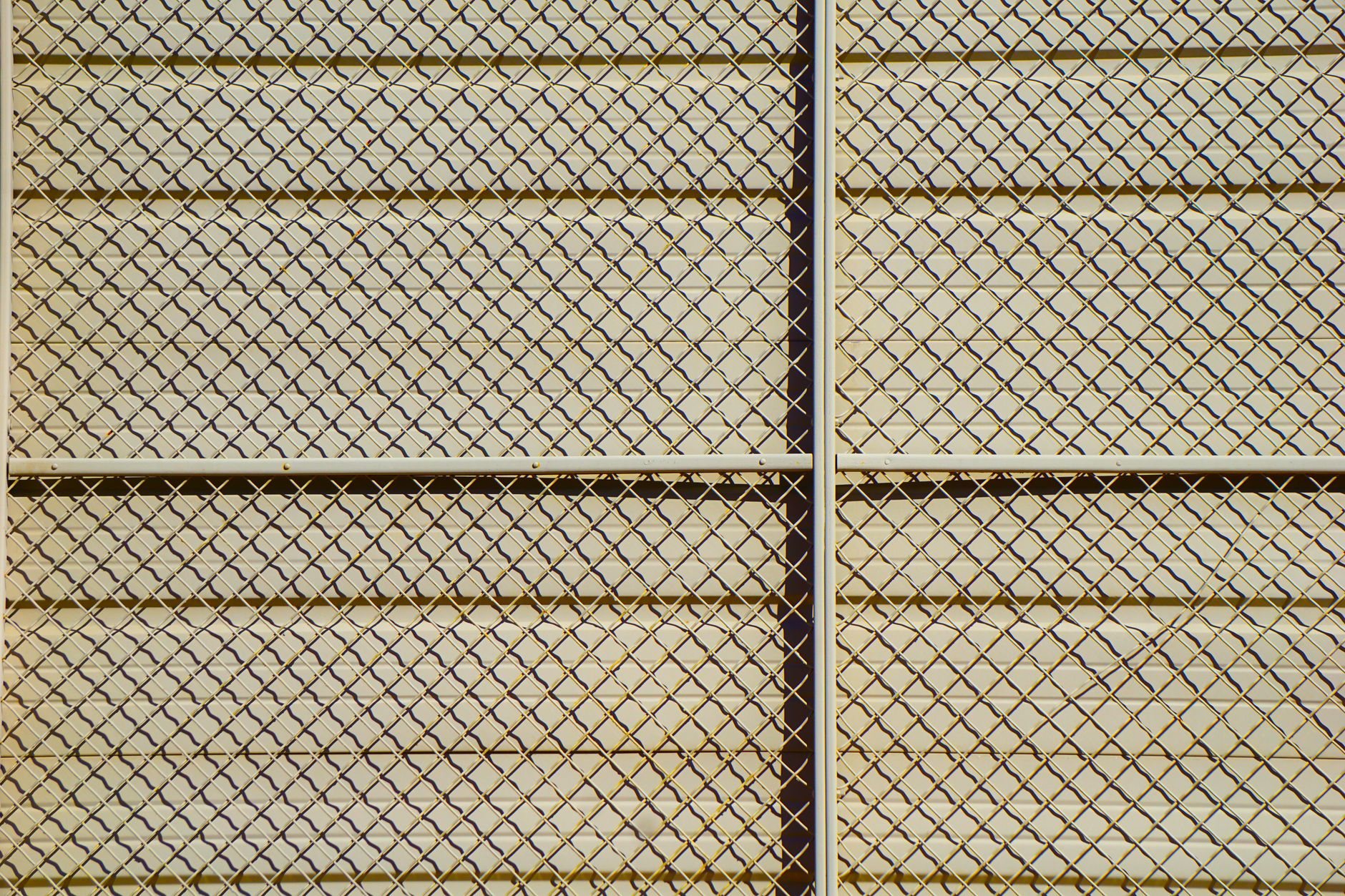
Bare galvanized is the working-grade member of our Utah fence installation line-up, part of the site, structure & envelope work we take on. Pick it when the fence has a job — containment, boundary, a construction perimeter — and nobody needs it to disappear. Rear yards, dog runs, school fields, and industrial-park shop lots (often alongside a dumpster enclosure) are its natural habitat.
If you want the mesh to recede into landscaping, the same framework with black or green polymer fabric is the better spend; that’s our vinyl-coated chain-link page. If you need screening, chain-link with privacy slats turns an open mesh into a wind panel, which changes post spacing and footings. When the fence is the security system — anti-climb mesh, heavier framework — you’re into steel security fencing.
One honest limit: most HOA-governed subdivisions in Lehi, Saratoga Springs, and Eagle Mountain restrict bare chain-link in street-facing yards. We check the CC&Rs before we price anything.
What goes into a galvanized chain-link fence
Chain-link looks generic from the sidewalk. The spec sheet is where one installation outlasts another by a decade.
Fabric. Three numbers matter: wire gauge, mesh size, and zinc weight. Residential fence is usually 11- or 11.5-gauge wire in a 2-inch diamond; commercial and school fence is 9-gauge, sometimes in a tighter 1¾-inch mesh where climbing is the concern. Zinc is specified under ASTM A392 as Class 1 (1.2 oz/ft²) or Class 2 (2.0 oz/ft²); we recommend Class 2 for frontage that will see winter road salt. Fabric galvanized after weaving seals the knuckles and cut ends; galvanized-before-weaving wire leaves them bare and is the budget option. The Chain Link Fence Manufacturers Institute publishes the guides these designations come from.
Selvage. Mesh edges are knuckled (folded, smooth) or twisted (cut, barbed). Knuckle–knuckle is standard under six feet and wherever children or animals touch the fence; twisted top selvage belongs on tall commercial fence only.
Framework. Terminal posts — ends, corners, gate posts — carry the whole run’s tension, so they’re larger than line posts: typically 2⅜-inch OD to six feet, 2⅞-inch or larger for eight-foot and gate-bearing positions. Line posts run 1⅞- or 2⅜-inch OD at a maximum of 10 feet on center, with a 1⅜- or 1⅝-inch top rail and a 7-gauge bottom tension wire. Pipe is Schedule 40 (ASTM F1083) or lighter high-strength SS40 (ASTM F1043); your estimate will say which.
Hardware. Tension bars and bands at every terminal, loop caps, and tie wire every 24 inches on the rail and 12–15 inches on each post. Skimped ties are the shortcut we see most on fence repair calls — the mesh sags long before the zinc gives out.
How we build it
- Layout and locates. Confirm the line, mark terminal positions, call Blue Stakes.
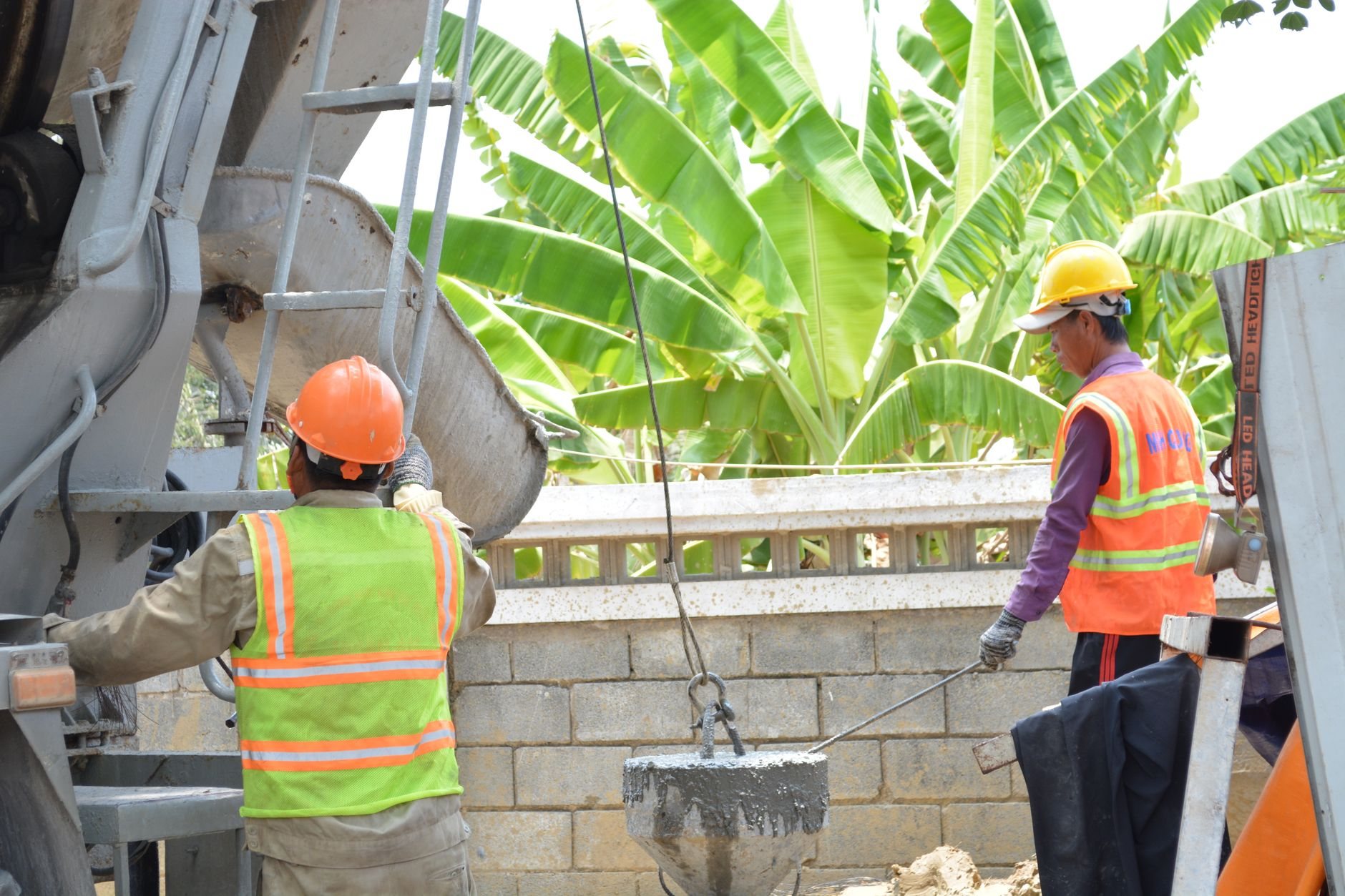
- Terminal post footings. End, corner, and gate posts go in concrete — a 10–12-inch hole, 36 inches deep or more along the Wasatch Front, belled at the bottom where expansive clay is present so frost can’t lift it. They cure before any fabric is tensioned against them.
- Line posts. Concrete-set at the same depth, or driven where the soil allows. On the collapsible bench soils above Orem and Provo we concrete every post; driven posts there settle the first time the sprinklers run hard.
- Rail, wire, and fabric. Top rail sleeves through the loop caps into one continuous member and the bottom tension wire is pulled taut. Then the mesh is hooked through a tension bar at one terminal and stretched toward the other until the diamonds give about a quarter-inch by hand. Over-stretched mesh deforms; under-stretched is the wavy fence everyone has seen.
- Gates and walk-through. Gates hang on their own posts with adjustable hinges, and we walk the line with you before we call it finished.
Open mesh carries almost no wind load, which is why galvanized chain-link survives the Centerville and Farmington canyon-wind events that flatten solid panels — and why adding slats later is a framework conversation, not a materials order.
What does galvanized chain-link cost in Utah?
As ballpark planning numbers, not quotes: four- to six-foot residential galvanized chain-link along the Wasatch Front typically installs at $15–$25 per linear foot, the bottom of the chain-link family. Eight-foot commercial fence in 9-gauge Class 2 fabric on Schedule 40 framework runs meaningfully higher; gates price separately.
What moves the number: height, gauge, zinc class, how many terminal posts the run has (every corner and gate is a footing and a full hardware set), concrete versus driven line posts, rock in the holes, and old-fence removal. We give a budget range after a site walk and a firm estimate once height, fabric, and gate count are settled, under a B100 license you can verify at dopl.utah.gov.
Questions we actually get
How long does galvanized chain-link last in Utah?
Framework and Class 2 fabric commonly go decades before rust shows; the dry climate is in your favor. The exceptions are the bottom inches along a salted road or where sprinklers hit daily, where zinc is consumed faster. Keep soil and mulch off the bottom wire and the fence will outlive its gates.
Should I choose galvanized or vinyl-coated chain-link?
Galvanized if cost and function lead and the fence is in a rear yard, a shop yard, or a field. Vinyl-coated if it faces a street or sits where an HOA or tenant looks at it daily. The framework is identical; coated fabric adds a modest per-foot premium and a lot of visual quiet.
Do chain-link posts really need concrete?
Terminal posts always — they hold the run’s tension and the gates. Line posts can be driven in stable, well-drained ground, but in the expansive clay and collapsible soils common across Utah County we concrete them below frost depth. A heaved line post telegraphs into the top rail and shows from the street within a winter or two.
Can you add privacy slats or a gate later?
Gates, yes — a walk or driveway gate post is a new footing cut into the run. Slats, sometimes. Slatted mesh catches wind that open mesh doesn’t, so a fence built at 10-foot spacing on light line posts may need added posts or a bottom rail first. If slats are likely, tell us now and we’ll frame for them.
Tell us what you’re fencing
Send the rough footage, the height, how many gates, and what the fence is keeping in or out. We reply within a couple of hours during business hours — a day at most — with a straight read on fabric, framework, and budget.