
Shadowbox Fences in Utah County
A shadowbox fence alternates pickets on opposite faces of the rails, so it screens the view from any angle while letting wind pass between the boards. Grandview designs and installs shadowbox fencing across Utah County and Salt Lake County under a B100 general contractor license — the right call for windy lots and shared property lines where both neighbors deserve a finished side.
When a shadowbox fence is the right choice
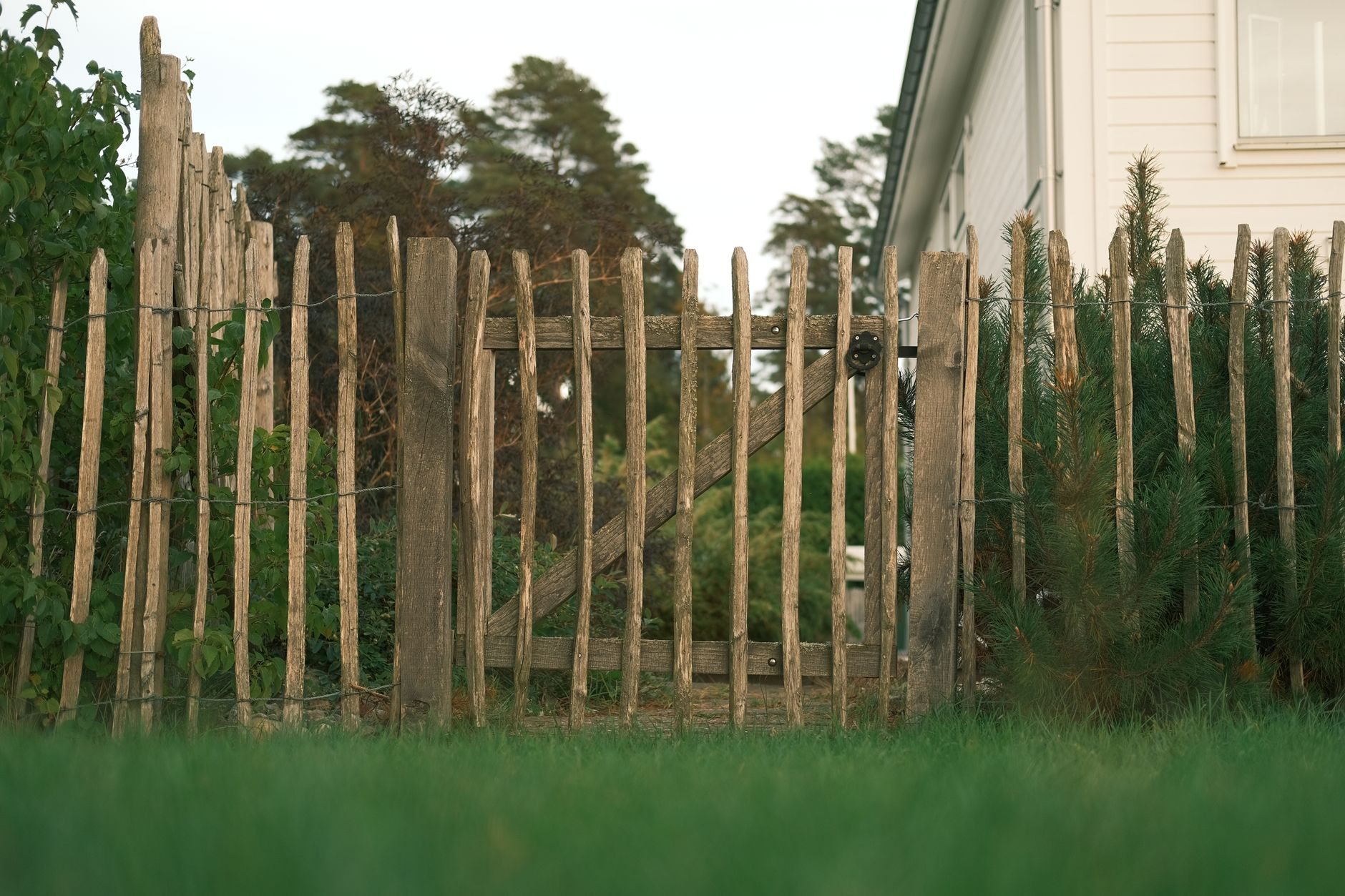
Stand square to a shadowbox fence and you’ll see slivers of daylight between the boards. Step to either side and the overlapping pickets close the view. That’s the whole idea: privacy from the street and the neighbor’s windows, without a solid wall that catches every gust coming off the mountain.
Pick shadowbox over a standard wood privacy fence when your lot sits in the path of canyon wind. East-bench neighborhoods from Alpine to Mapleton, and the north-county corridor around Centerville and Farmington, see gusts that treat a flat privacy panel like a sail; staggered boards bleed that pressure through the fence instead of loading the posts. Pick it over board-on-board when you want the good-neighbor look on both sides but don’t need a zero-gap overlap — shadowbox uses fewer boards and breathes better. Pick it over a horizontal slat fence when the setting is traditional, or the HOA calls for vertical pickets.
Where it’s the wrong choice: pool barriers, runs for determined climbers, and anywhere you need a true sound or sight block. The gaps are small, but they’re real.
How we build a shadowbox fence
The pattern looks simple. Getting it to stay straight and evenly spaced over 150 feet of grade change is where the work is.
- Posts below frost. 4×4 posts at 8-foot centers for a 6-foot fence, 6×6 at corners, gate hangers, and the windiest exposures. Holes go 30 inches or deeper along the Wasatch Front, with footings matched to the soil — in expansive clay, that depth is the difference between a fence that’s plumb in year eight and one that heaves a little more every winter.
- Three rails, not two. Pickets on both faces roughly double the board weight hanging on the frame. We run three 2×4 rails on a 6-foot shadowbox and set the middle rail to catch the picket center, so boards can’t cup away from the frame.
- Picket layout. 5½-inch dog-ear or flat-top pickets, cedar or pressure-treated pine, on alternating faces with about a 1-inch overlap at each edge. We lay out from the gate post and adjust spacing across the run so the last bay doesn’t end on a half-board.
- Fasteners for wind and weather. Ring-shank nails or exterior screws into every rail — hot-dip galvanized or stainless, never electroplated, because cedar tannins streak black around cheap fasteners within a season.
- Cap and kickboard. A 2×6 cap rail ties the picket tops together and sheds water off the end grain. A treated kickboard at grade keeps picket bottoms out of sprinkler spray and snowmelt, where rot starts.
- Gates and the walk-through. Shadowbox gates are heavy, so they get a diagonal brace and gate-rated hinges off a 6×6. Then we walk the full run with you.
Cedar or treated pine for a Utah shadowbox fence?
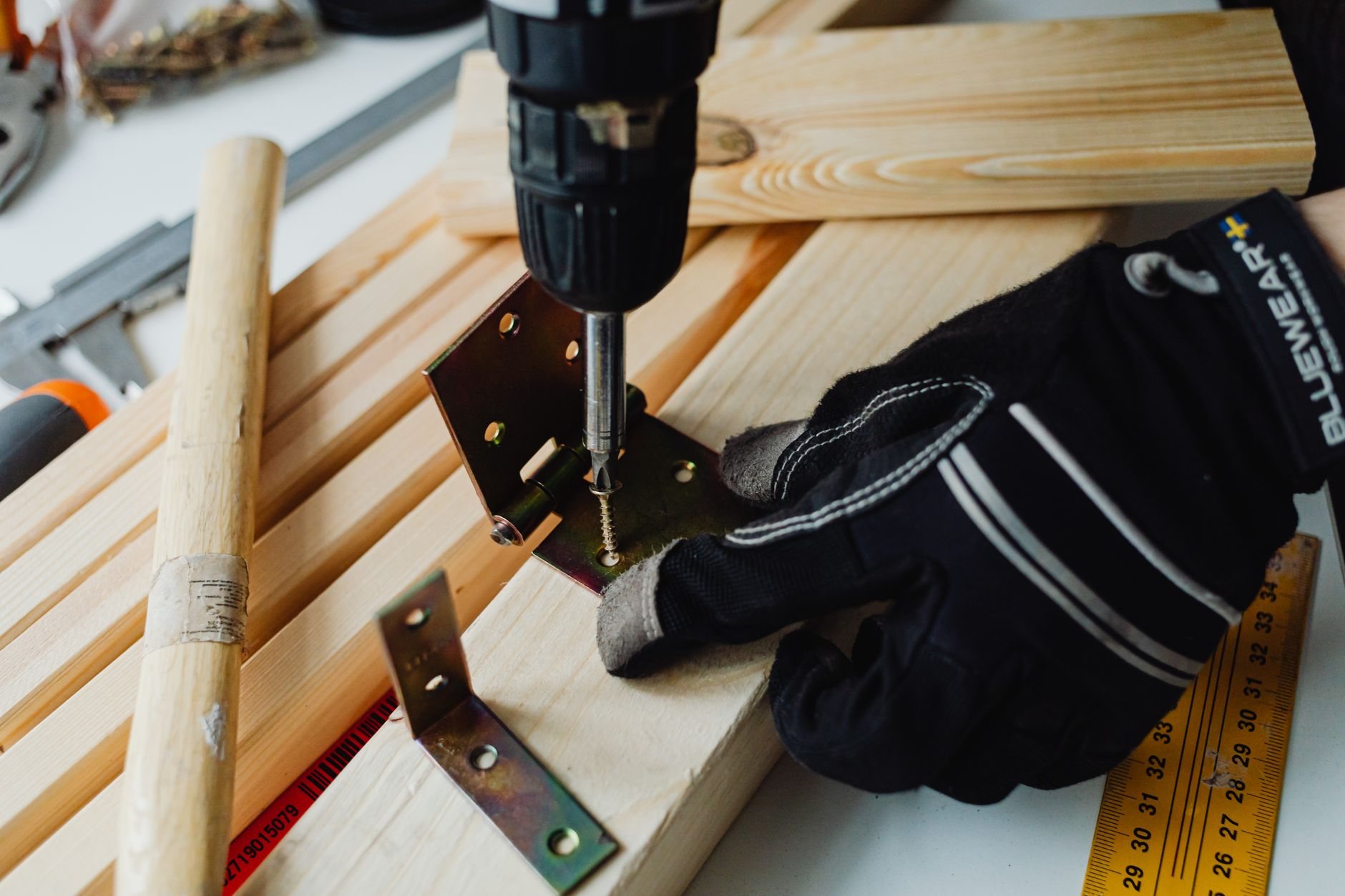
Both work; the question is what you want it to look like in five years. Western red cedar stays flatter and resists rot on its own, but Utah’s elevation and UV intensity fade it to silver-gray in a few summers unless it’s stained on a schedule. Treated pine costs less and takes paint well, but it moves more as it dries — and in a shadowbox fence, that shows up as uneven gaps between the alternating boards. Our cedar fence page covers grade and finish in more depth, and fence staining can be scheduled into the build or handled later.
In HOA-governed communities — most newer neighborhoods in Lehi, Saratoga Springs, and Eagle Mountain — shadowbox is often pre-approved because it reads the same from the street and the neighbor’s yard. We prepare the submittal with picket profile, height, and stain color so the committee has what it needs the first time.
What does a shadowbox fence cost in Utah?
As ballpark planning numbers, not quotes: a 6-foot shadowbox fence along the Wasatch Front typically runs about $38–$60 per linear foot installed, treated pine toward the low end, premium cedar with cap and trim toward the high. That’s modestly above a single-face privacy fence, because every bay carries boards on both sides, and a little below board-on-board. Gates and demolition of an old fence price separately.
What moves the number: length and height, picket grade, gate count, grade changes that force stepped panels, and rock or heavy clay in the post holes. You’ll get a budget range after a site walk and a firm estimate once layout and material are settled.
Questions we actually get
Does a shadowbox fence really block the view?
From any angle except dead-on, yes. The alternating pickets overlap by about an inch, so the only sightline is straight through the gap from a few feet away. From a neighbor’s window or the street, it reads as solid. If you need a true no-gap barrier, board-on-board is the better fit.
Is shadowbox the best wood fence for a windy lot?
It’s the best privacy-style wood fence for wind. The staggered boards let air move through the panel instead of loading the posts, which is why we recommend it on east-bench and north-county lots that see canyon gusts. Open styles like split-rail resist wind better still, but they don’t give you privacy.
Can you build shadowbox on a sloped yard?
Yes. On gentle slopes we rack the panels so pickets stay plumb and the rails follow grade. On steeper ground we step each bay, which keeps the picket overlap consistent so the shadowbox pattern doesn’t open up at the low end. We decide which approach fits during the site walk.
How long does a shadowbox fence last in Utah?
With posts below frost depth and a kickboard at grade, a cedar shadowbox fence should give you 20 years or more; in most Utah fences the posts fail before the pickets. Staining every two to three years keeps cedar from drying and checking under high-elevation sun. Skipping it costs appearance first, structure later.
Shadowbox is one of the wood styles under our Utah fence installation and repair work, part of the site, structure & envelope services we run as a licensed general contractor (verifiable at dopl.utah.gov). If an existing shadowbox fence is leaning or rotting at the posts, fence repair starts with a straight read on section fix versus rebuild.
Tell us what you’re working on
Send us the rough footage, the fence height you’re after, and a photo of the line. We reply within a couple of hours during business hours — a day at most — with a straight read on scope, sequence, and budget.