
Contractor for real estate investors in Utah
Rehab scopes, BRRRR value-add, and distressed-property rebuilds priced against the number that actually matters: your cost per day of ownership. Grandview is a Utah B100 general contractor serving Utah County and Salt Lake County, and we build investor scopes the way lenders and appraisers read them — line by line.
Your carrying costs are part of the scope
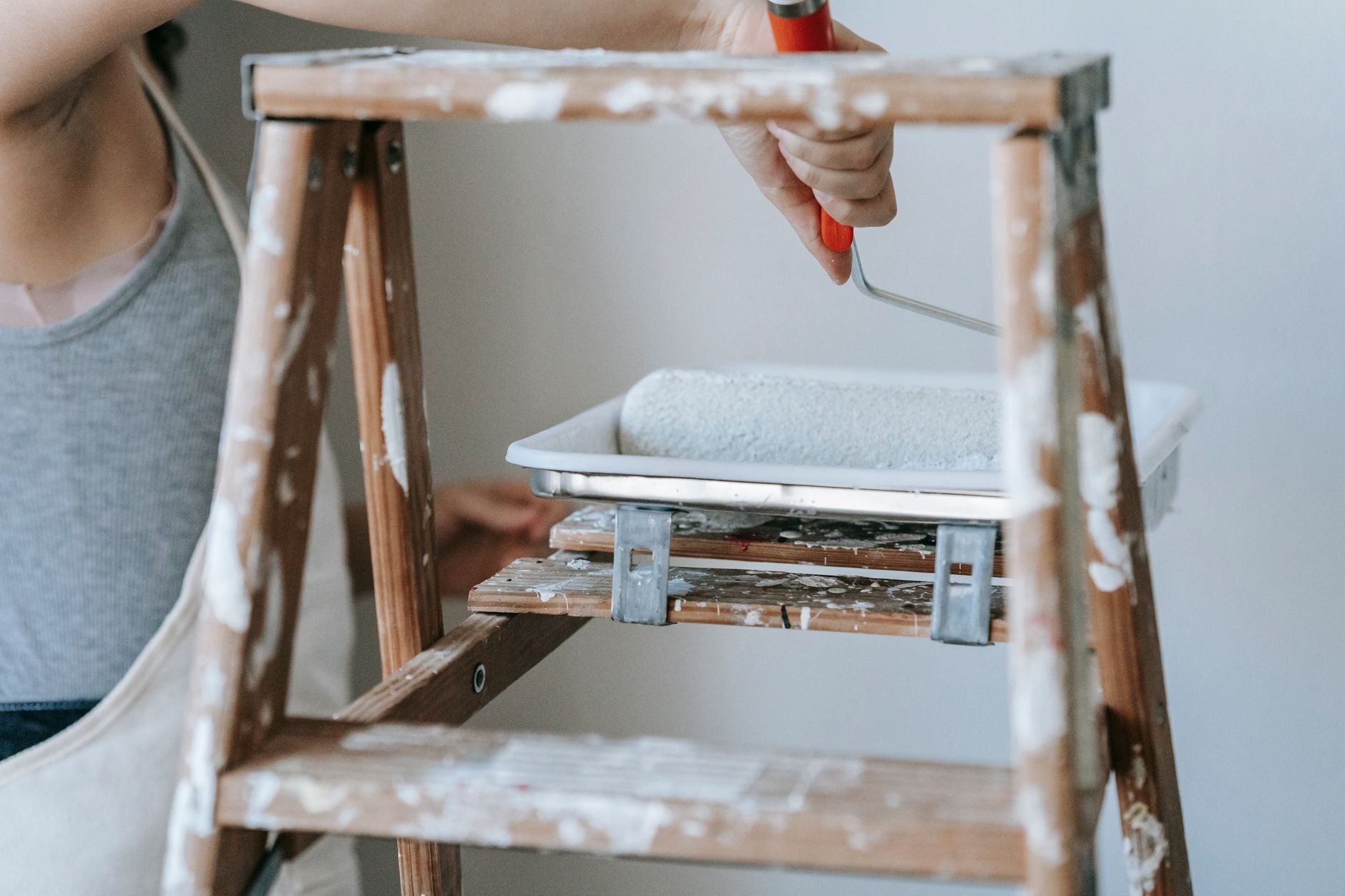
An investor rehab isn’t a remodel with different paint. Every day the property sits, you pay interest, taxes, insurance, and utilities — so a schedule slip isn’t an inconvenience, it’s a line item. We treat it that way. Sequencing, procurement lead times, and inspection dates get planned before demo starts, because the cheapest week of the project is the one you never have to carry.
Scope discipline is the other half. Your budget was built on a specific scope, and the fastest way to lose a deal’s margin is a contractor who “might as well” their way through it. We write scopes tight, price them line by line, and put every change in writing with a cost and a schedule impact before the work happens — not on the final invoice.
We also price to the right standard. Rent-ready means durable, cleanable, mid-grade: LVP that survives tenants, semi-gloss trim, fixtures you can replace from stock. Flip-finish means spending where buyers look and appraisers count — kitchens, baths, curb appeal — and not a dollar past the comps. They are different specifications with different budgets, and we’ll tell you which one each room deserves.
If your deal runs on hard-money or rehab-loan draws, we align milestones to your lender’s draw schedule and document completed work with photos and itemized progress billing, so releases don’t stall your subs.
What we handle for investors
Full rehab scopes
Cosmetic-plus to full-gut renovations: kitchens, baths, flooring, paint, exterior refresh, and the structural or systems work the walkthrough turned up.
Renovation & build-outsBRRRR value-add
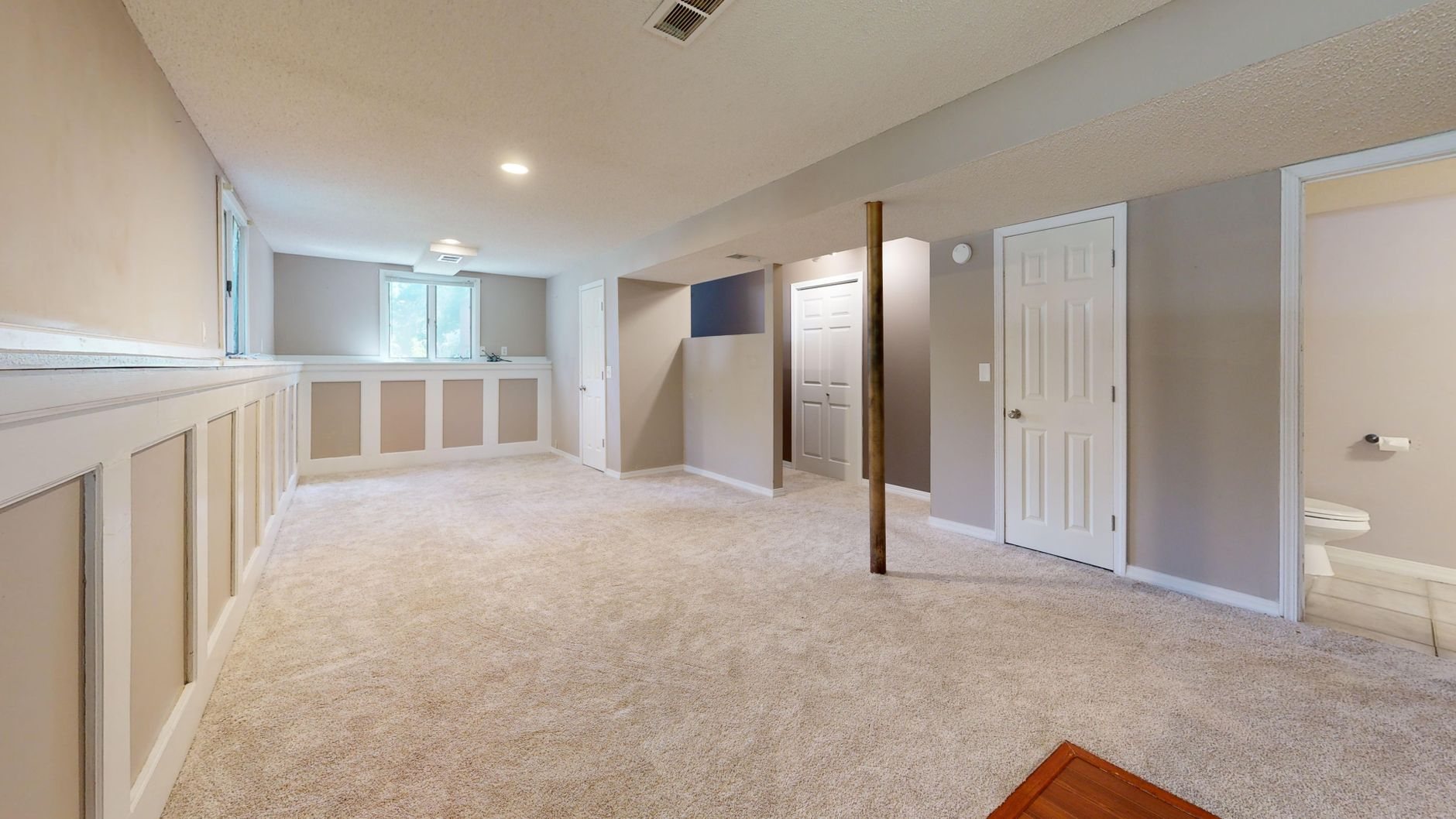
Basement finishes, added bedrooms and baths, and layout fixes that force appraised value — scoped so the refinance math works before we start.
See renovation servicesFire & distressed property rebuilds
Fire, water, and neglect cases other buyers walk from. We scope the reconstruction honestly so you can bid the asset with real numbers.
Repair & restorationUnit upgrades & turns
Between-tenant upgrades and capital projects on occupied buildings, scheduled around leases and documented for your records.
Also managing units?How we scope an investor project
- Walk the property with your numbers. Purchase price, ARV or target rent, and hold timeline shape the scope. A rehab scoped without the deal math behind it is just a wish list.
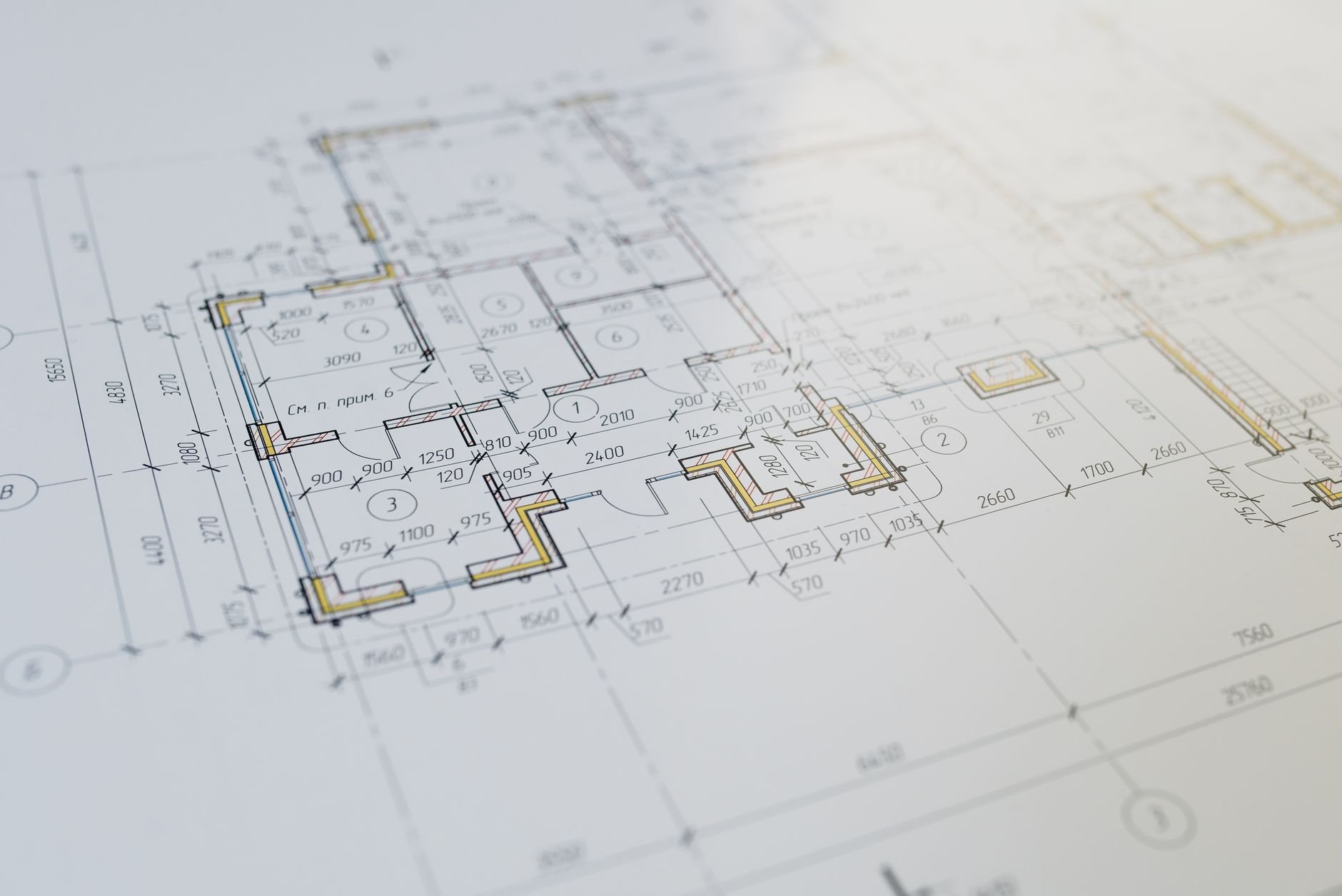
- Write a line-item scope. Quantities, materials, allowances clearly labeled as allowances, and exclusions listed by name. You can hand it to a lender or a partner and defend every line.
- Set the finish standard room by room. Rent-ready here, flip-finish there. We’ll push back if you’re over-improving for the block.
- Sequence to your draws and permits. Milestones mapped to lender releases, inspections booked ahead, long-lead items ordered before demo.
- Build with written change orders. When the walls open and something changes, you get cost and schedule impact in writing before anyone proceeds.
What we flag that other walkthroughs miss
The rehab that blows a budget is rarely the kitchen. It’s what nobody priced. Before your numbers are final, we look for:
- Sewer laterals. Older Provo, Orem, and Salt Lake housing stock often carries original clay or deteriorated lines. A camera inspection costs little; a lateral replacement found after closing does not.
- Panel capacity. Many mid-century homes still run 60–100 amp panels. Add air conditioning, an appliance package, or a basement unit and you’re into an upgrade — Grandview holds the contract and manages licensed electricians; we coordinate, sequence, and quality-check their work within your project.
- Soil movement. Expansive clay and collapsible bench soils along the Wasatch Front produce stair-step cracks and out-of-level floors. Some are cosmetic. Some are foundation work. We’ll tell you which before you commit.
- Radon in basement finishes. Utah’s geology tests high, and the EPA recommends testing before you finish below-grade space. If your value-add plan includes finishing a basement, mitigation belongs in the budget, not in the surprise column.
- Permitting timelines. Fast-growth cities like Lehi, Saratoga Springs, and Eagle Mountain process differently than established Provo, Orem, or Salt Lake City — and the difference is measured in weeks of carrying costs. Verify specifics with the city’s building department; we build the wait into the schedule either way.
Larger or multi-property plans benefit from preconstruction before you buy — see planning & project management for scope validation and budget-range work at the offer stage.
Questions investors actually ask
Can you price my scope of work, or do you only build your own?
We’ll price yours — after we walk the property. If your scope missed a sewer lateral or a panel upgrade, pricing it as written just delays the bad news. We’ll bid your line items and flag what we’d add or cut, with numbers attached.
Do you work with hard-money draw schedules?
Yes. We map project milestones to your lender’s draw schedule, document completed work with photos and itemized progress billing, and keep the paperwork inspection-ready so releases don’t stall. Tell us the lender’s requirements up front and we’ll sequence to them.
What does a rehab typically cost in Utah?
As ballpark planning numbers only: a cosmetic rent-ready refresh — paint, LVP, fixtures, appliances — often lands around $20,000–$45,000 for a typical single-family, while a full rehab with kitchen, baths, and systems work commonly runs $75,000–$150,000 or more. The walk-through and line-item scope set the real number.
What slows investor rehabs down most?
Permit timing and mid-project discoveries. City review times vary widely across the Wasatch Front, and opened walls reveal what walkthroughs can’t — which is why we camera sewers, check panels, and read the foundation before your budget is final. What we can’t eliminate, we schedule around.
Run your next deal past us
Send the address and your numbers. We reply within a couple of hours during business hours — a day at most — with a straight read on scope, sequence, and budget before anyone commits to anything.