
Horizontal Slat Fences in Utah County
A horizontal slat fence runs its boards post to post instead of up and down — cedar or composite, with a consistent gap, for a clean modern line. Grandview builds them across Utah County and Salt Lake County under a B100 general contractor license, framed so the boards stay straight after the first winter.
When horizontal slats are the right call
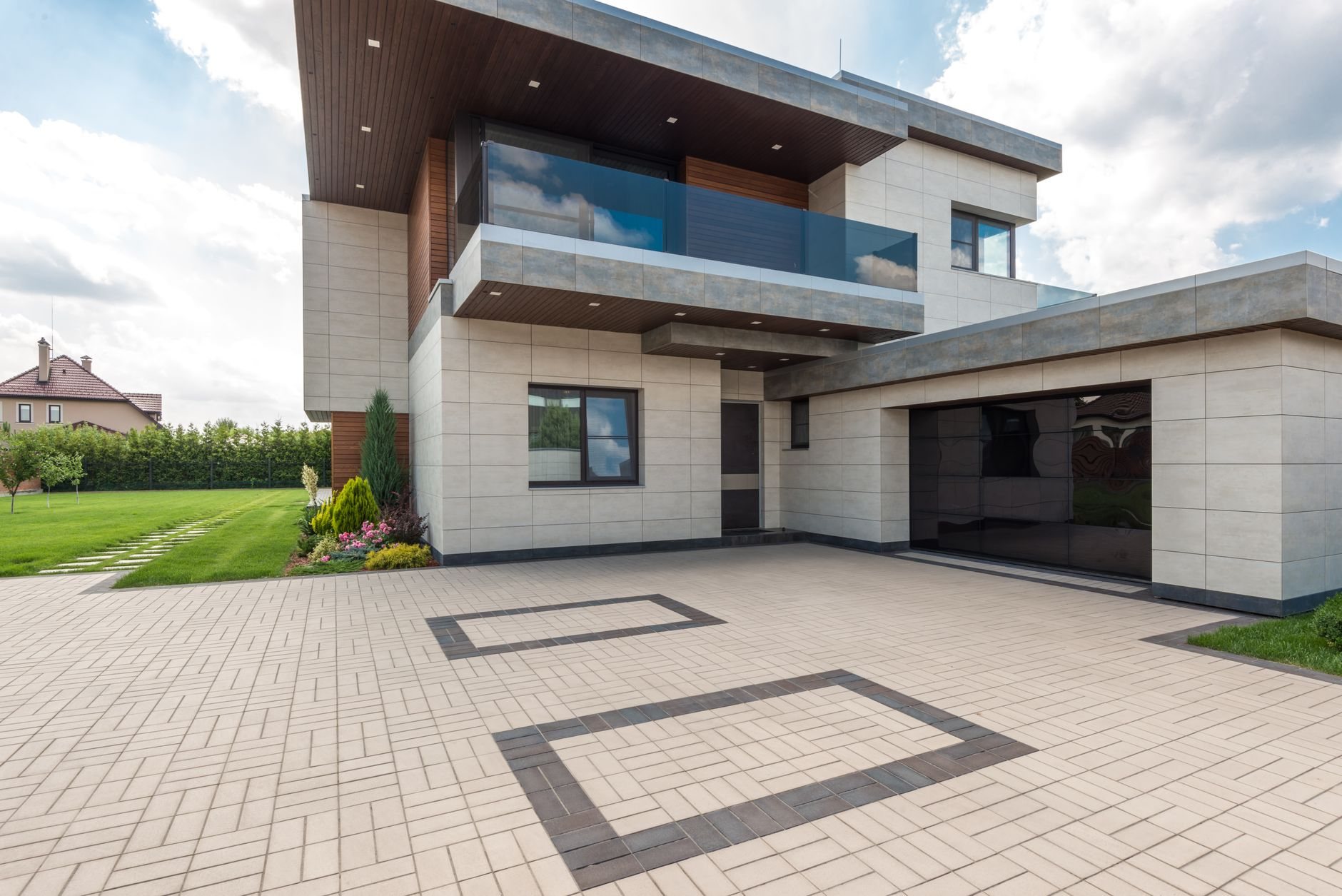
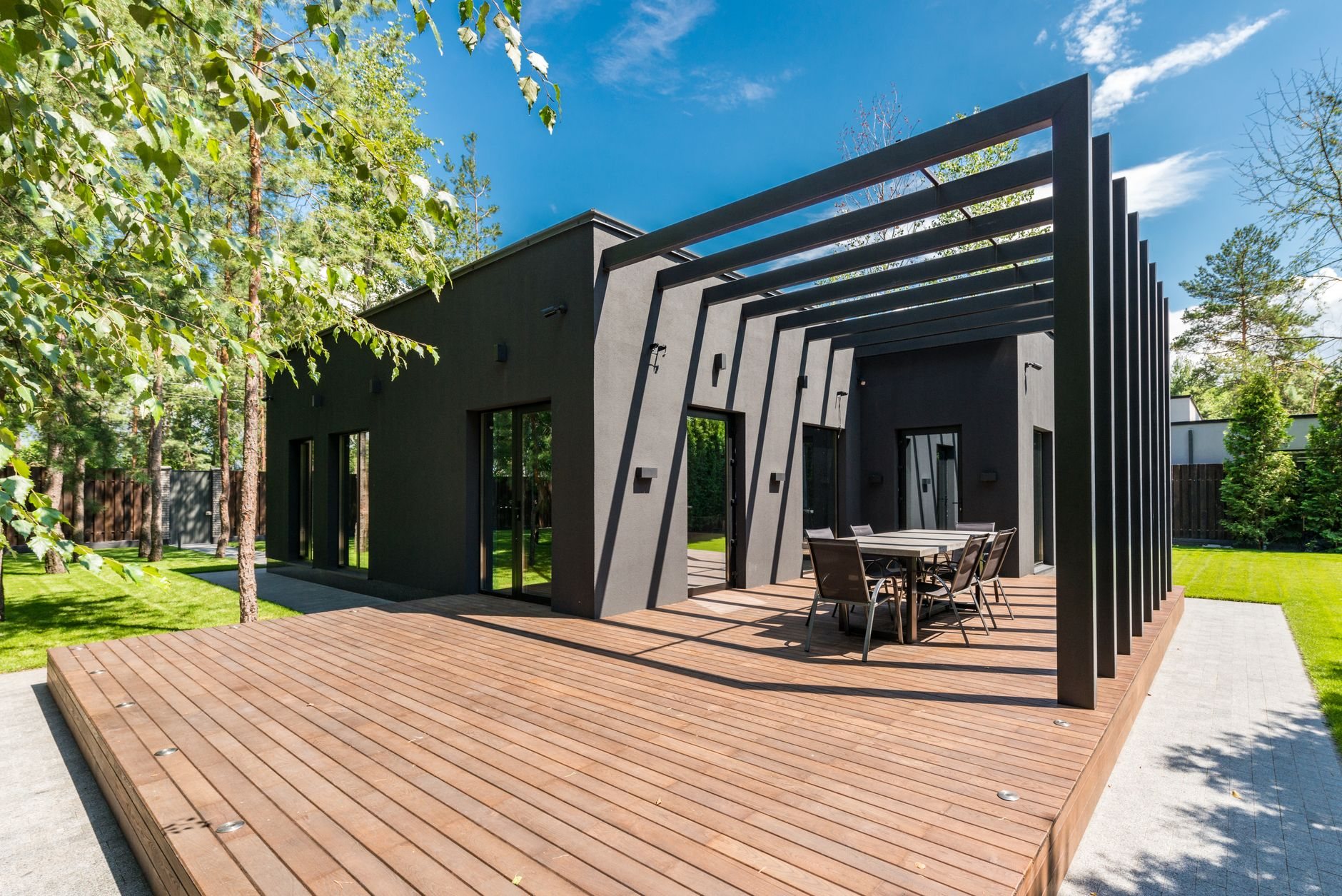
Choose a horizontal slat fence when the house beside it has modern lines and a vertical picket fence would look borrowed from another decade. The gap is a design decision: a quarter-inch reveal reads as a wall, a one-inch reveal lets light and breeze through.
It is not the right call everywhere. For full privacy with no gap at all, a board-on-board fence does it better for less. On a lot exposed to canyon wind, a shadowbox fence breathes instead of fighting. If budget is the main constraint, a standard wood privacy fence delivers the same height for less lumber and labor.
Material comes down to two options. Clear or tight-knot cedar is the classic. Composite boards hold their color under Utah’s high-elevation UV without a stain schedule, at a higher upfront cost and with tighter post spacing to prevent sag.
Why horizontal fences fail, and how ours are framed not to
A vertical picket is short, hangs from two rails, and has nowhere to go. A horizontal board spans the full bay between posts, and over six or eight feet it will sag, cup, or bow unless the framing stops it. That is the whole problem with this fence, and why a cheap one looks wavy within two summers.
- Posts at six feet or tighter. No more than six feet on center for cedar, closer for composite per the manufacturer’s span tables, set below frost depth — 30 inches or more along the Wasatch Front — in footings sized for the soil. On expansive clay, a post that heaves half an inch throws every line in the bay visibly out of true.
- A vertical stiffener mid-bay. Each bay gets a vertical nailer between the posts so every board is supported at three points instead of two. This is the piece most horizontal fences skip, and the one that keeps the reveal lines straight.
- Boards culled and oriented. Horizontal boards show every knot and crown at eye level, so we cull as we go and set each board crown-up. For cedar, 1×6 boards with a 5/4 or 2x top board add stiffness where sag shows most.
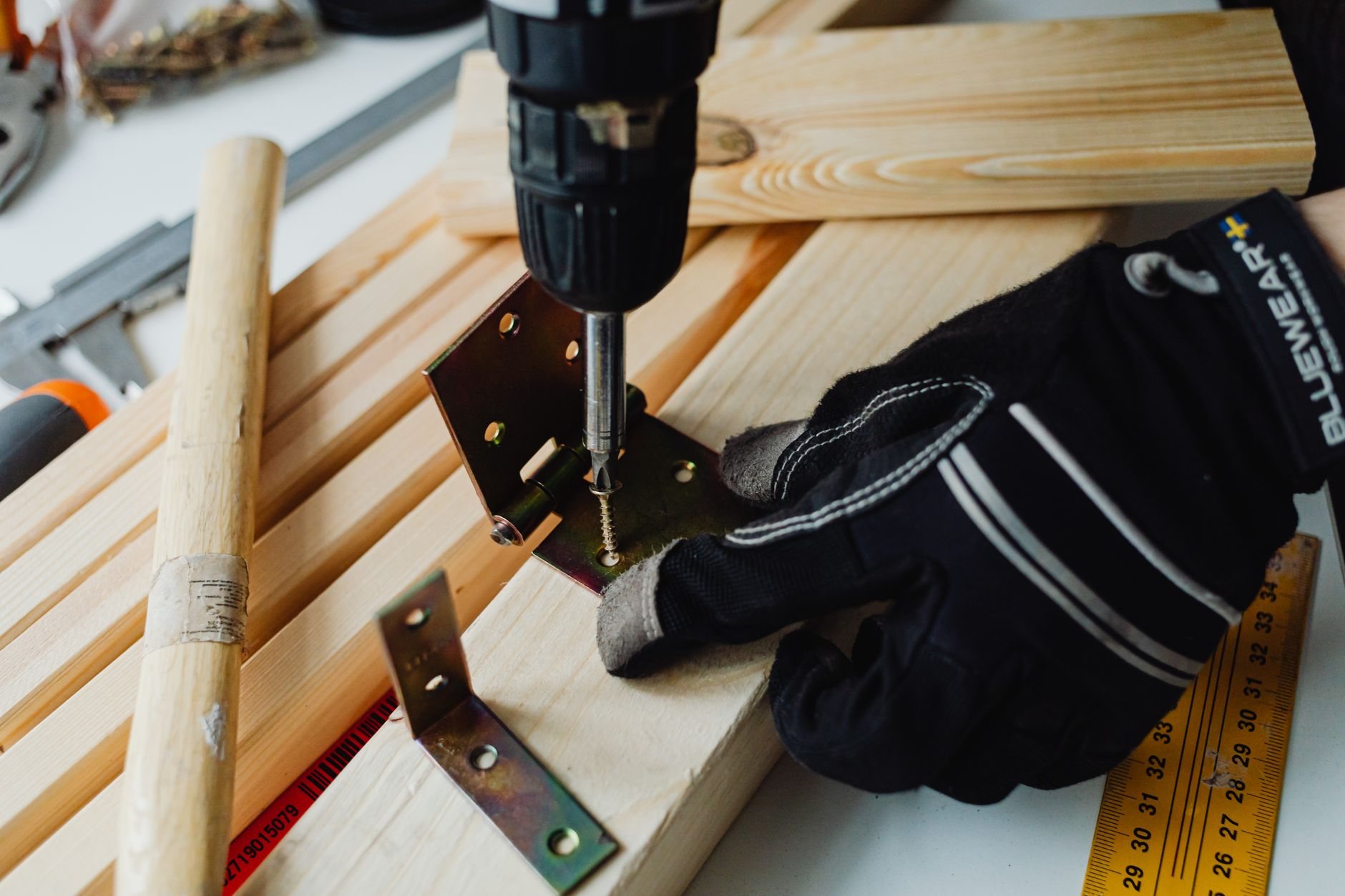
- Consistent reveal. Boards go on with a milled spacer, not by eye, so the gap matches from the first board to the last and from bay to bay. Face-screwed with stainless steel fasteners — galvanized screws react with cedar tannins and streak the face black within a season.
- Stepped on grade, never racked. A vertical fence racks to follow a slope. A horizontal fence can’t; the boards stay level, so each bay steps down the hill. On bench lots we lay the steps out on paper first so they land evenly.
One finish detail matters more here than on other fences: horizontal boards hold water and snow on their top edges, so cedar wants a stain or sealer in the first season and a touch-up every two to three years. Left bare, it silvers unevenly where sprinklers hit.
Posts can be pressure-treated wood sleeved in cedar, or steel set in concrete and faced with wood, which sidesteps rot at grade entirely. Either way the fence is built under the same license as the rest of our fence installation and repair work and our site, structure & envelope services, verifiable at dopl.utah.gov.
What does a horizontal slat fence cost in Utah County?
As ballpark planning numbers, not quotes: a six-foot horizontal cedar slat fence along the Wasatch Front typically runs about $45–$80 per linear foot installed; composite runs roughly $70–$120. That sits well above a standard vertical privacy fence, because tighter post spacing, mid-bay stiffeners, higher-grade boards, and stainless fasteners add up.
What moves the number: the gap you choose (a tighter reveal means more boards per foot), clear cedar versus tight-knot, steel posts versus wood, framing the slats between posts for a two-sided finish, the number of steps on a sloped run, and gates. A matching horizontal slat pedestrian gate needs a welded or diagonally braced frame to keep its own boards from sagging, and prices separately. Cut-and-fill lots often add a retaining wall to hold the grade. You’ll get a budget range after a site walk and a firm estimate once material, spacing, and layout are settled.
Questions we actually get
Will the boards on a horizontal fence sag over time?
Not if the framing is right. Sag comes from long unsupported spans and undersized boards. We keep posts at six feet or closer, add a vertical stiffener mid-bay so each board rests on three points, and set every board crown-up. Composite needs closer support than cedar, so we follow the manufacturer’s span tables rather than a one-size post layout.
Can a horizontal slat fence follow my sloped yard?
Yes, by stepping. Horizontal boards have to stay level, so the fence drops in even steps from bay to bay rather than leaning down the hill the way a vertical fence can. We measure the total fall and divide it so the steps are uniform. On steep bench lots the gap under each step gets a kickboard or is graded out.
Which side of the fence sees the posts?
With slats fastened to the face of the posts, you see finished boards and the neighbor sees posts and nailers. If the line is shared or the back faces a street, we can frame the slats between the posts so both sides look finished. It costs more in labor and a little in material, and it’s worth settling before anything is cut.
How does a horizontal slat fence hold up in Utah wind?
A tight-gap horizontal fence is nearly a solid panel, so it catches wind like any privacy fence. On exposed lots in north Salt Lake County and along the benches we tighten post spacing, deepen embedment, and size footings for the load. Opening the reveal to three-quarters of an inch or more lets wind through and takes real pressure off the posts.
Tell us what you’re working on
Send the rough footage, the reveal you’re picturing, and a photo of the line. We reply within a couple of hours during business hours — a day at most.