
Pool-Code Safety Fences in Utah County
A pool safety fence is a barrier built to the pool-code checklist — 48 inches minimum, no opening a 4-inch sphere can pass, and a gate that closes and latches on its own — so a toddler can’t reach the water unsupervised. Grandview installs mesh, aluminum, and glass pool barriers across Utah County and Salt Lake County under a B100 general contractor license, built to pass inspection the first time.
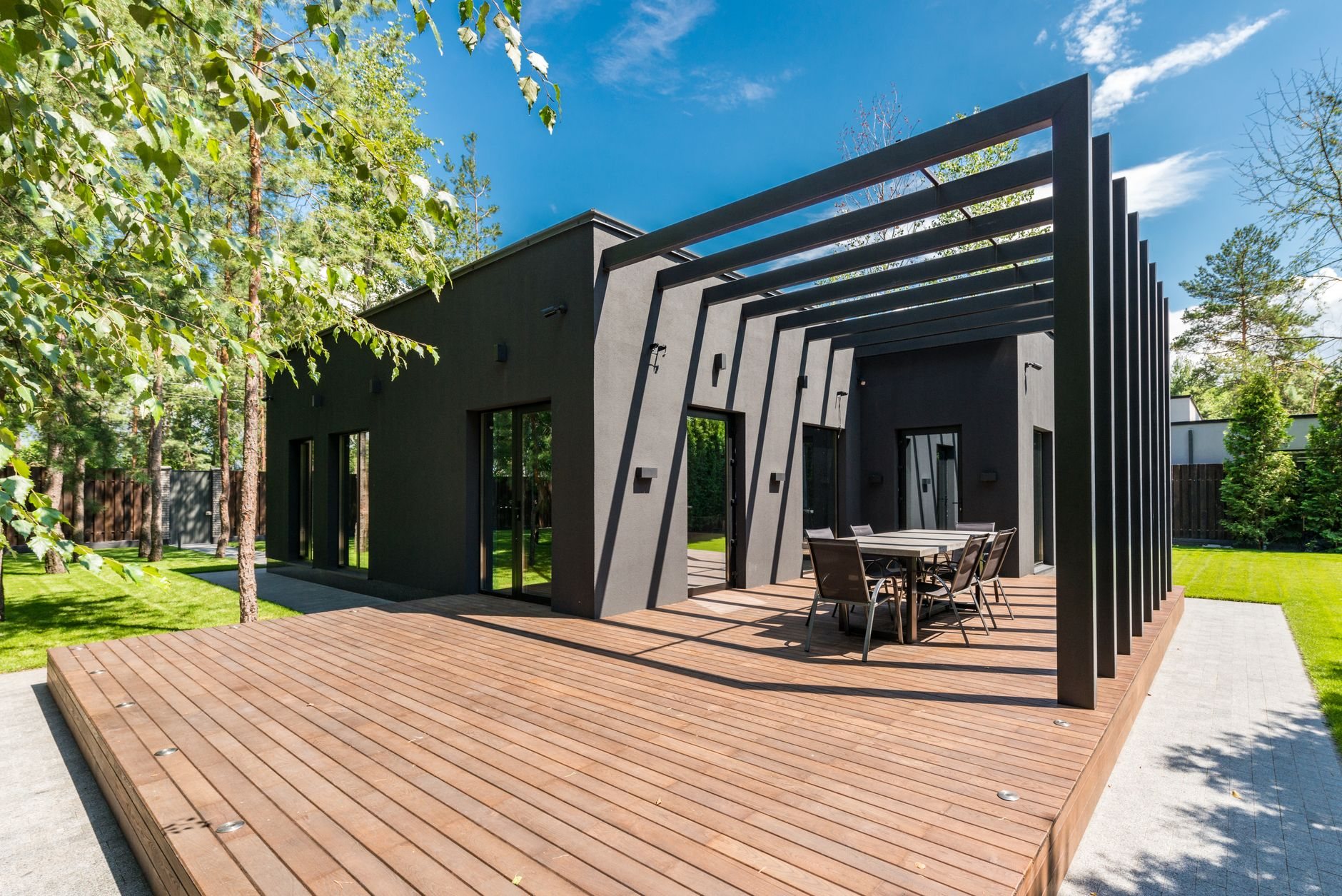
When you need a pool safety fence, not just a fence near a pool
Any pool deeper than about two feet needs a compliant barrier before the city signs off, and the yard fence rarely qualifies by itself. A six-foot privacy fence usually works as the outer barrier; the failures are the gap under it, a gate that doesn’t self-close, and the back door opening straight onto the deck. This page is for new-pool owners facing inspection, parents of small children, and landlords or HOAs who inherited a fence nobody has measured.
If you want the barrier to disappear visually, the aluminum ornamental fence is the permanent version and the glass fence the view-lot version — both can be ordered to the pool checklist, as can a vinyl picket fence with the right spacing. The fencing overview covers the lineup; this page covers the barrier rules and the removable mesh system most Utah families choose as the inner layer.
What the barrier has to do
Utah’s pool barrier rules follow the model swimming pool and spa code published by the International Code Council, as adopted and amended by the state and your city. The current Utah-adopted version carries this checklist:
- Height. At least 48 inches on the side facing away from the pool, with no more than 2 inches of clearance at grade.
- Openings. Nothing a 4-inch sphere can pass — picket spacing, the gap at a post, the gap where fence meets house. Chain-link mesh must be 1¾-inch or smaller, or slatted.
- Climbability. Horizontal rails less than 45 inches apart have to sit on the pool side. Planters and the equipment pad count as footholds.
- Gates. Open outward, away from the water, self-close from any position, and self-latch, with the release at least 54 inches above grade or shielded on the pool side.
- The house as a barrier. Where a wall of the home forms part of the enclosure, every door onto the pool needs an alarm or a self-closing, self-latching device.
Cities differ in the details — latch heights, door alarms, whether an inner fence is required — so we confirm the current checklist with your building department before ordering. In HOA-dense developments like Saratoga Springs and Eagle Mountain, the HOA fence standard and the city barrier standard can disagree; we reconcile both before the submittal.
Mesh, aluminum, or glass: picking the pool barrier
Removable mesh pool fence. Tight polyester mesh on aluminum poles, 4 or 5 feet tall, in sections of roughly 10 to 12 feet with poles every 3 feet. Each pole drops into a sleeve core-drilled into the pool deck, so the run lifts out for a party and goes back in for the week. One Utah caveat: budget mesh and vinyl latch housings go brittle under our elevation UV, so we spec UV-stabilized mesh and marine-grade hardware — and set sleeves only after the pool deck concrete has cured, never into green concrete.
Aluminum picket pool fence. Permanent and powder-coated, ordered with 3⅝-inch picket spacing and a flat top — no spear points to catch a climbing child. Posts go below frost depth, 30 inches or more along the Wasatch Front, because a heaved post opens a bottom gap that fails inspection by spring.
Glass pool fence. Tempered panels on spigots or in channel, 48-inch top edge, nothing horizontal to climb. Highest cost, zero view loss.
How we install a pool safety fence
- Measure what you have. We walk the existing fence with a 4-inch sphere and a tape and mark every gap, low rail, and gate that fails. Often the fix is a bottom rail, a gate closer, and one inner mesh run — not a new perimeter.
- Posts or sleeves. Mesh poles get core-drilled sleeves at 3-foot centers, held at least 20 inches off the pool edge. Permanent posts go below frost depth in concrete, belled at the base in the expansive clay common on valley-floor lots.
- Panels and gates. Mesh is tensioned section by section; picket or glass panels are checked for the 2-inch bottom gap. Gates go where the path from the house actually runs, with a spring hinge and a magnetic self-latch at 54 inches, swinging away from the pool.
- Doors and inspection. Door alarms or closers go in where the house wall is part of the enclosure. We walk the barrier ourselves, then meet the inspector.
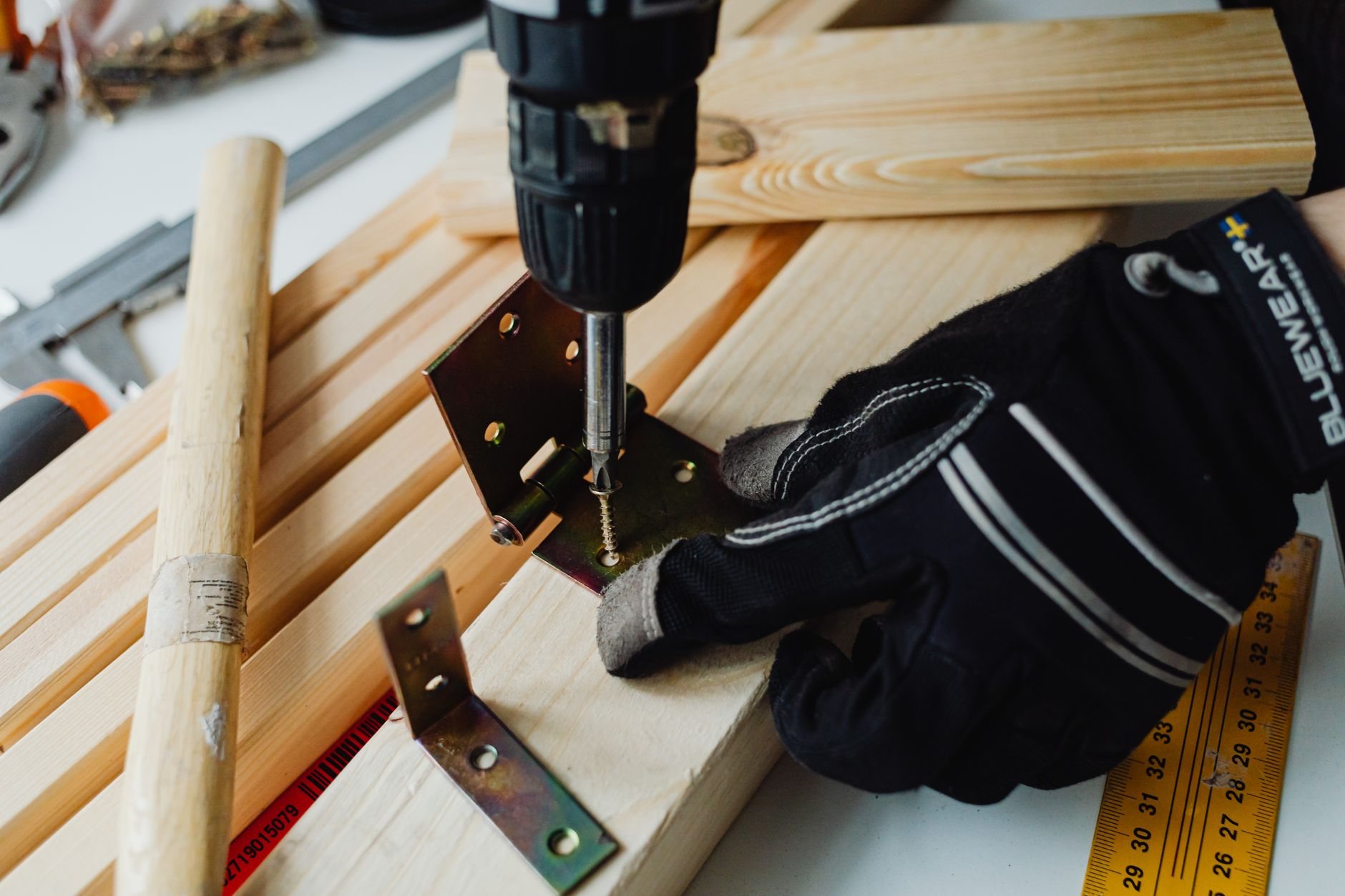
Gate hardware is where most pool barriers fail, so the pedestrian gate page goes deeper on closers and latches. If the pool is still on paper, in-ground pool construction shows how barrier, deck, and equipment pad get sequenced within our site, structure & envelope work.
What does a pool safety fence cost in Utah?
As ballpark planning numbers — not quotes — installed removable mesh pool fence along the Wasatch Front typically runs about $20–$40 per linear foot, plus a few hundred dollars for a self-closing mesh gate. Aluminum picket lands around $45–$75 per foot and glass well above that. A typical backyard pool needs 60 to 120 feet of inner barrier.
What moves the number: footage and gate count, 5-foot versus 4-foot height, core-drilling through rebar-heavy decks, door alarms on the house, and how much of the existing yard fence has to be corrected — often the larger line item. Budget range after the site walk; firm estimate once the city checklist and material are settled.
Questions we actually get
Does my existing six-foot privacy fence count as a pool barrier?
Usually as the outer barrier, yes — if the bottom gap is under 2 inches, the rails are on the inside, and every gate self-closes and self-latches away from the pool. House doors opening onto the pool are the usual failure point, which is where the inner mesh fence comes in.
Is a removable mesh pool fence really code-compliant?
Installed to the manufacturer’s spec in sound concrete, yes — mesh pool fences are designed to the same 48-inch and 4-inch-sphere rules as permanent barriers. The gate must be a self-closing, self-latching unit, not a mesh section you unpin. A few cities treat removable fences as supplemental only, so we confirm first.
Do I need a permit for a pool safety fence?
Under a new pool project, the barrier is inspected with the pool permit. Adding one to an existing pool often needs no separate permit, but it still has to meet current Utah-adopted code and some cities inspect it anyway. We verify with your building department and handle the HOA submittal at the same time.
What about a hot tub or above-ground pool?
A hot tub with a locking, ASTM-rated safety cover generally satisfies the barrier rule without a fence. An above-ground pool needs the same 48-inch barrier; its wall can count if the ladder is removable or lockable and the deck isn’t climbable from the yard. Both are city-specific calls.
Tell us what you’re working on
Send a photo of the pool and the existing fence and tell us which city you’re in. We reply within a couple of hours during business hours — a day at most — with a straight read on what passes, what doesn’t, and what it costs. License verifiable at dopl.utah.gov.