
Wrought iron & steel fence installation in Utah
A wrought iron fence today is a welded steel fence: tubular pickets, channel rails, and heavy posts fabricated to your drawing, finished against rust, and set below frost depth. Grandview fabricates and installs them for homes, estates, and commercial frontages across Utah County and Salt Lake County under a B100 general contractor license.
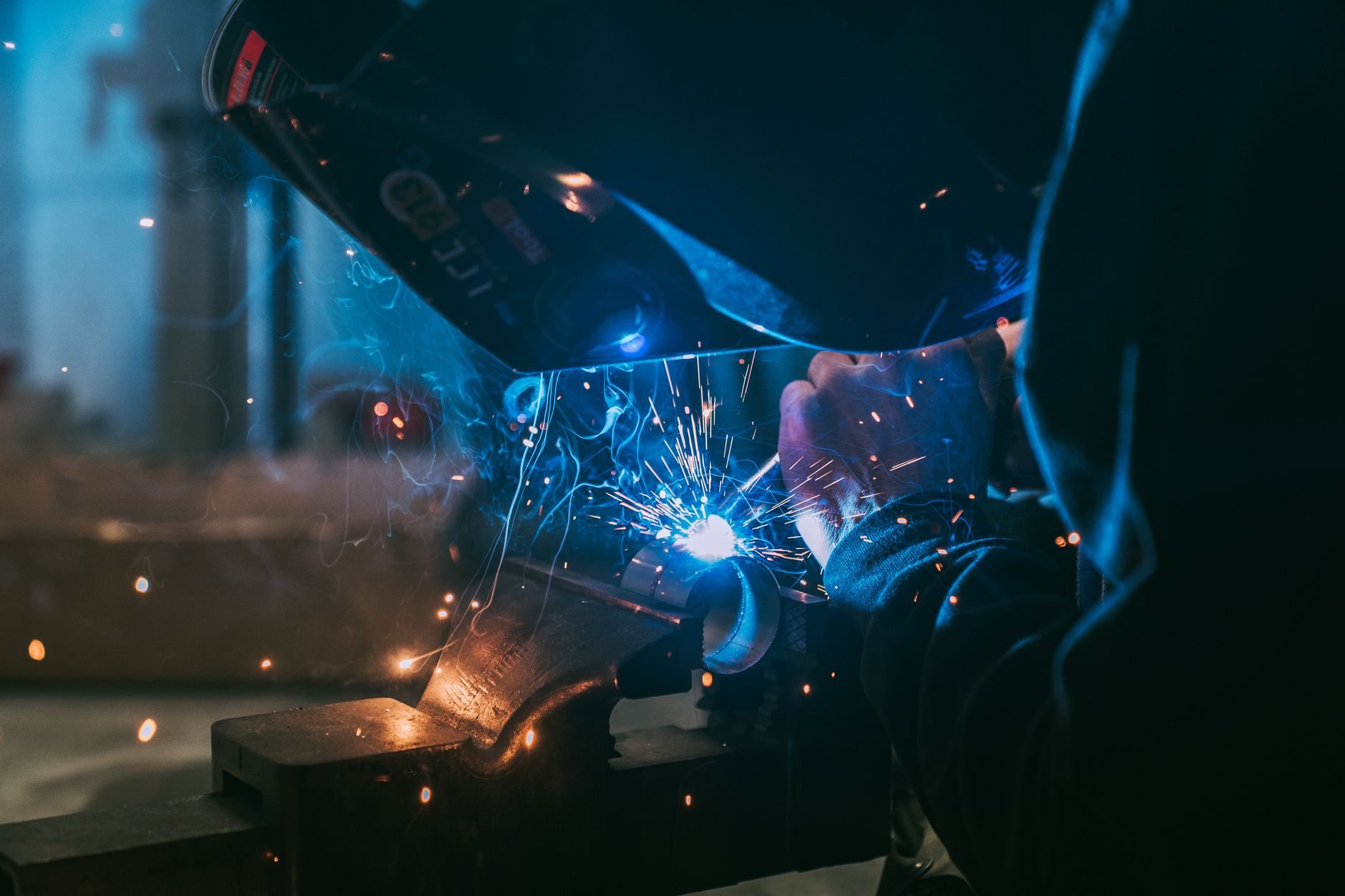
When steel is the right fence, and when it isn’t
Nobody has rolled true wrought iron commercially in decades. What the market calls a wrought iron fence is mild steel, cut and welded into panels, and that’s what we build. First decide if you need steel at all: the aluminum ornamental fence gives the same picket silhouette for less money and with no rust to manage.
Steel earns its place when the fence has to do something aluminum can’t. Custom design is the first reason: arched tops, scrollwork, finials, or a profile that matches a 1910 Provo bungalow or a Capitol Hill brick home. Rigidity is the second: long runs, posts that also carry heavy driveway gates or pedestrian gates, and panels mounted between masonry columns all want steel’s stiffness. Repairability is the third: a bent steel panel gets heated, straightened, and rewelded in place.
If the goal is deterrence, with taller pickets, anti-climb tops, and heavier framework, that’s a steel security fence, and we’ll point you there instead.
What goes into a welded steel fence
A typical residential panel uses 3/4- or 1-inch square tubular pickets at 16 gauge, welded to 1-1/2-inch channel rails, hung on 2- to 3-inch square posts. Estate and commercial work steps up to 14 gauge or solid bar pickets and 4-inch posts; gate posts go heavier still. Picket spacing is a design choice until it isn’t: a fence enclosing a pool must block a 4-inch sphere under the barrier rules most Utah cities enforce, so verify with your city’s building department before the first panel is cut.
Finish is where steel fences live or die. Our default spec is hot-dip galvanizing followed by powder coat, which puts a zinc layer under the color so a chip doesn’t become a rust streak; the American Galvanizers Association’s reference on hot-dip galvanizing explains why zinc keeps protecting even where the coating is scratched through. Shop primer and field paint costs less up front and asks for recoating on a schedule, and on east-bench lots the elevation and UV intensity chalk a cheap paint in a few summers.
Every tube gets a weep hole so water can’t collect inside, freeze, and split it; the Wasatch Front sees roughly a hundred freeze-thaw days a year and will find any sealed cavity. And every weld gets ground and coated, because picket-to-rail joints are where rust starts when a shop skips that step.
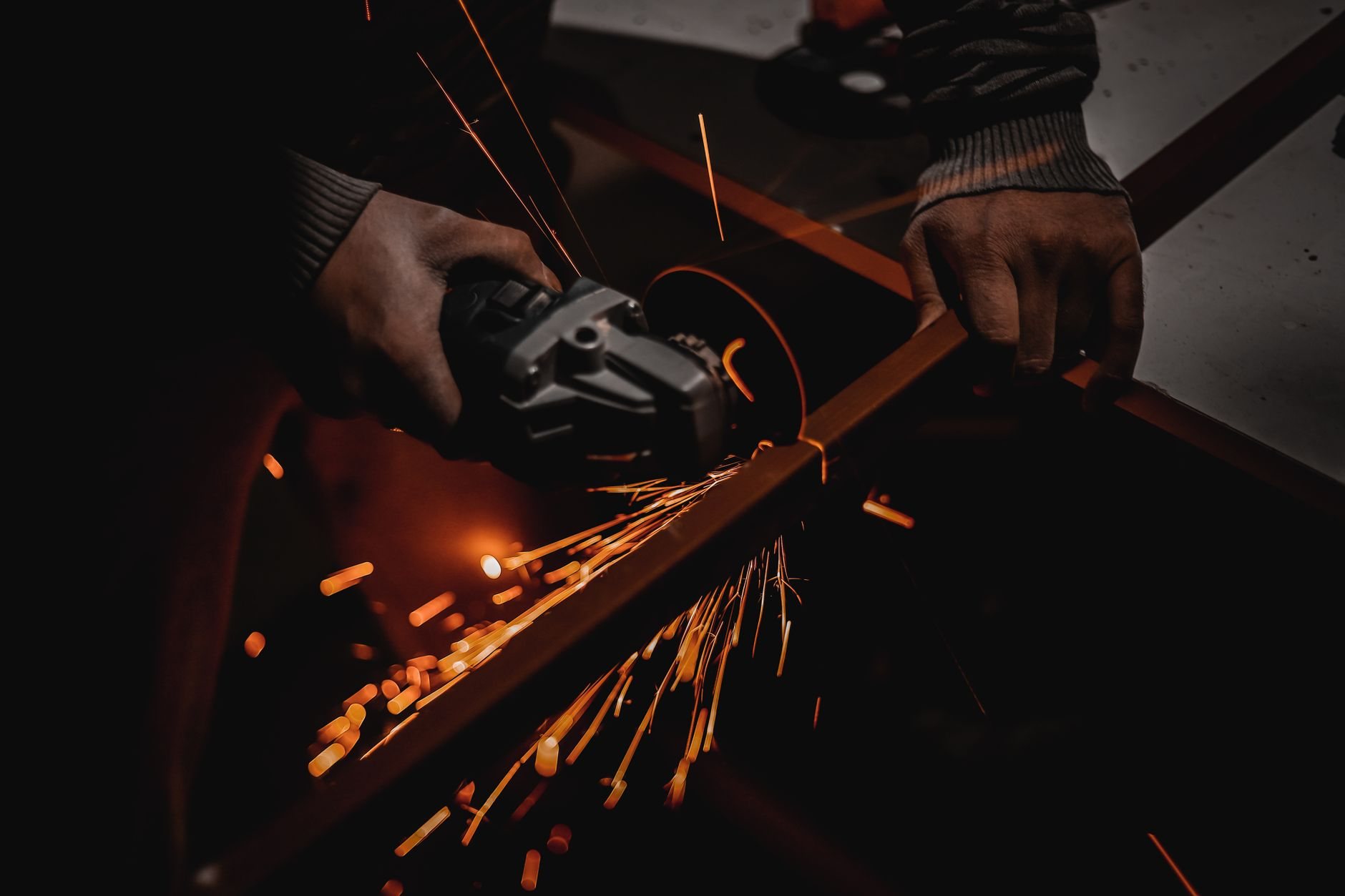
How we build and set it
- Measure the line, not the plat. We shoot grade along the run and decide, panel by panel, whether to rack the pickets to follow the slope or step the panels. Racked panels suit a Draper or Alpine bench lot; stepped panels look right against a level masonry wall.
- Shop drawings and approvals. You get a drawing with picket spacing, rail positions, post sizes, finial selections, and the finish spec. In HOA-governed neighborhoods that drawing is also your design-committee submittal.
- Fabricate the panels. Pickets and rails are cut, jigged, welded, ground, and sent to galvanizing and powder coat as complete panels, so the finish is continuous. Panels run 6 to 8 feet between posts.
- Set the posts. Line posts go in concrete below frost depth, 30 inches or more along the Wasatch Front, with footings sized for expansive clay where soils call for it. On an existing wall, posts are core-drilled and grouted, or welded to embedded plates.
- Hang, align, touch up. Panels are welded or bracket-mounted to the posts, gates are hung and latched, and every field weld gets zinc-rich primer and color-matched touch-up before we walk the line with you.
Open-picket steel has one quiet advantage on windy ground: canyon gusts pass through it, so a picket fence in Centerville or Farmington carries a fraction of the wind load a solid panel would.
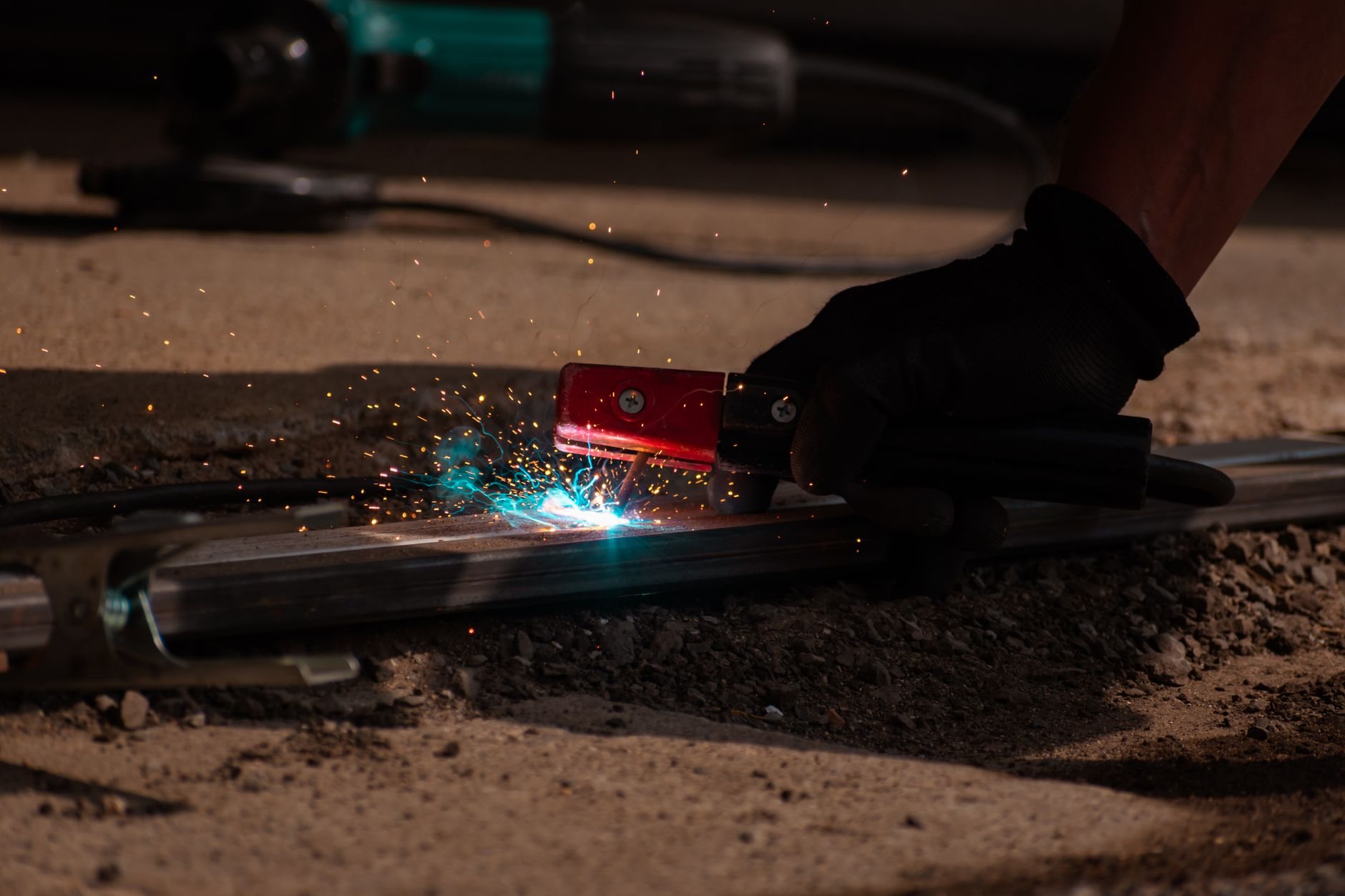
What does a wrought iron fence cost in Utah?
As ballpark planning numbers, not quotes, a standard-profile welded steel picket fence installed along the Wasatch Front runs roughly $60 to $120 per linear foot, galvanized and powder-coated. Custom scrollwork, solid bar pickets, cast finials, arched panels, and mounting between masonry columns push it well past that; gates and operators price separately.
What moves the number most is fabrication time, not footage. Plain pickets on straight rails are fast; every scroll, ring, or arch is hand work. Heavier gauge, taller height, and the galvanize-plus-powder finish add cost and subtract maintenance. Racked panels, core drilling, rock in the post holes, and removal of an old fence add labor. You’ll get a budget range after a site walk and a firm estimate once the drawing is approved.
Questions we actually get
Will a steel fence rust in Utah?
Bare steel will; properly finished steel shouldn’t for a long time. Hot-dip galvanizing plus powder coat is the spec we recommend. The usual trouble spots are unsealed welds, sprinkler heads aimed at the bottom rail, and tubes without weep holes, and we address all three in fabrication.
Can you match an existing iron fence or an older house?
Usually, yes. We measure the existing picket size, spacing, rail profile, and finial pattern and fabricate to match, or draw a new design in the same language for an older Provo or Salt Lake home. Exact cast ornaments from a century ago can’t always be sourced, so we show you the closest available before anything is ordered.
Can the fence mount to my existing block wall or concrete?
Yes, if the wall is sound. Posts can be core-drilled into a concrete cap and grouted, or anchored with base plates into solid masonry; hollow block needs grouted cells or through-bolting. We check the wall first, because mounting a steel fence to a heaving wall just moves the problem up a few feet.
How long does a custom steel fence take?
Longer than a stock fence, because fabrication, galvanizing, and powder coat happen before installation. Plan on several weeks from approved drawing to install, longer for heavy custom work or when an HOA committee is in the loop. Installation itself is a few days once the post concrete has cured.
Welded steel fencing is one part of our fence installation and repair work within site, structure and envelope, all under one license verifiable at dopl.utah.gov. One-off gates, railings, and ornamental pieces live under custom steel gates and fences.
Tell us what you’re working on
Send the rough footage, a photo of the line or wall it mounts to, and any picket style you like. We reply within a couple of hours during business hours, a day at most, with a straight read on design, finish, and budget.