
Repair, restoration & property services in Utah
When a building is damaged, aging, or sitting empty between tenants, you need one licensed general contractor who can stabilize it, rebuild it, and hand it back with documentation. Grandview covers the full arc — emergency board-up, fire and water reconstruction, storm repair, unit turns, maintenance, and the everyday fixes in between.
Owners with a problem, managers with a portfolio
Half the calls in this category start with a bad morning: a supply line burst in a vacant unit over a January weekend, a kitchen fire, a monsoon cloudburst that put two inches of water through a window well. The other half are routine by design — property managers who need unit turns on a schedule, a maintenance program with a paper trail, or a reliable crew for the repair list that never quite reaches zero.
Either way, the habits are the same. As a B100 restoration contractor in Utah (DOPL #14282236-5501 — verifiable through the Utah Division of Professional Licensing), we scope in writing, photograph before and after, and keep the documentation an owner, adjuster, or out-of-state investor actually needs. Insurance work in particular lives or dies on the paperwork, and we treat it that way.
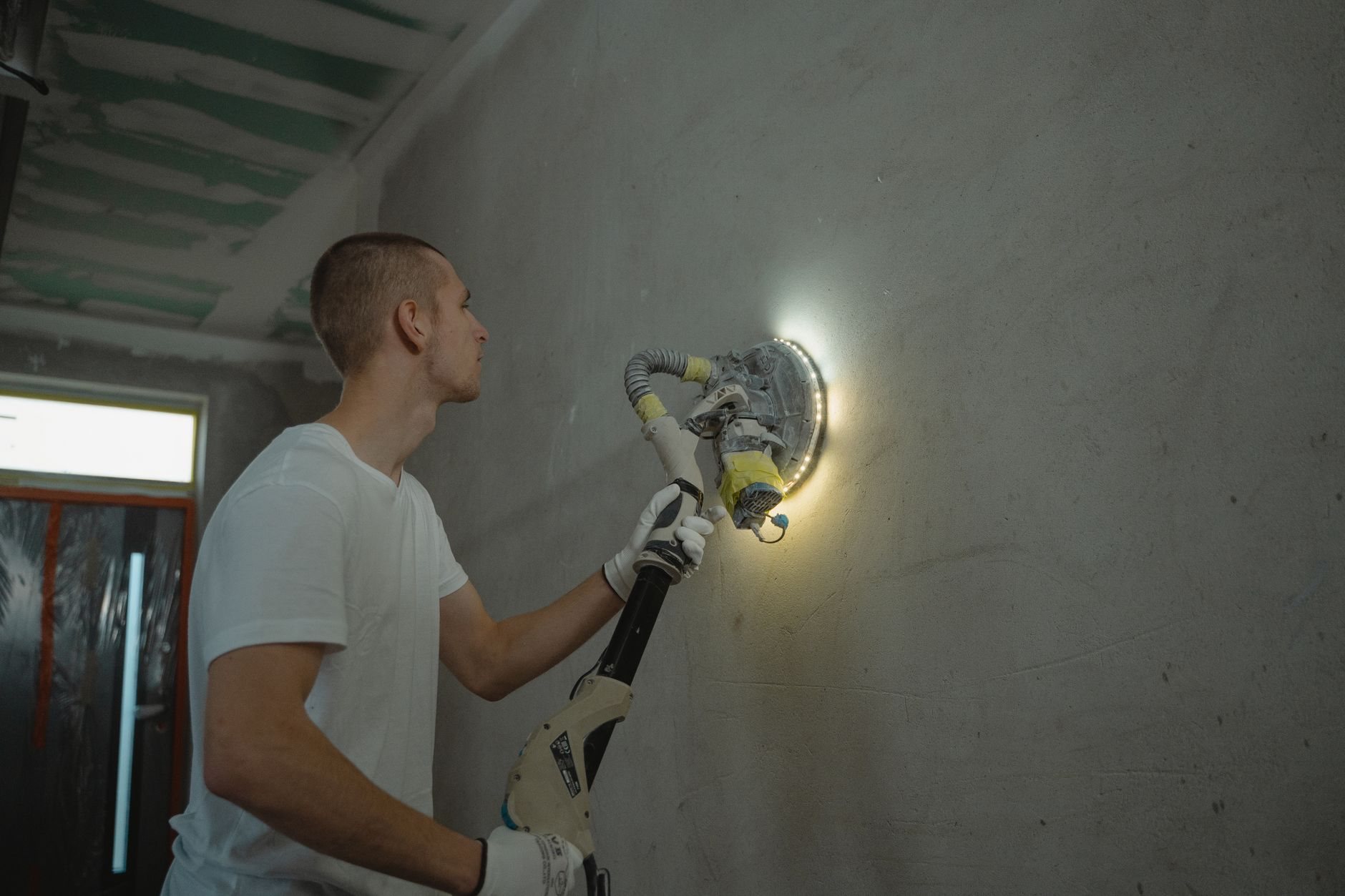
Seven ways we keep buildings whole
Fire Damage Reconstruction
Full rebuild after fire and smoke loss — from structural framing to final paint, coordinated with your adjuster.
ExploreWater Damage Restoration
Reconstruction after floods, pipe bursts, and sewer backups — drywall, flooring, cabinetry, and trim put back right.
ExploreEmergency Stabilization & Board-Up
Board-up, shoring, temporary roofing, and site security to stop a bad situation from getting worse.
ExploreStorm Damage Repair
Roofing, siding, fencing, and exterior repairs after canyon-wind events, hail, and monsoon flooding.
ExploreUnit Turn Programs
Scheduled make-ready work for multifamily and rental portfolios — scoped, priced, and turned on a calendar you can plan around.
ExploreProperty Maintenance
Recurring maintenance programs with documented visits, so small problems get caught while they’re still small.
ExploreHandyman Services
The repair list — drywall, doors, trim, fixtures, and the odd jobs that need a licensed, insured crew instead of a guess.
ExploreWhat happens after the mitigation company leaves?
Reconstruction is where we do some of our most active work, so it’s worth being precise about how the process actually runs. After a fire or water loss, a mitigation company usually arrives first: they extract water, set drying equipment, demo wet drywall and flooring, and clean smoke residue. That’s their scope, and it’s a real one. But when the fans come out, you’re left with a building stripped to studs and subfloor — and mitigation companies don’t rebuild.
Rebuilding is general contractor work. It means framing repairs, insulation, drywall, flooring, cabinets, trim, paint, and coordinating the licensed electricians, plumbers, and HVAC technicians whose systems were damaged — Grandview holds the contract and manages those trades, sequencing and quality-checking their work within your rebuild. It also means permits and inspections where the damage touches structure or systems, which is more often than owners expect.
On insurance losses, we work from the adjuster’s scope and speak the same line-item language they do. When demo reveals damage the initial scope missed — it usually does — we document it with photos and measurements and submit a supplement rather than eating the gap or burying it in change orders. You see the same paperwork your adjuster sees.
- Stabilize. Board-up, shoring, weatherproofing — whatever stops further loss while the claim gets moving.
- Scope and document. We walk the property, photograph everything, and build a written rebuild scope room by room.
- Align with the adjuster. We reconcile our scope against the carrier’s estimate before work starts, so the budget is real.
- Rebuild. Permits pulled, trades sequenced, hidden-damage supplements documented as they surface.
- Close out. Final inspection, punch list, and a documentation package for your records and your carrier’s.
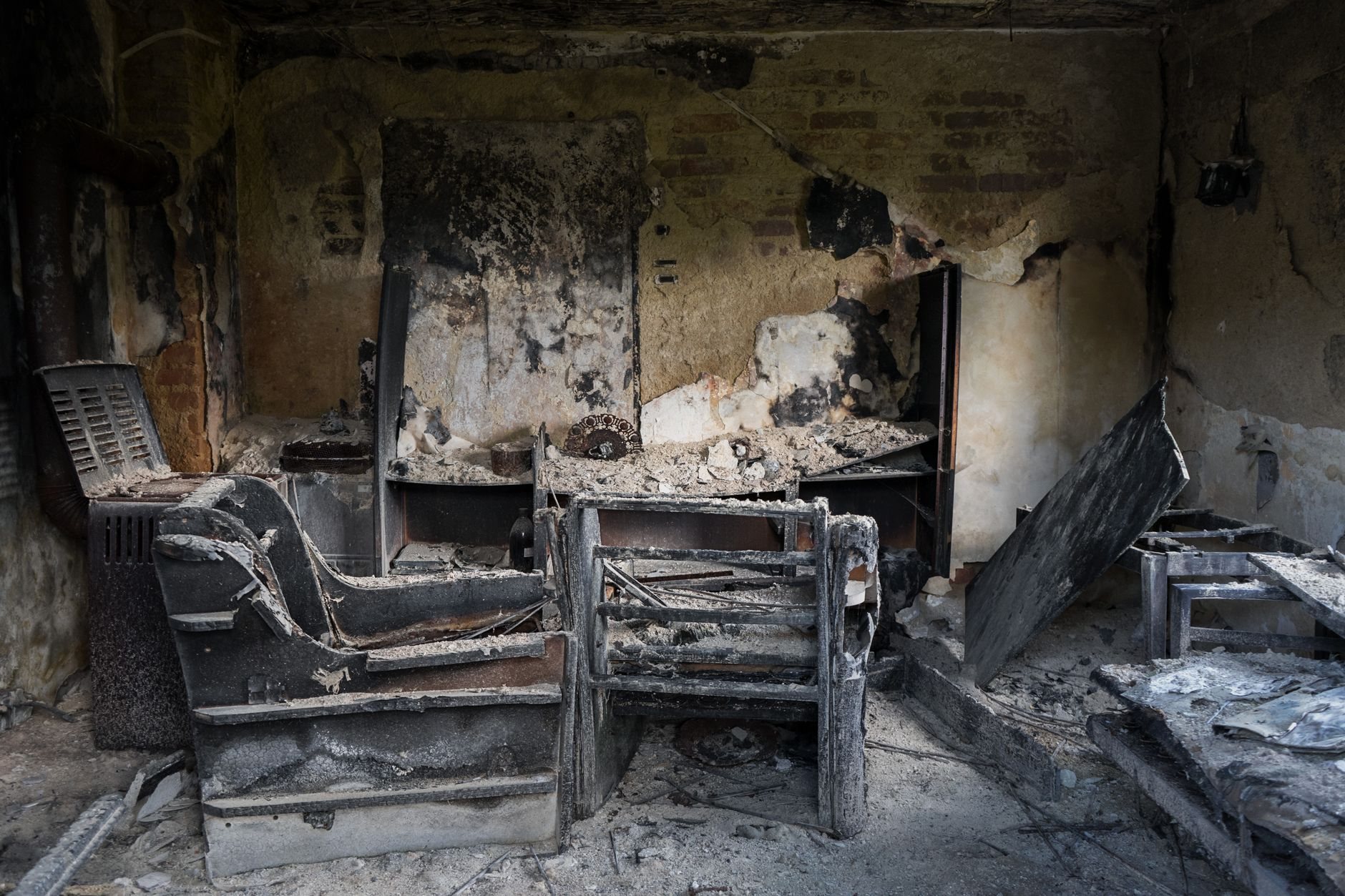
Utah is hard on buildings in specific ways
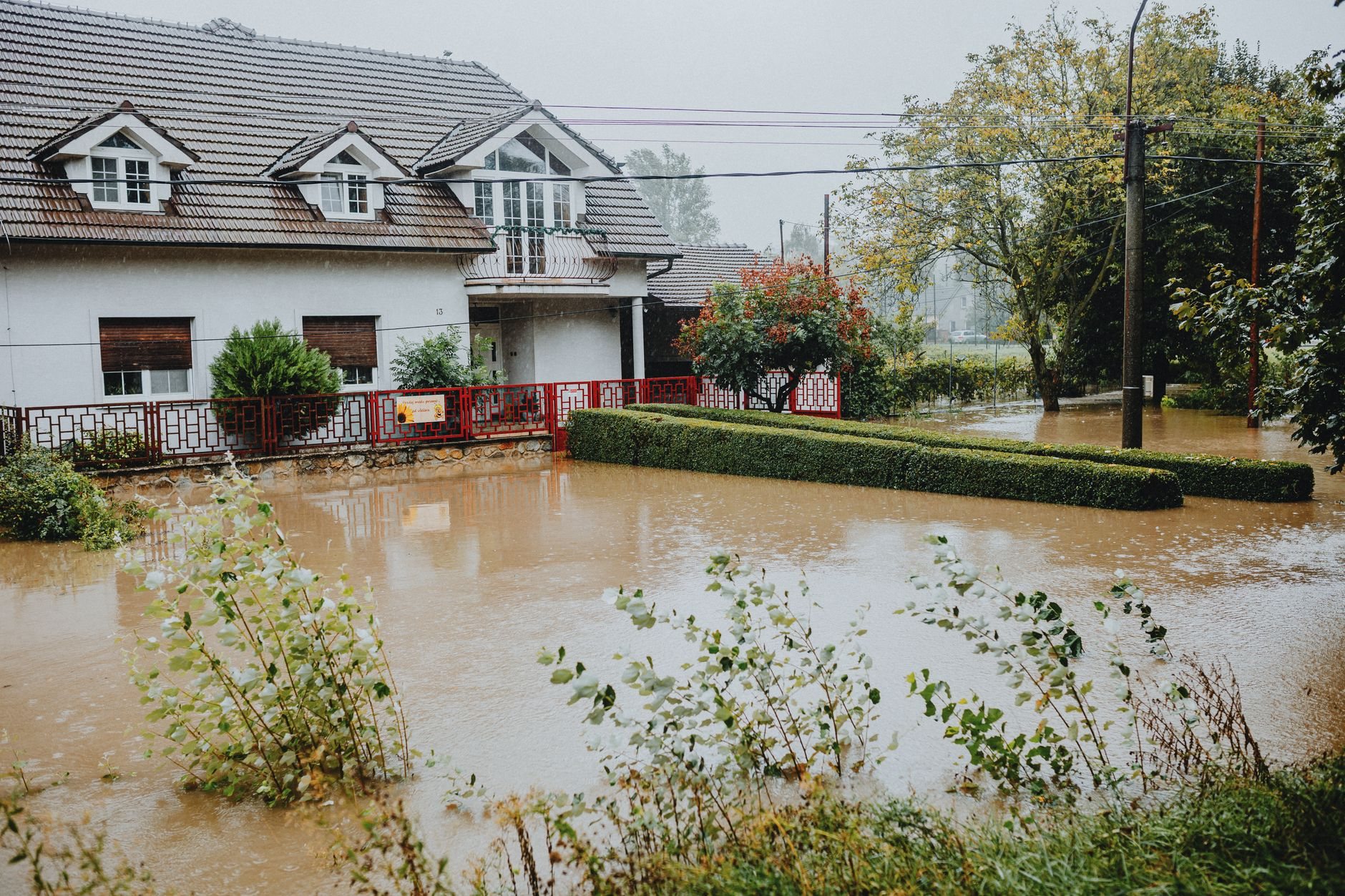
The losses we rebuild follow the local weather. Summer monsoon season sends cloudbursts that drop an hour of rain in ten minutes — grading, window wells, and undersized downspouts lose that fight, and finished basements pay for it — even in neighborhoods outside mapped flood zones, which is why FEMA notes that standard homeowners policies don’t cover flood damage. Canyon-wind events peel shingles and siding off buildings that have handled ordinary storms for decades; fastening schedules that were fine at sea level are marginal here. And every January brings a run of freeze-related pipe bursts, disproportionately in vacant units and unheated garages where nobody notices for days.
That pattern shapes how we rebuild. We don’t just replace what failed — we look at why it failed. A basement that flooded once will flood again unless the drainage that put water there changes. If the fix crosses into grading, foundation, or roofing scope, our site, structure & envelope team handles it on the same contract. And when a rebuild is a chance to improve the space rather than photocopy it — better layout, better finishes — that’s a conversation with our renovation team, often for a modest step up from the insurance scope.
Questions we actually get
How does the insurance process work with a contractor?
You file the claim; the carrier assigns an adjuster who writes a scope and estimate. We review that scope against what we find on site, reconcile differences before work starts, and document supplements when demo reveals hidden damage. You approve everything. We work for you, not the carrier — but we speak the adjuster’s language, which keeps claims moving.
What’s the difference between mitigation and reconstruction?
Mitigation stops the loss: water extraction, drying, demo of wet materials, smoke cleaning. Reconstruction rebuilds what mitigation removed — framing, drywall, flooring, cabinets, finishes, and repairs to damaged systems. They’re separate scopes, usually separate companies. Grandview does the reconstruction side and can coordinate directly with your mitigation company so nothing stalls in the handoff.
How long does a fire or water rebuild take?
A single-room water loss might rebuild in two to four weeks once the structure is dry and the scope is approved. A significant fire rebuild runs months — structural repairs, permits, inspections, and material lead times all add up. The biggest schedule variable is usually claim approval, not construction, which is why we push scope alignment early.
Can you work in occupied units and buildings?
Yes — most of our unit-turn and repair work happens in occupied buildings. We schedule around tenants with proper notice, contain dust, keep work areas locked down at day’s end, and give managers the documentation they need for tenant communication. For rebuilds where the unit is uninhabitable, we help sequence work so displacement is as short as possible.
Tell us what you’re working on
Active loss or maintenance list, we reply within a couple of hours during business hours — a day at most. You’ll get a straight read on scope, sequence, and budget before anyone commits to anything.