
New construction contractor in Utah County
Grandview Contractors builds ground-up projects across Utah County and the Salt Lake Valley — custom homes, ADUs, garages and shops, commercial buildings, and multifamily — under Utah DOPL B100 license #14282236-5501, verifiable at dopl.utah.gov. One team runs the whole build, from soils report to certificate of occupancy.
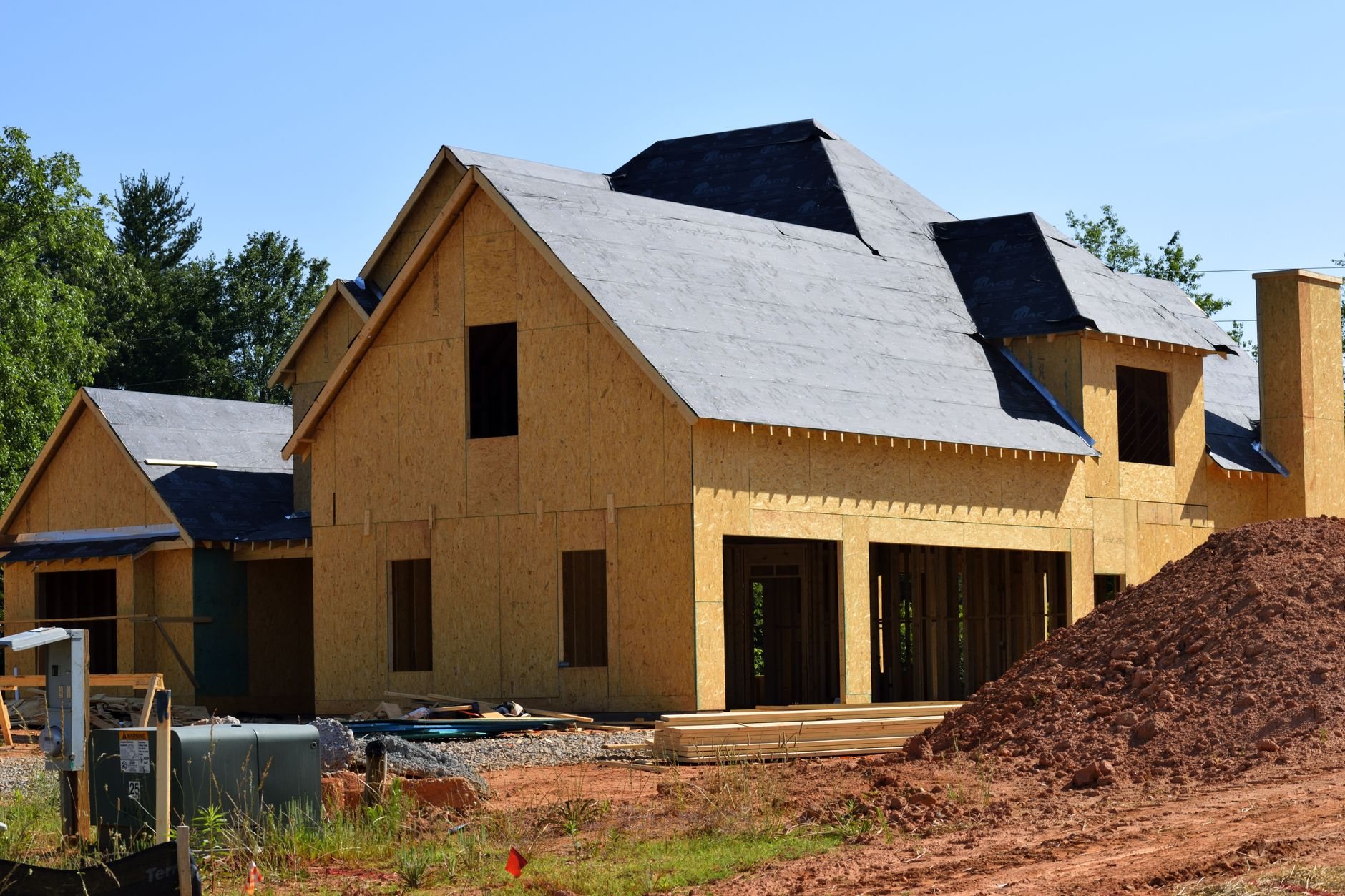
When ground-up beats renovating
Build new when the existing structure is the problem, not the finishes. If a house needs a new foundation, new framing, new roof, and new systems, you are already paying for a new building — you’re just paying extra to work around the old one. The same math applies to commercial space: past a certain point, a gut renovation costs more per square foot than starting clean, and you still inherit the old building’s ceiling heights, column grid, and quirks.
Ground-up also wins when the land is the asset. A bare lot, a teardown candidate, a backyard with room for an ADU, or a parcel zoned for more units than it currently holds — in each case, new construction is how you get full value out of the ground. And on a new build, you choose everything once, on paper, before it costs real money to change.
Renovation still makes sense when the bones are good and the layout mostly works. If you’re weighing the two, we’ll give you an honest read in the first conversation — sometimes the answer is a renovation, and we’d rather tell you that early. We are fond of straight lines and straight answers.
Five kinds of ground-up work, one accountable contractor
Custom homes
Single-family homes built to your plans or developed with your designer — from lot evaluation through final walkthrough.
ExploreADUs
Detached and attached accessory dwelling units, including the zoning, utility, and parking questions that decide feasibility.
ExploreGarages & shops
Detached garages, workshops, and outbuildings with real foundations, real electrical service, and doors sized for what you actually own.
ExploreCommercial construction
Ground-up commercial buildings — retail, office, flex, and light industrial — sequenced around lease dates and lender milestones.
ExploreMultifamily construction
Townhomes, small apartment buildings, and infill multifamily projects where repetition rewards tight planning.
ExploreHow we run a ground-up build
We run the whole build. Site work, foundations, framing, and envelope are managed directly. Electrical, plumbing, and HVAC are performed by licensed trade partners: Grandview holds the contract and manages those licensed electricians, plumbers, and mechanical contractors; we coordinate, sequence, and quality-check their work within your project. You get one schedule, one point of contact, and one company answerable for the result.
- Evaluate the ground. Utah lots are not interchangeable. Bench lots along the Wasatch often sit on collapsible or expansive soils documented by the Utah Geological Survey, so we start with a geotechnical report and design engineered footings to match what’s actually under the grass — before anyone prices a foundation.
- Design to the site. Snow loads differ between the valley floor and bench elevations, and roof structure should reflect the lot, not a generic template. We also plan radon-ready construction from the start — Utah’s geology makes sub-slab rough-ins cheap insurance compared to retrofitting later.
- Permit with eyes open. Fast-growth cities like Lehi, Saratoga Springs, and Eagle Mountain review differently than established Provo or Orem departments — different timelines, different submittal expectations, and often an HOA design review on top. We build that into the schedule instead of discovering it mid-project.
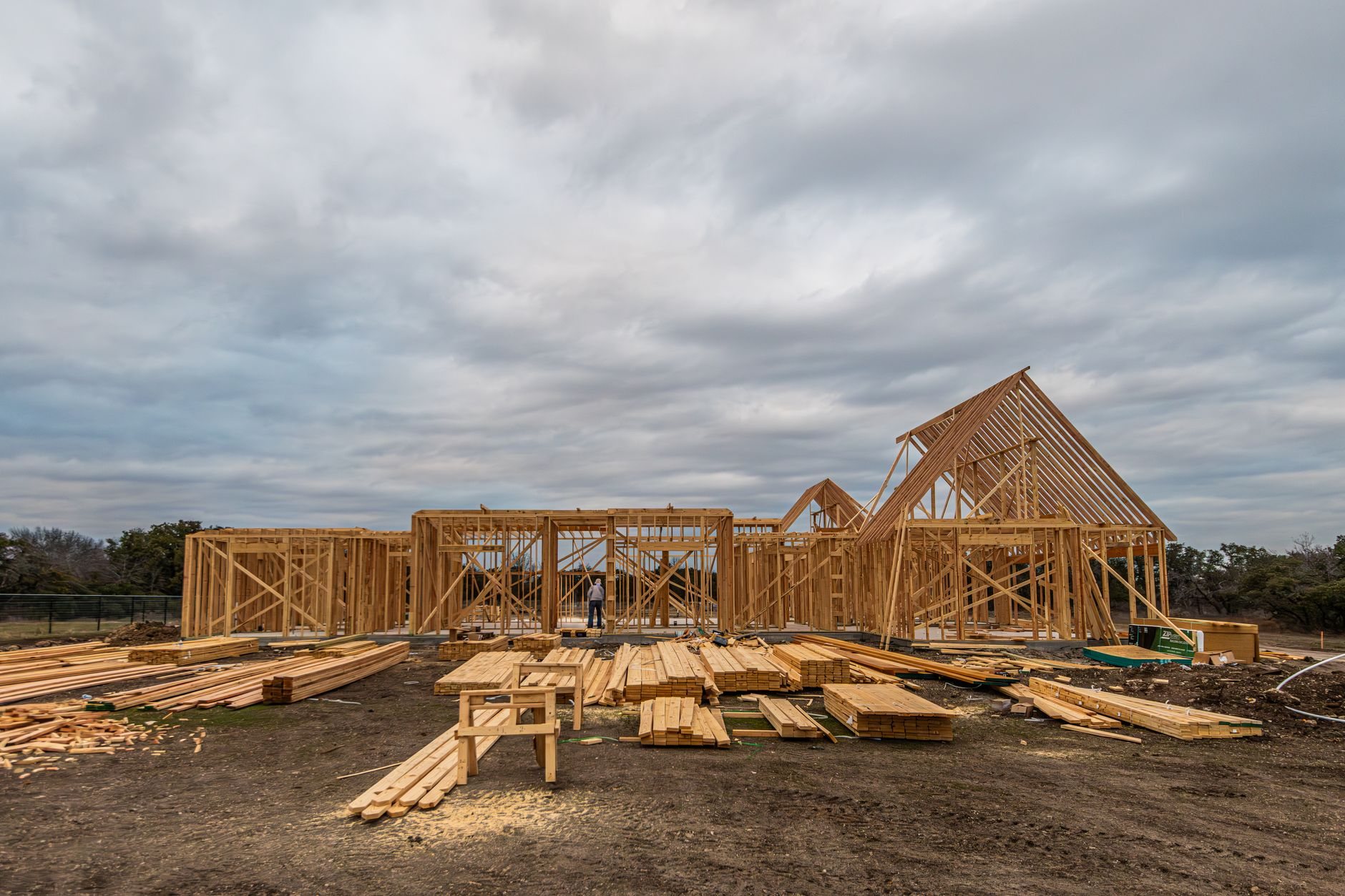
- Build in sequence. Excavation, foundation, framing, envelope, systems, finishes — each trade shows up when the work before it is actually ready, with changes documented in writing.
- Close completely. Final inspections, punch list, documentation, and a clean handoff to current Utah-adopted code.
Complicated site or want the planning phase handled formally first? Our planning and project management services cover preconstruction, estimating, and design-build, and our site, structure and envelope team handles excavation, foundations, and concrete under the same roof.
Questions we actually get
Can you build on a bench lot with questionable soils?
Yes — with a geotechnical report first. Bench lots along the Wasatch Front often have collapsible or expansive soils that demand engineered footings, deeper excavation, or over-excavation and compacted structural fill. That’s a design input, not a dealbreaker. We price the foundation from the soils report, not from hope.
What moves the cost of a new build in Utah?
The big levers are soils and foundation design, lot slope and access, building size and complexity, and finish level — roughly in that order after land. Utility connections and impact fees vary meaningfully by city. We give ballpark planning ranges early, then a real estimate once plans and the soils report exist. Numbers before plans are guesses.
How long does permitting take?
It depends heavily on the city. Fast-growth cities like Lehi, Saratoga Springs, and Eagle Mountain can run longer review queues than established departments in Provo or Orem, and HOA design approval adds a step in newer developments. Plan on weeks to a few months; we’ll give you a city-specific read when we know your lot, and you can verify requirements with that city’s building department.
Do you do the electrical and plumbing yourselves?
No, and we’ll say so plainly. Grandview holds the contract and manages licensed electricians, plumbers, and HVAC contractors; we coordinate, sequence, and quality-check their work within your project. Either way, one company is accountable to you.
Tell us what you want to build
We reply within a couple of hours during business hours — a day at most. You’ll get a straight read on your lot, your scope, and a realistic budget range before anyone commits to anything.