
A home remodeling & repair contractor for Utah County
Grandview Contractors handles remodels, additions, basement finishes, repairs, and exterior work for homeowners from Payson to North Salt Lake, on a Utah DOPL B100 license. One accountable contact, a written scope, and a house that stays livable while we work in it.
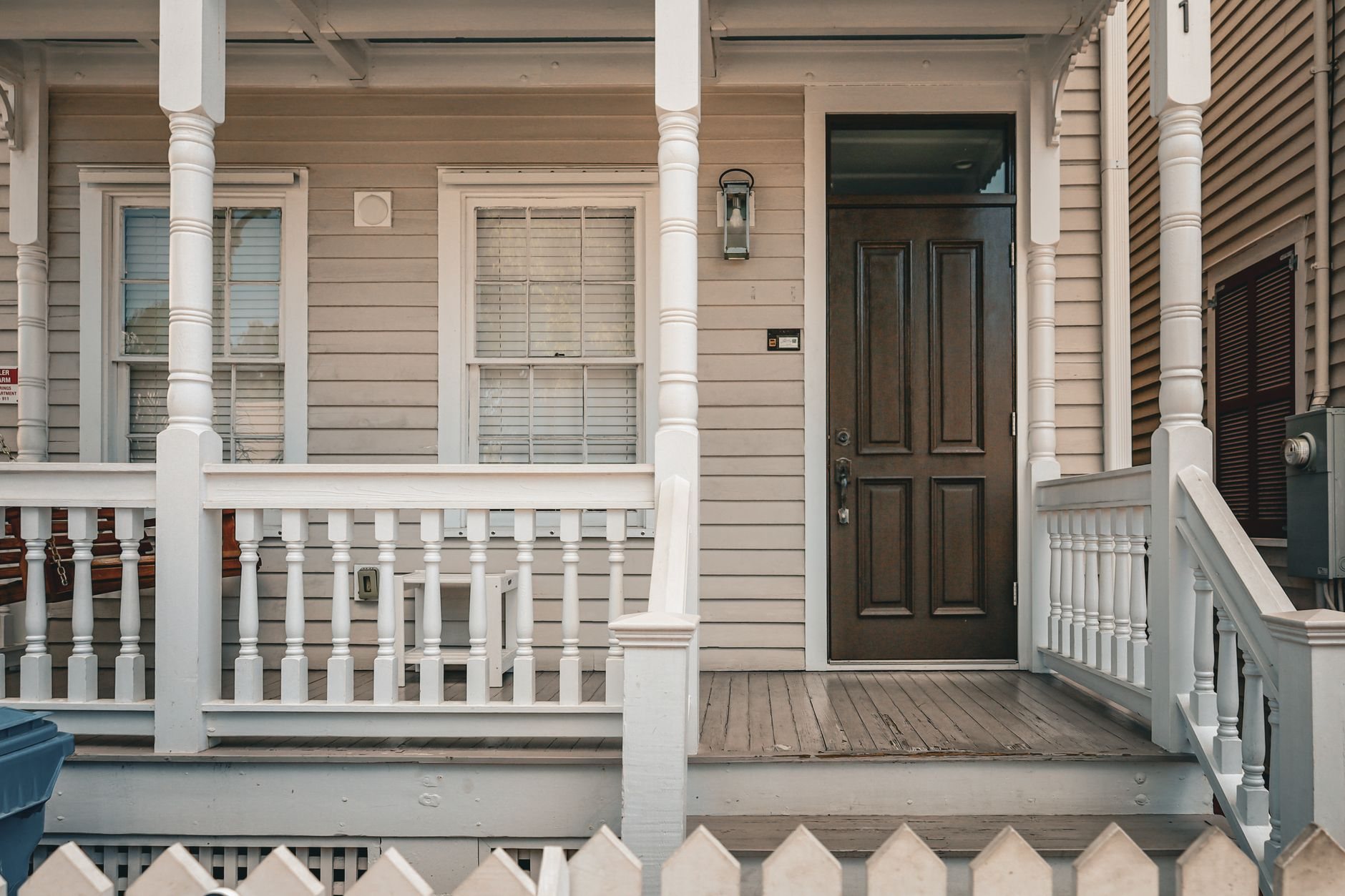
Remodeling is hard on the people who live there. Plan for that.
Hiring a contractor for your own house comes with three worries that rarely make it onto a website. We’d rather name them and tell you how we handle each one.
You’re living in the house during the work
Dust travels, and so do subcontractors. We set up plastic containment at the work zone, protect floors along the traffic path, and agree up front on which door the crew uses, where materials stage, and when the noisy work happens. The site gets picked up at the end of each day — you should be able to make dinner in a house we’re remodeling.
You’re worried the budget will get away from you
Every change is priced and approved in writing before the work happens — no verbal “we’ll sort it out later,” because later is where budgets die. You’ll know what a decision costs while you can still decide differently.
You don’t know who shows up tomorrow
You get one point of contact, a schedule you can actually see, and updates when it moves — because on a remodel it sometimes does, and hearing why from us beats guessing. Jordan answers the phone directly or calls right back.
What we handle for homeowners
Most of our residential work falls into a few buckets, and all of it runs through the same process: written scope, sequenced schedule, changes documented before they’re built.
- Remodels — kitchens, baths, and whole-home projects, from layout changes to finish selection. Start at renovation and build-outs.
- Additions — new footings through tied-in roofline. Utah County’s expansive clay and collapsible bench soils shape footing design, so we look at the ground before we price the room.
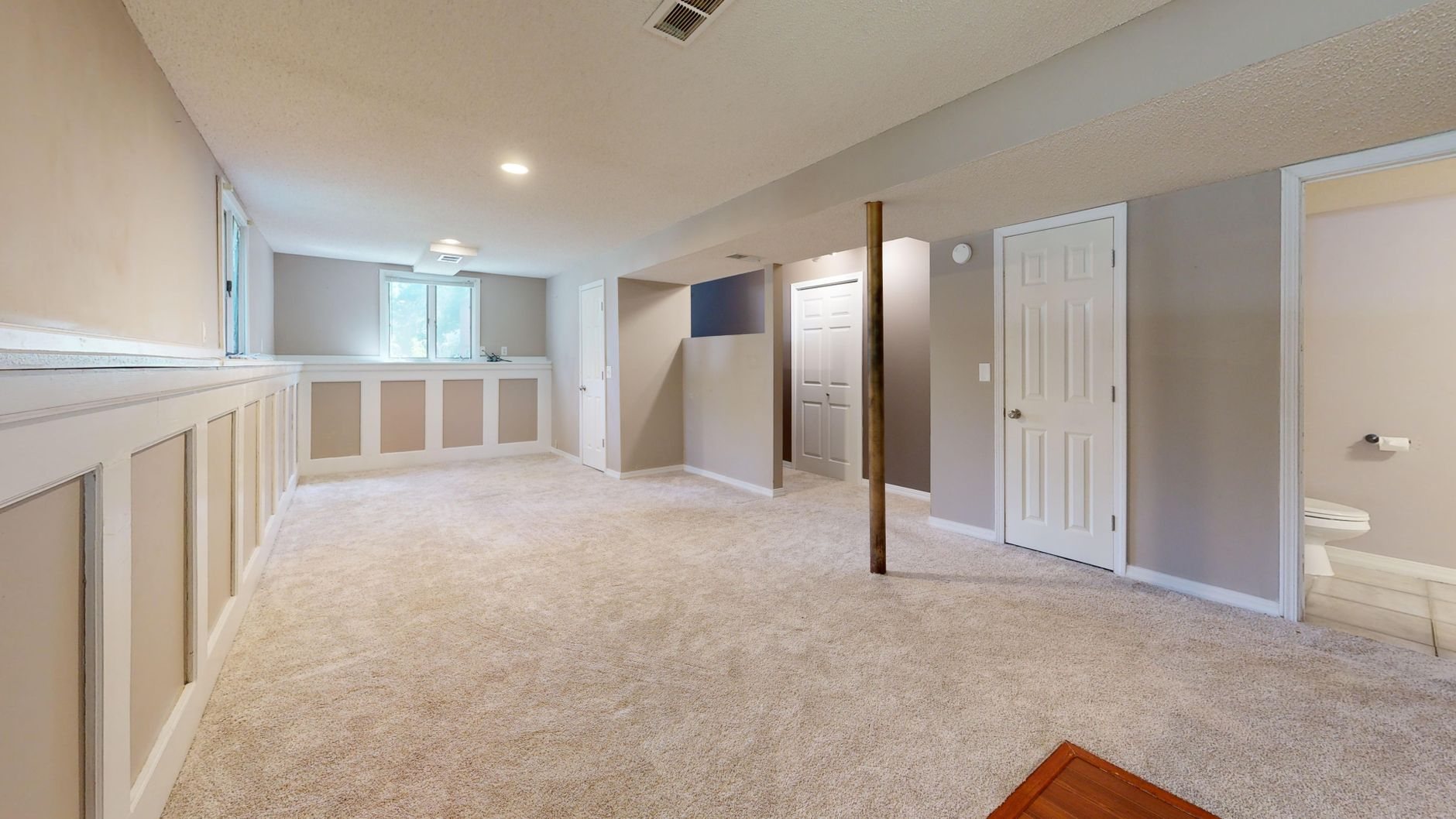
- Basement finishes — including the unglamorous parts: egress windows are required for basement bedrooms, and Utah’s high-radon geology means mitigation is worth testing for before drywall goes up, not after.
- Repairs — drywall, doors, decks, water damage, and the honest-sized jobs many remodelers won’t return calls about. See repair and restoration.
- Exterior work — roofing, siding, concrete flatwork, foundations, and waterproofing through site, structure & envelope. Along the Wasatch Front, 100-plus freeze–thaw days a year is why we insist on air-entrained mixes for driveways and patios.
Electrical, plumbing, and HVAC are subcontracted trades: Grandview holds the contract and manages licensed electricians, plumbers, and HVAC technicians — we coordinate, sequence, and quality-check their work within your project, and you still make one phone call.
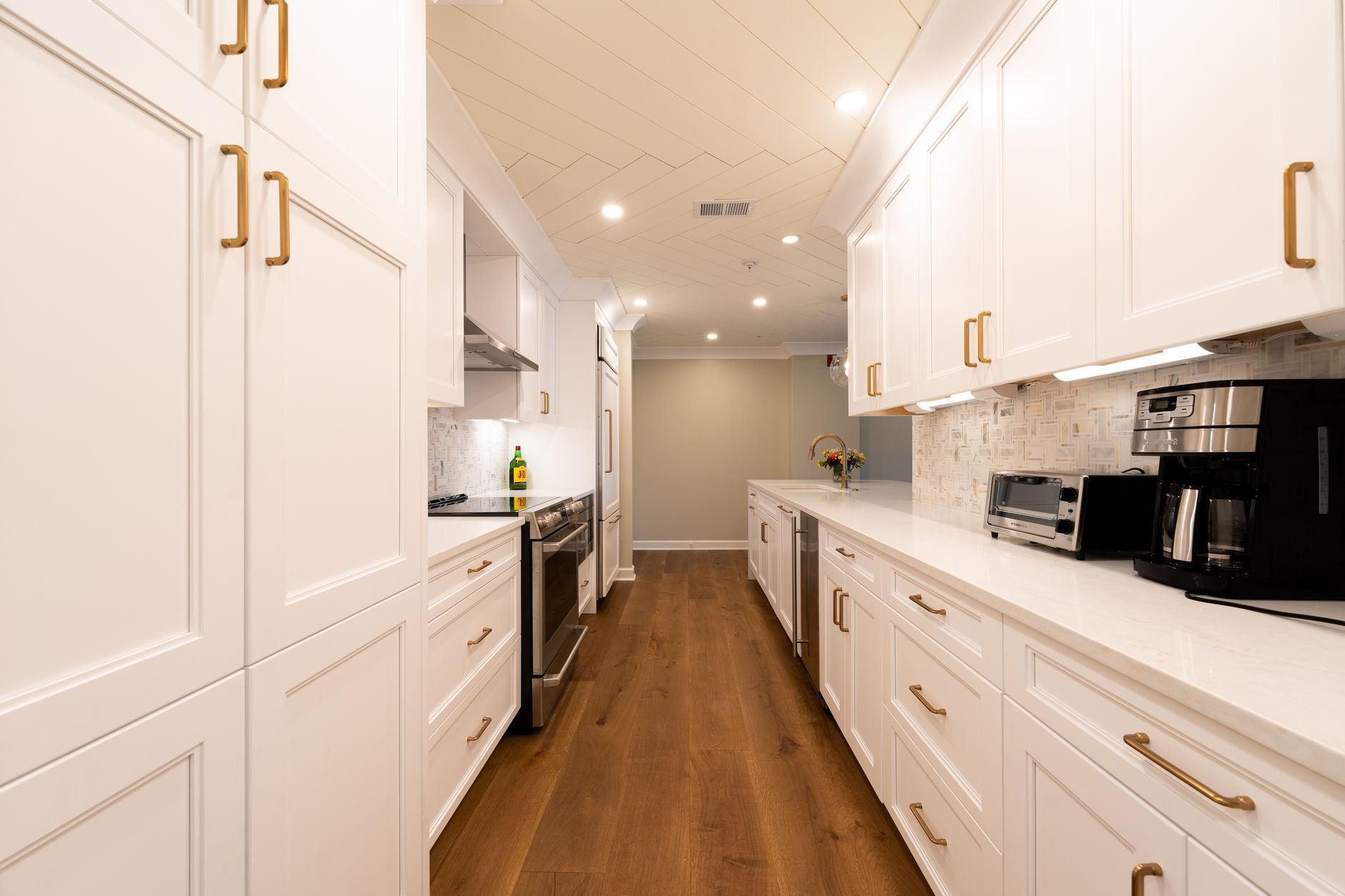
Straight talk on remodel budgets
Three things move the price of a home project more than anything else: structural changes (removing walls, adding openings), relocating plumbing or mechanical runs, and finish level. A kitchen that keeps its layout costs meaningfully less than one that moves the sink. Age matters too — opening walls in an older Provo home can reveal wiring or framing that current Utah-adopted code requires us to address, which is why we carry contingency in the plan instead of pretending surprises don’t exist.
Two terms worth understanding before you sign anything, with us or anyone:
- Allowances are placeholder dollars for things you haven’t picked yet — tile, fixtures, appliances. A lowball allowance makes a bid look cheap and a project end over budget. Ask any bidder what their allowances actually buy.
- Estimate vs. fixed price. A consultation gets you a budget range; a defined scope gets you an estimate, then a proposal, then a fixed price. Anyone quoting a firm number before the scope exists is guessing with your money.
And sometimes the right answer is to phase the project. If the full wish list outruns the budget, we’ll help you split it into stages that make sense structurally — rough-in now, finish later — so early work never has to be torn out to do the next stage. Permitting timelines factor in too: fast-growth cities like Lehi and Saratoga Springs run different review queues than established Provo or Orem, and we sequence around that. Our full process is at how we work.
Questions homeowners actually ask
Can we live in the house during the remodel?
Usually, yes. We contain the work zone with plastic barriers, protect floors, and keep at least one bathroom and a working kitchen area available whenever the scope allows. For whole-home projects that touch every room at once, we’ll tell you honestly if moving out for a stretch will be cheaper and faster than working around you.
What makes a remodel cost more than the initial number?
Almost always one of three things: hidden conditions found when walls open (old wiring, rot, out-of-level framing), scope added mid-project, or allowance items that cost more than the placeholder. We reduce the first with careful investigation up front, and the other two with written, priced change approvals before work proceeds.
Do you take on small repair jobs, or only full remodels?
Both. Repairs, water damage fixes, deck rebuilds, and one-room projects are real work and we treat them that way — a written scope and a firm price, just shorter. Small jobs are also how a lot of our remodel clients met us first.
Do I need a permit for my project?
Structural changes, additions, egress windows, and most basement finishes require permits; cosmetic work like paint and flooring generally doesn’t. Rules vary by city, so we confirm with your building department — Provo, Lehi, and Orem each run it a little differently — and we pull the permits under our license, not yours.
Tell us what you’re working on
We reply within a couple of hours during business hours — a day at most. You’ll get a straight read on scope, sequence, and budget before anyone commits to anything.