
Vinyl-Coated Chain-Link Fences in Utah
A vinyl-coated chain-link fence is galvanized mesh and framework with a bonded black, green, or brown PVC skin — the same low-maintenance perimeter fence, minus the silver glare. Grandview installs it for homeowners, HOAs, schools, and commercial properties across Utah County and Salt Lake County under a B100 general contractor license.
When coated chain-link is the right choice
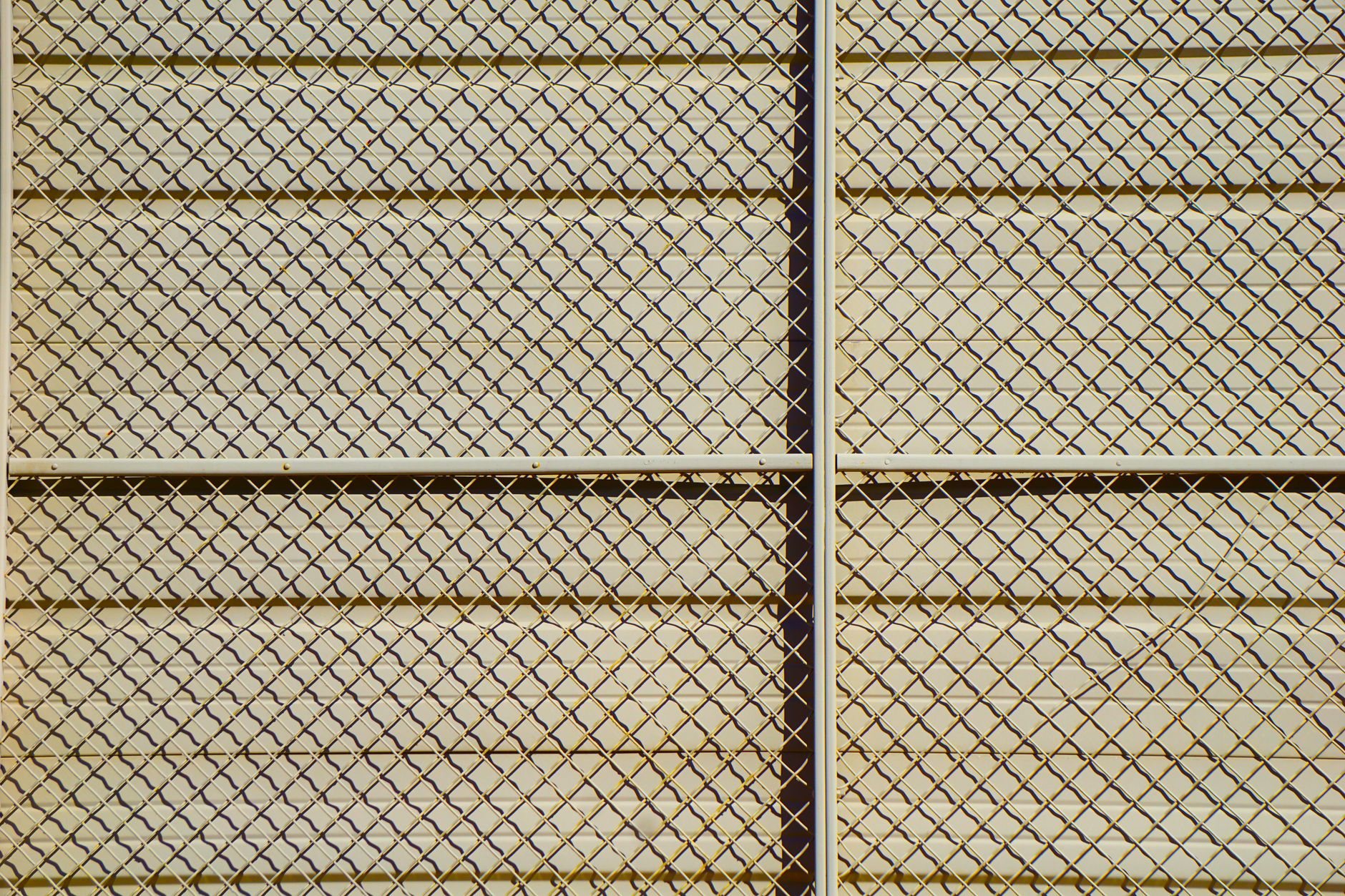
Pick vinyl-coated chain-link when you want a fence you can see through but don’t want to look at. Black mesh in front of trees, a slope, or a dark house reads as a thin line and then stops registering — which is why it’s the default around pickleball courts, dog runs, detention ponds, and the back edge of east-bench view lots. Plain galvanized chain-link is the cheaper sibling for shops and yards where nobody is judging the color. If screening matters more than sightlines, chain-link with privacy slats is the next step up; if the budget allows a fence that looks like iron, aluminum ornamental fencing is where coated chain-link’s advantages run out.
The other reason is approval. Many HOA design standards in newer Lehi, Saratoga Springs, and Eagle Mountain communities prohibit bare galvanized fence but allow black-coated chain-link on rear and side lines or lots backing to open space. We check your CC&Rs before pricing, because the answer decides the material.
What goes into a vinyl-coated chain-link fence
The coating is only worth paying for if everything under it is right.
Fabric gauge, measured on the core wire. Coated fabric is sold by finished diameter, and that catches people. A “9-gauge” coated mesh may be 11-gauge steel with two gauges of vinyl on it; true 9-gauge core is a heavier, stiffer fence. Our residential standard is 9-gauge core on a 2-inch diamond; commercial runs go heavier with height and exposure. The proposal states core gauge so bids compare on the same footing.
How the vinyl is attached. Coated fabric comes three ways: extruded (a loose PVC sleeve over the wire), extruded-and-bonded, and fused-and-bonded (thermally fused to the galvanized wire). The sleeve type can split and hold water against the steel. We install fused-and-bonded, because at Wasatch Front elevations the coating takes more UV than it would at sea level, and a bonded skin stays put when it chalks. Black holds color longest.
Matching framework and fittings. A black fence with silver posts is a half-finished fence. Posts, top rail, tension and brace bands, rail ends, caps, and tie wire all come color-matched — powder-coated or PVC-coated over galvanized pipe, never bare painted pipe, so a scratch from a mower or snow blower doesn’t become a rust streak.
How we install it
- Layout and locates. We confirm the line, mark terminal and gate locations, and call in utility locates before any auger starts. Line posts land at 8 to 10 feet on center, tighter where the fence turns or climbs.
- Posts below frost. Holes go 30 inches or deeper with a concrete footing sized for the soil. Expansive clay and loose bench soils both move, and chain-link shows a leaning post sooner than a solid fence because there’s nothing to hide behind.
- Framework, then fabric. Top rail runs continuous through color-matched sleeves. Fabric is stretched terminal to terminal until the diamonds stand square, then tied with coated ties. Over-stretching bows the terminals; under-stretching sags by spring.
- Racking the grade. Chain-link follows a slope without stepping — the mesh racks and the rail follows the ground, a real advantage on bench lots where a panel fence would need stepped sections.
- Gates and the walk-through. Gates come color-matched with the same coated fabric, hung on adjustable hinges and latched square. We walk the full run with you and hand over the touch-up paint.
Open mesh carries a fraction of the wind load of a solid panel, which is why coated chain-link survives the canyon-wind events in the north county that take privacy fences down a panel at a time.
What does vinyl-coated chain-link cost in Utah?
As ballpark planning numbers, not quotes: a 4- to 6-foot residential vinyl-coated chain-link fence along the Wasatch Front typically runs about $20–$35 per linear foot installed, roughly $4–$8 per foot over the same fence in bare galvanized. Taller commercial runs and gates price separately.
What moves the number on this fence specifically: core wire gauge, bonded fabric versus extruded, height, the count of terminal and gate posts (each is a bigger footing and more fittings than a line post), rock or heavy clay in the holes, and whether an old fence comes out first. Color is nearly a wash, though brown fittings can mean a longer lead time. We give a budget range after a site walk and a firm estimate once height, gauge, and gate count are settled.
Questions we actually get
Does the vinyl coating fade or peel in Utah sun?
Fused-and-bonded coating does not peel. Over many years at our elevation and UV intensity it chalks slightly and lightens, black least and green and brown most. The loose extruded type is what you see cracking and sliding off wire. Specify bonded fabric and matched coated framework and the fence outlasts the fade question.
Can I add privacy slats to a vinyl-coated chain-link fence later?
Yes, if the framework was built for it. Slats turn an open fence into a solid one and multiply the wind load, so a fence that may get slats needs closer post spacing and heavier footings from day one. Tell us at the estimate stage and we’ll frame it for the slatted version.
Is black chain-link allowed where galvanized isn’t?
Often. Many Utah HOA guidelines prohibit bare galvanized fence but permit black vinyl-coated chain-link on rear and side lines or along open-space boundaries. The rule lives in your CC&Rs and your city’s fence ordinance; we read both before pricing.
What gauge should I ask for in a coated chain-link bid?
Ask for the core wire gauge, not the finished gauge. A bid that says 9-gauge without clarifying may be 11-gauge steel under a thick coating — a lighter fence at a heavier-sounding spec. For residential we recommend 9-gauge core on a 2-inch mesh; for commercial, dog runs, or ball courts, heavier. Core gauge is the fairest basis for comparing price.
Related fencing work
Coated chain-link is one option in our fence installation and repair work, part of the site, structure & envelope services we run under one license, verifiable at dopl.utah.gov. Around pools it must also meet barrier rules — see pool safety fence. A color-matched pedestrian gate is usually part of the run; an old silver fence leaning at the posts may be a fence repair job instead.
Tell us what you’re working on
Send the rough footage, the height, the color you’re leaning toward, and a photo of the line. We reply within a couple of hours during business hours — a day at most — with a straight read on gauge, gates, and budget.