
Ranch & Farm Fencing in Utah County
Ranch and farm fence is working perimeter fencing — barbed or high-tensile wire, welded steel pipe, and wood or steel rail — built in long runs with braced corners, equipment-width gates, and posts set to hold through Utah winters. Grandview builds it for acreage, pastures, corrals, and arenas across Utah County and Salt Lake County under a B100 general contractor license.
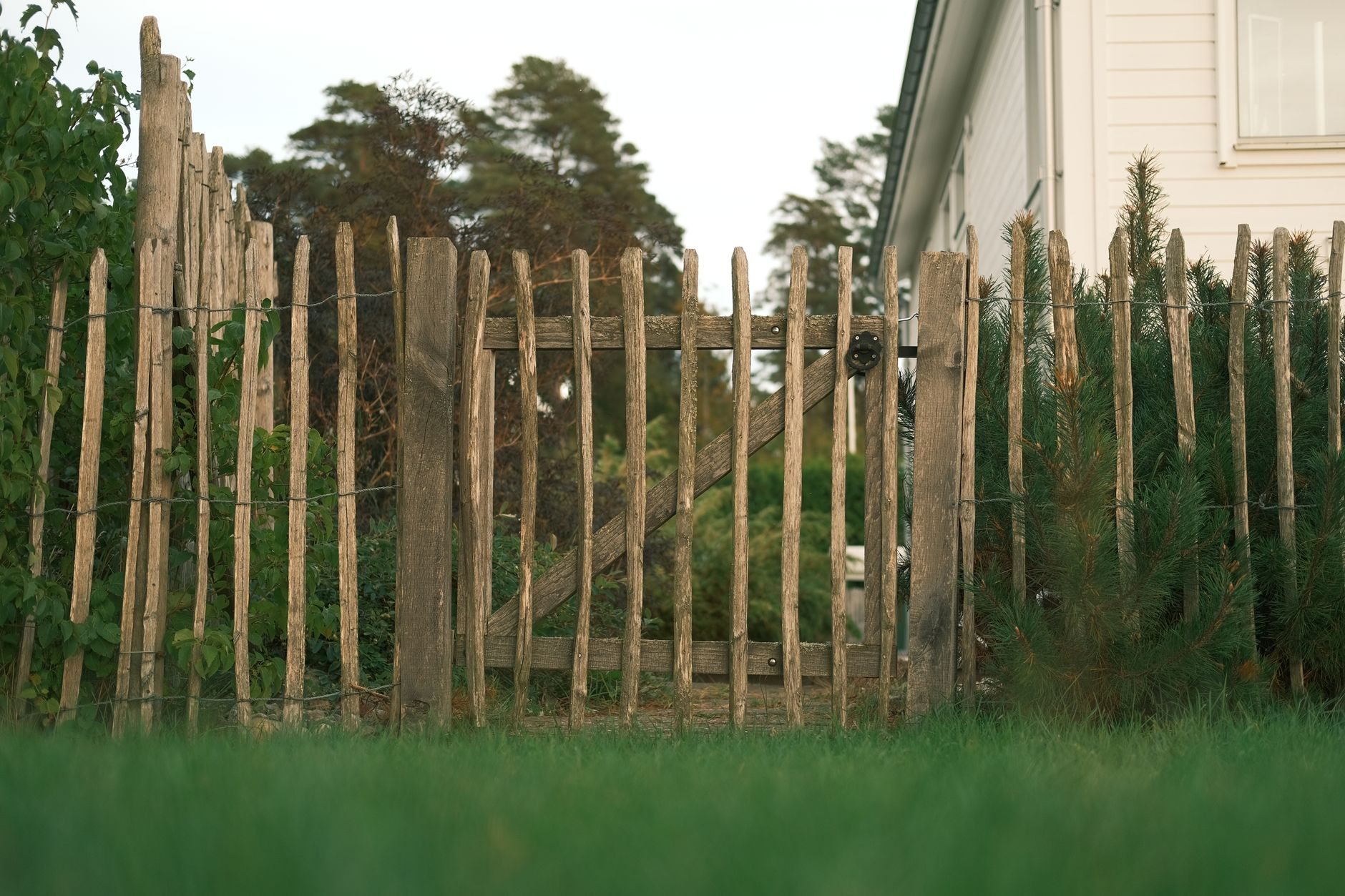
When ranch and farm fence is the right choice
This is fence for property measured in acres: hobby farms in Salem and Mapleton, horse properties west of Utah Lake, pasture around Payson and Santaquin, larger lots in Eagle Mountain and Herriman that still run cattle. If the fence has to turn an animal, survive a tractor backing into it, and run a quarter mile on a budget, this is the category.
It sits between a few neighbors in our fencing lineup, part of our site, structure & envelope work. A split-rail fence defines a frontage but won’t hold livestock. A vinyl ranch rail fence gives the rail look along a road with no paint schedule, but it’s a boundary marker. Livestock and no-climb field fence is the mesh option for goats, sheep, foals, and anything that climbs. Ranch and farm fence is the wire, pipe, and rail family: wire for the long boundary, pipe for corrals where animals crowd and lean, rail where a finished look still has to do a job.
Wire, pipe, or rail: what each one is built from
Wire perimeter fence. Four- or five-strand barbed wire, or smooth high-tensile wire, on T-posts at 10- to 12-foot spacing with wood or steel line posts every few hundred feet. Wire only stays tight if the corners hold, so every corner, end, and gate opening gets an H-brace: two deep posts, a horizontal brace rail, and a diagonal tension wire. Skimped braces are why older pasture fences sag in the middle and lean at the ends.
Welded pipe fence. Continuous steel pipe, commonly 2-3/8-inch posts with 1-5/8-inch or 2-3/8-inch rails, welded on site into one frame. Pipe is the answer for corrals, round pens, alleys, and arenas: no give, no boards to splinter. Posts set in concrete, frame welded plumb and level in place, welds ground smooth. Pipe also makes a good top rail over wire.
Wood and steel rail fence. Three- or four-rail fencing with 2×6 rough-sawn rails on treated posts, or steel rails on steel posts, for frontage, paddocks, and arena perimeters. Rails go on the animal side, so a leaning horse pushes the rail into the post instead of popping the fasteners. An offset electric strand stops chewing; we plan for it at layout.
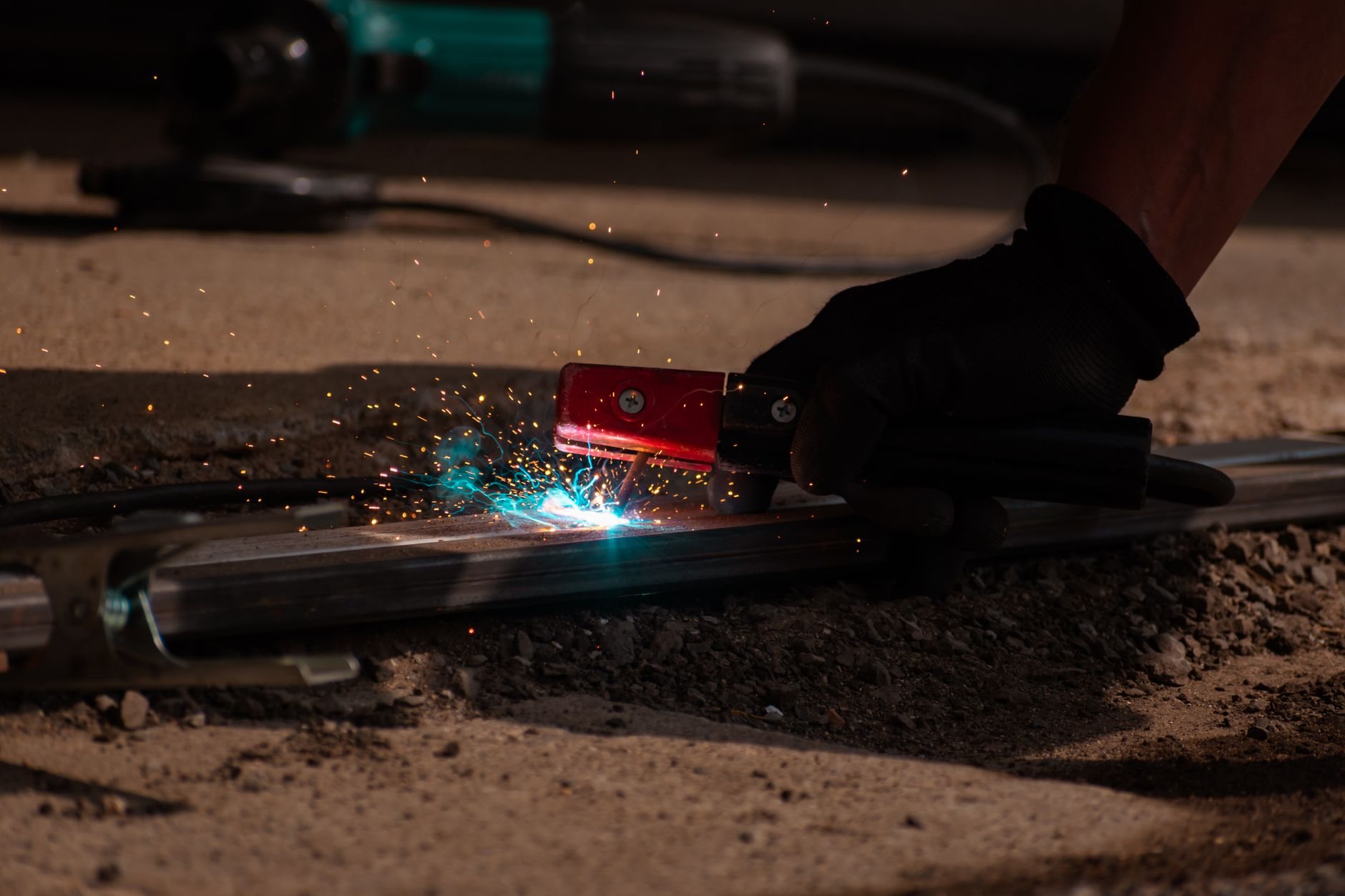
How we build a ranch fence on Utah ground
- Walk and stake the line. We confirm corners from the survey or plat, locate utilities and irrigation laterals (they cross most agricultural parcels here), and stake brace locations before any post goes in.
- Set braces and corners first. H-brace and pipe corner posts go 36 to 48 inches deep, below the 30-inch-plus Wasatch Front frost line. Collapsible bench soils and expansive valley clay, both mapped by the Utah Geological Survey, behave differently under a post, so footing depth is set per site.
- Drive or set line posts. T-posts are driven; wood and pipe line posts are augered and set. Rocky ground near the benches is where the schedule can move, and we say so at the site walk.
- String, weld, or rail. Wire is stretched in one pull per run and tied off at the braces. Pipe is welded in place. Rails go up spaced to what you’re keeping in.
- Hang gates sized for equipment. Twelve feet minimum for a tractor, 14 to 16 for a trailer or hay delivery. Gate posts are the heaviest on the property; a long tube gate on a light post sags within a season.
Wind is the other Utah variable. Open ground west of the lake and at the north end of Salt Lake County takes canyon gusts with nothing to break them. A tight wire fence sheds wind; a solid panel fights it. Working fence stays open-construction out here for a reason.
What does ranch and farm fence cost in Utah?
As ballpark planning numbers, not quotes: barbed or high-tensile wire on T-posts typically runs about $4 to $10 per linear foot installed along the Wasatch Front, wood rail roughly $20 to $40, and welded pipe roughly $25 to $50 and up, depending on pipe size and rail count. Corrals and round pens price by the structure, because corners and gates are most of the work.
What moves the number: total footage, how many corners and gates the layout needs (each one is a braced assembly), rock in the post holes, equipment access along the line, and whether an old fence has to come out first. Several small paddocks is a different project from one long perimeter, even at the same footage. A driveway gate wide enough for a trailer, or a custom steel entrance tied into pipe fence on either side, prices as its own line. We give a budget range after walking the ground and a firm estimate once layout and materials are set.
Questions we actually get
Should I use pipe or wire for a horse pasture?
Usually both. Wire or rail for the large perimeter, where cost per foot matters and horses have room to avoid the fence, and welded pipe for corrals and the round pen, where they crowd and lean. Barbed wire alone is a poor choice for horses; smooth wire, rail, or a pipe top rail over wire is the safer perimeter.
How deep do ranch fence posts need to go in Utah?
Line posts below frost depth, 30 inches or more along the Wasatch Front; brace and gate posts deeper, often 42 to 48 inches. Depth is about holding tension through freeze-thaw, not just standing up. The Wasatch Front sees roughly 100 freeze-thaw days a year, and a shallow brace post walks out of the ground a little more with each one.
Can you fence a parcel with irrigation ditches crossing it?
Yes, and it’s one of the first things we look for. Ditches get a water gap or floodgate panel that lets water and debris pass without taking the fence with it. Canal company easements usually restrict permanent posts near the bank, so we check the easement before layout and place braces outside it.
Do I need a permit for agricultural fencing?
Often not on agriculturally zoned ground, but it varies by city and county, and height limits near roads and corners still apply. Parcels inside a city limit or an HOA are the ones to check. We confirm with the local building department during planning; our B100 license is verifiable at dopl.utah.gov.
Tell us what you’re working on
Send us the acreage, what you’re keeping in, and a rough sketch of the gates. We reply within a couple of hours during business hours, a day at most, with a straight read on scope, sequence, and budget.