
Fence Repair & Replacement in Utah County
Fence repair is the fix for a fence that’s mostly sound but failing in spots — a heaved post, a rotted rail, a panel the wind took. Grandview repairs wood, vinyl, chain-link, and steel fencing section by section, and replaces runs outright when repair stops making sense, under a B100 license across Utah County and Salt Lake County.

Repair or replace: how we make the call
The question isn’t how bad the fence looks. It’s how many posts are still doing their job. Pickets, rails, and panels are replaceable parts; posts are the structure. On the site walk we push on every post, check each base for rot or rust, and note which have lifted. If most are plumb and solid, repair is the right spend. If a third or more have heaved or rotted at grade, repair becomes a series of return visits, and we’ll say so.
Rules of thumb: one leaning section after a wind event is a repair. Vinyl with one cracked panel is a repair; vinyl that’s chalky and brittle over the whole run is a replacement. Chain-link with sagging fabric but sound terminal posts is a re-stretch. When the fence is past saving, the conversation moves to the right new build — usually a wood privacy fence, a vinyl privacy fence, or galvanized chain-link. When the fence is fine and only the finish is tired, that’s fence staining, not repair.
What fence repair involves, by failure
A lean can be a snapped post, a heaved footing, or a rail that let go. We fix the cause, then the symptom.
- Heaved or rotted posts. Expansive clay along the Wasatch Front lifts shallow posts a little further with each of the roughly 100 freeze–thaw cycles a year; the Utah Geological Survey maps these problem soils across the valley. We pull the post and its footing, re-dig below frost depth — 30 inches or deeper — and set a new post: ground-contact treated wood, a sleeved insert for vinyl, or galvanized steel for chain-link and iron.
- Rot at grade. Irrigation overspray keeps the bottom foot of a wood fence wet all summer. We cut rail and pickets back to sound wood, replace with matching lumber, and lift the bottom rail off the soil where it was buried.
- Wind damage. East-bench and north-county canyon gusts turn a privacy panel into a sail. When one goes, we check whether post spacing and fasteners suited that exposure and tighten both where they didn’t, so the next storm doesn’t take the same section.
- Vinyl panels. Cracked rails and pickets are swapped by matching the manufacturer’s profile — vinyl isn’t interchangeable between brands, and a near-match looks worse than the crack. Elevation UV makes older vinyl brittle, so we handle it gently.
- Chain-link fabric. Sagging mesh is re-tensioned with new tension bars and bands; damaged sections are spliced in matching gauge and coating. Bent top rail is replaced, not straightened.
- Steel and iron. Rusted pickets are cut out and welded in, rust is ground back and primed, bent panels straightened or re-fabricated. Leaning iron is nearly always a footing problem, handled like a heaved wood post.
- Gates. Sagging gates are rehung on new hinges, braced diagonally, and re-latched. A gate that drags because the post moved gets a new post, not a trimmed rail. A driveway gate rebuild is its own scope.
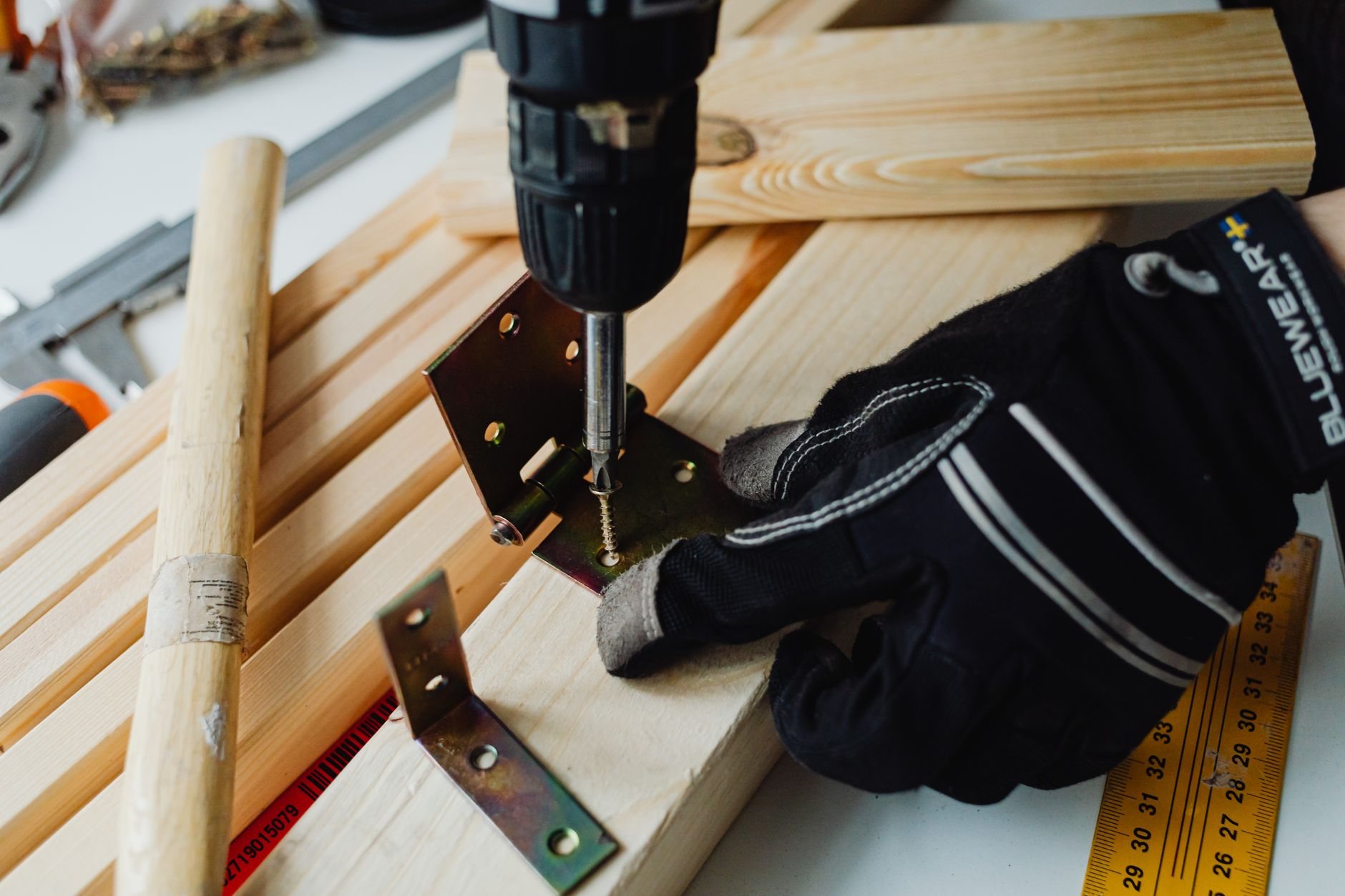
Full replacement: what comes out and what goes back
Replacement starts with demolition. We pull the old fence, break out the old concrete footings — leaving them in forces new posts off the line — and haul everything off. Then we confirm the property line, call in utility locates, and build new. It’s the moment to fix what the first builder got wrong: posts deeper, spacing tightened for wind, gates framed for their weight, bottom rails above the soil.
Partial replacement is common. Many fences have one bad side — facing the sprinklers or the canyon mouth — and the rest has years left. We replace the failed run and tie it into the sound sections, built to the same standards as our fence installation work.
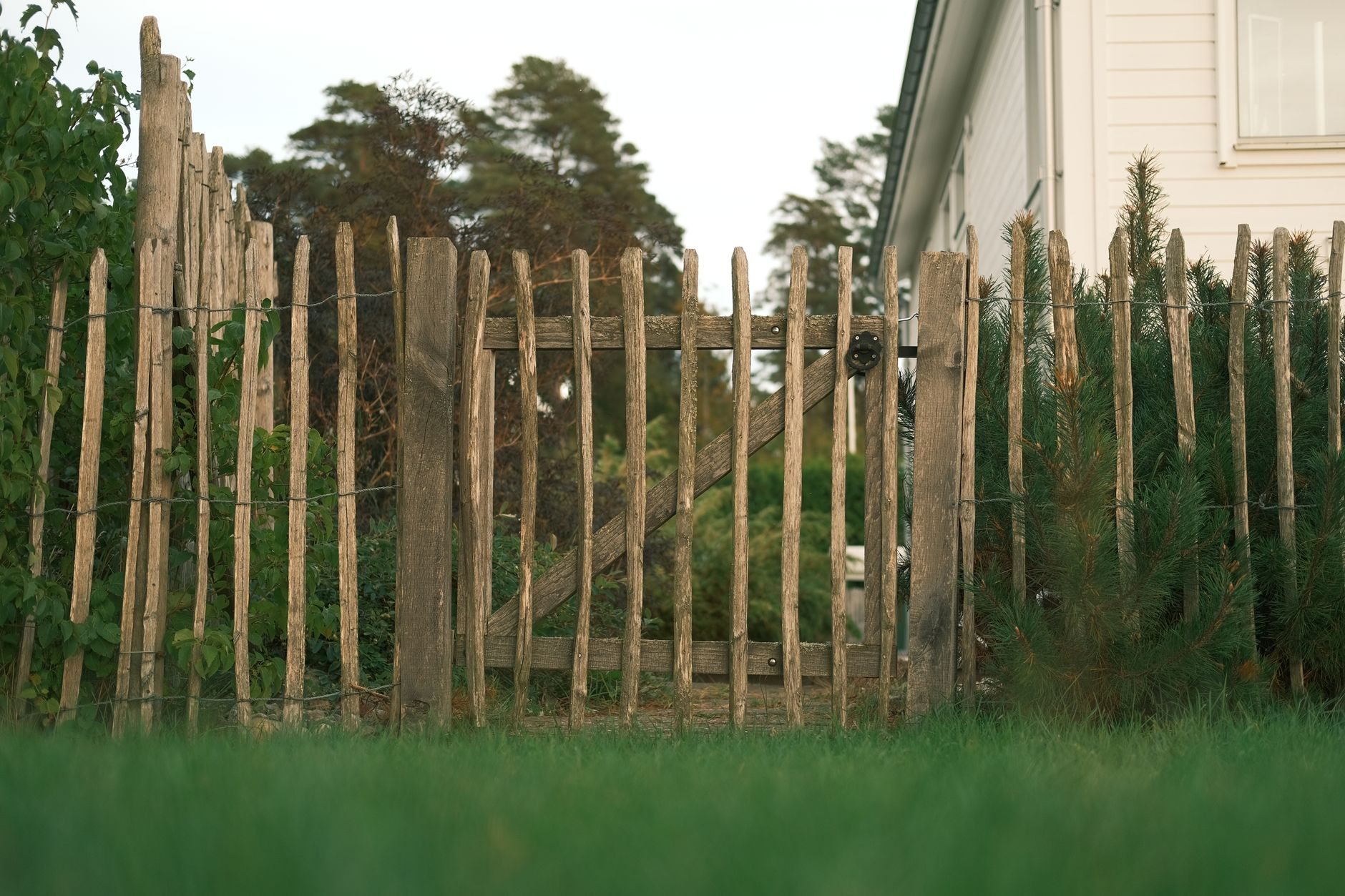
What does fence repair cost in Utah County?
As ballpark planning numbers, not quotes: replacing a single post in a footing commonly runs a few hundred dollars, less per post when several are done in one visit. Wood rail-and-picket sections typically land in the low hundreds per eight-foot section. Chain-link re-stretches and gate rehangs are usually same-day scopes with a service minimum. Full replacement prices like a new fence — see the ranges on our fencing page — plus demolition and haul-off.
What moves the number: how many posts come out, whether old footings are concrete or dirt-set, auger access versus hand digging, rock or heavy clay in the hole, and matching a discontinued vinyl or ornamental profile. We give a repair-versus-replace read and a budget range after the site walk, then a firm estimate once scope is settled. Licensing is verifiable at dopl.utah.gov, and the work sits under the same site, structure & envelope umbrella as the rest of what we build.
Questions we actually get
Can you match my existing fence so the repair doesn’t show?
Usually for wood and chain-link, since dimensional lumber and standard mesh are consistent. Vinyl and aluminum are brand-specific; we identify the manufacturer from post caps and rail profiles and source a match where one exists. New cedar reads lighter than weathered cedar for a season or two; staining the whole run evens it out.
My fence leans after every winter. Will a repair stop that?
Only if the repair addresses depth. A post that heaves every spring was set above frost depth in expansive clay, and resetting it at the same depth repeats the cycle. We re-dig below frost depth with a footing sized for the soil. That fixes that post for good; neighboring shallow posts may follow in later years.
Who pays for repairs on a shared fence line?
It comes down to agreement between neighbors and any HOA covenants. Most owners split a shared-line repair evenly when both benefit. We recommend agreeing in writing before work starts, and we’re glad to walk the line with both owners present and give one scope both can read.
Do I need a permit to repair or replace a fence?
Like-for-like repair almost never needs one. Replacement at the same height and location usually doesn’t either, though some Utah cities treat full replacement as new construction, and front-yard, corner-lot, and pool-barrier fences have their own rules. We confirm with your city’s building department as part of the job.
Tell us what’s wrong with the fence
A few photos of the bad sections and a rough length is enough. We reply within a couple of hours during business hours — a day at most — with a straight read on repair versus replacement and what either should cost.