
Window & door installation in Salt Lake City
Windows and exterior doors installed, flashed, and sealed by a licensed general contractor — from a single basement egress window to a full-house replacement package or a commercial storefront. We serve Salt Lake County and Utah County under one B100 license and one standard of workmanship.
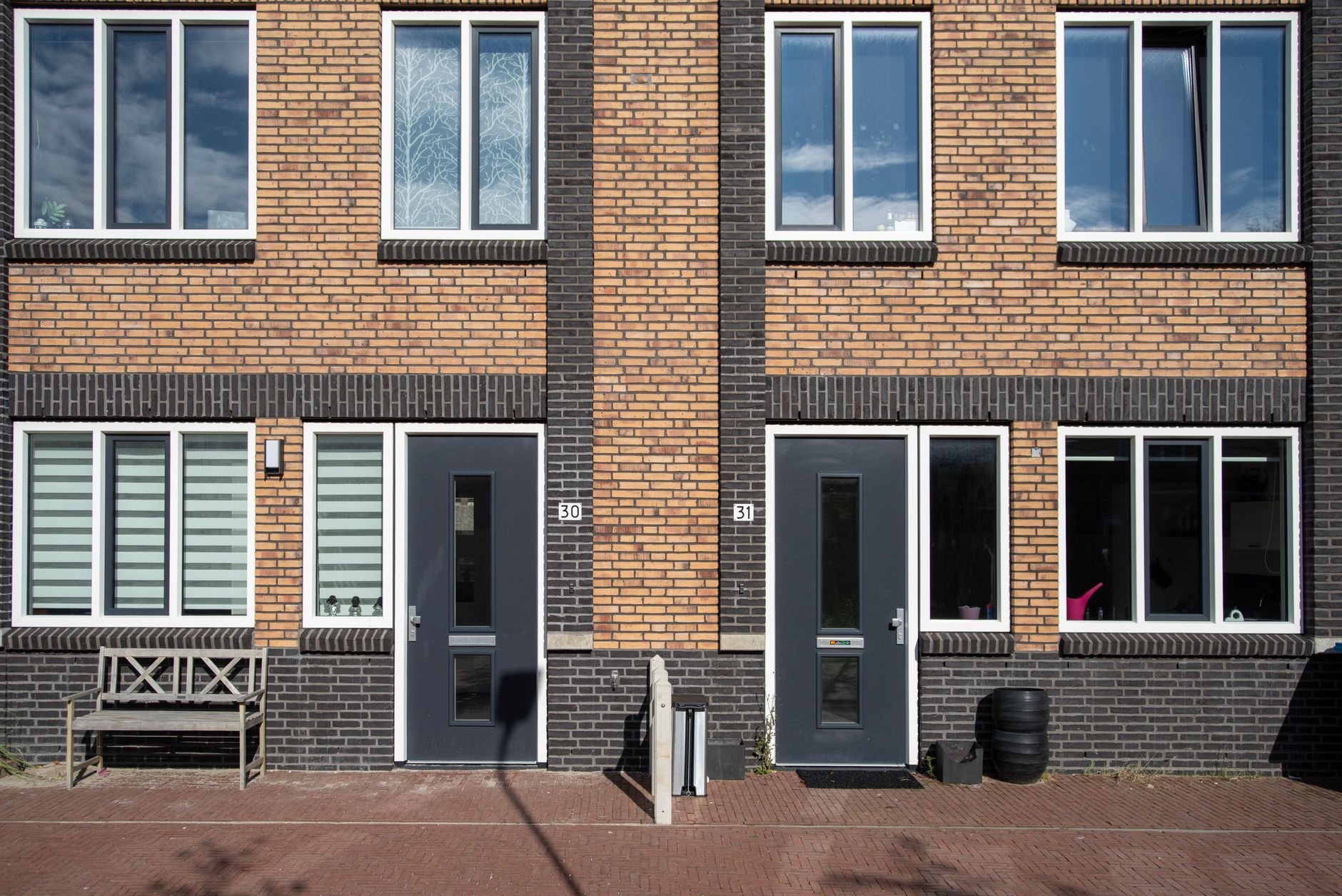
When window and door work is the right call
Most window and door projects start with something specific: glass that fogs between panes, a door that drags every winter, a draft you can feel from the couch, or a basement finish that needs a legal bedroom. Others start with a plan — a remodel that wants a bigger opening, an addition that needs new units to match the old ones, or a storefront that needs code-compliant glass and hardware.
All of it is envelope work, and the envelope is where small installation mistakes turn into big water problems. A window is only as good as its flashing; a door is only as tight as its sill pan. That’s why this scope sits inside our site, structure & envelope family rather than off on its own. When an opening needs to grow, our framing crew sizes and installs the new header. When the wall gets opened up anyway, it’s the natural moment to fix the siding or stucco around it instead of patching around a problem.
Because we’re a general contractor, the window is never the whole conversation. If your project is one window, we’ll treat it like one window. If it’s forty units across an apartment building, we’ll sequence it so tenants aren’t living behind plastic sheeting for a month.
Window services we offer
New-construction windows
Flanged units installed during framing on new builds and additions, integrated with the weather barrier before the shell closes.
ExploreReplacement & retrofit windows
Insert and full-frame replacements for existing homes — we’ll tell you honestly which one your openings actually need.
ExploreVinyl, fiberglass, wood & clad
Frame materials compared on cost, durability, and how they handle Utah’s high-elevation sun — not on brochure adjectives.
ExploreDouble-hung, casement, bay & bow
Operating styles from sliders and awnings to picture, bay, and bow units, matched to the room and the ventilation it needs.
ExploreEgress windows
Cut-in basement egress windows with excavation, well, and ladder — required by code for basement bedrooms, and the key to a legal basement finish.
ExploreEnergy-efficient & low-E upgrades
Low-E coatings, gas fills, and U-factors chosen for Utah’s cold winters and intense summer sun, with the math behind them.
ExploreImpact & storm windows
Secondary and reinforced units that earn their keep in canyon-wind corridors and on exposed bench lots.
ExploreDoor services we offer
Entry & front doors
Fiberglass, steel, and wood entry systems hung plumb, sealed tight, and flashed so the sill never becomes a subfloor problem.
ExplorePatio & sliding glass doors
Sliders that glide instead of grind, with pans and drainage that keep deck-side openings dry.
ExploreFrench doors
Hinged double doors for patios, dens, and dining rooms — installed square so both leaves meet and latch for years.
ExploreBi-fold, accordion & multi-slide
Large-format wall-opening systems, including the structural header work that makes a 16-foot opening possible.
ExploreInterior doors
Single doors, whole-house packages, and pre-hung swaps — cased, adjusted, and latching without a shoulder check.
ExploreBarn doors
Sliding barn doors on properly blocked and mounted tracks, sized for real coverage rather than a decorative gap.
ExploreStorm doors
Storm and screen doors that add ventilation in summer and a buffer against winter wind, fitted to out-of-square older openings.
ExploreStorefront & glass doors
Aluminum storefront systems, glass entrances, and commercial hardware for retail and office spaces.
ExploreFire-rated doors
Rated door and frame assemblies for garages, multifamily corridors, and commercial occupancies, installed to keep their listing.
ExploreGarage doors & openers
Sectional garage doors and opener systems for homes and shops, balanced, tracked, and safety-tested.
ExploreHow we run a window or door project
- Measure and diagnose. We check every opening for square, rot, and flashing history before anything gets ordered. A rotten sill discovered on install day is a schedule problem; discovered on measure day, it’s a line item.
- Specify. Frame material, glass package, operating style, and hardware — with the trade-offs stated plainly. If your project sits in an HOA-governed development, common in Lehi, Saratoga Springs, and Eagle Mountain, we build the approval submittal into the schedule instead of discovering it later.
- Order and stage. Lead times on custom units run weeks, not days. We don’t open your wall until your units are on the ground and verified against the order.
- Install and flash. Sill pans, back dams, taped flanges, and sealant in the right order — the fifteen minutes of flashing work that decides whether the wall stays dry for twenty years.
- Finish and verify. Interior casing, exterior trim, insulation at the shims, operation check on every unit, and a walkthrough before we call it done.

What Utah weather asks of your windows and doors
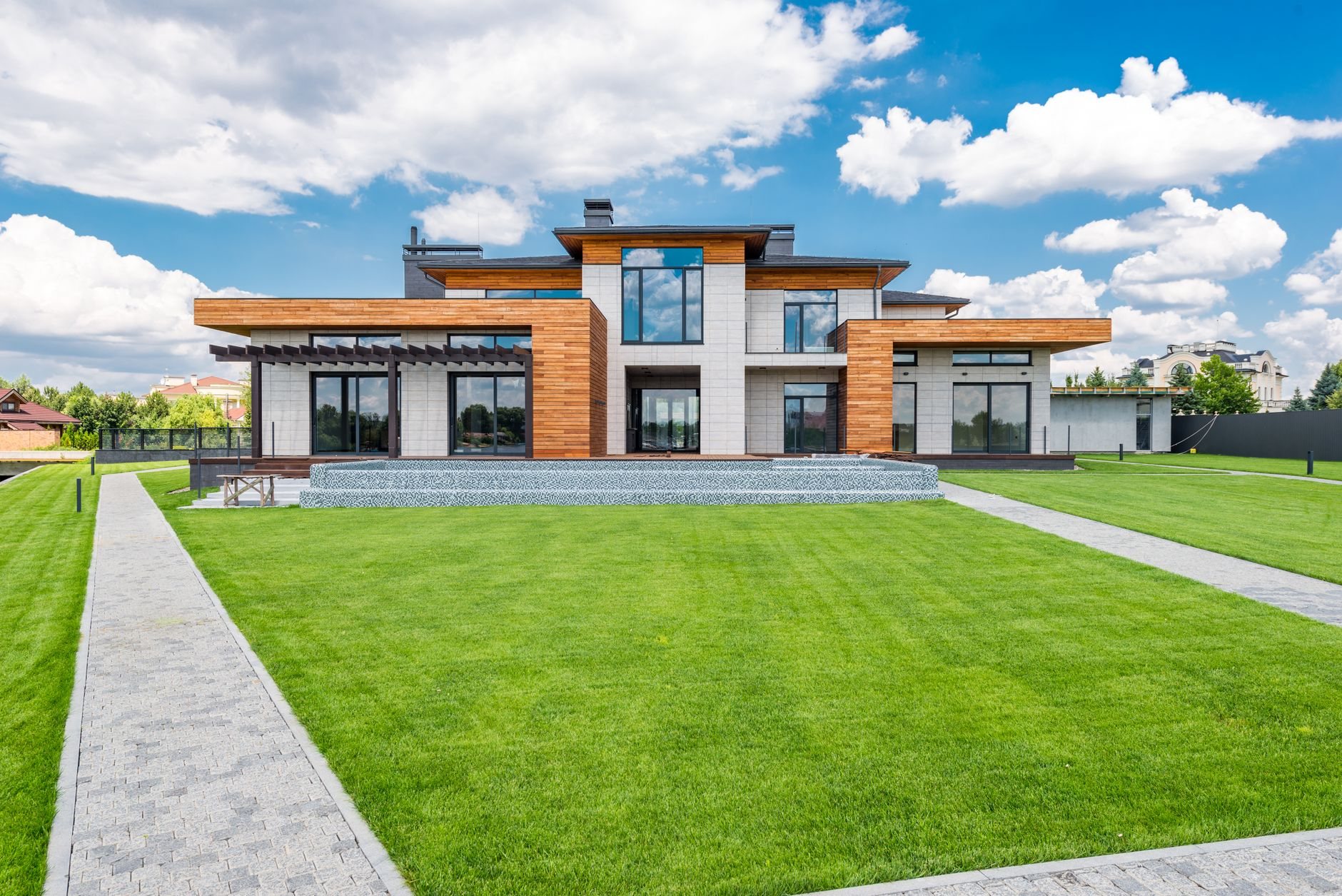
Three things decide how a window or door performs here. First, temperature swing: the Wasatch Front sees 100-plus freeze–thaw days a year, and frames expand, contract, and work their seals loose accordingly — which is why installation tolerances and quality sealant matter as much as the unit itself. Second, sun: at 4,500 feet and above, UV is measurably harsher than at sea level, and it’s the reason we talk you through frame materials and finishes rather than defaulting to whatever’s cheapest. Third, wind: canyon-wind events along the Wasatch Front can gust hard enough to test fastening schedules, which shapes how we anchor units on exposed lots and why storm doors earn their keep on east-facing entries.
Glass packages deserve the same local thinking. A low-E coating tuned for a hot southern climate rejects winter sun you’d actually want in Sandy or Provo. We size U-factors and solar heat gain coefficients to the opening’s orientation, using ENERGY STAR’s climate-zone criteria as the floor, not the ceiling.
And one code point worth knowing before a basement project: current Utah-adopted code requires an egress window in any basement bedroom. If your basement finish plan includes sleeping rooms, the egress window is usually the first thing we schedule — verify specifics with your city’s building department, since window-well and ladder details vary.
Questions we actually get
What moves the cost of window replacement in Utah?
Unit count, frame material, and glass package drive most of it — vinyl insert replacements sit at the low end, full-frame fiberglass or clad-wood at the high end. Rot repair, opening changes, and second-story access add labor. We give a ballpark range after measuring, then a firm estimate. Ranges are planning numbers, not promises.
Can you make an existing window or door opening bigger?
Usually, yes — but it’s structural work, not just window work. Widening an opening means a new header sized for the loads above it, sometimes with engineering, and a permit in most cities. Because we frame as well as install, one crew handles the opening, the unit, and the patch-back.
Do I need full-frame replacement, or will an insert do?
If your frames are square, sound, and dry, an insert replacement saves real money. If there’s rot, water staining, or failed flashing, an insert just hides the problem behind new vinyl. We check the openings first and tell you which one you need — sometimes it’s different answers on different walls of the same house.
Can windows and doors be installed in winter?
Yes. Each opening is exposed for under an hour, and we work one opening at a time so the house never sits open. Low-temperature sealants handle the cold. Winter is often the season you feel the difference immediately — and installer schedules tend to be friendlier than in June.
Tell us what you’re working on
One window, a whole-house package, or a storefront — we’ll give you a straight read on scope, options, and budget before anyone commits to anything. We reply within a couple of hours during business hours, a day at most.