
Entry & front door installation in Salt Lake City
Entry door installation is the replacement or first-time fitting of a home’s main exterior door — fiberglass, steel, or wood, usually a pre-hung unit with its own frame and threshold, flashed so water never reaches the subfloor. Grandview installs entry and front doors across Salt Lake County and Utah County under a B100 general contractor license, including the sill repair a door swap often uncovers.
When a new entry door is the right call
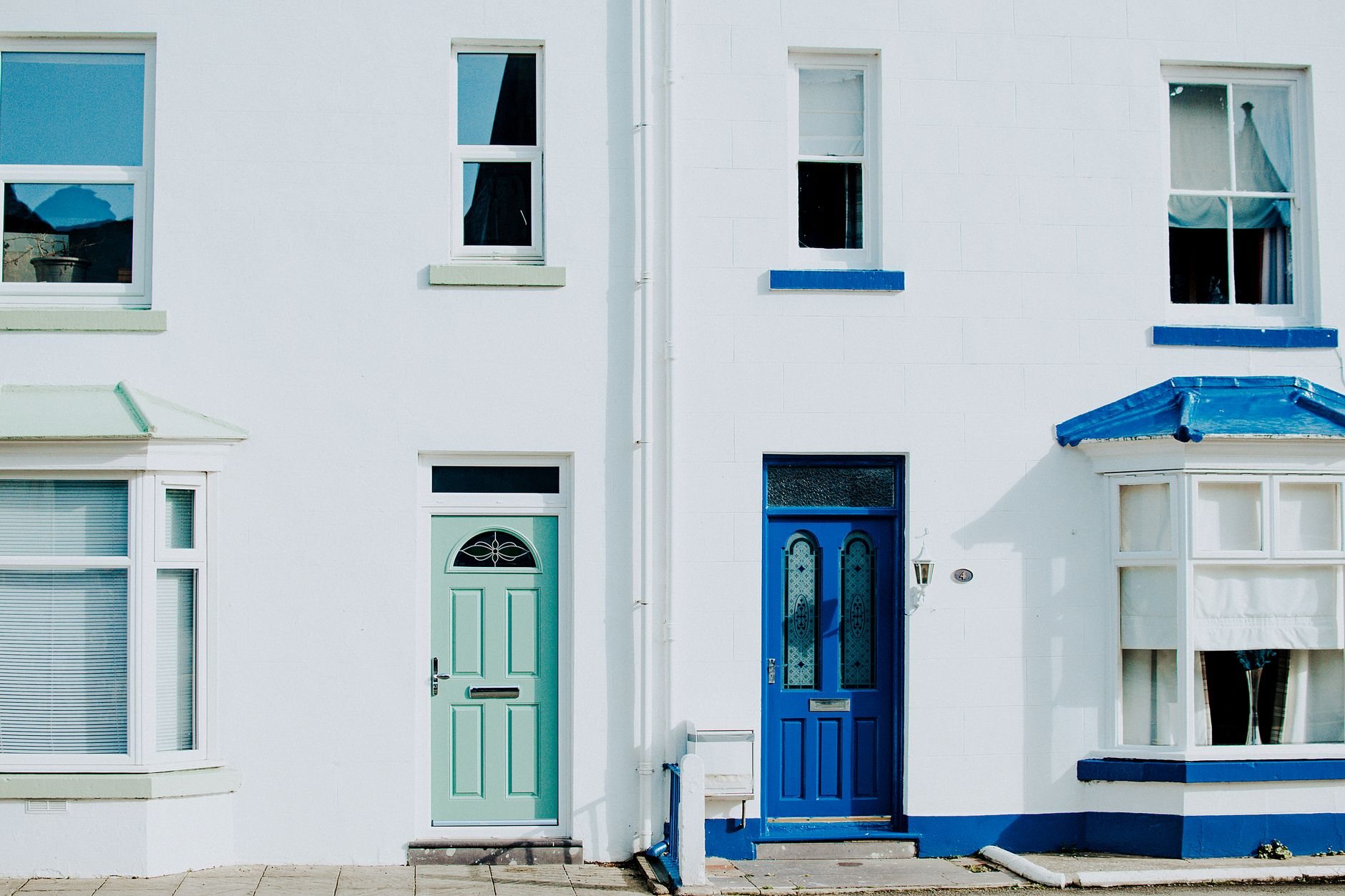
The front door announces its own problems: daylight at the latch side, a threshold gone soft, a steel slab rusted through at the bottom rail, or a deadbolt that only throws if you lift the handle. Any of those means the unit is done. A faded door is a different case — if slab and frame are sound, refinishing the existing door costs a fraction of replacement.
Worth naming what this page is not. A second layer in front of a good door for ventilation and wind protection is a storm door. Double hinged leaves onto a patio are French doors; a deck-side glider is a patio and sliding glass doors. The door between garage and house isn’t an entry door at all — it’s a fire-rated assembly with its own rules. Everything else lives on the window and door installation page, inside our site, structure & envelope family.
Pre-hung or slab, and which material survives a Utah front porch
Most entry replacements are pre-hung: the slab arrives hinged in a new jamb with an adjustable threshold and compression weatherstrip, and the whole unit goes into the rough opening. A slab-only swap keeps your existing jamb and costs less, but only works when that jamb is plumb, dry, and the hinge mortises line up — on older homes, that’s the minority.
Fiberglass is the default along the Wasatch Front: it doesn’t dent or rust and handles the UV load on a south- or west-facing door at 4,500 feet far better than wood. Steel costs least and resists forced entry best, but a dark steel slab in full afternoon sun can heat enough to bind, so we steer it toward shaded entries. Wood looks like nothing else and needs a real overhang plus periodic refinishing.
Configuration comes with it: sidelights or a transom (which change the rough opening), 6’8″ or 8’0″ height, swing, and hinge side. Hardware is its own line: a standard 2-1/8″ bore, or a multipoint lock that pulls the slab tight at three points — worth it on tall doors and in canyon-wind corridors.
How we install an entry door
- Measure the opening, not the old door. Rough opening, wall thickness (4-9/16″ jambs for 2×4 walls, 6-9/16″ for 2×6), finished floor height on both sides, swing, and whether the porch slab has heaved toward the threshold — common over expansive clay on bench lots.
- Pull the old unit and inspect. With the jamb out, we check the subfloor and rim at the sill. Snowmelt pooling against a threshold rots this spot first; replacing a section now is a small line item, not a surprise.
- Pan and flash the sill. A formed sill pan with a back dam goes in first, then the side flashing laps over it, so any water that gets past the threshold drains out, not in.
- Set and shim. The unit sits in a bed of sealant; the hinge side is plumbed and fixed first with long screws into framing, then the strike side is shimmed until the reveal is even and the slab closes against the weatherstrip without rubbing.
- Seal, trim, and adjust. Low-expansion foam at the shim gaps, brickmould sealed to the cladding, threshold cap raised until the sweep just touches it, then hardware set so the deadbolt throws freely.
If the new door needs a wider opening — adding sidelights where there were none — that’s header work. Our framing crew sets the new header before the door arrives, and interior casing is finished on the same job.
What an entry door costs in Utah
As a ballpark planning range, a standard pre-hung fiberglass or steel entry door installed in Salt Lake or Utah County usually lands in the low thousands; sidelights, a transom, decorative glass, or a multipoint lock push it into the mid range, and custom wood, oversized, or pivot doors run well above that. Sill rot repair and opening changes add labor. Planning numbers, not a quote — we confirm after measuring.
What moves the number: slab-only versus pre-hung; glass (clear, decorative, tempered, low-E); opening width once sidelights are counted; hardware tier; and brick or stucco exteriors, where trimming the new unit back into the cladding takes more care than lap siding. An ENERGY STAR rated door costs a little more and makes sense when the old one leaks air you can feel. In HOA-governed developments, common across Lehi, Saratoga Springs, and Eagle Mountain, color and style approval goes into the schedule before ordering, because custom lead times run weeks.
Questions we actually get
Can I keep my existing frame and just replace the door slab?
Only if the jamb is plumb, dry, and solid, and the new slab’s hinge and bore locations can be matched. Older jambs have often racked or soaked up water at the bottom of the legs, and a new slab in a tired frame still leaks air. We check before recommending either path.
Fiberglass or steel for a Utah front door?
Fiberglass for most homes — it resists denting, rust, and high-elevation UV on a sun-facing entry, and can be stained to read as wood. Steel costs less and is very secure, but a dark steel slab in full western sun can heat and bind, so it suits shaded entries best.
Why does my threshold keep leaking even after new weatherstrip?
Usually because there’s no sill pan under the threshold, so meltwater that gets past the sweep soaks the subfloor. Wasatch Front freeze–thaw cycling drives water into that joint all winter. A proper replacement includes a pan with a back dam — the piece most quick swaps skip.
Do I need a permit to replace a front door in Salt Lake City?
A like-for-like replacement in the same opening generally doesn’t need a permit; enlarging the opening or changing the header does. We confirm with the building department for your address before work starts rather than assuming.
Tell us what you’re working on
We reply within a couple of hours during business hours — a day at most. You’ll get a straight read on scope, sequence, and budget before anyone commits to anything. Our B100 license is verifiable at dopl.utah.gov.