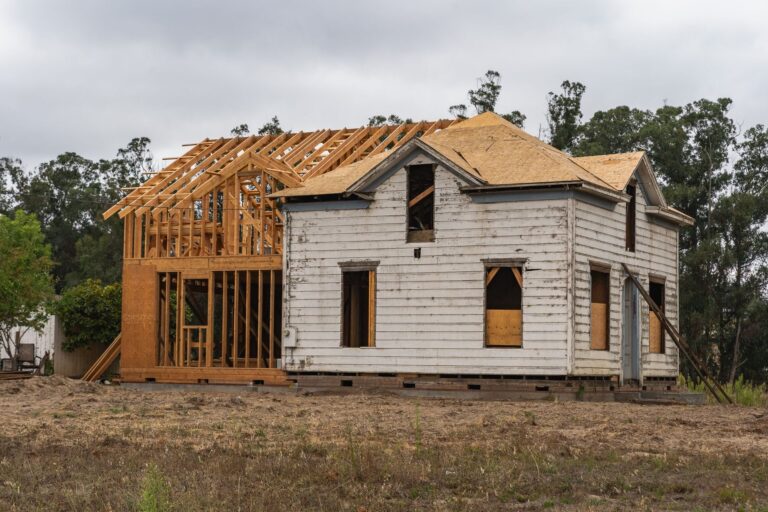
Fire damage rebuild in Utah: how the insurance process actually works
In Utah, repairing a contained single-room fire typically runs $15,000–$45,000; a fire that damages framing or roof structure usually lands between $50,000 and $250,000; and a full demolish-and-rebuild generally prices out at $180–$300+ per square foot. Those are ballpark planning ranges, not quotes — and how much of it insurance covers depends almost entirely on how well the scope gets written.
What does a fire damage rebuild cost in Utah?
Plan around these ranges: smoke and soot remediation runs roughly $4–$7 per affected square foot nationally, and Utah tracks close to that. Repairs escalate fast once fire reaches framing. A whole-structure loss means demolition ($10,000–$30,000 for a typical house) plus new construction at Utah’s current $180–$300+ per square foot. National data from Angi’s 2026 cost survey puts the average restoration claim near $27,000, with a spread from about $3,000 to over $51,000.
Here’s how that breaks down by scenario. Every figure below is a ballpark planning number for Utah County and Salt Lake County — actual pricing comes from a written scope, not a table.
| Scenario | Ballpark range (Utah, 2026 planning numbers) |
|---|---|
| Smoke and soot cleanup only, no structural damage | $4–$7 per affected sq ft |
| Contained single-room fire (repair, refinish, deodorize) | $15,000–$45,000 |
| Kitchen or attic fire with framing repair | $50,000–$150,000 |
| Major structural rebuild of part of the home | $100,000–$250,000+ |
| Demolition of a total loss | $10,000–$30,000 |
| Full demolish-and-rebuild | $180–$300+ per sq ft |
What’s the difference between mitigation and reconstruction?
Mitigation is the emergency phase: board-up, roof tarping, water extraction from firefighting, soot stabilization, and drying. It stops the damage from getting worse. Reconstruction is the build-back: demolition of unsalvageable material, framing, mechanical rough-ins, drywall, and finishes. Insurers treat them as two separate scopes with separate line items — and often separate contractors, which is where handoffs go wrong.
Mitigation starts within hours, sometimes before the adjuster has even visited, because your policy requires you to prevent further damage. That’s emergency stabilization and board-up work: securing openings, shoring anything the fire compromised, and tarping the roof. Firefighting water is its own problem — a structure can take on thousands of gallons, and in a Utah winter that water freezes inside wall cavities if water damage drying doesn’t start immediately.
Reconstruction waits for an approved scope. Rushing it before the adjuster signs off is the single most expensive mistake homeowners make, because work performed outside the approved scope may not be reimbursed.
How does scope alignment with the adjuster actually work?
The adjuster writes a line-item estimate of the loss — usually in Xactimate, the pricing software most carriers require. Your contractor writes their own scope, then the two get reconciled line by line. The claim pays based on the agreed scope, so the goal is alignment before demolition, not an argument after drywall.
The first adjuster estimate on a fire claim is almost never complete. Fire hides damage: soot travels through HVAC ductwork, smoke penetrates insulation and wall cavities, and heat can compromise framing connections that look fine under a flashlight. A contractor who documents thoroughly — photos, moisture readings, itemized notes on every affected assembly — gives the adjuster something concrete to approve. A contractor who says “we’ll figure it out as we go” gives them something to deny.
One more Utah wrinkle: rebuilds must meet current Utah-adopted code, not the code your house was built under. Older homes often need electrical, egress, or insulation upgrades the original structure never had. Whether insurance pays for those depends on your ordinance-or-law coverage — worth checking with your agent before scope negotiations start.
What is a supplement, and why do fire claims almost always need one?
A supplement is a documented request to add items to the approved scope after work uncovers damage nobody could see at inspection. On fire claims, supplements are normal, not adversarial — charred sheathing behind intact drywall, soot inside duct runs, heat-checked framing above a ceiling. Each supplement needs photos, measurements, and line-item justification before the carrier will fund it.
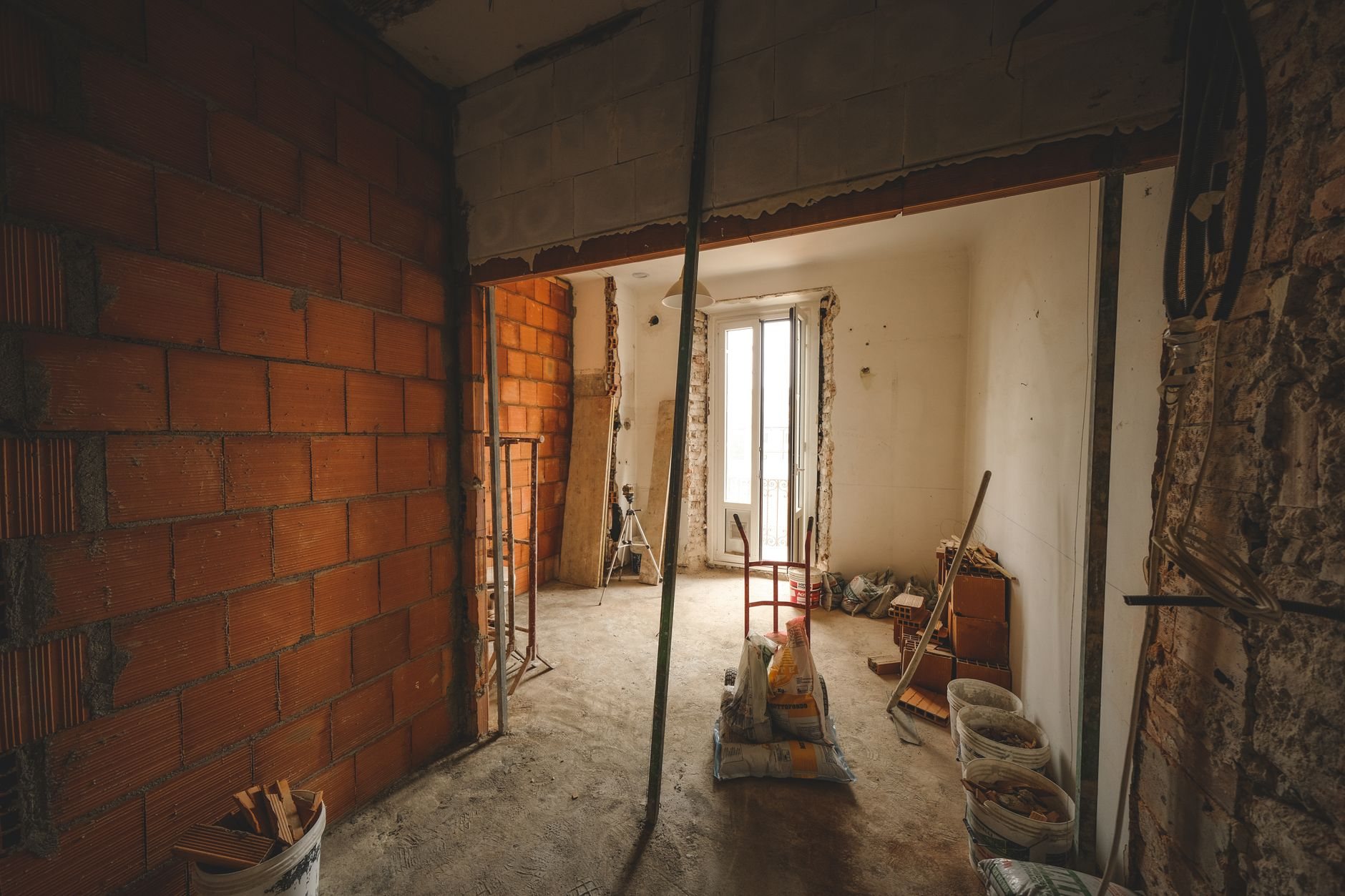
The process is iterative: your contractor opens up an assembly, documents what’s there, submits the supplement, and the adjuster approves, modifies, or disputes it. This is where controlled interior demolition matters — selective, documented tear-out preserves the evidence a supplement depends on. A demo crew that hauls everything to the dumpster before photographing it has just donated that money back to the carrier.
Expect two to five supplements on a significant fire loss. A rebuild where zero supplements were filed usually means damage got covered up, not that none existed.
When does repair become demolish-and-rebuild?
The tipping point is usually structural: when fire has compromised enough framing, roof structure, or foundation-level assemblies that repair costs approach 60–70% of replacement cost, demolition and rebuild becomes the cheaper, better outcome. Carriers run this math too — it’s why some claims settle as total losses even when walls are still standing.
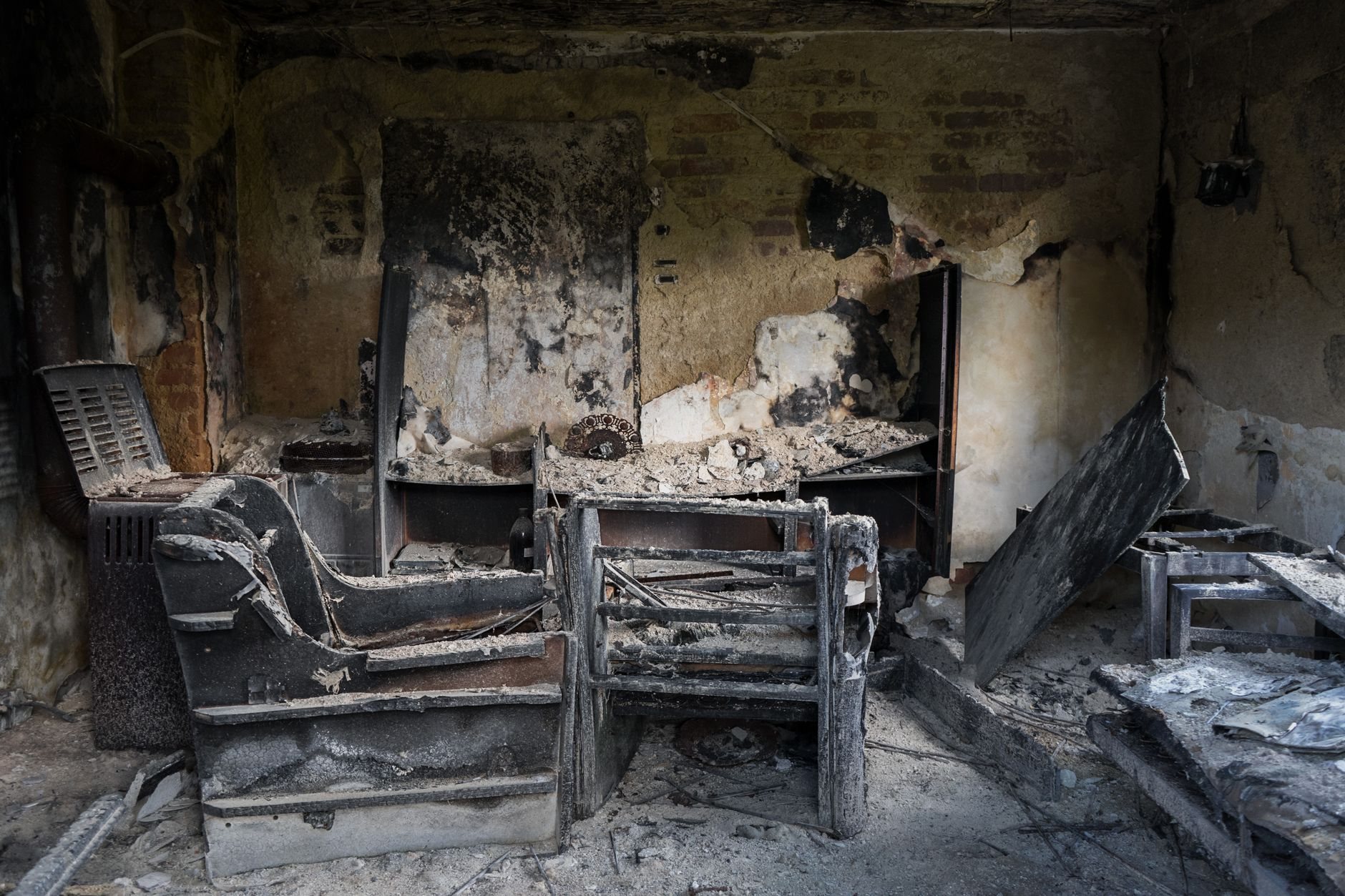
Signals that point toward fire damage demolition rather than repair: charring on structural members deeper than surface level, heat exposure to engineered trusses or beams (which can fail without visible damage), fire travel through multiple floor systems, and pervasive smoke saturation that can’t be sealed or removed economically. Utah’s clay and collapsible bench soils add one more consideration — if you’re rebuilding anyway, it’s the moment to have the foundation and soils evaluated rather than building new framing on old assumptions.
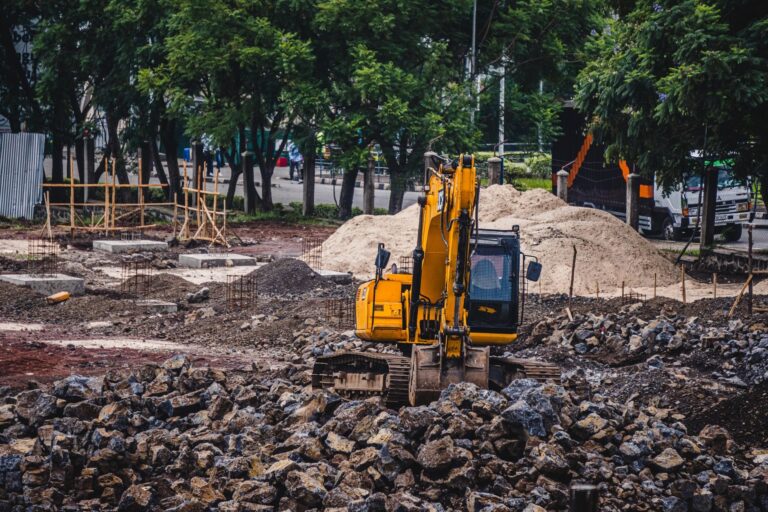
The demolition itself needs a permit, utility disconnects, and often asbestos testing on pre-1980s homes before anything comes down. Fast-growth cities like Lehi and Saratoga Springs process these differently than established Provo or Salt Lake City offices, so the permit path is worth confirming early.
Should you hire a restoration franchise or a general contractor?
Franchises are built for mitigation — they’re fast, well-equipped, and good at drying and cleanup. Reconstruction is a different trade. Rebuilding a fire-damaged structure is general contracting: permits, structural framing, licensed mechanical trades, inspections, finishes. For anything past cleanup, you want a licensed general contractor running the rebuild, whoever handled the mitigation.
A reasonable split: let a mitigation company stabilize and dry, then hand reconstruction to a GC who manages the full build-back and the supplement process with your carrier. Grandview handles fire damage reconstruction under a Utah DOPL B100 general contractor license — verifiable at dopl.utah.gov — and manages licensed electricians, plumbers, and HVAC contractors within the project, sequencing and quality-checking their work through final inspection.
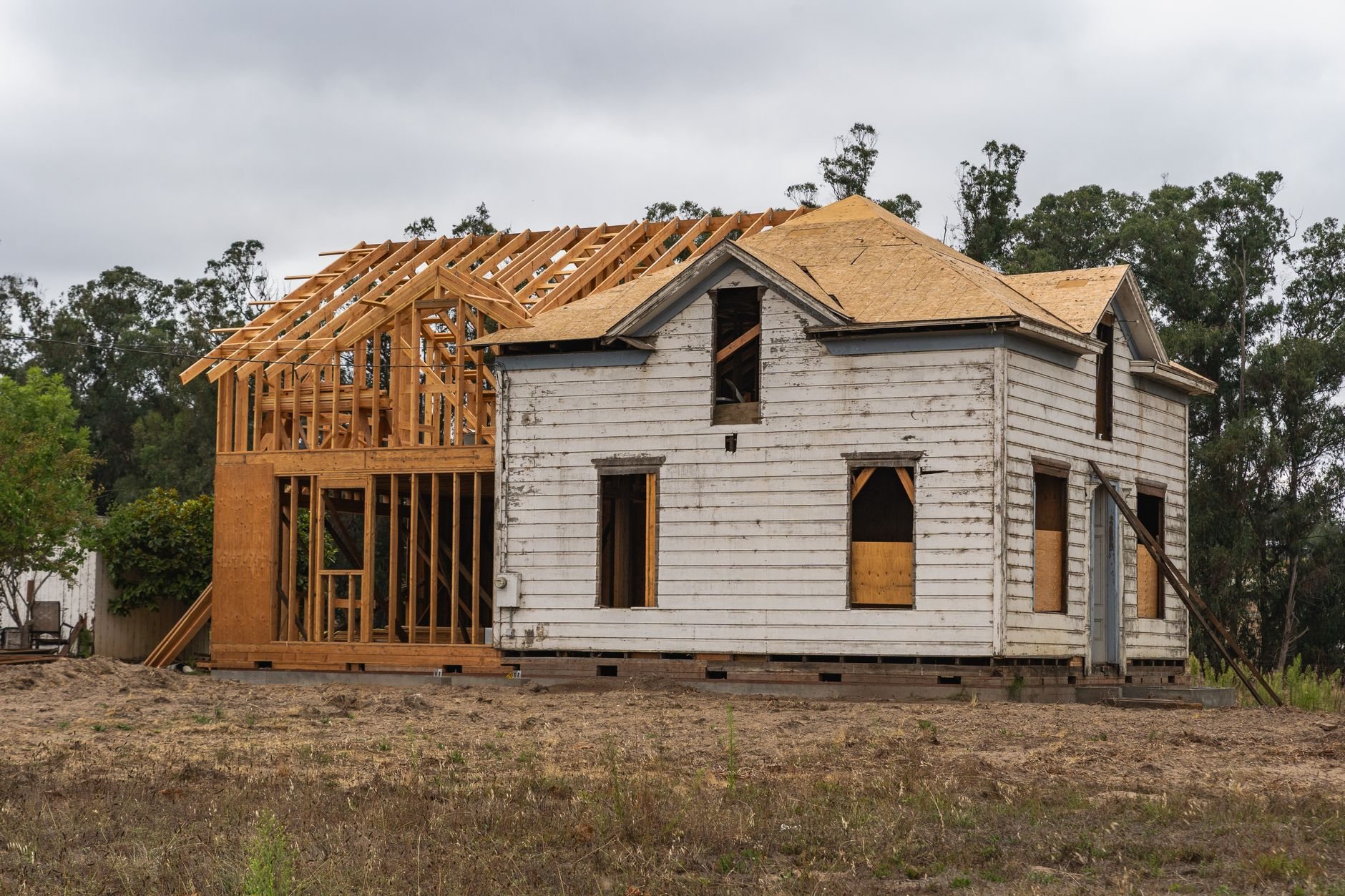
What moves the price up or down?
Five drivers explain most of the spread in fire rebuild costs. Depth of fire travel matters more than square footage — a small fire that reached trusses costs more than a large one that stayed on surfaces. The others: water damage from firefighting, code-upgrade requirements, smoke penetration into HVAC and insulation, and how long the structure sat before mitigation started.
- Structural involvement. Surface damage is cleanup; charred framing is engineering, permits, and rebuild.
- Water and delay. Firefighting water left standing breeds secondary damage; in freeze-thaw season it gets worse faster.
- Code upgrades. Current Utah-adopted code can require electrical, egress, and insulation work the old house never had.
- Smoke pathways. Duct cleaning or replacement, insulation removal, and sealing add real line items.
- Finish level. Insurance pays to restore like-kind quality; upgrading beyond that is your dollar, priced honestly as a separate scope.
When to call us — and when you don’t need to
If the damage is light smoke residue in one room and your carrier is handling cleanup directly, a remediation company may be all you need — no GC required. Call us when there’s structural damage, when the rebuild needs permits and multiple trades, or when the adjuster’s scope doesn’t match what you’re looking at. We’ll give you a straight read on repair versus rebuild before you commit to either. After a fire, the U.S. Fire Administration’s after-a-fire checklist is a solid first-48-hours reference while the claim gets moving.
Rebuilding after a fire?
We reply within a couple of hours during business hours — a day at most. You’ll get an honest assessment of scope, the insurance sequence, and realistic numbers before anyone commits to anything.