
Full & selective demolition contractor in Utah County
Grandview performs full-structure teardowns and selective demolition across Utah County and the Salt Lake Valley under a B100 general contractor license. We handle the permits, utility disconnects, asbestos-survey coordination, and haul-off — and leave you a site that’s actually ready for what comes next.
When full demolition is the right call — and when it isn’t
Some buildings are worth saving. Some only look like it. The honest answer usually comes down to three things: the condition of the foundation, how much of the structure you’d end up replacing anyway, and what the lot is worth with a clean pad on it. When a remodel would replace the roof, the framing, most of the systems, and still sit on a foundation you don’t trust, a teardown is often the cheaper path — and always the more predictable one.
That question is live on projects we’re evaluating right now, including a Salt Lake City structure where the repair math keeps pointing toward full demolition. Older buildings in Salt Lake’s established neighborhoods add one more factor: many pre-war structures are unreinforced masonry, which performs poorly in the seismic conditions the Wasatch fault imposes. Sometimes a retrofit pencils out. Sometimes the honest recommendation is to take it down and build something that meets current Utah-adopted code from the footings up.
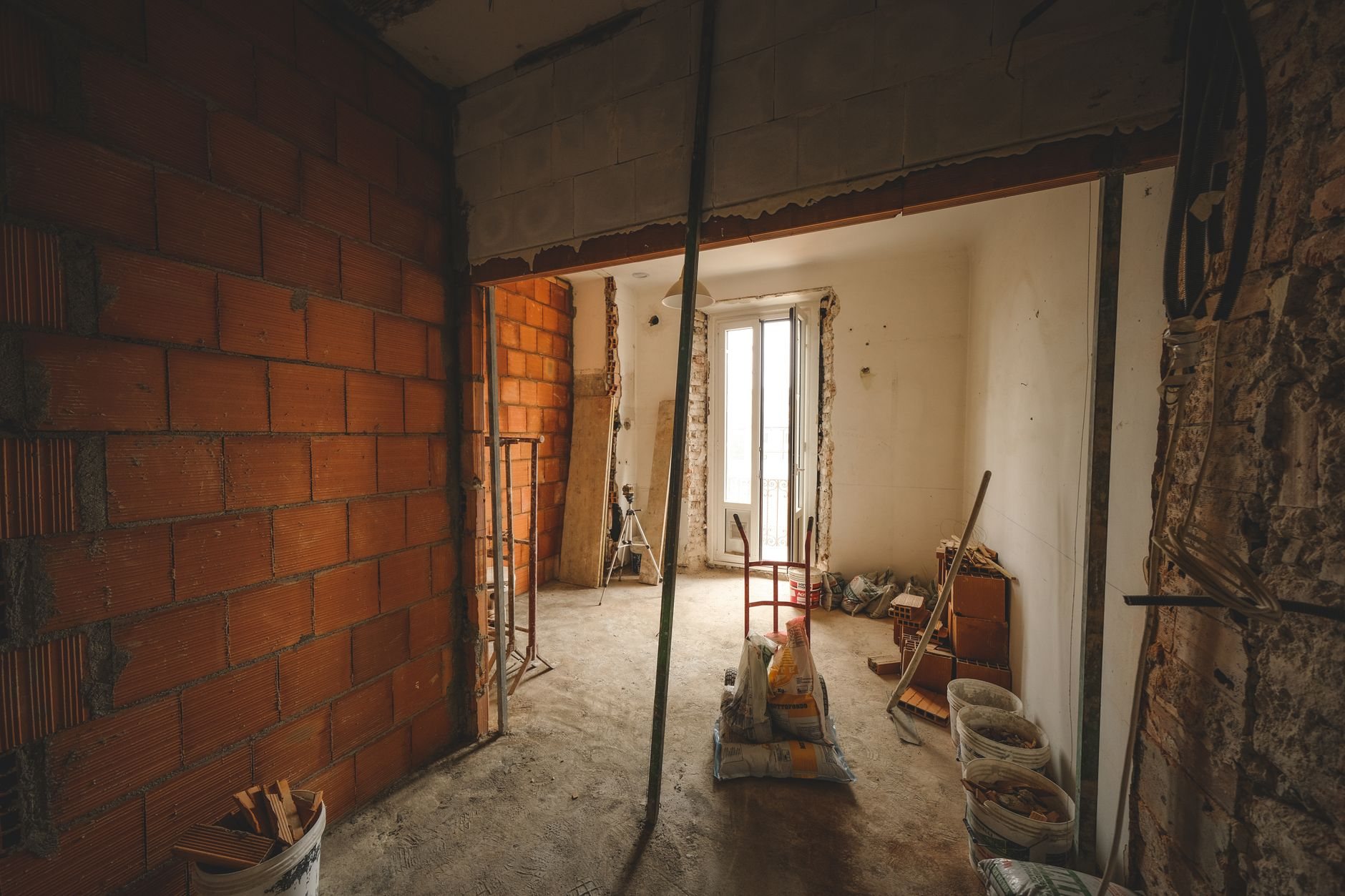
Selective demolition is the other half of the trade — removing an interior down to the studs for a remodel, taking out a wing or an addition while protecting the rest, or cutting a garage off a house without disturbing the shared wall. It’s slower, more surgical work, and it’s where sloppy contractors do expensive damage. The skill isn’t in what comes down. It’s in what stays up.
What’s included when Grandview runs your demolition
A demolition contract with us covers the whole sequence, not just the machine time:
- Permits and notifications. Demolition permit, city-specific requirements, and the state notifications that go with tearing a building down.
- Utility disconnects. Gas, electric, water, and sewer are disconnected, capped, and documented before anything comes down. Cities won’t issue a demo permit without proof, and we don’t start without it.
- Asbestos survey and abatement coordination. Utah requires an asbestos survey before most demolitions, with notice to the Division of Air Quality. Grandview holds the contract and manages certified inspectors and licensed abatement contractors; we coordinate, sequence, and verify their work before demolition begins. Abatement itself is always performed by licensed specialists — that’s the law, and it’s the right way to do it.
- Salvage. If there’s material worth pulling first — cabinetry, fixtures, timber, brick, architectural pieces — we plan salvage into the schedule instead of burying it in the debris pile.
- Structural takedown and haul-off. Machine demolition, sorting, loading, trucking, and landfill or recycling fees, itemized so you can see where the money goes.
- Site closeout. Foundation removal or abandonment as specified, basement backfill with compaction, rough grading, dust and erosion control, and a final walkthrough.
What’s optional depends on what happens next: full foundation removal versus break-and-bury is a real decision if you’re rebuilding, and we’ll walk you through it rather than default to the cheaper line item.
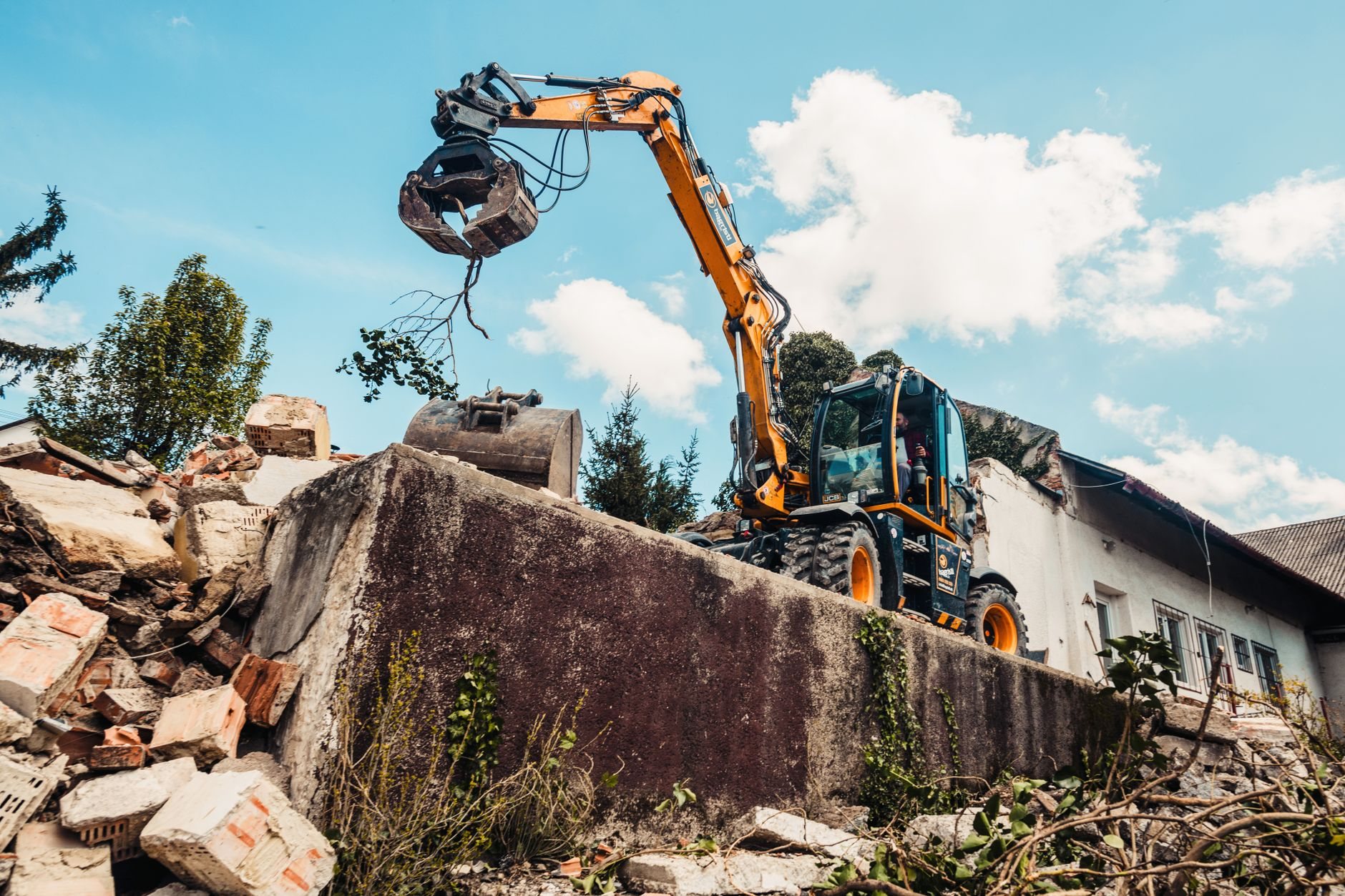
Do you need a permit to demolish a building in Utah?
Yes. Every city we work in, from Provo to Salt Lake City, requires a demolition permit before a structure comes down, and most require documented utility disconnects and an asbestos survey before they’ll issue it. Requirements vary by city, so verify specifics with your local building department — or let us handle that as part of the contract.
The permitting rhythm differs across our service area. Fast-growing cities like Lehi, Saratoga Springs, and Eagle Mountain process high volumes of permits and tend to move on predictable timelines. Established cities — Provo, Orem, Salt Lake City — often have more layers, especially for older structures: historic-district review can apply in parts of Salt Lake City and Provo, and it can add weeks if nobody saw it coming. We check for it before we schedule anything, because a machine sitting idle on your invoice helps no one.
One more paperwork item people miss: the asbestos notification to the Utah Division of Air Quality carries a mandatory waiting period before demolition can start. It’s not a delay if you plan for it. It’s a delay if you don’t.
How a demolition project runs
- Walk the site. We look at structure, access, utilities, neighboring buildings, and what you’re planning afterward — because the end use changes how we take it down.
- Survey and scope. Asbestos survey, salvage decisions, foundation disposition, and a written scope with a firm price. You’ll know what’s included and what isn’t.
- Permits and disconnects. We file the demolition permit, submit the state notification, and get every utility disconnected, capped, and documented.
- Abate if required. Licensed abatement contractors clear any regulated materials, with documentation, before demolition equipment arrives.
- Take it down. Salvage first, then structural demolition with dust control and protection for anything that stays — fences, trees, the neighbor’s driveway.
- Clear and close. Sorting, haul-off, foundation removal or backfill with compaction, rough grading, and a final inspection sign-off.
On selective jobs the sequence is the same but the tools change — more saws and pry bars, fewer excavators, and temporary shoring or weather protection engineered for whatever stays standing. Where structure comes out, framing repairs and new framing tie the remaining building back together.
What does demolition cost in Utah?
As ballpark planning numbers only: a detached garage or small outbuilding typically runs a few thousand dollars; a full single-family teardown along the Wasatch Front commonly lands between $10,000 and $30,000 including haul-off and permits; interior selective demolition often prices in the range of $2 to $8 per square foot. Your number depends on the drivers below — we’ll give you a real figure after a site walk.
What moves the price:
- Hazardous materials. Asbestos or lead abatement is the single biggest variable. A clean survey keeps the budget intact; a positive one adds licensed abatement before anything else happens.
- Access. A corner lot with room for an excavator and trucks is cheap to work. A tight infill lot in Sugar House or downtown Provo means smaller machines, more handwork, and traffic control.
- Basements and foundations. Removing a full foundation and importing structural fill costs more than capping a crawl space. If you’re rebuilding, the backfill has to be compacted in lifts — on the expansive clays and collapsible bench soils common along the Wasatch Front, a poorly compacted demo hole becomes the next owner’s settlement problem.
- Haul distance and tipping fees. Debris weight and the drive to the landfill or recycler are real line items. Sorting concrete and metal for recycling can claw some of it back.
- Season and site conditions. Demolition runs year-round here, but summer monsoon cloudbursts can turn an open basement excavation into a retention pond. Erosion control and dewatering are part of the plan, not a surprise change order.
Questions we actually get
How long does it take to demolish a house?
The takedown itself is usually one to three days. The full project — survey, permits, utility disconnects, abatement if needed, demolition, haul-off, and backfill — typically runs three to eight weeks, and the paperwork is most of that. Utility disconnect scheduling and the state’s asbestos-notification waiting period set the pace more than the excavator does.
What has to happen before demolition can start?
Four things, in order: an asbestos survey (with abatement by licensed contractors if anything turns up), documented disconnection and capping of gas, electric, water, and sewer, a demolition permit from the city, and the notification to Utah’s Division of Air Quality. Skipping any of them stops the job — cities won’t issue the permit without disconnect proof.
What’s the biggest cost variable on a demolition job?
Hazardous material abatement. Homes built before the 1980s frequently contain asbestos in flooring, insulation, siding, or ceiling texture, and abatement by licensed specialists happens before demolition can proceed. After that, it’s access, basement backfill, and haul-off tonnage. We price all of it in a written scope so the number you approve is the number you pay.
Can you take down part of a structure and leave the rest?
Yes — that’s selective demolition, and it’s most of what we do inside remodels and additions. We shore what stays, protect finishes and weather-seal exposed openings, and cut structure cleanly at planned lines. It costs more per square foot than machine demolition because it’s careful work, and careful is the point.
What happens to the debris?
It gets sorted, loaded, and hauled to a licensed landfill or recycler, with tipping fees itemized in your contract. Concrete and metal are usually worth recycling; clean concrete can sometimes be crushed for reuse as fill or road base. If the house has salvageable material, we pull it before the machines start, not after.
Do you handle the rebuild too?
Yes. Demolition, excavation, foundation, and the new structure can run under one contract and one accountable team, which means the demo decisions — foundation removal, backfill compaction, grading — are made with the rebuild in mind. Plenty of clients hire us for demolition alone; either way you get a site that’s genuinely ready.
What usually comes after the teardown
Demolition is step one of something. If you’re clearing for a rebuild, excavation and grading shapes the pad and any pier or footing questions run through foundation work. New driveways and flatwork often replace what the trucks chewed up. And the rest of the site and structural sequence — from dirt to weathertight — lives under site, structure & envelope. Problems happen. Surprises should not.
Tell us what needs to come down
Send us the address and what you’re planning, and we’ll give you a straight read on scope, permits, and budget — usually within a couple of hours during business hours, a day at most.