What an apartment unit turn really costs (PM breakdown)
Along the Wasatch Front, a light turn — paint touch-up, patch, clean, re-key — typically runs $500–$1,500 per unit; a standard full turn lands around $1,500–$3,500; and a heavy turn with new flooring and appliance swaps runs $3,500–$7,000. Those are ballpark planning numbers, not quotes, and the bigger lever is usually turn time: every vacant day on a $1,500 unit costs about $50 in lost rent.
What does an apartment unit turn cost in Utah?
For Utah County and Salt Lake County multifamily properties, plan on $500–$1,500 for a light turn, $1,500–$3,500 for a standard turn, and $3,500–$7,000 for a heavy turn — per unit, as ballpark planning numbers. That tracks the national picture: in a National Apartment Association survey, most property management firms reported average turn costs of $1,500–$3,500 per unit, and nearly one in five reported more than $3,500.
The spread is wide because “turn” covers everything from a two-day freshen-up to a near-gut of a unit that housed a decade of deferred maintenance. The honest way to budget is by tier, then track what your portfolio actually averages over a year. Our unit turn programs are built around exactly that: scoped tiers, per-unit pricing, and a schedule you can hold us to.
What’s included at each turn tier?
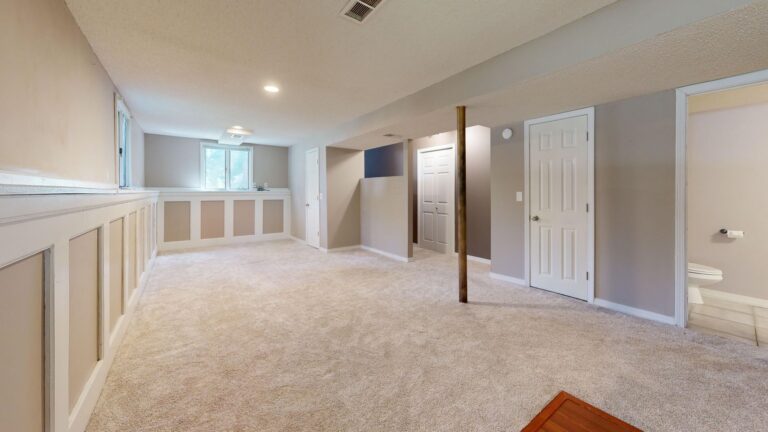
Three tiers cover most turns. A light turn is cosmetic reset only. A standard turn adds a full repaint and flooring attention. A heavy turn replaces finishes and appliances that are at end of life. The table below shows typical Wasatch Front per-unit ranges for a one- or two-bedroom apartment — ballpark figures for planning, not a quote.
| Turn tier | Typical scope | Ballpark per-unit range (Utah) | Typical duration |
|---|---|---|---|
| Light turn | Touch-up paint, drywall patch, deep clean, re-key, blinds, bulbs, caulk | $500 – $1,500 | 1–3 days |
| Standard turn | Full repaint, carpet clean or partial flooring replacement, hardware, minor plumbing/electrical fixture swaps | $1,500 – $3,500 | 3–7 days |
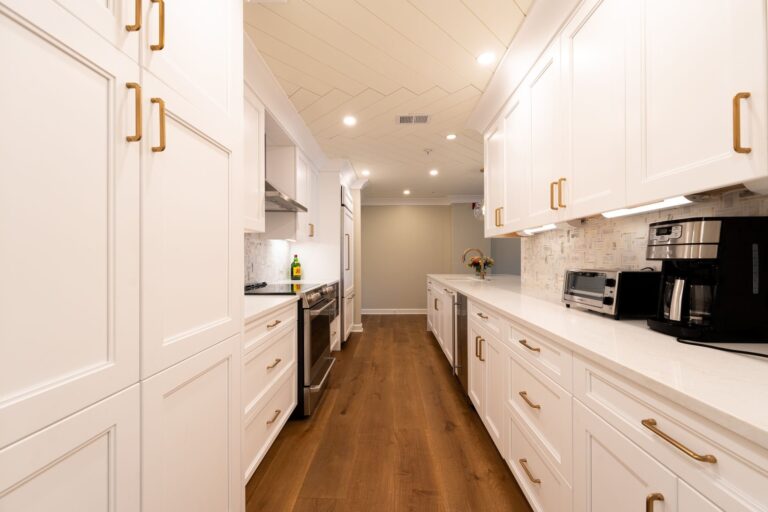
| Heavy turn | Full LVP or carpet replacement, appliance swaps, tub refinish or surround, cabinet paint, door and trim repair | $3,500 – $7,000 | 1–2 weeks |
| Value-add renovation | New counters, cabinets, flooring, lighting, and fixtures to reposition the unit at a higher rent | $8,000 – $20,000+ | 2–4 weeks |
The fourth line isn’t really a turn — it’s a renovation decision. If your market supports a meaningful rent premium, a value-add unit renovation at move-out is often the cheapest time to do it: the unit’s already empty, and you’re already paying the vacancy.
How does turn time compare to vacancy loss?
Vacancy loss frequently exceeds the make-ready invoice. A $1,500-per-month unit loses about $50 per vacant day; at $1,900, roughly $63. The national multifamily average runs around 41 days vacant per turn, and the NAA’s income/expense benchmarking put vacancy and rent loss at over $1,300 per unit annually industry-wide.
Run the math on your own portfolio: a 100-unit property with 40% annual turnover and 30 vacant days per turn at $1,500 rent loses about $60,000 a year to vacancy alone. Cut average turn time from 14 days to 7 and you recover $350 per turn — often more than the difference between a cheap crew and a reliable one. Paying slightly more for a contractor who actually starts on the scheduled day is usually the better trade. We see dependencies before they become delays.
What moves the price up or down?
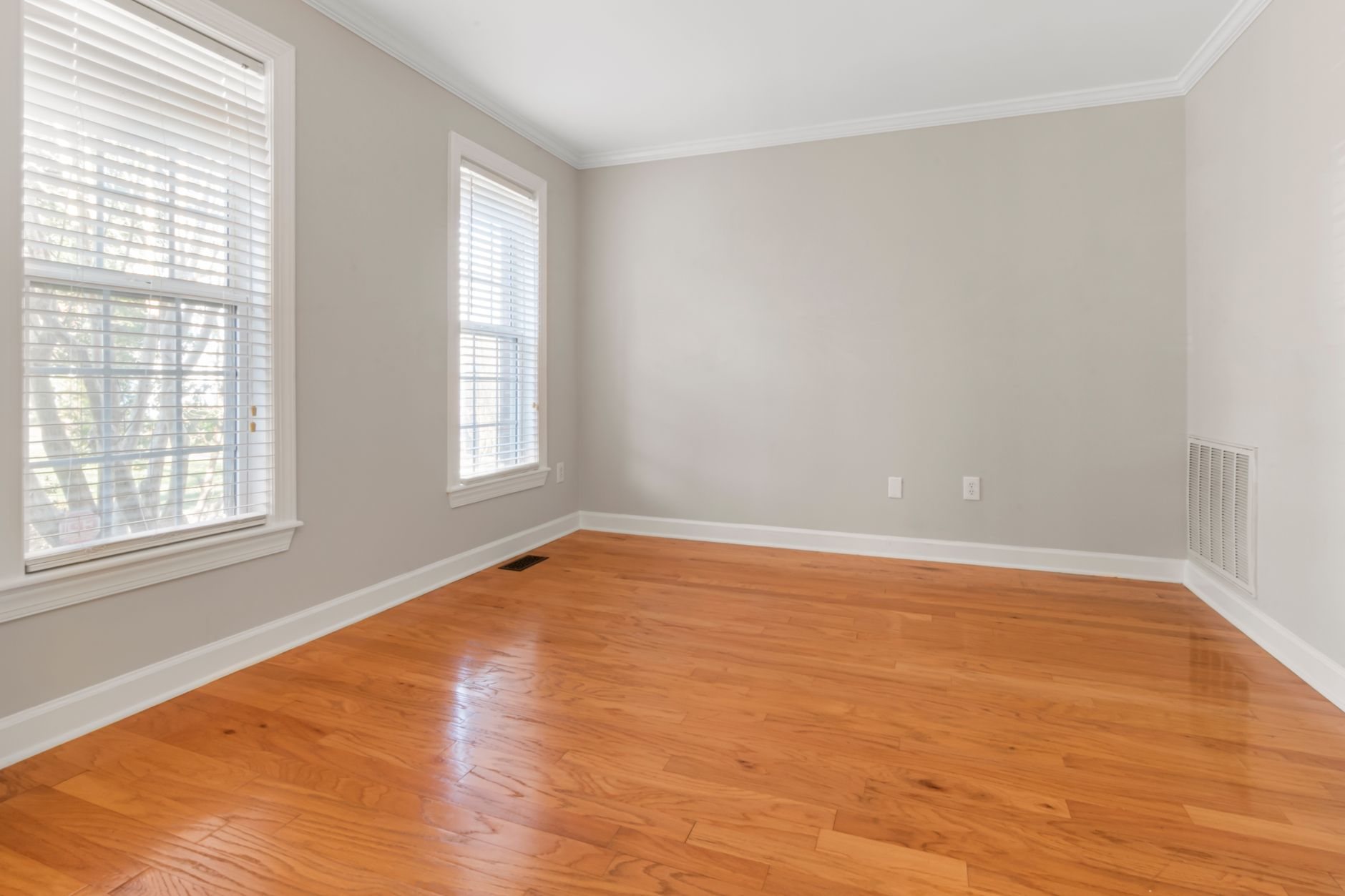
Five factors drive most of the variance between a $900 turn and a $5,000 one: tenancy length, flooring condition, paint scope, appliance age, and access. A long tenancy usually means full repaint and full flooring at once — budget for the heavy tier even if the tenant was careful.
- Tenancy length. Five-plus years almost always means full repaint and flooring replacement rather than touch-up — the wear is uniform, so spot fixes read as patches.
- Flooring choice. Carpet is cheaper per turn but replaced more often; LVP costs more up front and survives several tenancies. Most Utah operators we work with have moved common areas and kitchens to LVP for this reason.
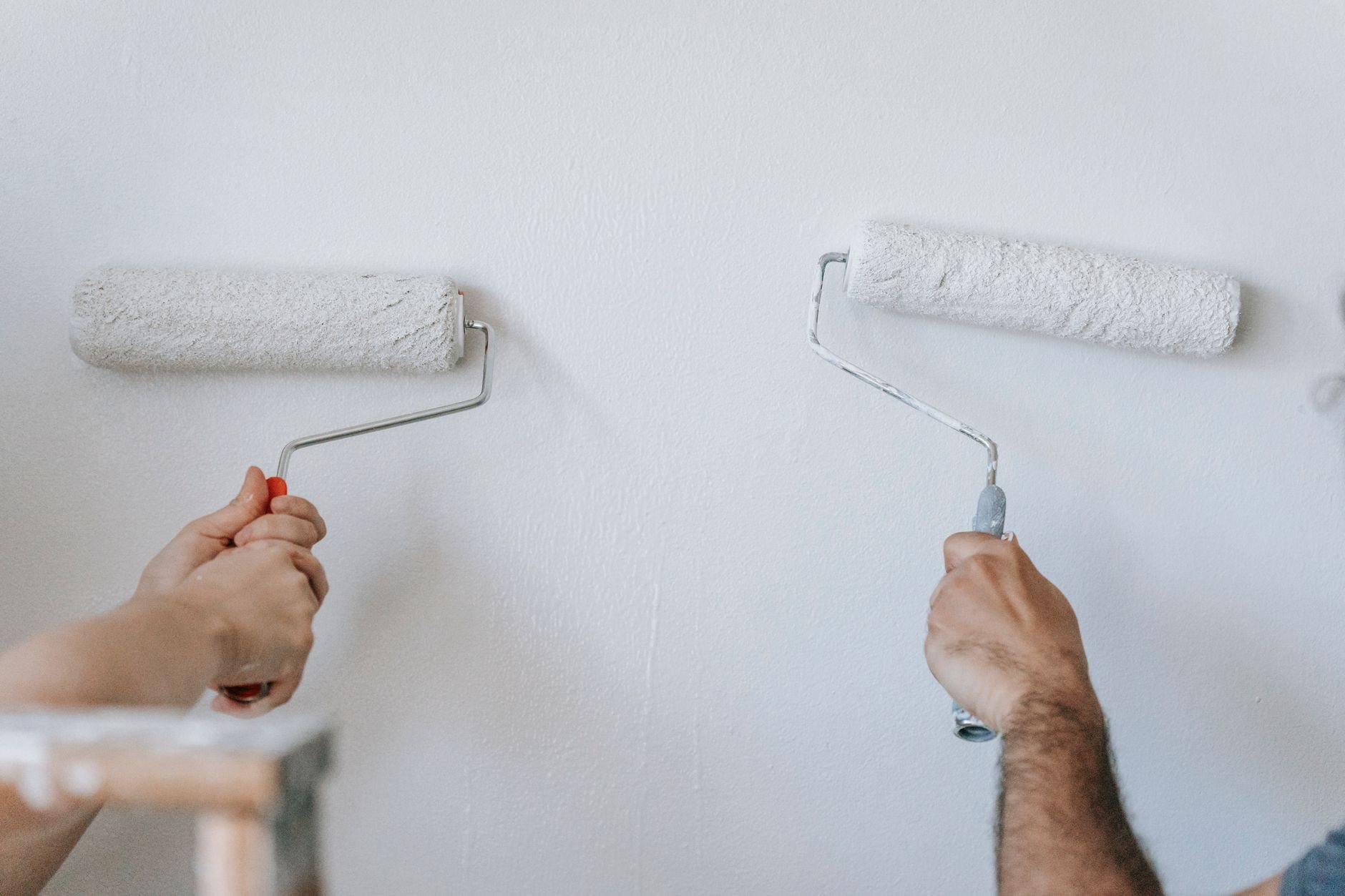
- Paint scope. Touch-up only works if you keep the exact color and sheen on file. One undocumented color change forces a full repaint — roughly $1,000–$2,500 per unit as a ballpark, depending on size and ceiling height.
- Water-related surprises. Utah’s hard water scales fixtures, valves, and water heaters faster than most PMs expect. Angle stops and supply lines that won’t shut off cleanly turn a faucet swap into a small plumbing ticket. Grandview holds the contract and manages licensed plumbers for that work; we coordinate, sequence, and quality-check it within the turn.
- Access and stacking. Third-floor walk-ups cost more to floor and furnish with appliances. Turning several units in one building on one mobilization costs less per unit than scattered one-offs.
How do volume turn programs change the math?
Volume changes turn economics in three ways: standardized unit specs cut decision time to zero, batched scheduling cuts mobilization cost, and a running scope sheet cuts surprises. On a program basis — say, 5 to 20 turns a month across a portfolio — per-unit pricing typically improves 10–20% versus one-off bids, and turn duration tightens because the crew already knows the buildings.
A standing program also gives you one number to manage instead of thirty invoices. We run apartment unit turns on fixed per-tier pricing with agreed turn-time targets, and bulk unit renovation when an owner wants to upgrade a whole property in phases without emptying it. For everything between turns — the work orders, leaks, and door hardware that don’t wait for move-out — that’s property maintenance, and it pairs naturally with a turn program because the same contractor already knows your units.
When should you call a contractor instead of your in-house team?
Keep light turns in-house if your maintenance techs have the hours — clean, patch, touch-up, and re-key are exactly what a good on-site team does well. Call a contractor when the scope crosses into full repaints, flooring replacement, tub refinishing, or anything requiring licensed trades, and whenever turn volume exceeds what your team can finish inside your vacancy target.
The honest tipping point is schedule, not skill. If turns are stretching past ten days because your techs are also running work orders, the vacancy loss is quietly paying for a contractor you don’t have yet. That’s the situation most of the property managers we work with were in when they called. And if the real gap is coverage between turns rather than the turns themselves, on-call property maintenance is the smaller commitment to start with.
One caveat: a single specialty item — one appliance repair, one glass replacement — goes straight to the specialist. You don’t need a general contractor to change a dishwasher. You need one when the dishwasher, the flooring, the paint, and the schedule all have to land in the same week, thirty times a year.
Get a per-unit number for your portfolio
Send us your unit mix and typical turn scope and we’ll give you a straight per-tier price and a turn-time target. We reply within a couple of hours during business hours — a day at most.