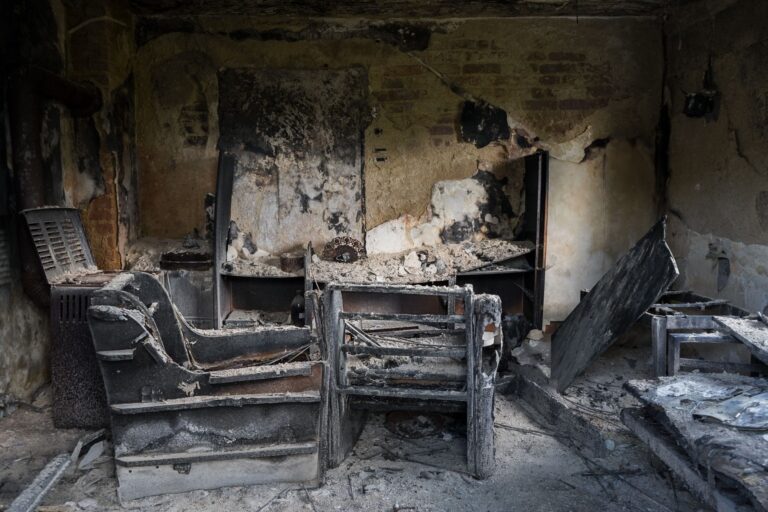
Commercial demolition cost in Utah: full teardown vs strip-out
Most commercial demolition along the Wasatch Front lands between $4 and $10 per square foot. A full teardown of a smaller building typically runs $4–$8 per square foot; an interior strip-out for a remodel or tenant improvement runs $4–$8 as well, but the two numbers cover very different work. These are ballpark planning ranges, not quotes — asbestos, access, and disposal distance move them fast.
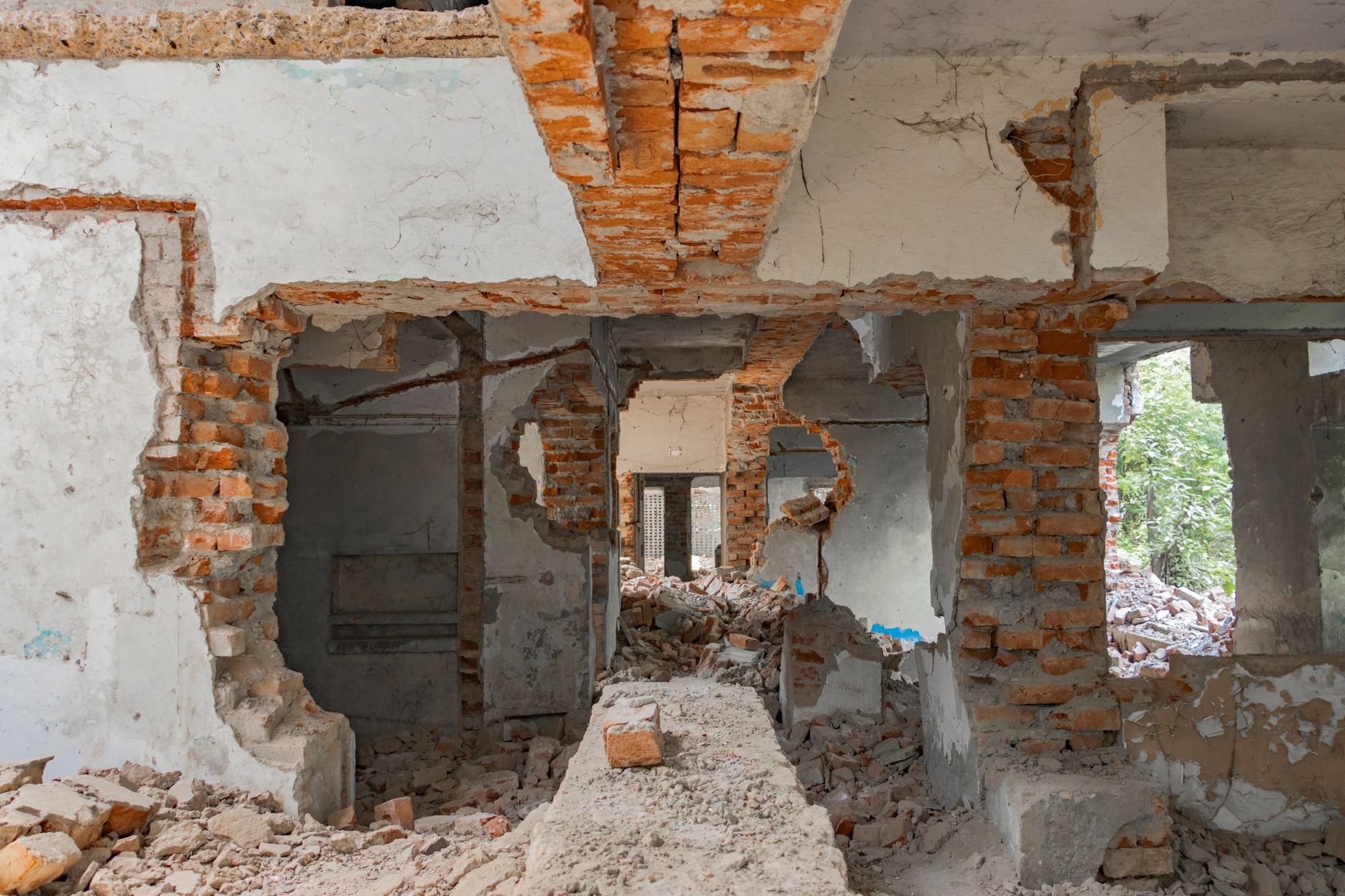
What does commercial demolition cost per square foot in Utah?
Plan on $4–$8 per square foot to take down a commercial building under 10,000 square feet, and $8–$15+ per square foot as buildings get larger, taller, or tighter to their neighbors. Interior strip-outs run $2–$8 per square foot depending on how much comes out. Utah pricing generally sits below coastal metros, but landfill distance and tipping fees still matter here.
The table below shows the ballpark planning ranges we use in early budget conversations. They align with published national data — Hometown Demolition’s commercial cost guide puts most small-to-mid commercial teardowns in the same $4–$12 band — adjusted for what we see bidding work in Utah County and Salt Lake County.
| Scope | Ballpark Utah range (per sq ft) | What’s included |
|---|---|---|
| Light interior strip-out | $2 – $5 | Ceilings, flooring, casework, non-structural partitions; dumpsters and haul-off |
| Full interior gut (selective demolition) | $4 – $8 | Everything back to shell and structure; MEP demo coordination; protection of what stays |
| Full teardown, under 10,000 sq ft | $4 – $8 | Structure down, debris hauled, slab and footings out, site rough-graded |
| Full teardown, 10,000+ sq ft or constrained site | $8 – $15+ | Larger equipment, engineered demolition plan, traffic control, longer haul cycles |
| Asbestos abatement (if survey finds it) | +$2 – $3 | Certified abatement contractor, containment, clearance testing — added to the base scope |
All figures are ballpark planning numbers for budgeting, not a promise of price. A site walk and a hazmat survey are what turn a range into an estimate.
What’s the difference between a full teardown and a strip-out?
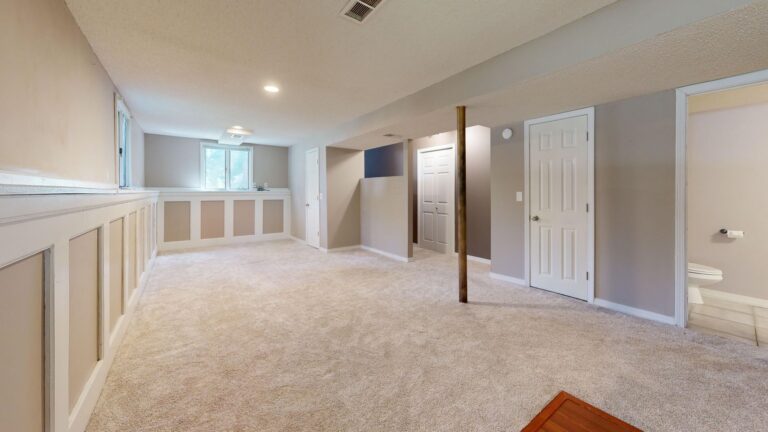
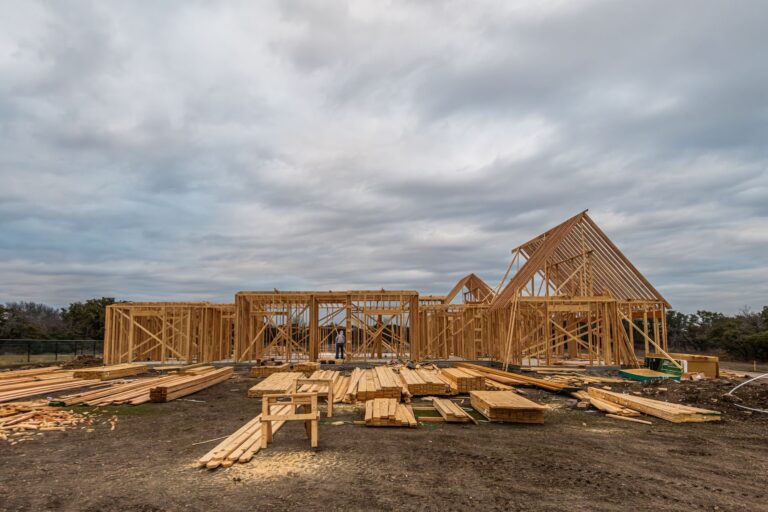
A full teardown removes the entire structure — walls, roof, slab, footings — and leaves a rough-graded pad ready for new construction. A strip-out (selective demolition) removes interior finishes and systems while protecting the shell, the structure, and often occupied neighboring suites. Teardowns are priced by machine time and disposal tonnage; strip-outs are priced by labor and care.
That distinction is why the per-square-foot numbers can look similar while the projects feel nothing alike. A teardown crew works fast with an excavator and a steady stream of trucks. A strip-out crew works around fire sprinklers that must stay live, demising walls that stay up, and a landlord’s rules about when the freight elevator is yours. If your demolition is step one of a ground-up commercial build, a teardown is usually the path. If it’s step one of a tenant improvement, you’re pricing a strip-out.
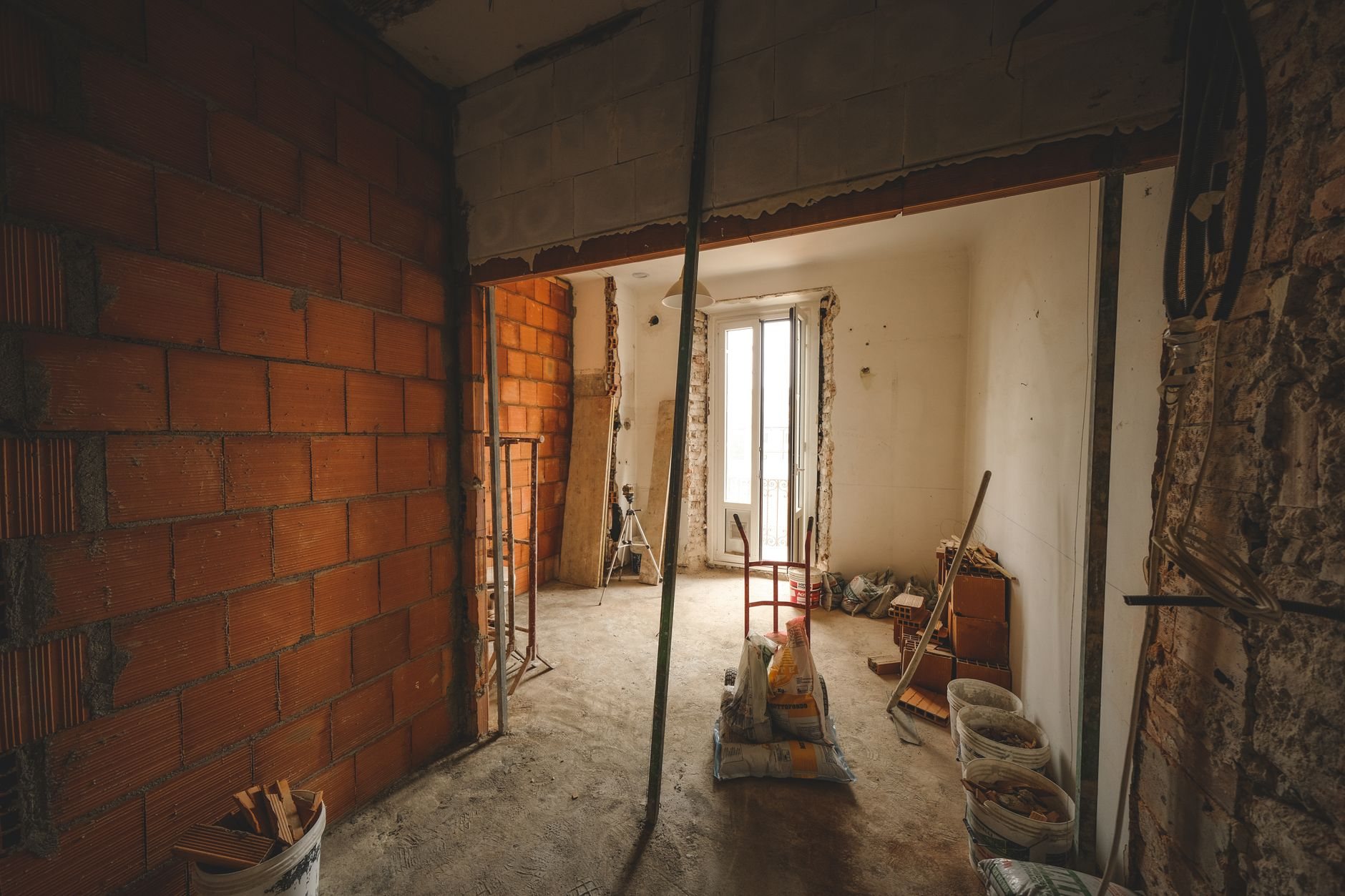
Do I need a hazmat survey before demolition in Utah?
Yes — for essentially every commercial building. Utah’s Division of Air Quality enforces the federal asbestos NESHAP rule, which requires an asbestos inspection by a Utah-certified inspector before any commercial demolition or renovation that disturbs building materials. The survey itself typically runs a few hundred to a few thousand dollars depending on building size and the number of samples.
If the survey finds regulated asbestos-containing material, a certified abatement contractor removes it before demolition starts, and the state gets advance notification. Details and forms are on the Utah DEQ requirements-prior-to-demolition page. Buildings from before the mid-1980s frequently test positive — floor tile mastic, pipe insulation, sprayed ceilings — and lead paint surveys often ride along on the same visit. Budget the survey early; it’s the single most common source of demolition schedule slips, because abatement can’t be rushed and can’t be skipped.
What do utility disconnects and permits add?
Every teardown requires documented disconnects for gas, electric, water, and sewer before the demolition permit is issued — typically $1,000–$5,000 total in fees and contractor work, more if a sewer lateral must be capped at the main. Demolition permits themselves are usually a few hundred to a couple thousand dollars, varying by city.
Timelines vary too. Fast-growth cities like Lehi and Saratoga Springs process high volumes and post their requirements clearly; established Provo, Orem, and Salt Lake City processes have their own rhythms, and downtown SLC work can add traffic-control and sidewalk-closure permits. Verify specifics with the city building department before you lock a schedule. We handle disconnect scheduling and permit submittals as part of demolition scope — it’s coordination work, and dropped handoffs here cost more than the fees do. Our preconstruction and estimating process front-loads these line items so they don’t surprise anyone in month two.
Can salvage credits actually lower the price?
Sometimes, modestly. Structural steel, copper, aluminum, and brass have real scrap value, and a demolition contractor typically nets that against the bid — on a steel-framed building it can trim the price a few percent. Concrete can often be crushed and reused on-site as structural fill, saving both disposal and import costs.
Be realistic about the rest. Used doors, fixtures, and casework rarely return more than the labor it takes to remove them gently, though donation to a reuse outlet can have tax value worth asking your accountant about. The honest framing: salvage is a discount on the margins, not a funding strategy. Where it pays most is concrete — if your next phase needs fill, crushing on-site pairs naturally with the excavation and grading that follows a teardown, and it keeps truck traffic off neighborhood streets.
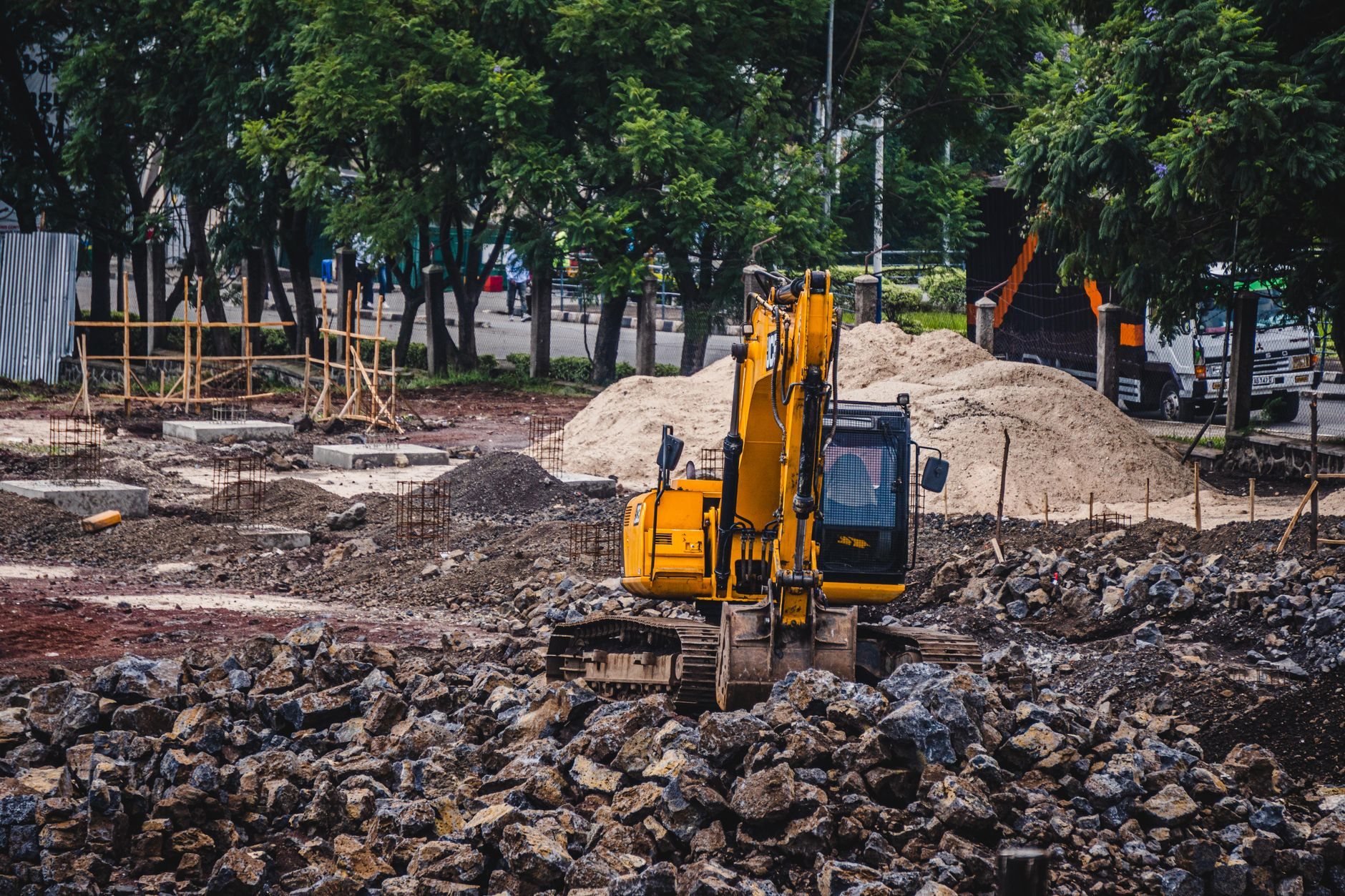
What moves the price up or down?
Two identical square footages can bid 50% apart. These are the levers that matter most in Utah:
- Hazmat findings. Asbestos abatement adds roughly $2–$3 per square foot to affected areas; a clean survey is the cheapest good news you’ll ever get.
- Structure type. Wood frame comes down cheap. Reinforced concrete and masonry take bigger machines, more time, and heavier disposal tonnage.
- Site access. A standalone building with a big yard is one price; a zero-lot-line building sharing a wall with an open business is another.
- Disposal distance. Haul cycles to the landfill or recycler are a real line item — sites far from a transfer station pay for windshield time.
- Foundations and flatwork. “To grade” and “footings out, pad ready” are different scopes. Say which one you’re pricing.
- Occupied neighbors. Dust control, vibration limits, off-hours work, and protection of adjacent suites all add labor to strip-outs.
- Season and soil. Winter work on the Wasatch Front means frozen ground, freeze–thaw mud cycles, and slower haul roads — expansive clay sites get worse when wet.
When should you call a general contractor vs a demolition specialist?
Call a demolition-only specialist when the teardown is the whole project — you’re clearing a pad to sell or land-bank, full stop. Call a general contractor when demolition is phase one of something bigger, because sequencing the demo with what comes next is where money is saved or lost.
Grandview runs demolition as part of the broader site and structure scope: we coordinate the hazmat survey and licensed abatement contractor, schedule disconnects, pull permits, and hand the graded site directly to the excavation and foundation crews without a gap week. On strip-outs, we protect what stays because we’re usually the ones building what comes next. One contract, one schedule, one party responsible. Problems happen. Surprises should not.
Get a straight number for your demolition
Send us the address and what you’re planning to build or remodel. We’ll walk the site, flag the hazmat and permit questions early, and give you a real budget range — usually within a couple of business hours, a day at most.