
Emergency stabilization & board-up services in Utah
When fire, wind, water, a vehicle, or a break-in leaves a building open, the first job is making it weathertight, secure, and safe — before the damage compounds. Grandview boards up openings, tarps roofs, shores compromised structure, and photographs everything your insurance carrier will ask about, under a Utah B100 general contractor license.
Discuss a project Or call (385) 236-1741
We work Monday–Friday, 8am–5pm, and move fast inside those hours. After hours, call anyway — we do our best.
The hours after damage decide the weeks after it
The calls follow a pattern. A homeowner after a kitchen fire, standing in front of a house with a hole in the roof and a front door the fire department took off its hinges. A property manager with a storefront window in pieces on the sidewalk at opening time. An owner whose garage wall met a car, or whose roof lost a fight with one of the canyon-wind events that come screaming out of the Wasatch a few times a year and peel shingles off buildings that had handled every ordinary storm for decades.
What all of them have in common: an opening that shouldn’t exist, and a clock. An unsecured building invites water, theft, vandalism, and liability. During summer monsoon season, a cloudburst can put an hour’s worth of rain through a compromised roof in ten minutes. In January, an open wall means frozen pipes on top of whatever loss you started with. And your insurance policy almost certainly requires you to protect the property from further damage — waiting is the one move that costs you twice.
Stabilization is temporary work done to a permanent standard. Plywood screwed to framing, not glass. Tarps battened to structure with fastening that respects what wind does along the Wasatch Front. Shoring sized for the load it’s actually carrying. It buys you the time to run the claim and plan the rebuild properly instead of under duress.
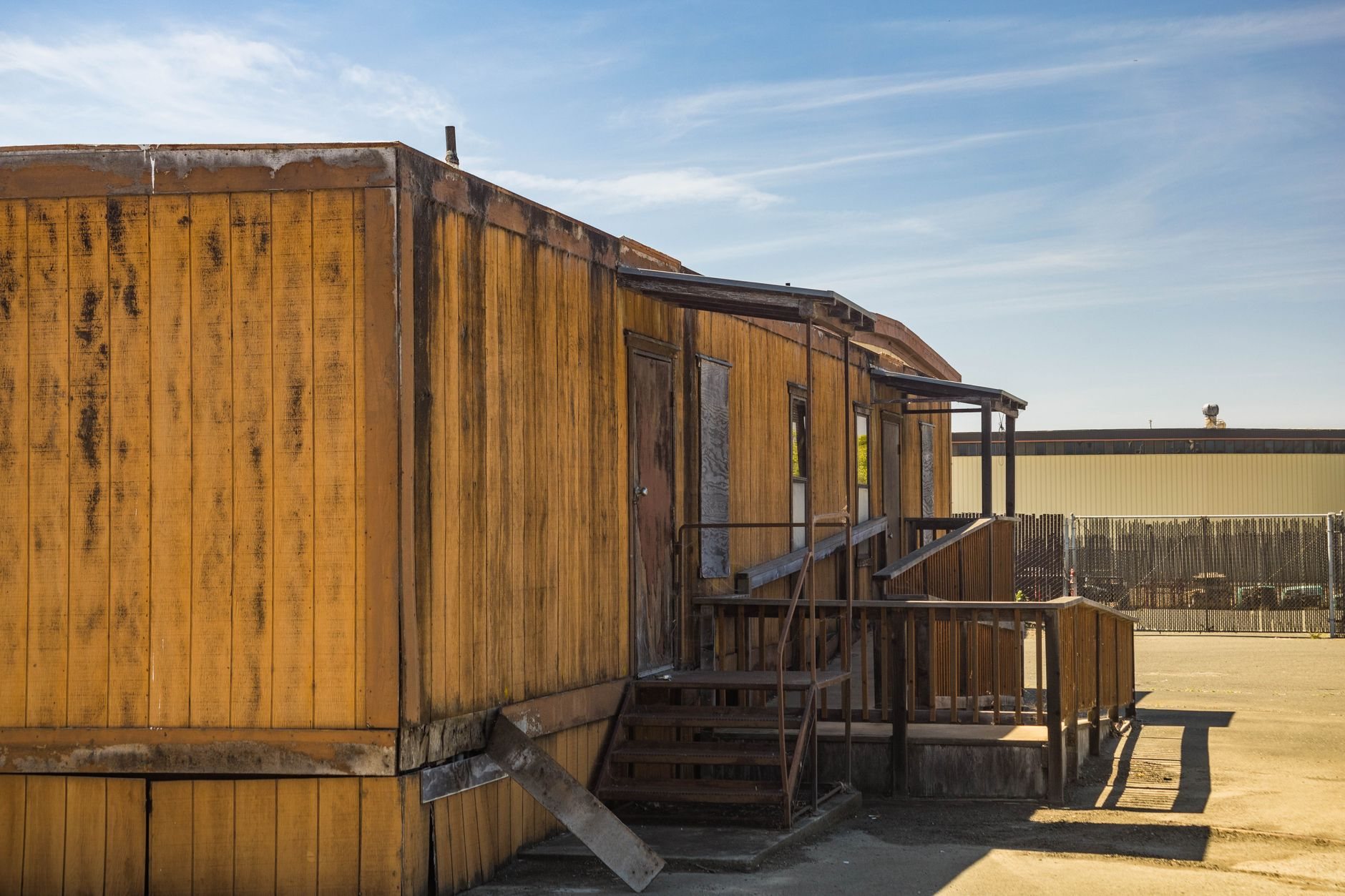
Are you a 24/7 emergency board-up service?
Not in the dispatch-desk sense, and we’d rather say that plainly than imply a call center we don’t run. Our hours are Monday through Friday, 8am to 5pm. Inside those hours we move fast — Jordan answers the phone directly, and a crew can often be securing your building the same day. After hours, call anyway: if we can get there sooner, we will, and you’ll hear back first thing regardless.
If you’re reading this in the middle of the night with an active emergency, sequence matters. Anything involving fire, gas smell, or downed lines is a 911 and utility-company call first — nobody boards up a building the fire department hasn’t released. If water is actively running, shut off the supply at the main and call a mitigation company for extraction and drying; that’s their scope, and the good ones run around the clock. Then call us. Board-up, tarping, and shoring are what happen once the building is safe to touch, and a few hours’ difference there rarely changes the outcome the way standing water does.
What does emergency stabilization include?
Emergency stabilization is every temporary measure that stops a damaged building from getting worse: boarding up broken doors, windows, and storefronts; tarping compromised roofs; shoring structure that can no longer be trusted to carry its load; securing the site against entry; and photographing all of it for your insurance claim.
- Board-up. Doors, windows, and storefront openings closed with plywood or OSB, fastened to framing — sized so the eventual removal doesn’t create a second repair.
- Roof tarping. Heavy-gauge tarps battened down through the sheathing, with fastening schedules chosen for canyon-wind gusts, not calm-day optimism.
- Temporary shoring. Posts and beams supporting fire-weakened framing, impact-damaged walls, or headers over removed sections — engineered where the damage warrants it.
- Site security. Temporary fencing, locked openings, and closed access points so an empty damaged building stays empty.
- Weather sealing. Poly sheeting and temporary flashing over wall penetrations, broken skylights, and torn-open eaves.
- Documentation. Timestamped photos of the loss before we touch anything, and of our temporary work after — so the carrier can tell the two apart.
Just as important is what stabilization isn’t. We don’t extract water or run drying equipment — that’s mitigation-company scope, and we’ll coordinate directly with yours so the handoff doesn’t stall. Where damage has left electrical or gas systems unsafe, Grandview holds the contract and manages the licensed electricians and plumbers who make them safe, sequencing and quality-checking their work within the job. And when the temporary work is done, the permanent work begins: fire damage reconstruction and water damage restoration are the pages where that story continues.
How a stabilization call runs
- Call and triage. Two minutes on the phone: what happened, whether the building has been released as safe, what’s open to the weather, and whether utilities are off. We tell you honestly when we can be there.
- Walk and document. On site, photos come before tools. We record the loss as we found it — the carrier needs the untouched condition, and so does the rebuild scope.
- Make it safe. Shoring first where structure is in question, then board-up, tarping, and weather sealing, working from the biggest exposure down.
- Secure and hand off. Openings locked or fenced, keys and access documented, and an itemized invoice with the photo set — formatted the way adjusters read.
- Plan the rebuild. If you want us for the permanent repair, we scope it while the damage is fresh in front of us. If you don’t, the documentation still travels with you.
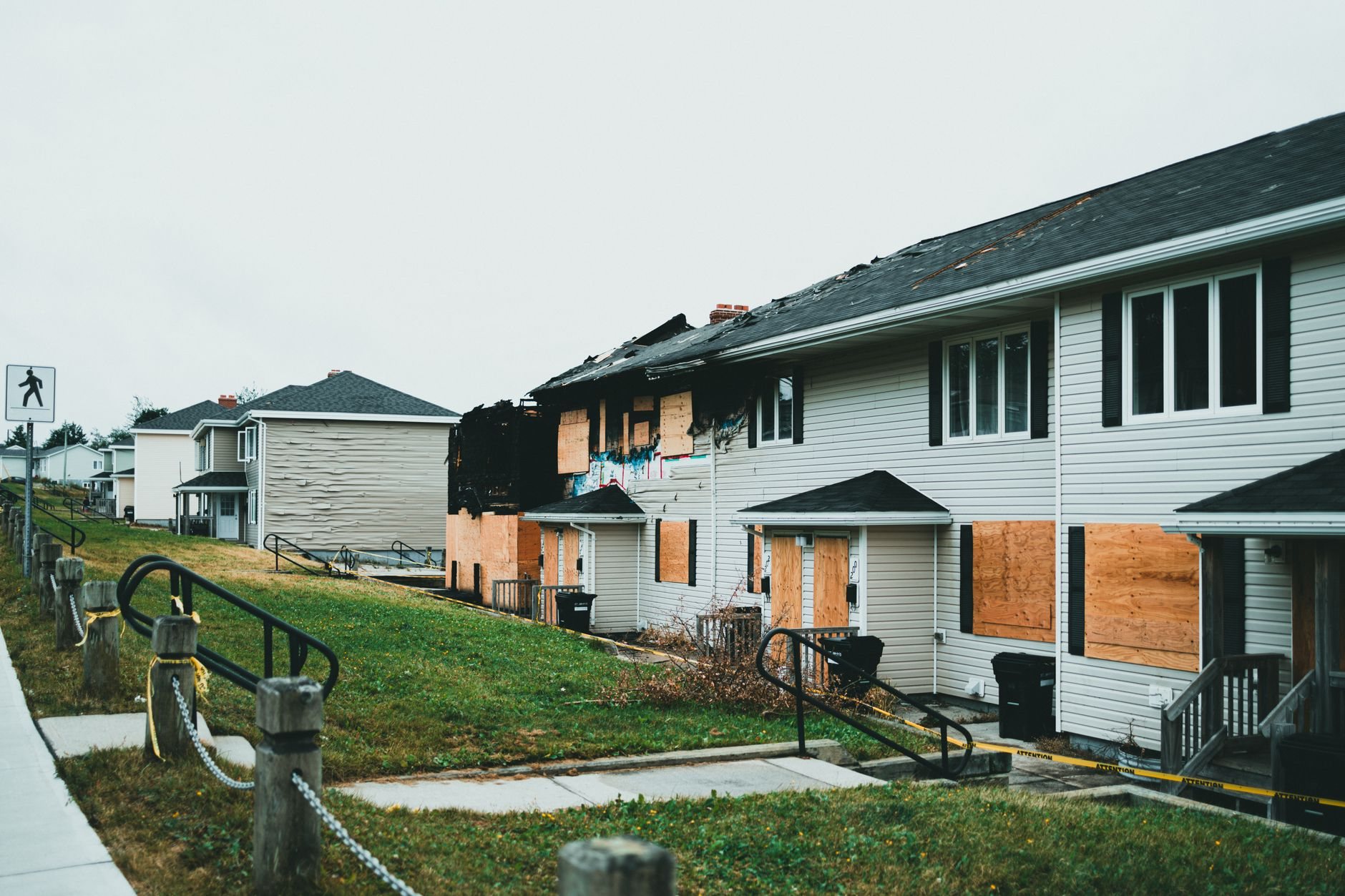
Will insurance pay for board-up and temporary repairs?
Usually, yes — most property policies cover reasonable emergency measures, and nearly all of them require you to protect the building from further damage after a loss. Board-up, tarping, and shoring generally fall squarely inside that duty. Coverage always depends on your specific policy, so confirm with your adjuster — and keep every photo and invoice.
This is why documentation is half the service. Carriers pay for what they can verify, and an emergency scene gets cleaned up fast. We photograph the loss before our work starts, photograph the temporary measures after, and itemize the invoice in the line-item language adjusters use — so six weeks later, when the claim file is the only record left, temporary work doesn’t get tangled up with the rebuild scope or mistaken for pre-existing conditions. If you self-performed a midnight tarp job before calling anyone, photograph that too, and keep the receipts — FEMA gives disaster survivors the same advice about documenting losses and saving repair receipts.
One more paperwork point that costs nothing to check: we’re a licensed Utah general contractor (DOPL #14282236-5501, verifiable at dopl.utah.gov). After storms, out-of-area crews sweep neighborhoods offering cash board-ups. Some are fine. But a carrier processing your claim — and a lawyer, if a tarp fails — will care who did the work and whether they were licensed and insured to do it.
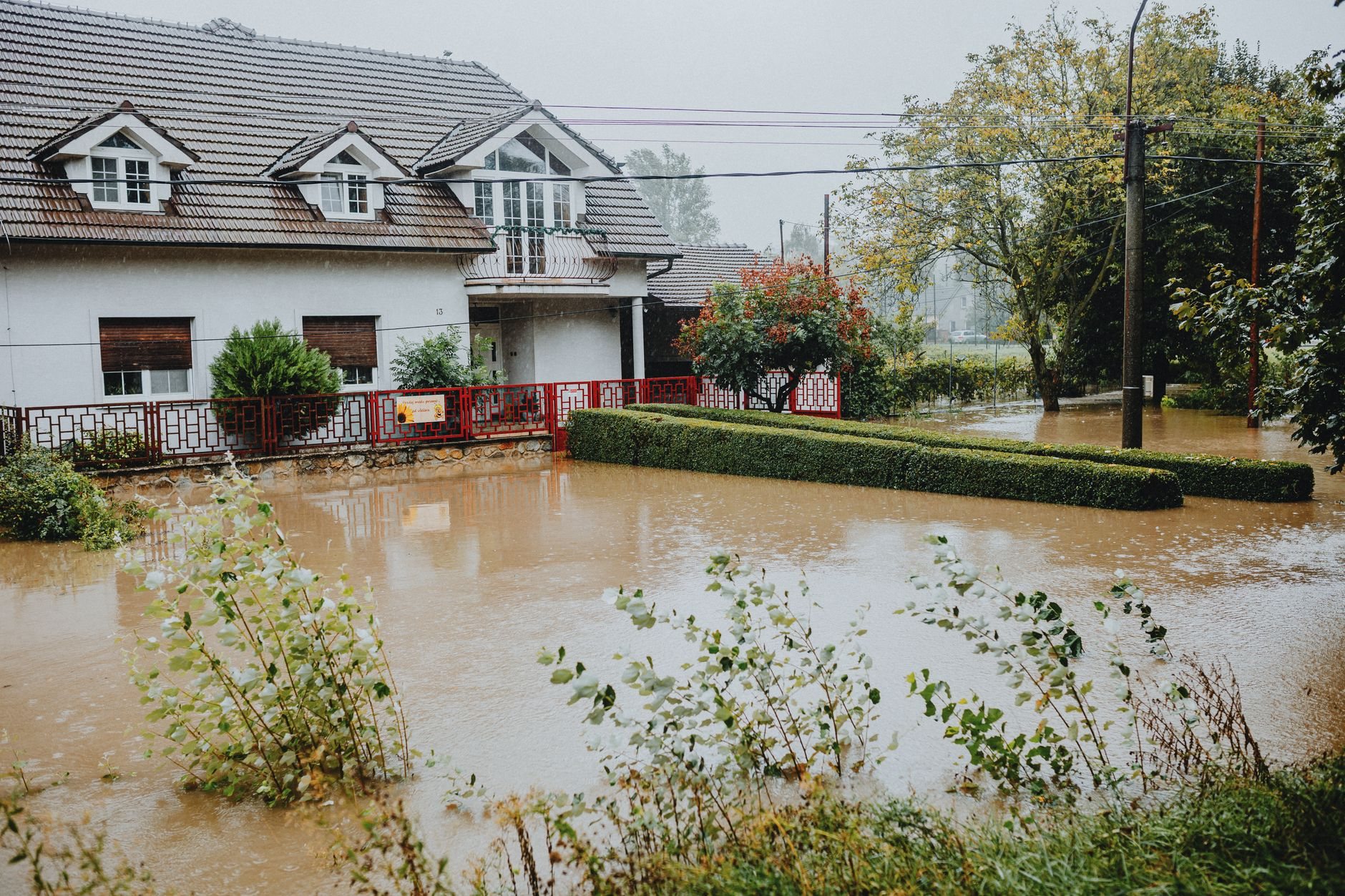
What does emergency board-up cost in Utah?
As ballpark planning numbers only: securing a single door or window opening often runs a few hundred dollars; a multi-opening board-up with a roof tarp on a house commonly lands between $1,000 and $3,500; structural shoring is priced after we see the building, because it sometimes needs an engineer. Your final invoice is itemized for the claim.
What moves the number up or down:
- Opening count and size. A bedroom window and a commercial storefront are different animals — large openings need framing, not just sheet goods.
- Roof access and pitch. A walkable roof tarps quickly; a steep, iced, or snow-loaded one takes staging and more careful footing. Winter losses on bench lots, where snow loads run heavier than the valley floor, are the slow end of that range.
- Shoring and engineering. If structure is genuinely compromised, temporary shoring may need an engineer’s sign-off — a real cost, and a much smaller one than a partial collapse.
- Duration. Rented temporary fencing and long-standing tarps carry ongoing cost. A tarp is a bridge, not a roof; along the Wasatch Front, wind and UV take them apart within months.
- Timing and distance. Same-day mobilization across our Payson-to-North-Salt-Lake service area is normal in business hours; unusual timing or staging adds labor.
Questions we actually get
How fast can you actually get here?
During business hours, often the same day — triage happens on the first phone call, and board-up crews travel light. Outside business hours, we do our best but won’t promise what we can’t staff; you’ll hear back first thing the next business morning at the latest. If water is actively flowing, call a 24-hour mitigation company first.
Can you board up a commercial storefront?
Yes. Storefront board-ups get framed and fastened to structure so the covering survives wind and discourages entry, and we can size openings for continued customer access where the space stays open. Replacement glass for large commercial lites often carries a lead time of weeks, which is exactly why the temporary closure has to be done well.
Do I need a permit for board-up or shoring?
Genuine emergency measures — board-up, tarping, temporary shoring — generally don’t require a permit, though the permanent rebuild usually will. If structure is significantly compromised, some cities want an engineer’s assessment before occupancy or repair. Requirements vary by city, so verify with your local building department; we handle that conversation when we handle the rebuild.
How long can a building stay boarded up?
Physically, months — our board-ups are fastened for it. Practically, less: most cities and many HOAs have vacant-building, nuisance, or appearance rules that start generating letters, and tarps degrade under Utah’s high-elevation UV and wind. Treat board-up as a bridge measured in weeks while the claim and rebuild plan come together, not a destination.
Is the board-up billed separately from the rebuild?
Yes, deliberately. Emergency measures are their own itemized invoice with their own photo set, because carriers process them as mitigation of further damage — often ahead of the main claim settlement. Keeping them separate gets you reimbursed faster and keeps the rebuild estimate clean. If we do both, the documentation carries straight through.
Do you also do the permanent repair?
That’s the point of calling a general contractor for the emergency work. Stabilization and reconstruction are one continuous scope, so the person who tarped your roof can plan its roof replacement. Wind and hail losses continue at storm damage repair; the full family of restoration work lives under repair, restoration & property services.
Building open to the weather? Start here
Call first — (385) 236-1741 reaches Jordan directly during business hours, and triage takes two minutes. You’ll get an honest arrival window, a straight read on what needs securing, and documentation your adjuster can actually use.