
Water damage restoration & reconstruction in Utah County
After the water is out and the fans are gone, someone still has to rebuild the room. Grandview handles the reconstruction side of water losses — framing repairs, drywall, flooring, cabinetry, and trim — as a licensed Utah B100 general contractor, aligned with your insurance scope from day one.
Owners standing in a stripped-out room
Most people find this page at the same point in the story: the burst supply line or the flooded window well has been dealt with, a mitigation company has extracted the water and demoed the wet drywall, and now a bedroom or a finished basement is down to studs and subfloor. The mitigation crew doesn’t rebuild. Their contract ended when the moisture readings came back dry.
That’s where we start. We rebuild water-damaged homes and rental units across Utah County and Salt Lake County — single rooms, full basements, and multi-unit losses in occupied buildings. If your loss just happened and the building still needs securing or drying hasn’t begun, start with emergency stabilization instead; reconstruction comes after the structure is verifiably dry.
We also take on water rebuilds that aren’t insurance claims at all — slow leaks discovered during a remodel, a landlord absorbing a deductible-sized loss, or a seller repairing a flooded basement before listing. The process is the same; the paperwork is just lighter.
Where does reconstruction start after a water loss?
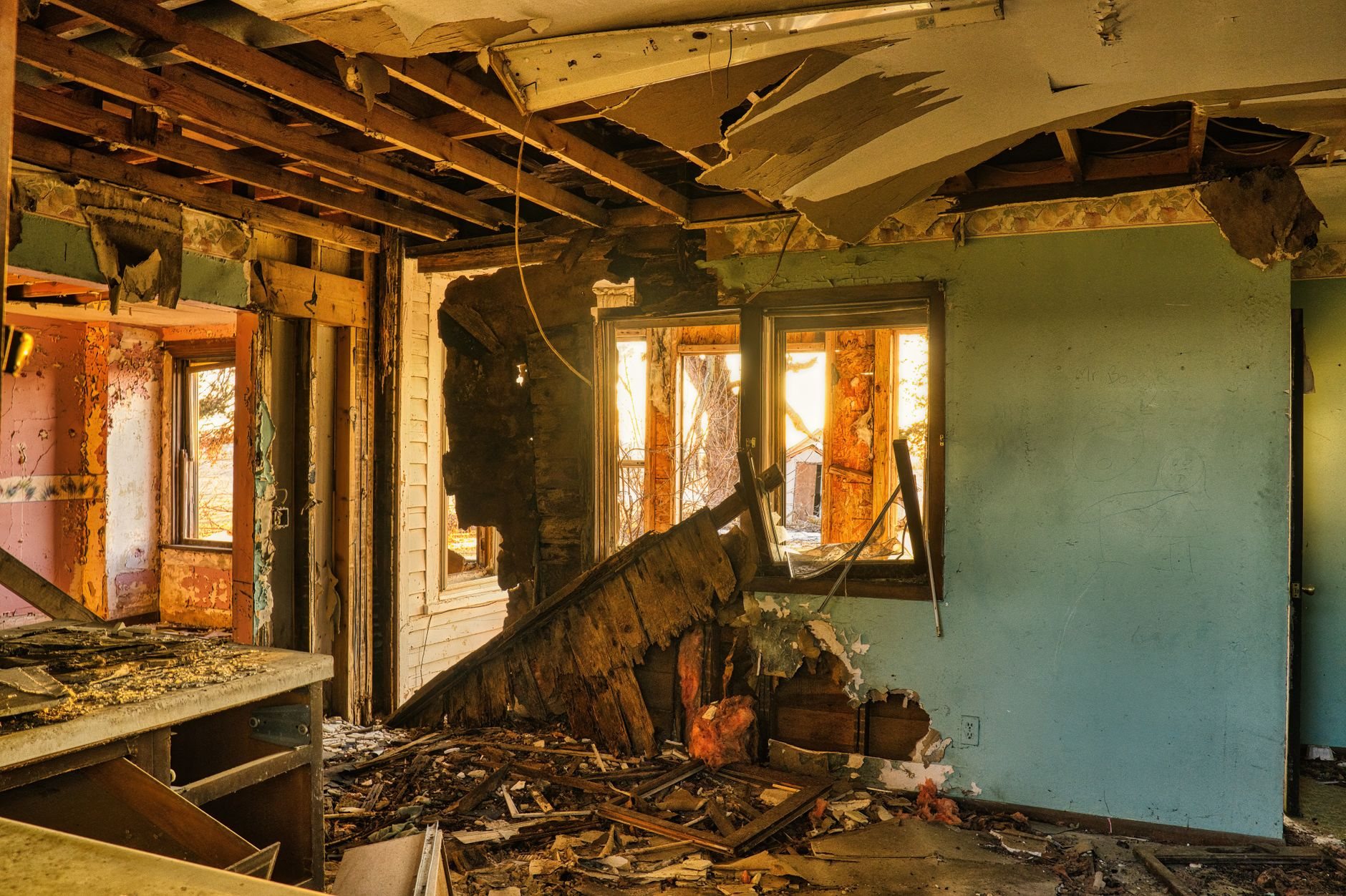
Reconstruction starts when the structure is dry — verified with moisture readings, not a guess. Mitigation is the first phase: extraction, drying equipment, and demolition of saturated drywall, insulation, and flooring. Reconstruction is the second: rebuilding everything mitigation removed. They’re separate scopes, usually performed by separate companies, and the handoff between them is where water claims most often stall.
We manage that handoff deliberately. Before we hang a sheet of drywall, we want documented dry-standard readings on the framing and subfloor — closing a wall over damp studs is how a water loss becomes a mold problem six months later. If your mitigation company hasn’t provided drying logs, we’ll ask them for the records, and we’re happy to coordinate with them directly so nothing sits idle between phases.
The category of water matters too, and it changes the rebuild scope. A clean supply-line break mostly costs you materials that got wet. A sewer backup is a different animal: porous materials that contacted the water — carpet, pad, drywall, particle-board cabinets — generally come out rather than get cleaned, and the rebuild scope grows accordingly. We write the scope to match what actually happened, not the cheapest version of it.
What’s included in a water damage rebuild
A typical rebuild scope covers the full path the water took, from structure to finish:
- Framing and subfloor repairs where saturation caused swelling, warping, or rot
- Insulation replacement in opened walls and rim joists
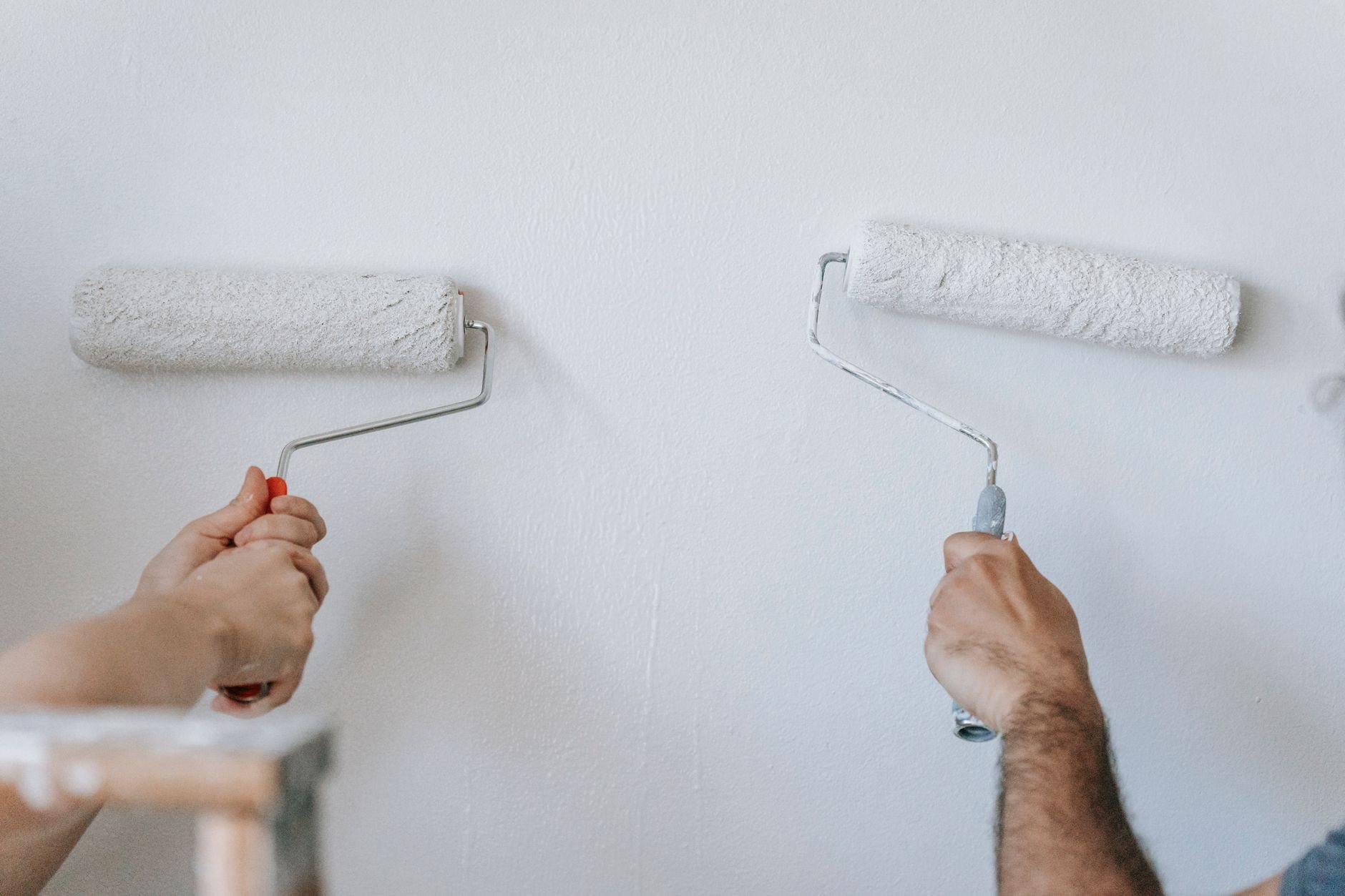
- Drywall, texture matching, and paint — blended so the patch doesn’t announce itself
- Flooring replacement: carpet and pad, LVP, tile, or hardwood, matched or upgraded
- Cabinetry and vanities, including swollen toe-kicks and delaminated boxes
- Baseboard, casing, doors, and trim
- Permits and inspections where the damage touches structure or building systems
Where the water damaged wiring, plumbing, or HVAC — and in a basement flood it usually touched at least one — Grandview holds the contract and manages licensed electricians, plumbers, and HVAC technicians; we coordinate, sequence, and quality-check their work within your rebuild. The plumbing repair that caused the loss in the first place gets folded into the same scope, so you’re not chasing two contractors over one flood.
One honest boundary: we’re the reconstruction contractor, not the mitigation company. Water extraction, structural drying, and antimicrobial treatment are a distinct trade with its own equipment, and if you don’t have a mitigation crew yet we’ll tell you to get one before we quote a rebuild. If the same event tore up your roof or siding, our storm damage repair team handles the exterior on the same contract.
How the rebuild runs, start to finish
- Walk and document. We inspect the loss, photograph everything, and confirm the structure meets dry standard before rebuild scoping begins.
- Write the scope. A room-by-room written rebuild scope, line-itemed the way adjusters read them, covering structure, systems, and finishes.
- Align with the carrier. On insured losses, we reconcile our scope against the adjuster’s estimate before work starts, so the budget is real and approved.
- Rebuild in sequence. Permits pulled where required, trades sequenced — rough plumbing and electrical, inspection, insulation, drywall, flooring, cabinets, trim, paint.
- Supplement what demo reveals. Hidden damage gets photographed, measured, and submitted to the carrier as a supplement — not buried in change orders.
- Close out. Final inspection, punch list, and a documentation package for your records, your adjuster, or your future buyer’s inspector.
Why do Utah basements keep flooding?
Utah basements flood on a calendar. January brings freeze-related pipe bursts — the Wasatch Front sees roughly a hundred-plus freeze-thaw days a year, and vacant units, hose bibs, and unheated garage walls are where supply lines fail first. Late summer brings monsoon cloudbursts that drop an hour of rain in ten minutes, overwhelming window wells, grading, and undersized downspouts.
A rebuild that ignores the cause is a rebuild you’ll pay for twice. So before we close walls, we look at why the water got in. If it came through a window well, the fix might be a well cover, a cleaned-out drain, or regrading — the expansive clay soils common along the bench hold water against foundations instead of letting it drain, and settled backfill often slopes the wrong way within a few years of construction. Where the fix calls for foundation waterproofing or crosses into grading and exterior drainage scope, our site, structure & envelope team takes it on within the same contract.
If it was a pipe burst, we’ll flag the conditions that set it up: uninsulated lines in exterior walls, a pressure regulator past its life, or the mineral scale that Utah’s hard water builds inside fittings and valves over the years. And because a basement rebuild means opening the slab-adjacent envelope anyway, it’s a sensible moment to test for radon — much of Utah sits on high-radon geology, and mitigation rough-ins are cheap while the walls are open.
What does water damage reconstruction cost in Utah?
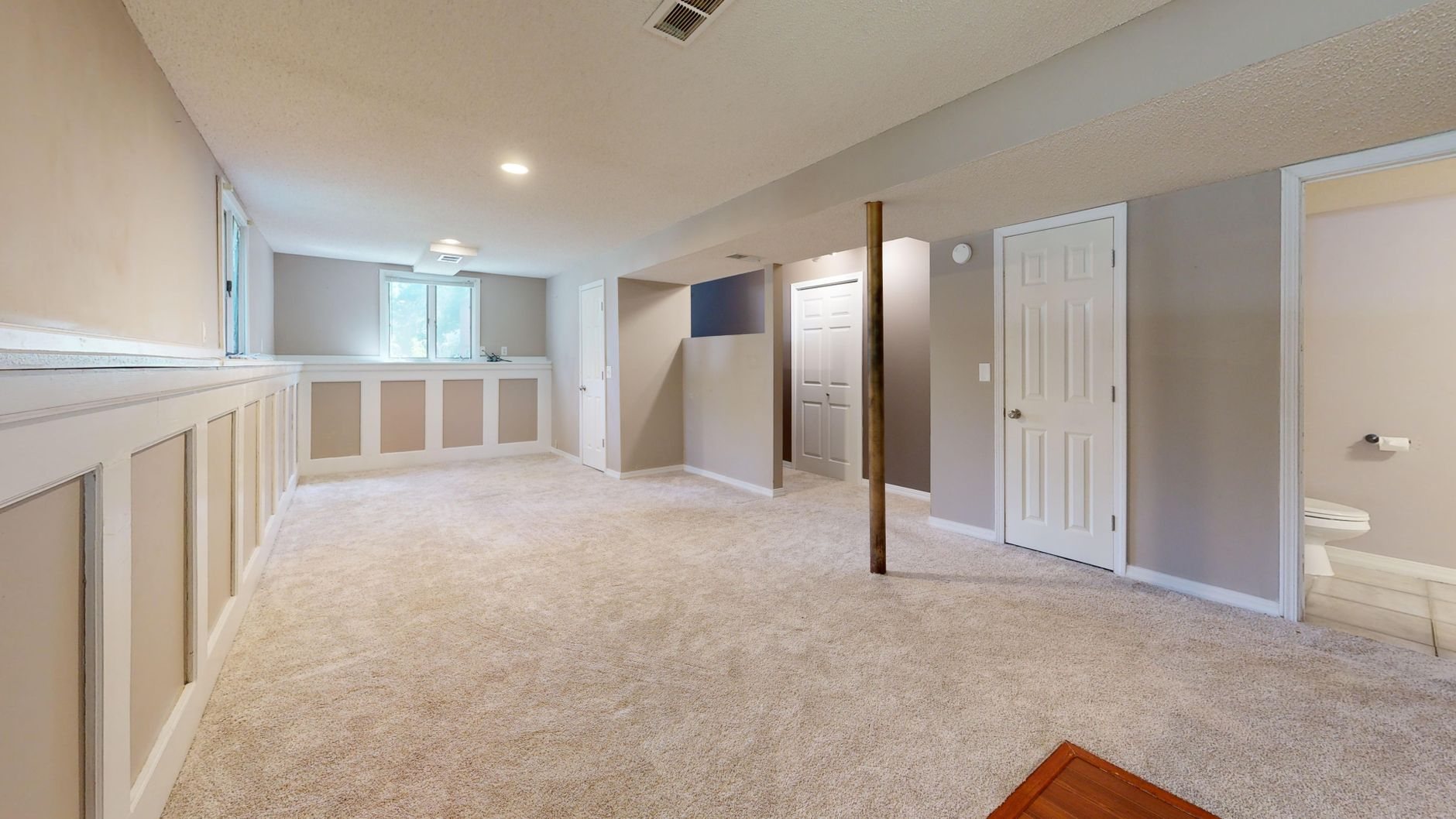
As ballpark planning numbers only: a single-room rebuild after a clean-water loss — drywall, paint, carpet, trim — typically runs $3,000 to $10,000 in Utah County. A finished basement rebuild after a significant flood commonly lands between $15,000 and $60,000, depending on square footage, finish level, and how many building systems the water reached. None of that is a quote; your written scope is.
What moves the number up or down:
- Water category. Sewer backups force more demolition and replacement than clean supply-line breaks.
- How long it sat. A leak found in hours costs a fraction of one found after a two-week vacancy.
- Systems involvement. Rewiring circuits or replacing a furnace that sat in standing water adds licensed-trade scope and inspections.
- Finish level. Matching custom cabinetry and hardwood costs more than replacing carpet and paint-grade trim.
- Cause correction. Regrading, window-well drainage, or pipe rerouting adds cost now and subtracts a second loss later.
On insured losses, most of this is carrier money once the scope is aligned — which is exactly why we do the alignment before demolition dust settles, not after. You’ll know what’s covered, what’s supplemental, and what’s out of pocket before you commit to anything.
Questions we actually get
Do you do the water extraction and drying too?
No — extraction and structural drying are mitigation work, a separate trade with its own equipment and certifications. We do the reconstruction that follows. If you don’t have a mitigation company yet, call us anyway: we’ll point you in the right direction and coordinate with whoever does the drying so the handoff to rebuild doesn’t stall.
How long does a water damage rebuild take?
A single-room clean-water rebuild typically takes two to four weeks once the structure is dry and the scope is approved. A full finished basement runs six to twelve weeks, longer if structural repairs, permits, or cabinet lead times are involved. The biggest schedule variable is usually claim approval, not construction — early scope alignment with the adjuster is what keeps the calendar honest.
Will you work directly with my insurance adjuster?
Yes. We write our rebuild scope in the same line-item language adjusters use, reconcile it against the carrier’s estimate before work starts, and submit documented supplements when demo reveals hidden damage. You approve everything and see the same paperwork the adjuster sees. We work for you, not the carrier — but speaking their language keeps claims moving.
Can you rebuild it better than it was, not just the same?
Yes, and a rebuild is often the cheapest moment to upgrade — walls are already open. Carriers pay to restore what existed; anything beyond that is an owner-funded improvement priced as a clearly separated line. Better flooring, a reworked layout, an added bathroom rough-in: we’ll show you the delta so the decision is easy to make either way.
Does a water damage rebuild need permits?
Often, yes — more often than owners expect. Replacing finishes alone usually doesn’t, but repairs touching framing, electrical circuits, plumbing, or mechanical systems typically do, and basement bedrooms still require code-compliant egress windows under current Utah-adopted code. Requirements vary by city, so we confirm with the local building department and pull what’s required as part of the scope.
If your loss looks a little different
Fire and smoke losses run a parallel process with their own scope logic — that’s fire damage reconstruction. Wind, hail, and exterior monsoon damage is storm damage repair. And the full family of repair, restoration, and property work lives at repair, restoration & property services.
Tell us what the water did
We reply within a couple of hours during business hours — a day at most. You’ll get a straight read on scope, sequence, and budget before anyone commits to anything, and a rebuild plan your adjuster can work with.