
Insulation contractors in Utah County
Grandview Contractors installs fiberglass batt, blown-in, spray foam, rigid board, and mineral wool insulation across Utah County and Salt Lake County under a Utah DOPL B100 general contractor license. We air-seal before we insulate, and we match the material to the assembly — attic, wall, crawl space, or rim joist — instead of selling one product for every problem.
Who should be thinking about insulation work
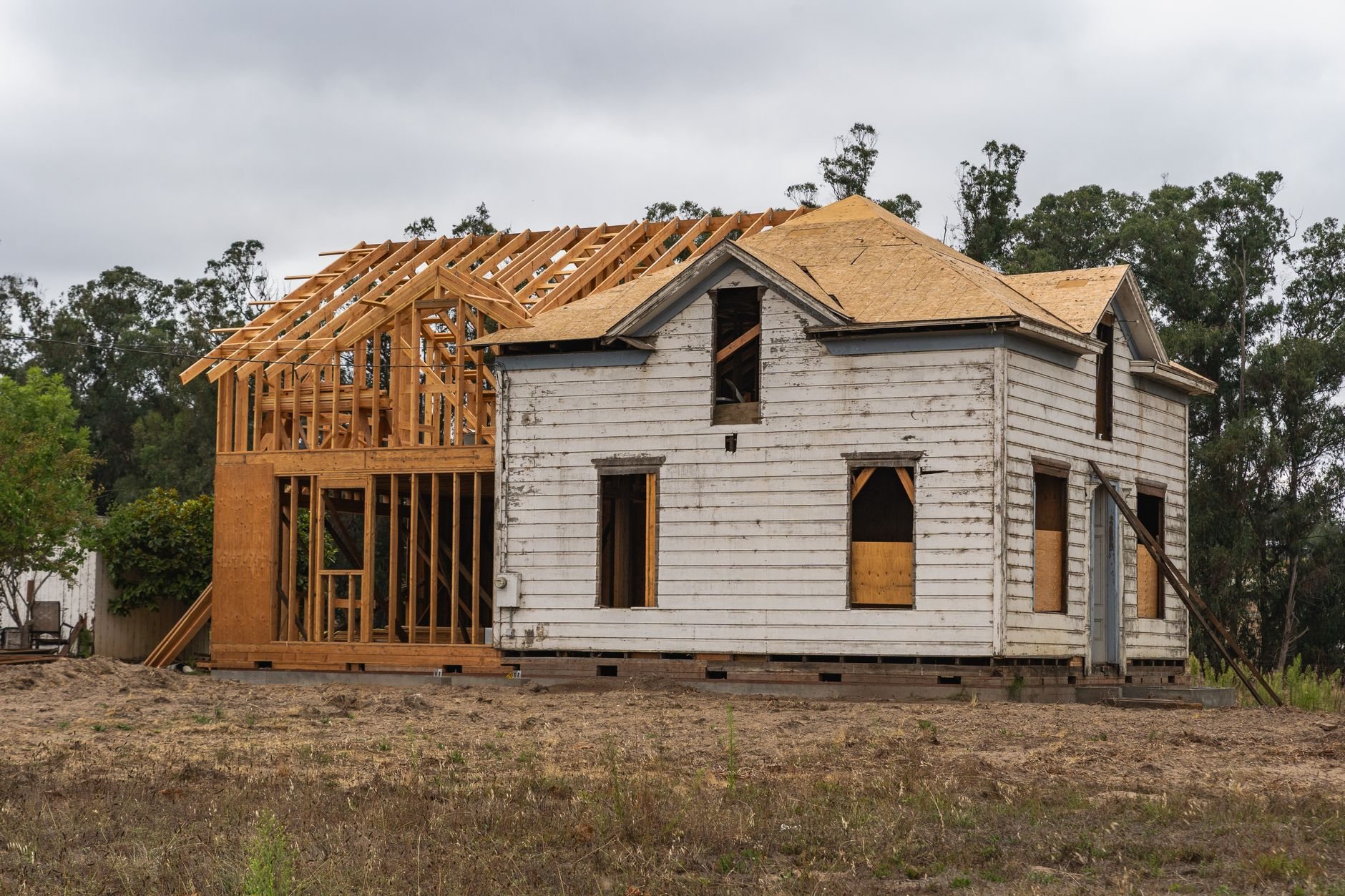
Utah houses take a beating from both ends of the thermometer. Valley-floor lots see 100-degree summer afternoons; bench lots carry deeper snow and colder nights just a few hundred feet upslope. If your second floor runs ten degrees warmer than your basement in July, if a room over the garage never quite warms up, or if ice dams form at the eaves every February, the building is telling you where the insulation and air-sealing gaps are.
The most common candidates we see: homes built before the 1990s with original attic insulation that has settled well below current levels, basements and crawl spaces that were never insulated at all, and remodels where the walls are already open — the cheapest moment you will ever have to fix a cold wall. Along the east bench and in canyon-mouth communities, wind events push outside air through every unsealed penetration, which is why we treat air sealing as part of the scope rather than an upsell.
Insulation also rides along with bigger projects. If you’re planning basement finishing, an addition, or new drywall anyway, insulating while the framing is exposed costs a fraction of retrofitting later.
Insulation materials we install
Each material has a job it does best. We’ll tell you which one fits your assembly and budget — and when the cheaper option performs just as well.
Fiberglass batt insulation
The workhorse for open walls and floors. Performance depends entirely on a careful fit — no gaps, no compression.
ExploreBlown-in insulation
Fiberglass or cellulose blown to a measured depth — the fastest, most cost-effective way to bring an attic up to current levels.
ExploreSpray foam insulation
Open and closed cell. Insulation and air barrier in one pass, worth the premium at rim joists, vaulted ceilings, and odd geometry.
ExploreRigid board insulation
Foam board for basement walls, crawl spaces, and exterior continuous insulation, where moisture tolerance matters.
ExploreRockwool & mineral wool
Fire-resistant, water-shedding, and dense enough to quiet a wall. The upgrade pick for sound and safety-sensitive assemblies.
ExploreWhere it goes and what it fixes
Attic insulation & top-ups
The highest-return insulation work in most Utah homes. We measure what’s there, seal the ceiling plane, and top up to spec.
ExploreRetrofit wall insulation
Dense-pack insulation blown into existing walls through small, patched openings — no gut remodel required.
ExploreCrawl space insulation
Insulating and conditioning the crawl space — often the fix for cold floors and musty air upstairs.
ExploreAir sealing & weatherization
Sealing the leaks before adding insulation. In a windy canyon-mouth neighborhood, this is where comfort actually comes from.
ExploreRadiant barrier installation
Reflective attic barriers that knock down radiant heat gain under Utah’s high-elevation summer sun.
ExploreSoundproofing insulation
Mineral wool and assembly detailing that keep the media room, the nursery, and the home office out of each other’s business.
ExploreHow we approach an insulation project
- Assess. We inspect the attic, walls, rim joists, and crawl space, measure existing depths, and find where air is actually moving. No quoting from the driveway.
- Air-seal first. Penetrations, top plates, can lights, and chases get sealed before any new material goes in. Insulation over air leaks is a filter, not a barrier.
- Match material to assembly. Blown-in for open attics, dense-pack for closed walls, rigid board or closed-cell foam where moisture is in play. We price the option that fits, not the one with the best margin.
- Install to a measured spec. Depth markers in attics, verified R-values per current Utah-adopted energy code, baffles kept clear so the roof still ventilates.
- Verify and document. You get photos of the finished work and a record of what was installed, where, and to what value.
What insulation costs in Utah — and what moves the number
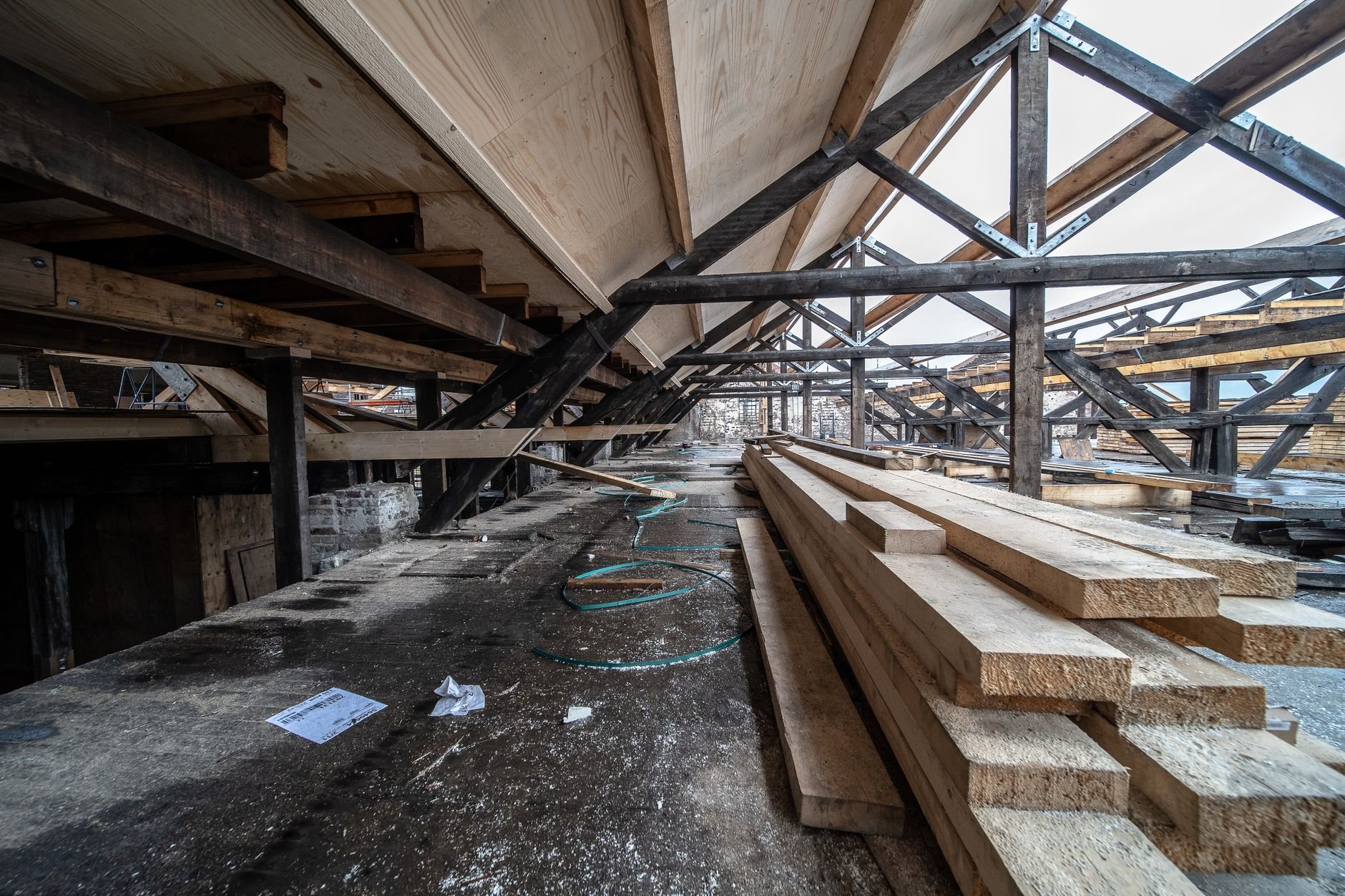
As ballpark planning numbers, not quotes: a blown-in attic top-up on a typical Wasatch Front home usually lands in the low thousands. Dense-packing existing walls costs more per square foot because of the drilling and patching. Spray foam runs several times the cost of batt or blown-in for the same area — which is why we reserve it for the places where its air-sealing ability earns the premium. The U.S. Department of Energy’s insulation guidance is a good plain-language reference for how R-value recommendations vary by climate.
What moves the price: access (a walkable attic is cheap; a 24-inch crawl space is not), whether old or damaged material has to come out first, how much air-sealing the house needs, and the material itself. Two things about Utah specifically. First, this is high-radon geology — if we’re sealing and insulating a basement or crawl space, we’ll flag radon testing per EPA guidance, because a tighter house concentrates whatever is seeping in. Second, tightening the envelope changes how your furnace and water heater breathe, so combustion-appliance ventilation gets checked as part of scope, not discovered afterward. Problems happen. Surprises should not.
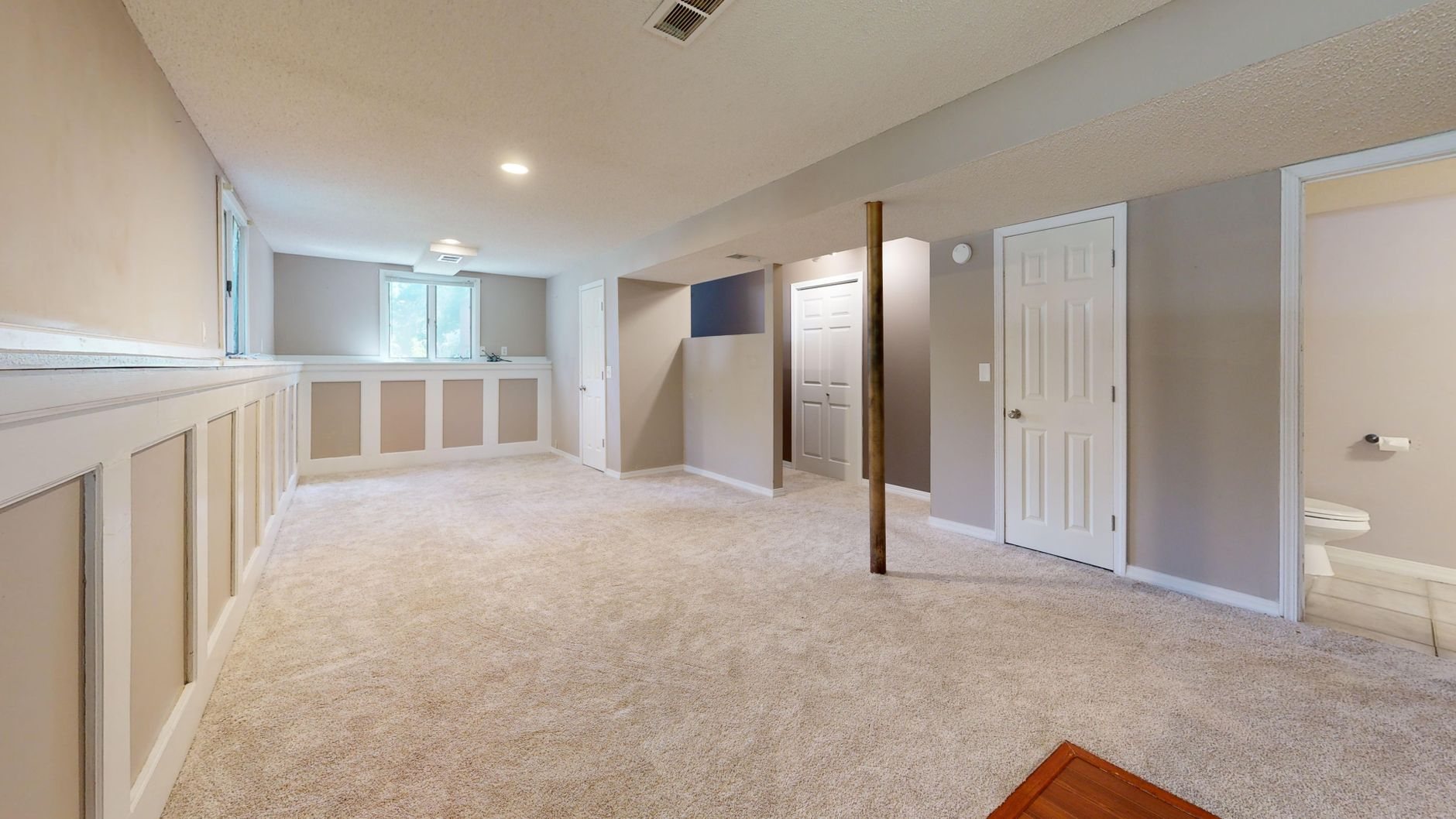
Insulation is also one of the quiet line items inside bigger work — it’s baked into every renovation we run, and it pairs naturally with ceiling work when a vaulted or dropped ceiling changes the thermal boundary.
Questions we actually get
What R-value do I need in Utah?
Most of the Wasatch Front sits in climate zone 5. Under current Utah-adopted energy code, that means roughly R-49 and up in attics and R-20 or better in walls for new work. Many older homes we open up have R-11 walls and half-settled attic insulation — a top-up usually closes most of the gap affordably.
Should I air-seal before adding insulation?
Yes, and in that order. Insulation slows heat moving through materials; it does almost nothing about air leaking around them. Canyon winds along the Wasatch Front make this worse — a leaky, well-insulated attic still loses the battle. We seal penetrations, top plates, and chases first, then insulate. Doing it backwards buries the leaks where they’re expensive to reach.
What does it cost to insulate an attic?
For a typical home, a blown-in top-up is usually a low-four-figure project — one of the best cost-to-comfort ratios in remodeling. The number moves with attic size, access, how much air-sealing is needed, and whether old material has to come out. We give a real number after we’ve been in the attic, not before.
Can you insulate my walls without removing the drywall?
Usually, yes. Dense-pack blown-in insulation goes in through small holes drilled between studs, then patched. It’s the standard fix for uninsulated mid-century walls in Provo, Orem, and Salt Lake’s older neighborhoods. If we find knob-and-tube wiring in the wall, that has to be addressed first — we check before we blow.
Tell us what you’re working on
We reply within a couple of hours during business hours — a day at most. You’ll get a straight read on scope, sequence, and budget before anyone commits to anything.