
Open & closed cell spray foam insulation in Utah County
Spray polyurethane foam is the one insulation that air-seals as it insulates, which is why it earns its premium at rim joists, vaulted ceilings, unvented roof decks, and crawl spaces where batts and loose-fill leave gaps. Grandview Contractors installs open-cell and closed-cell spray foam across Utah County and Salt Lake County under a Utah DOPL B100 general contractor license.
When spray foam beats the alternatives, and when it doesn’t
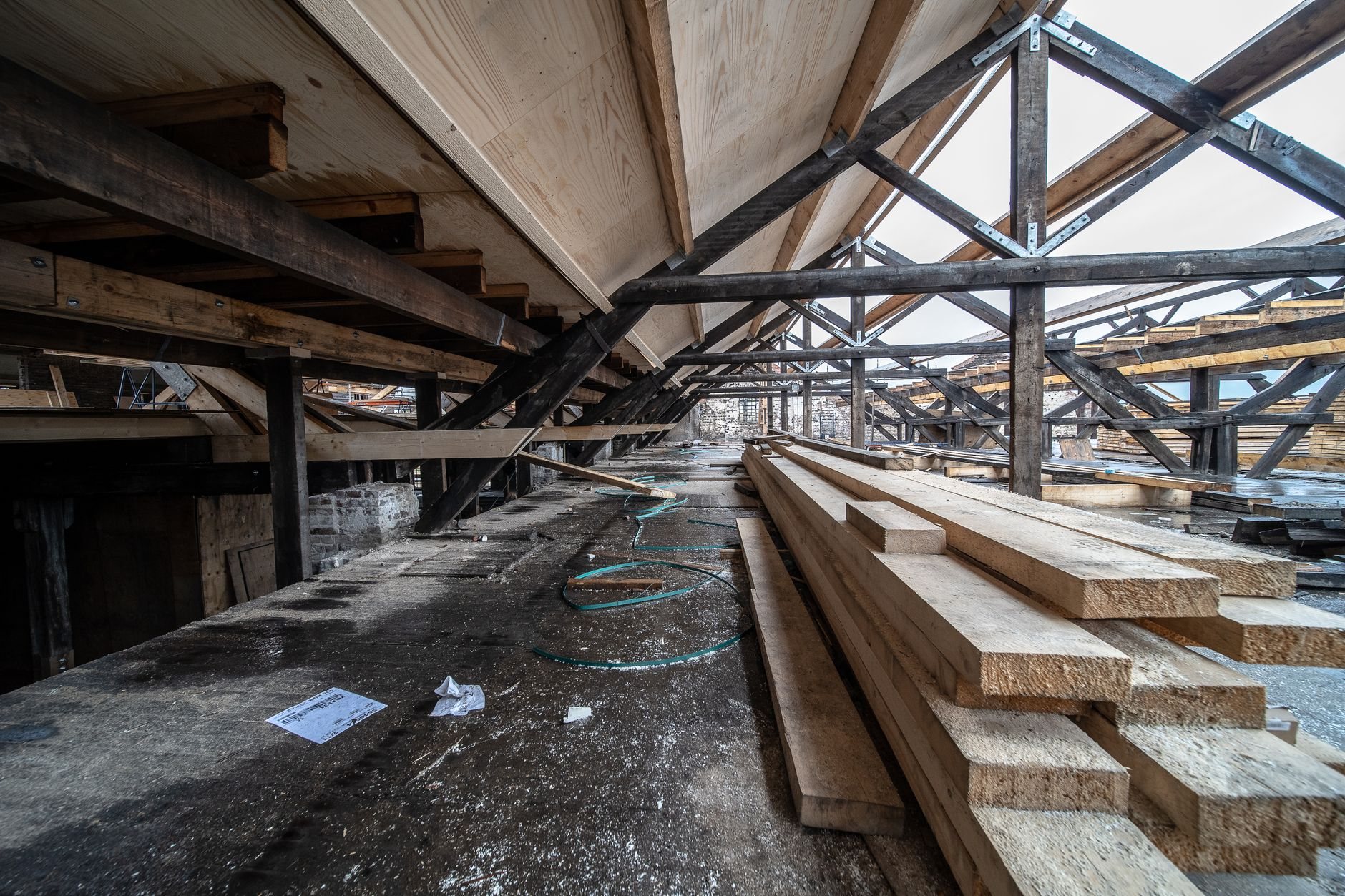
Spray foam is the right pick when the air barrier is the problem, not just the R-value. A rim joist is the classic case: dozens of short, irregular bays between floor joists, each one a path for canyon wind to pour into the basement. A batt stuffed in stops almost none of it; two inches of closed cell seals every edge and insulates in one pass. Cathedral ceilings with no room for a baffle, unvented attics with ductwork above the ceiling plane, and conditioned crawl spaces are the other places foam is routinely the only material that performs.
It’s the wrong pick for a flat, open attic floor, where blown-in insulation over a separately air-sealed ceiling reaches R-49 for a fraction of the price. In standard open stud walls, a carefully fitted fiberglass batt or mineral wool batt performs well for far less. On flat foundation walls, rigid foam board gives the same moisture tolerance as closed cell without the spray rig.
Open cell or closed cell: which one goes where
Open-cell foam is the light one, about half a pound per cubic foot. It expands roughly a hundredfold, fills a rafter bay in one pass, and delivers around R-3.5 to R-3.8 per inch. It air-seals at a few inches of depth, stays vapor-open, and absorbs sound better than closed cell. We use it for full-depth rafter bays and anywhere the assembly needs to dry toward the inside.
Closed-cell foam is the dense one, around two pounds per cubic foot. It runs roughly R-6 to R-7 per inch, resists bulk water, acts as a Class II vapor retarder at about two inches, and stiffens whatever it’s sprayed onto. The U.S. Department of Energy’s materials guide covers both cell types in more depth. We spec closed cell at rim joists, on crawl-space and basement walls, and on roof decks in our climate zone, where vapor control matters as much as R-value.
What a spray foam installation involves
- Assess the assembly. We confirm which direction it needs to dry and whether foam is actually the right material there.
- Prep the substrate. Foam bonds to clean, dry wood, concrete, and masonry, so dust, old insulation, and frost come off first. It also needs the substrate inside the manufacturer’s temperature window; in a Wasatch Front January we schedule around that and run winter-grade formulations where needed.
- Protect what foam can’t touch. Non-IC recessed lights get boxed out, B-vent and furnace flues get their required clearance, and boxes, stubs, windows, and equipment are masked. Overspray is permanent.
- Spray to a measured depth. Closed cell goes on in two-inch lifts so the exothermic reaction doesn’t scorch the core; open cell goes to full depth and is trimmed flush where drywall follows. We check thickness with a depth gauge, because R-value is only as good as the thinnest spot.
- Cover it. Current Utah-adopted code requires foam to be separated from living space by a thermal barrier, usually half-inch drywall, or an ignition barrier in attics and crawl spaces entered only for service. We install that barrier as part of the scope and confirm details with the local building department on permitted work.
What spray foam insulation costs in Utah
As ballpark planning numbers, not quotes: closed-cell spray foam typically runs several times the installed cost of batt or blown-in for the same area, with open cell in the middle. A rim-joist-only job on a typical Utah County basement is usually a low-four-figure project; a full roof deck or whole house runs well into five figures. Foam is priced per board foot (one square foot, one inch thick); closed cell costs more per board foot but needs fewer inches.
What moves the number: board feet, cell type, access (walkable attic versus 24-inch crawl space), old insulation removal, masking, and whether the thermal barrier is already in place. Tightening a house this well also changes two things we check as part of scope. This is high-radon geology: a foam-sealed basement or crawl space can concentrate whatever seeps through the slab, so we’ll flag testing per EPA guidance. And a naturally drafted furnace or water heater needs combustion air; once the rim joist stops leaking, that air has to come from somewhere on purpose.
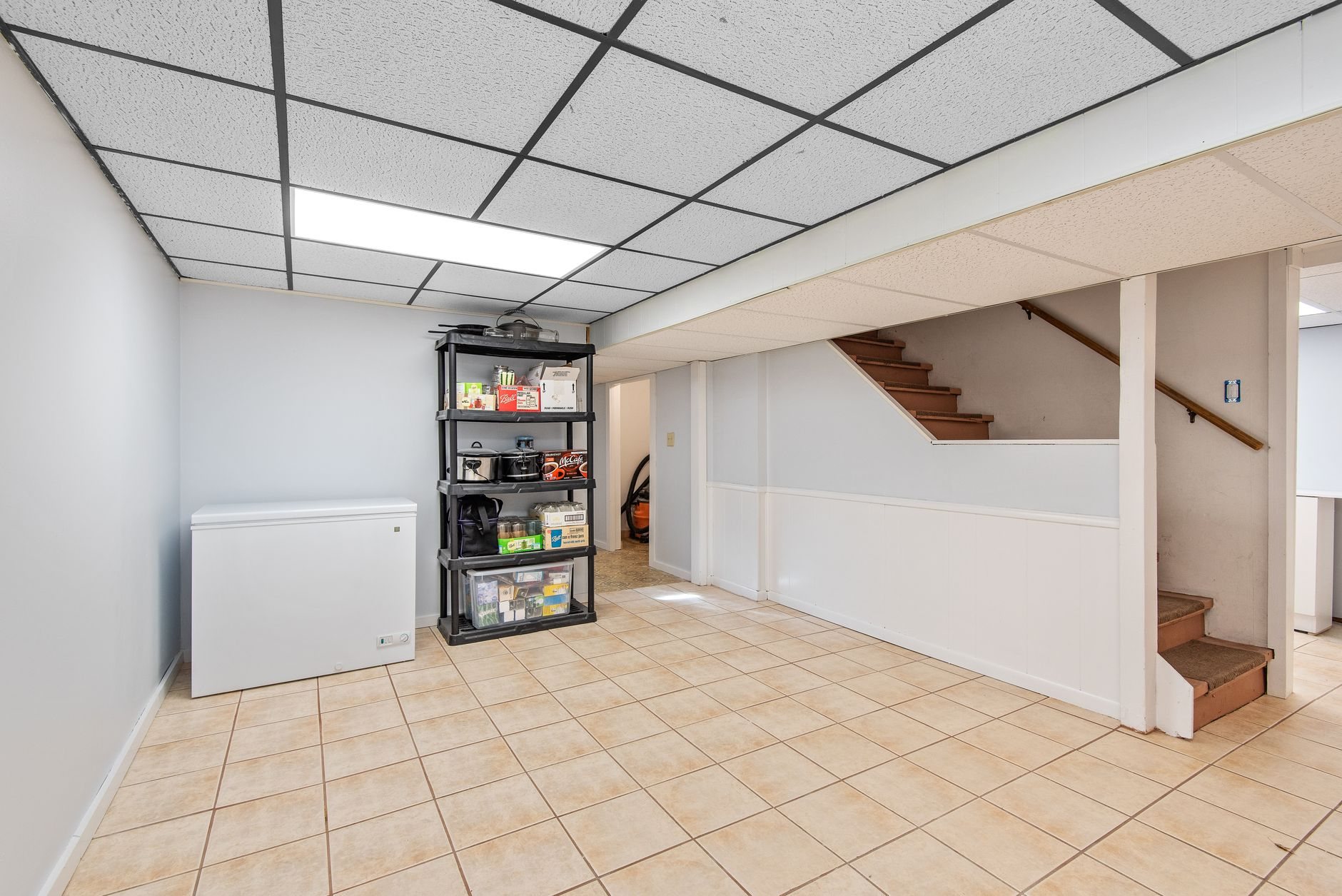
Spray foam usually rides inside larger work: basement finishing, or a crawl space going from vented to conditioned. The full material comparison is on our insulation page, within our renovation work.
Questions we actually get
Is open cell or closed cell better for a Utah home?
It depends on the assembly, not the house. Closed cell wins at rim joists, foundation walls, crawl spaces, and roof decks, where moisture control and R-per-inch matter. Open cell wins for full-depth rafter bays, interior walls, and sound control, at a lower price.
Can spray foam go directly on the underside of my roof deck?
Yes. That converts a vented attic into an unvented, conditioned one, often the best fix for a Utah attic full of ductwork. In our climate zone the foam needs enough thickness, or closed cell, to keep the sheathing above the dew point in winter, and the roofing should be sound before we foam under it.
Do I have to leave the house during spray foam installation?
During spraying, yes, apart from the crew in respirators. Manufacturers specify a re-occupancy period, typically around 24 hours, before the space is lived in again. For a rim-joist job we can usually isolate and ventilate the basement; for a roof deck or whole-house job, plan a night away.
Why does spray foam cost so much more than blown-in?
Material, equipment, and labor. Foam is a two-part chemical system sprayed from a heated rig by a crew in protective gear, with masking before and trimming after. Blown-in is a bag of fiber and a hose. The premium is worth it where foam does a job nothing else can; on a flat attic floor it usually isn’t.
Tell us what you’re working on
We reply within a couple of hours during business hours — a day at most. You’ll get a straight read on scope, sequence, and budget before anyone commits to anything.