
Radiant barrier installation in Utah County
A radiant barrier is a low-emissivity foil stapled to the underside of the rafters so the roof deck’s summer heat reflects back up instead of radiating down onto the insulation and ductwork. It’s the right move for Utah homes with a hot second floor and attic-mounted air handlers, and Grandview Contractors installs it under a Utah DOPL B100 general contractor license.
When a radiant barrier is the right first dollar
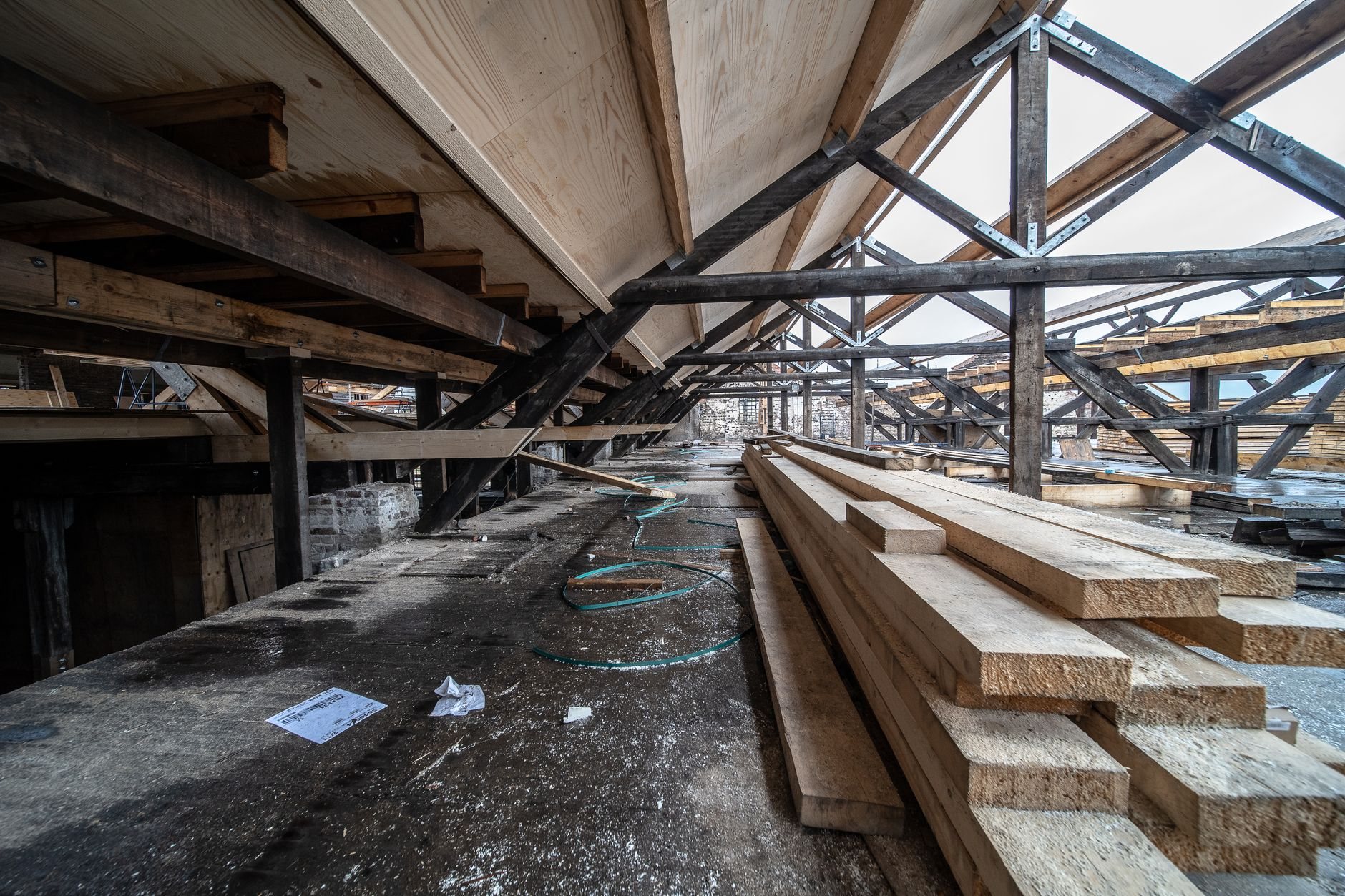
Insulation slows heat conducting through a material. A radiant barrier stops the roof deck from radiating heat across the attic air space. On a July afternoon on the valley floor, asphalt shingles push the underside of the sheathing past 150 degrees, and that surface radiates down like a stovetop element. Foil with an emissivity around 0.05 reflects most of it, and attic air typically drops 20 to 30 degrees.
That makes it the right choice when the complaint is summer, not winter: a second floor ten degrees warmer than the main level from June through September, or a cooling coil in the attic with flex duct snaking across the joists. Ductwork is the big one. Supply air leaving the coil at 55 degrees and crossing 130-degree attic air arrives at the register warmer than it should. Shading those ducts is where the measurable savings come from.
It is not the first dollar when the attic floor is under-insulated. If you can see the joist tops from the hatch, an attic insulation top-up comes first. If the house is drafty, air sealing comes before either. And if the plan is to condition the attic itself, spray foam at the roof deck replaces the barrier entirely.
What a radiant barrier installation involves
- Inspect the attic. Insulation depth, duct condition, ventilation, rafter clearance. If the floor is thin we say so before quoting foil.
- Choose product and orientation. Perforated, reinforced foil rated to ASTM C1313, stapled to the underside of the rafters, reflective face down. Foil laid flat on the insulation collects dust and stops reflecting, so we don’t install it that way.
- Preserve the air gap. Reflection only works across an air space. The foil goes on the rafter faces, not against the sheathing, and stops short of the ridge and eaves so airflow continues. Roof ventilation problems get flagged, not buried.
- Detail the penetrations. Foil stays clear of recessed lights, flues, and chimney chases. West- and south-facing gable walls get covered too.
- Seal the duct runs. Flex duct gets checked for crushed sections and loose boots; joints get mastic-sealed. The barrier shades the ducts; the sealing keeps cooled air in them.
- Document. Photos of the rafter bays, ventilation gaps, and duct repairs. Good work should not require detective work.
Why Utah’s sun makes the case and the dry air keeps it simple
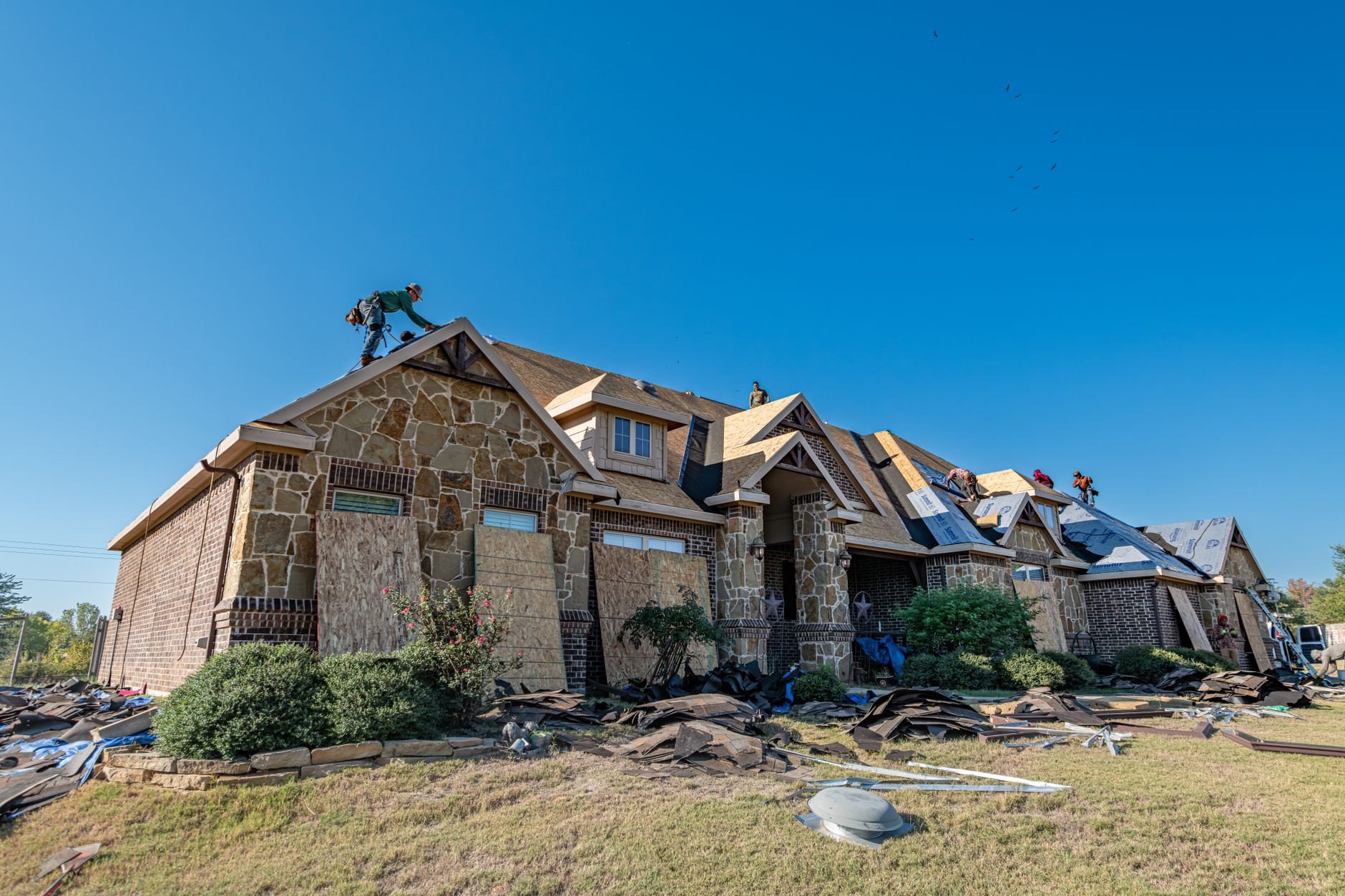
Utah County sits at roughly 4,500 feet. Thinner air lets more solar radiation reach a roof than at sea level, which is why a dark shingle roof in Lehi or Spanish Fork loads an attic harder than the climate-zone map suggests. The U.S. Department of Energy’s radiant barrier guidance is candid that these systems pay off best in hot, sunny climates and matter less where heating dominates. Utah is a heating climate on paper, but attic ductwork and high-elevation sun put plenty of Wasatch Front two-stories where a barrier earns its keep.
The dry climate helps on the installation side. In humid regions, foil can trap moisture against the roof deck if it isn’t perforated and vented. Along the Wasatch Front, summer humidity is routinely in the teens and winter attic moisture comes from bath fans and leaky ceilings, not outdoor air. We still use perforated foil and keep the ventilation path open, but condensation is a smaller risk here, provided the ceiling plane below is sealed. One honest limit: on bench lots where snow sits on the roof for weeks, a barrier does nothing for ice dams. That stays an insulation and air-sealing problem.
Canyon-mouth wind is the last wrinkle. Foil in an attic that breathes hard through the soffits during an Alpine wind event will flap and tear at the staples, so we staple at close centers, overlap seams, and tape the perimeter.
What radiant barrier installation costs in Utah
As a ballpark planning number, not a quote: a rafter-stapled radiant barrier in a typical Wasatch Front attic usually lands in the low thousands. Foil is cheap by the square foot; labor in the rafters is what you’re paying for.
What moves the number: roof pitch and attic height (a 4:12 truss attic with 18 inches at the eaves takes far longer than a walkable 8:12), the count of rafter bays and gable faces, and how much duct sealing we find. Hip roofs with many short rafter runs cost more per square foot than simple gables. If the attic floor is thin, bundling the barrier with blown-in insulation in one mobilization costs less than two visits and fixes both seasons.
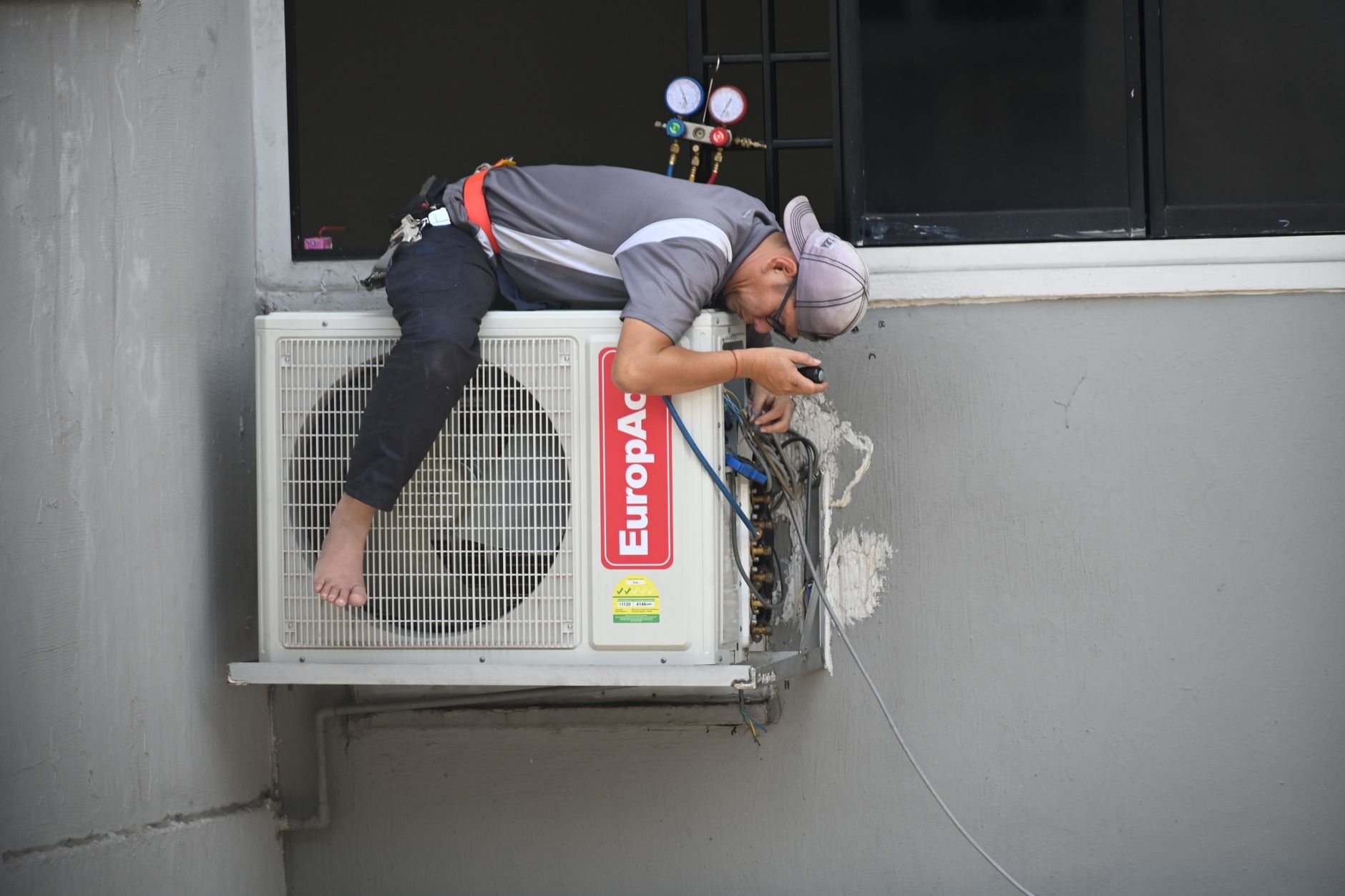
Barriers are also worth adding during an attic conversion when the roof deck is exposed, and inside a larger renovation. The full range of materials and applications lives on our insulation page.
Questions we actually get
Does a radiant barrier replace attic insulation?
No. A radiant barrier blocks radiant heat off the roof deck in summer; insulation slows conductive heat flow year-round, and in Utah’s heating-dominated climate the insulation does most of the work. Get the attic floor to current levels first. The barrier fixes the hot-upstairs problem insulation alone doesn’t.
Why not just lay the foil on top of the insulation?
Because a face-up reflective surface in an attic collects dust, and dusty foil stops reflecting within a few seasons. Stapling the barrier under the rafters, reflective face down, keeps the surface clean and keeps the required air gap below the roof deck. It takes longer to install and holds its performance.
Will a radiant barrier cause moisture problems in my attic?
Not when it’s perforated and the attic is ventilated. We use perforated foil so water vapor passes through, keep the foil off the ridge and eaves so airflow continues, and confirm bath fans terminate outdoors. Utah’s dry air helps; a sealed ceiling plane does the rest.
How much will a radiant barrier cut my cooling bill?
It depends on where the ducts are. With ductwork and the air handler in the attic, the Department of Energy’s figure of roughly 5 to 10 percent off cooling costs is a fair expectation; with everything in the basement, expect less. We’ll give you an honest read after we’ve seen the attic, not before.
Tell us what you’re working on
We reply within a couple of hours during business hours, a day at most. You’ll get a straight read on scope, sequence, and budget before anyone commits to anything.