
Attic insulation & top-ups in Utah County
An attic top-up adds new insulation over what you already have, bringing a settled, under-filled attic up to current levels without tearing anything out. It’s the right move for most Utah homes built before the mid-2000s, and Grandview Contractors measures, air-seals, and installs it under a Utah DOPL B100 general contractor license.
When a top-up is the answer, and when it isn’t
A top-up makes sense when the attic floor already has insulation that’s dry, clean, and too shallow. Eight inches of 1980s blown fiberglass, or cellulose that has settled from ten inches to six, is the classic case. We leave the old material in place, seal the ceiling plane beneath it, and blow new loose-fill over the top to a measured depth.
It isn’t the answer when the existing material is the problem. Rodent-contaminated insulation, anything that got wet from a roof leak or a failed bath-fan duct, and vermiculite (a gray-brown, pebbly loose-fill common in pre-1990 attics that may contain asbestos and must be tested before anyone disturbs it) all need to come out first. In those cases the job becomes a removal and reinstall, and we’ll say so after the inspection.
Fiberglass versus cellulose is covered on our blown-in insulation page. If the complaint is a hot upstairs in July rather than a cold one in January, a radiant barrier may be the better first dollar. And if the attic is becoming living space, insulation moves to the roof deck and the job is an attic conversion, not a top-up.
What an attic top-up actually involves
- Measure and identify. We probe existing depth in several spots, identify the material, and look for what changes the job: moisture staining on the sheathing, rodent sign, vermiculite, knob-and-tube wiring, and bath fans dumping into the attic.
- Seal the ceiling plane. Top plates, plumbing and wiring penetrations, the flue chase, and the gap around the chimney get sealed. Recessed lights that aren’t IC-rated get fire-rated covers. This is air sealing at its highest-return location.
- Protect the ventilation path. Baffles go in at every rafter bay along the eaves so the new depth can’t block the soffit vents.
- Dam and duct. We build a dam around the hatch and any furnace platform so loose-fill stays put, and extend bath-fan ducts to a roof or gable termination where needed.
- Blow to depth, then verify. Depth rulers are stapled to the trusses first. Material goes in evenly until every ruler reads the target, and you get photos of the rulers, baffles, and sealed penetrations.
- Finish the hatch. The lid gets rigid board on its back and weatherstripping on the frame. An uninsulated hatch is a two-by-three-foot hole in an otherwise finished attic.
Ice dams, canyon wind, and how deep is deep enough
Utah County sits in climate zone 5, and current Utah-adopted energy code calls for roughly R-49 in attics, with R-60 a common retrofit target. In practice that’s about 16 to 18 inches of blown fiberglass or 13 to 15 inches of cellulose. The ENERGY STAR attic sealing and insulating guidance is a good plain-language reference for what each depth is worth.
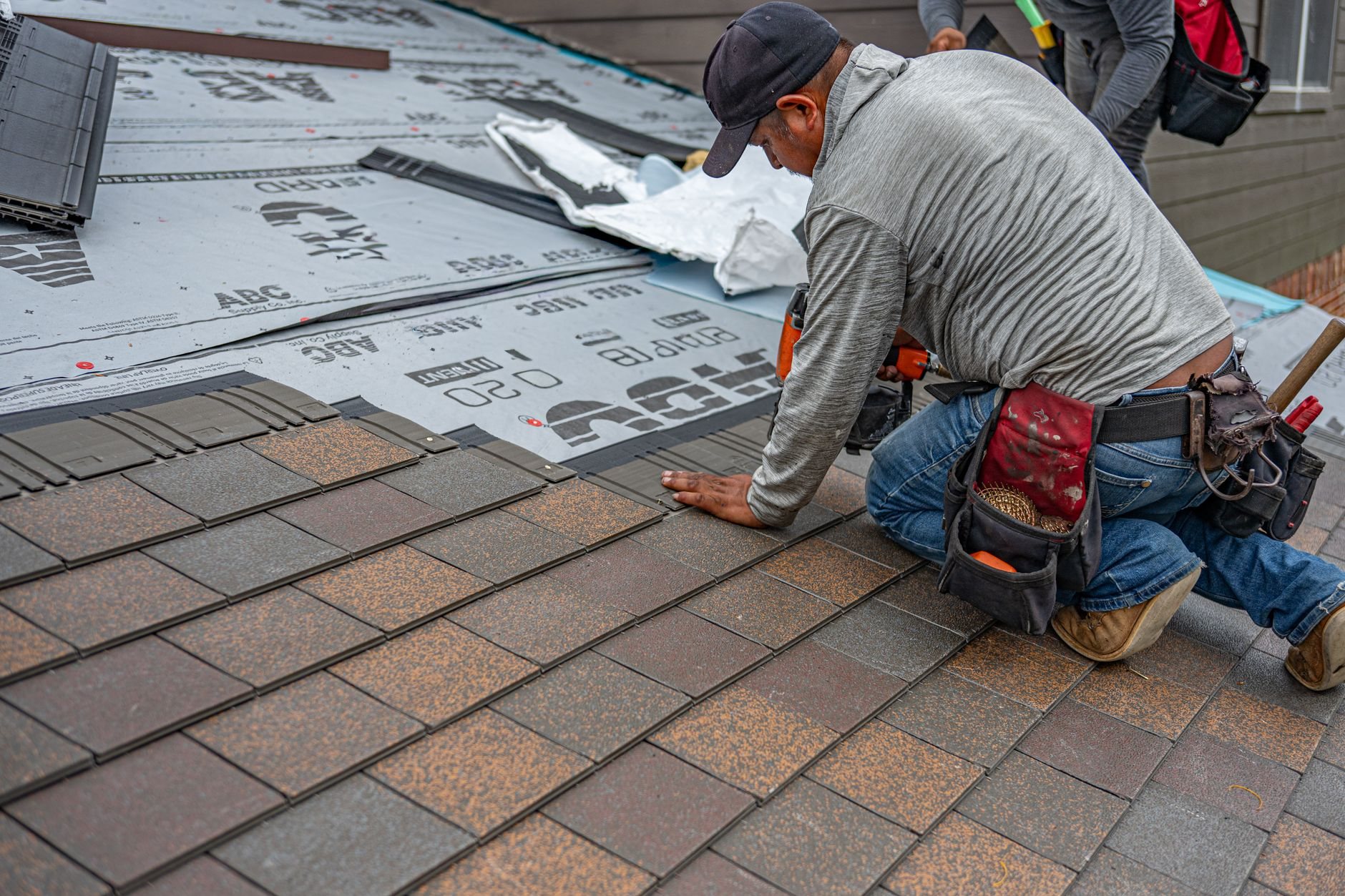
Depth is also the ice-dam fix. On bench lots from Alpine down through Mapleton, snow sits on the roof for weeks. Heat escaping through a thin attic floor melts the underside of that snowpack; the meltwater runs to the cold eave and refreezes into a dam that pushes water back under the shingles. A sealed, topped-up attic keeps the roof deck cold. If dams have already damaged the roof edge, that’s a roofing conversation we can fold into the same visit.
Canyon-mouth wind adds a wrinkle. Wind driving into a soffit can scour loose-fill away from the eaves (wind-washing), leaving the outer two feet of ceiling bare. Baffles and a dense first lift at the perimeter hold the edge in place in Pleasant Grove, Alpine, and the Draper and Sandy bench.
What an attic top-up costs in Utah
As a ballpark planning number, not a quote: a straightforward blown-in top-up on a typical Wasatch Front home with a walkable attic usually lands in the low thousands. The U.S. Department of Energy puts attics first for that reason.
What moves the number up: how much air sealing the ceiling plane needs (a 1960s rambler with a dozen open penetrations takes longer than a 2005 two-story), recessed lights that need covers, bath fans that need re-ducting, and the target depth itself. What moves it up a lot: removing contaminated or wet material first, which adds vacuum equipment, disposal, and a day or more of labor.
Top-ups ride along inside most older-home renovations we run, and pair naturally with crawl space insulation when the goal is to close the envelope top and bottom in one mobilization. The full range of materials and applications lives on our insulation page.
Questions we actually get
Can you blow new insulation over my old attic insulation?
Yes, as long as the old material is dry, clean, and not vermiculite. Loose-fill goes directly over existing batts or loose-fill. If batts have a paper or foil facing, we slash or pull it so moisture can’t get trapped between layers. Wet, moldy, or rodent-damaged insulation comes out first.
How do I know if my attic needs a top-up?
Look across the attic floor from the hatch. If you can see the tops of the ceiling joists, you’re well under current levels. Ice dams at the eaves, a second floor that won’t hold temperature, and frost on the roofing nails in winter are the other tells. We measure actual depth before recommending anything.
Will adding attic insulation cause moisture or ventilation problems?
Not if the ventilation path is protected. We install baffles so soffit vents stay open, extend bath-fan ducts outdoors, and seal the ceiling plane so warm indoor air stops reaching the roof deck. Problems arise when loose-fill is blown blindly over the soffits and the attic stops breathing.
What drives the cost of an attic top-up?
Square footage and target depth set the baseline. Air sealing, recessed-light covers, bath-fan ducting, and an insulated hatch add to it. Tight or low-pitch attics take longer. The biggest swing is whether old material has to be vacuumed out and disposed of first, which can roughly double the job.
Tell us what you’re working on
We reply within a couple of hours during business hours, a day at most. You’ll get a straight read on scope, sequence, and budget before anyone commits to anything.