
Retrofit wall insulation in Utah
Retrofit wall insulation means dense-packing cellulose or fiberglass into the closed walls of an existing house through small holes that get patched afterward — no drywall demolition, no gut remodel. It’s the fix for uninsulated pre-1980s walls along the Wasatch Front, and Grandview performs it under a Utah DOPL B100 license.
When dense-pack beats opening the wall
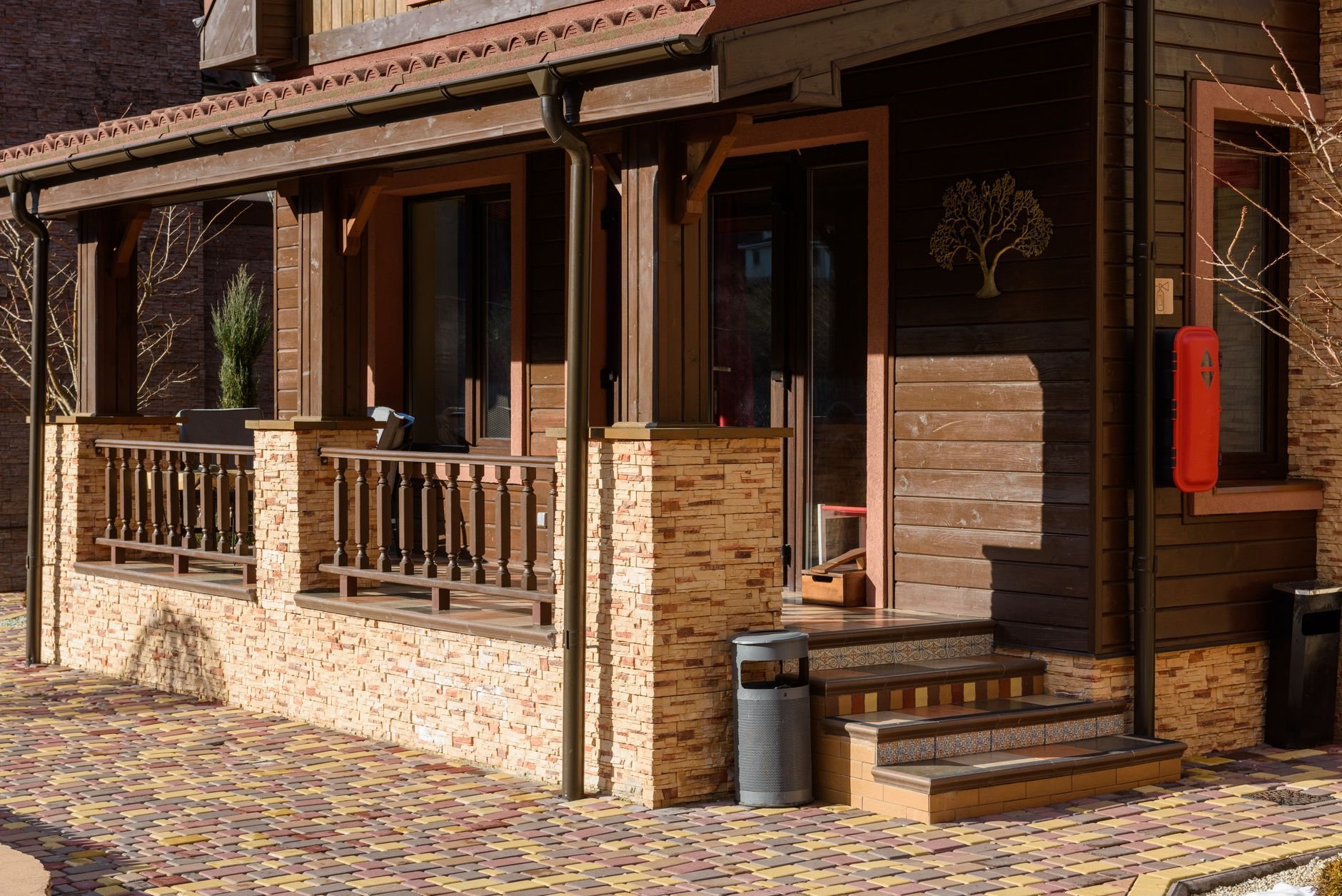
Retrofit wall insulation is the right choice when the walls are staying closed. If a remodel is already stripping the drywall, dense-pack is the wrong tool — fiberglass batts or spray foam into open stud bays cost less and perform better. Dense-pack is for the house you’re living in now: the 1950s brick rancher in Orem, the 1970s two-story in Sandy with 2×4 walls and nothing between the studs but air.
It’s also a different animal from blown-in attic insulation, even though both come out of the same machine. Attic loose-fill is laid to a depth. Wall dense-pack is driven into a closed cavity at roughly 3.5 pounds per cubic foot until the material stops moving — a plug that resists settling and slows airflow. A wall filled to attic density slumps within a few winters and leaves a cold band under every window.
The tell that walls are the problem, not the attic: exterior walls colder to the touch than interior partitions, and condensation at outlets on windy nights. In canyon-mouth neighborhoods, wind pushes outside air straight through an empty cavity, so we fold air sealing into every wall retrofit instead of quoting it separately.
What we find in a closed Utah wall first
The job starts with a borescope through a test hole, not a hose. Common finds in Wasatch Front housing stock: empty cavities, old rock wool slumped into the bottom third of the bay, mid-height fire blocking that splits each bay into two pockets, and diagonal let-in bracing that needs a second hole. Brick-veneer homes — common among pre-1970s houses in Provo, Salt Lake, and the older cores of Orem and Bountiful — have a drainage gap behind the brick that must stay open, so we fill the stud bay and nothing else.
Two things stop the job cold. Live knob-and-tube wiring cannot be buried in insulation; it has to be replaced or decommissioned first, and Grandview holds the contract and coordinates a licensed electrician for that before any material goes in. Active moisture — a wall below failed window flashing, say — gets fixed first too, because dense-pack holds water against the sheathing. Problems happen. Surprises should not.
A dense-packed 2×4 bay lands at roughly R-13 to R-15 depending on material — short of the R-20 current Utah-adopted energy code asks of new walls, but a large step up from the near-zero many of these houses have now. The U.S. Department of Energy’s insulation guide compares the options.
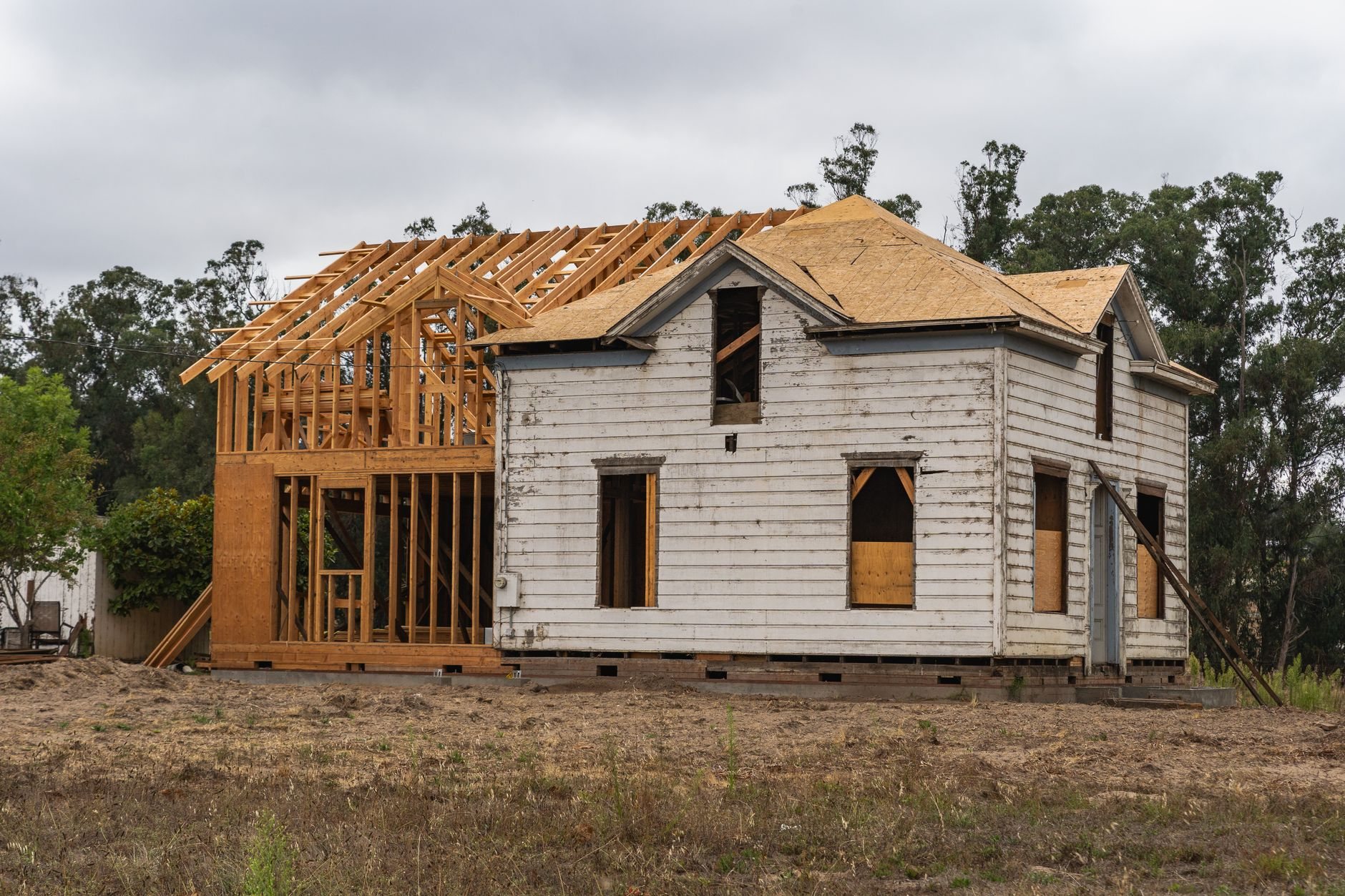
How a dense-pack wall retrofit is sequenced
- Choose the side. Exterior when the cladding allows it — lap siding comes off in courses and goes back on; brick gets drilled through the mortar joint. Finished stone, or no plugs wanted outside, means we drill from inside and patch drywall.
- Lay out the holes. One 2-to-2.5-inch hole per bay, high in the wall, plus a low hole wherever blocking or bracing splits the cavity. The borescope sets the pattern — the holes the wall needs, not a grid.
- Pack to density. A fill tube goes to the bottom of the bay and runs until back-pressure stalls the flow, withdrawn in stages. We check density by weight on sample bays, not by feel.
- Plug and close. Exterior holes get foam plugs, sealant, and the original siding reinstalled; interior holes are patched and textured by our drywall crews so the wall reads as one surface, not a constellation of circles.
- Verify. Thermal images on a cold morning show any bay that didn’t fill. We re-drill and re-pack those before we call it done.
What does retrofit wall insulation cost in Utah?
As ballpark planning numbers, not quotes: dense-packing the exterior walls of a typical Wasatch Front rancher or split-level usually runs from the mid four figures into the low five figures, or roughly $2 to $4 per square foot of wall area. That’s two to three times an attic top-up, because the labor is in drilling, patching, and siding work rather than material.
Up: brick or stucco drilled one joint at a time, interior-side work that adds repaint to every room, fire blocking that doubles the hole count, and knob-and-tube or moisture repairs that come first. Down: lap siding that pops off cleanly, a single-story footprint, and bundling the walls into a larger energy retrofit so the crew mobilizes once. On exterior-side jobs we price the repaint of patched siding honestly — Utah’s high-elevation UV fades paint fast enough that fresh plugs on a tired wall will show. If the siding is near the end of its life anyway, a siding replacement is the moment to insulate the walls for close to the cost of the insulation alone.
Questions we actually get
Cellulose or fiberglass for dense-pack walls?
Either works when packed to density. Cellulose is the long-standing standard and does the better job slowing air; fiberglass is lighter, which matters on tall balloon-framed walls where cellulose weight can bow old plaster. We recommend based on the wall and what the borescope shows.
Will the holes show on my brick or stucco?
On brick, we drill through mortar joints and repoint with color-matched mortar; the patches blend as they weather. On stucco, plugs read as faint circles until the wall is repainted, so we usually go interior-side on stucco unless a repaint is already planned. Interior patches disappear under texture and paint.
Can walls be dense-packed if there’s already some insulation in them?
Usually. Settled or partial batts leave voids that dense-pack fills around, and the borescope tells us whether the cavity will accept enough material to be worth it. The exception is a bay already full of intact batts — there’s nowhere for new material to go, and we’ll say so instead of drilling holes for nothing.
Does insulating the walls fix drafts, or just cold surfaces?
Both, mostly. Proper density slows air moving through the cavity, which is most of a draft in a Wasatch Front wind. It doesn’t seal the top plate, window perimeters, or outlets, so we pair it with targeted air sealing as one scope — the same approach behind all our insulation services and any larger renovation we run.
Tell us what you’re working on
We reply within a couple of hours during business hours — a day at most. You’ll get a straight read on scope, sequence, and budget before anyone commits to anything.