Kitchen remodel cost in Utah: real 2026 ranges
A full kitchen remodel along the Wasatch Front typically runs $25,000 to $90,000 in 2026, and custom projects with layout changes climb past $150,000. These are honest ballpark planning numbers, not quotes — the spread comes down to cabinets, countertops, and whether walls or plumbing move.
Discuss a project Or call (385) 236-1741
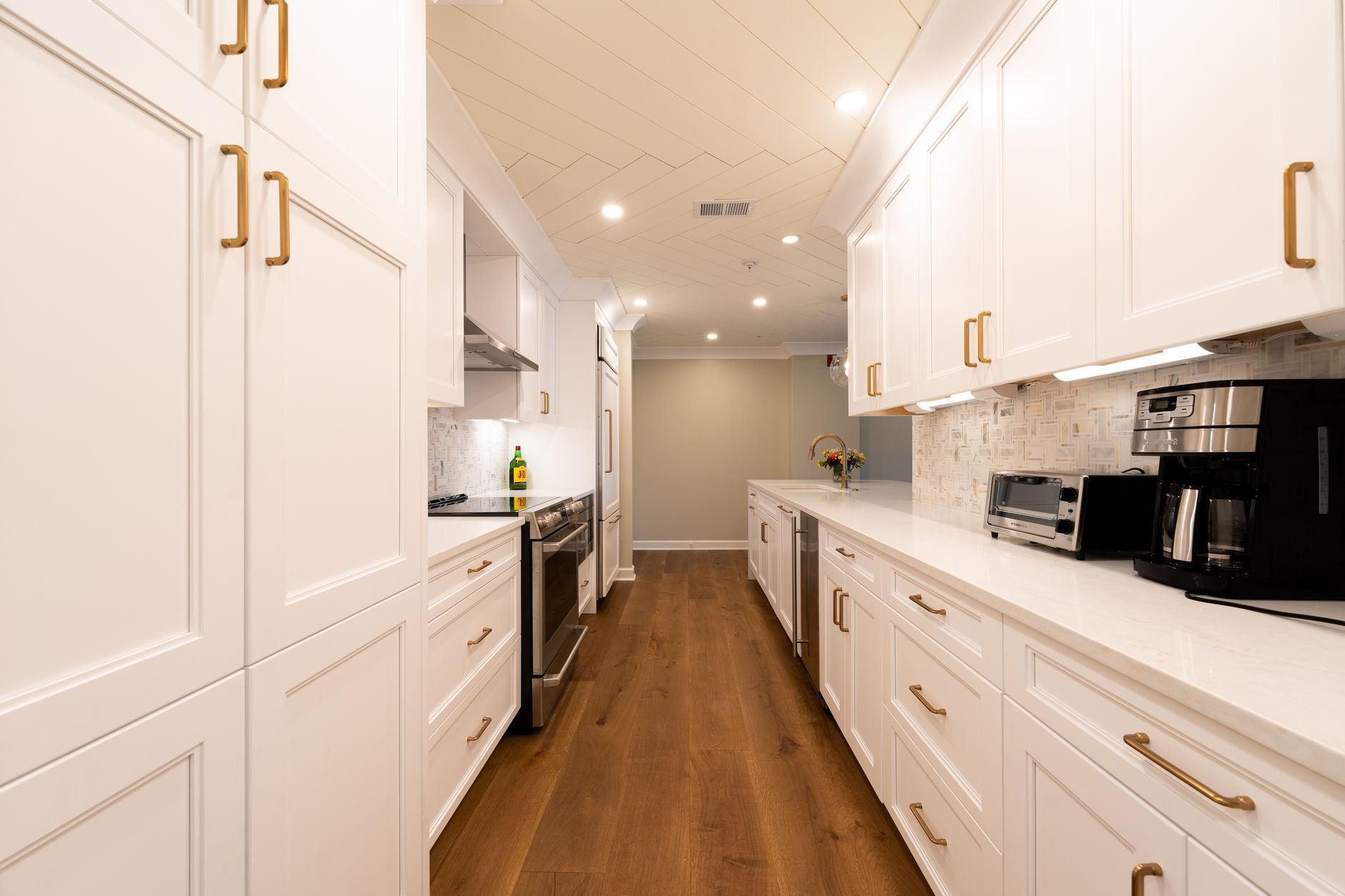
What does a kitchen remodel cost in Utah in 2026?
For most Utah homeowners, a cosmetic refresh lands between $25,000 and $45,000, a full pull-and-replace remodel between $45,000 and $90,000, and a custom remodel with layout changes between $90,000 and $150,000 or more. These are planning ranges based on what we see bidding kitchen remodeling work in Utah and Salt Lake counties — your kitchen’s size, condition, and finish choices will move the number.
National benchmarks track close to what we see locally. Zonda’s 2025 Cost vs. Value Report puts a minor midrange kitchen remodel at roughly $28,500 nationally and a major midrange remodel near $83,000, with upscale projects around $164,000. Wasatch Front labor runs slightly below coastal metros, but fast-growth demand in Utah County keeps trade pricing firm.
| Tier (ballpark, 2026) | Typical Utah range | What it usually covers |
|---|---|---|
| Budget refresh | $25,000–$45,000 | Same layout. Refaced or stock cabinets, quartz or laminate counters, new fixtures, paint, appliance swap. |
| Midrange full remodel | $45,000–$90,000 | Same footprint. Semi-custom cabinets, quartz counters, new flooring and tile, lighting updates, all-new appliances. |
| High-end / layout change | $90,000–$150,000+ | Walls removed or moved, plumbing and electrical relocated, custom cabinetry, premium counters and appliances. |
Every figure above is a ballpark planning range, not a promise. A real number requires a consultation, then a budget range, then a written estimate.
Per square foot, that works out to roughly $150 to $400 for most Utah kitchens, with a standard 10×10 kitchen landing between $25,000 and $60,000 depending on tier. One caution on comparing bids: a low number that excludes permits, appliance installation, or drywall repair isn’t actually low — it’s incomplete. Ask every bidder what’s excluded before you compare totals.
Why are cabinets the biggest line item?
Cabinets typically absorb 25 to 35 percent of a kitchen budget — more than any other single category. Stock cabinets for an average kitchen might run $6,000 to $15,000 installed; semi-custom lines run $15,000 to $35,000; full custom work starts around $35,000 and climbs with linear footage and detail. That single decision moves your project a full tier.
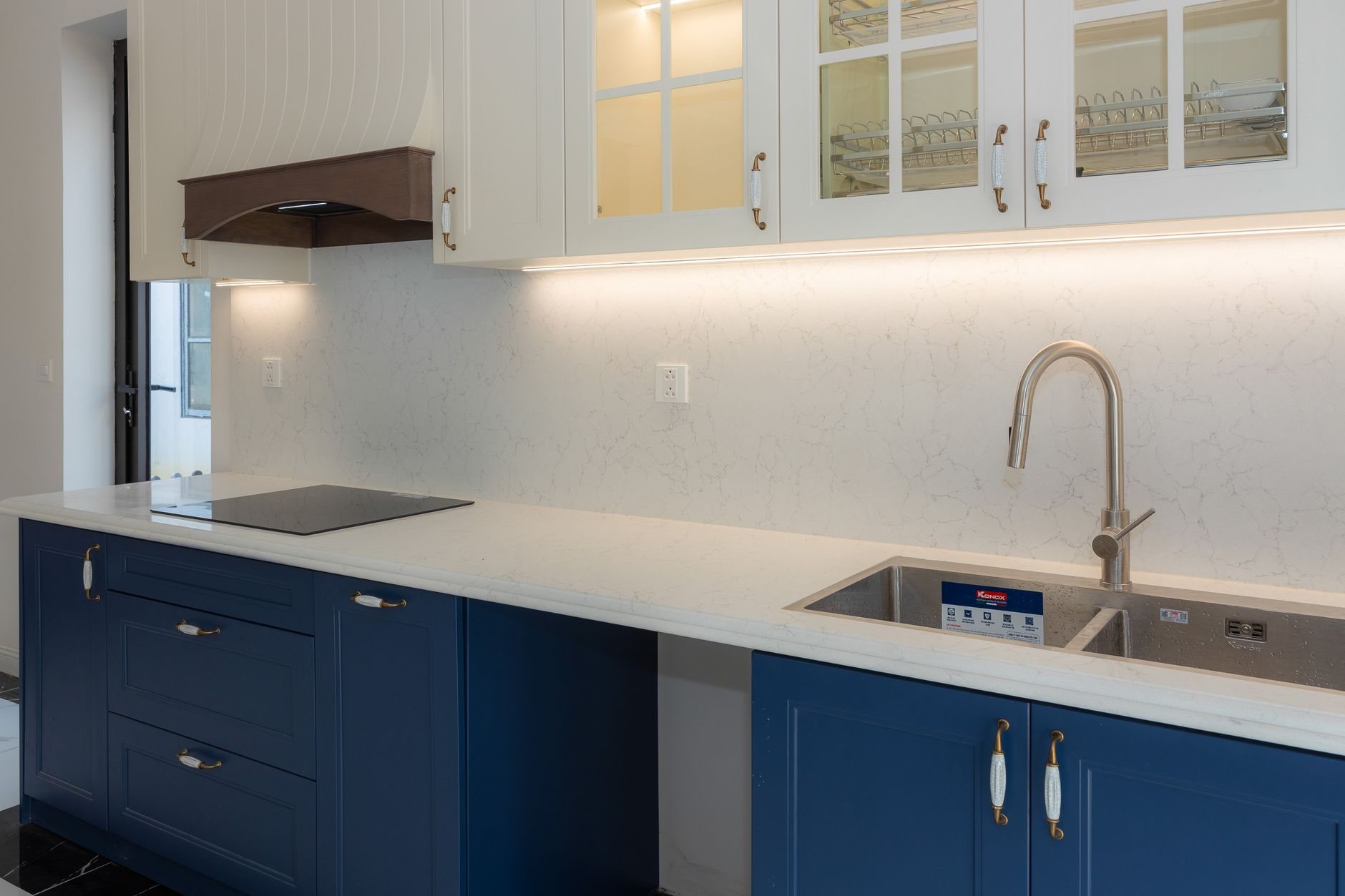
Countertops ride along with the cabinet decision. Quartz remains the default choice in Utah — it shrugs off our hard water spotting better than marble — and runs roughly $60 to $120 per square foot installed. Our cabinetry and countertops page walks through the material trade-offs in more depth. If the budget is tight, keeping the boxes and refacing doors and drawer fronts preserves most of the visual payoff at a fraction of the cost — one reason minor remodels posted the highest interior return in the 2025 Cost vs. Value data.
What does changing the layout add?
Plan on a $15,000 to $40,000 premium the moment walls, plumbing, or gas lines move. Opening a load-bearing wall means an engineered beam, temporary shoring, permits, and inspection — commonly $5,000 to $15,000 in Utah before finishes. Relocating a sink or range adds rerouted supply, drain, venting, and circuits on top of that.
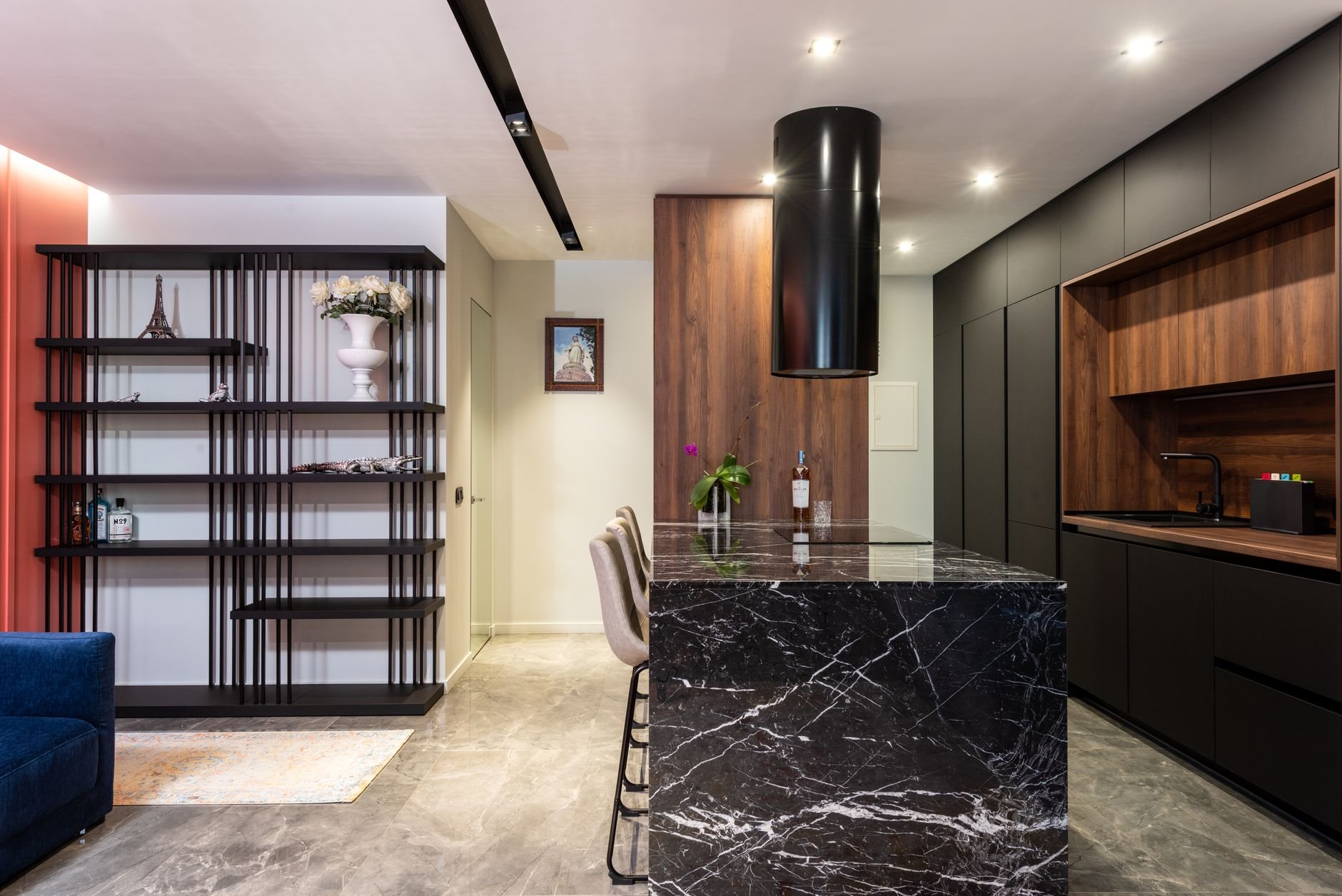
This is where remodels earn their reputation for surprises. Moving a range from a wall to an island, for example, triggers new electrical or gas runs and a ducted or downdraft vent path. We hold the contract and manage licensed plumbers and electricians directly — we coordinate, sequence, and quality-check their work within your project, which is exactly what our MEP coordination approach exists to do. In seismic country along the Wasatch fault, beam connections and anchorage on wall removals also get real attention from city inspectors, so budget schedule time for those inspections, not just money.
What moves the price up or down?
Beyond cabinets and layout, five factors do most of the work in a Utah kitchen bid. Knowing them before you collect estimates makes every number you hear easier to compare.
- Kitchen size and ceiling height. More linear feet of cabinets and counters scales cost almost linearly; tall uppers and soffit removal add carpentry.
- Home age. Pre-1980 homes in Provo, Orem, and Salt Lake often need panel upgrades, new circuits, or galvanized-pipe replacement once walls open — a fair contingency is 10 to 15 percent.
- Appliance package. $5,000 covers a solid standard package; a 48-inch range and panel-ready refrigeration can pass $30,000 alone.
- Flooring scope. Replacing flooring through adjoining rooms so it runs continuous adds square footage fast, but usually looks far better than patching.
- Permitting speed. Fast-growth cities like Lehi and Saratoga Springs process differently than established Provo or Salt Lake City departments — verify timing with your city’s building department early.
How long does a kitchen remodel take?
Expect 6 to 10 weeks of construction for a same-layout remodel and 10 to 16 weeks when structure or utilities move — after cabinets arrive. Cabinet lead times are the schedule driver most homeowners miss: 4 to 6 weeks for stock lines, 8 to 12 for semi-custom, longer for custom shops.
The honest sequence: design and selections (2–6 weeks), ordering and permits (4–12 weeks, overlapping), demolition through inspection and finish work. We don’t demo a kitchen until cabinets are confirmed and close to delivery; a family living off a microwave for an extra month because boxes are late is a preventable failure. Problems happen. Surprises should not. Our process covers how we schedule around lead times, and the rest of our renovation services follow the same logic.
When should you DIY, hire a specialist, or call a general contractor?
Painting, hardware, a faucet swap, even a straightforward backsplash — reasonable DIY territory if you’re handy. A single-trade scope, like counters only or flooring only, is fair game for a specialty installer, and you don’t need us for it.
Call a general contractor when the project crosses trades: cabinets plus counters plus electrical plus plumbing, or anything touching structure. At that point the value isn’t any one trade — it’s sequencing, permits, inspections, and one party accountable for the whole. Grandview holds a Utah B100 general contractor license (#14282236-5501), and you can verify any contractor’s license at dopl.utah.gov before signing anything. We’d suggest doing that no matter who you hire.
Get a real number for your kitchen
Send us your kitchen’s size, age, and what you want changed. We reply within a couple of hours during business hours — a day at most — with a straight read on scope, sequence, and a budget range before anyone commits to anything.