
Recurring property maintenance programs in Utah County
A maintenance program is a standing agreement: scheduled walkthroughs, a seasonal checklist built for Utah weather, and a licensed general contractor who fixes what the walkthrough finds. Grandview runs these programs for rental portfolios, HOAs, and commercial buildings across Utah County and the Salt Lake Valley.
Owners who would rather plan repairs than discover them
Most of our maintenance agreements belong to property managers running portfolios of ten to a few hundred doors — people who answer to owners and can’t afford to learn about a failing water heater from a tenant’s angry voicemail. The rest split between HOA boards responsible for clubhouses and common areas, owners of small commercial buildings without a facilities staff, and out-of-state investors who need eyes on their Utah properties more than twice a year.
What they have in common is a preference for the boring version of events. A cracked supply line found during a scheduled walkthrough is a $40 part and a work order. The same crack found three weeks later is a flooring claim, a drying contractor, and a displaced tenant. Reconstruction is a service we offer; preventing the need for it is a better one.
If what you actually need is a one-time repair list rather than a recurring program, that’s our handyman services scope — same crew, no agreement required.

What does a property maintenance agreement include?
A Grandview maintenance agreement includes scheduled property walkthroughs on a set calendar, a written inspection report with photos after every visit, completion of small repairs on the spot, and scoped work orders for anything larger. Frequency, properties covered, and the approval threshold for repairs are set in the agreement, so you know exactly what happens — and what it costs — before it happens.
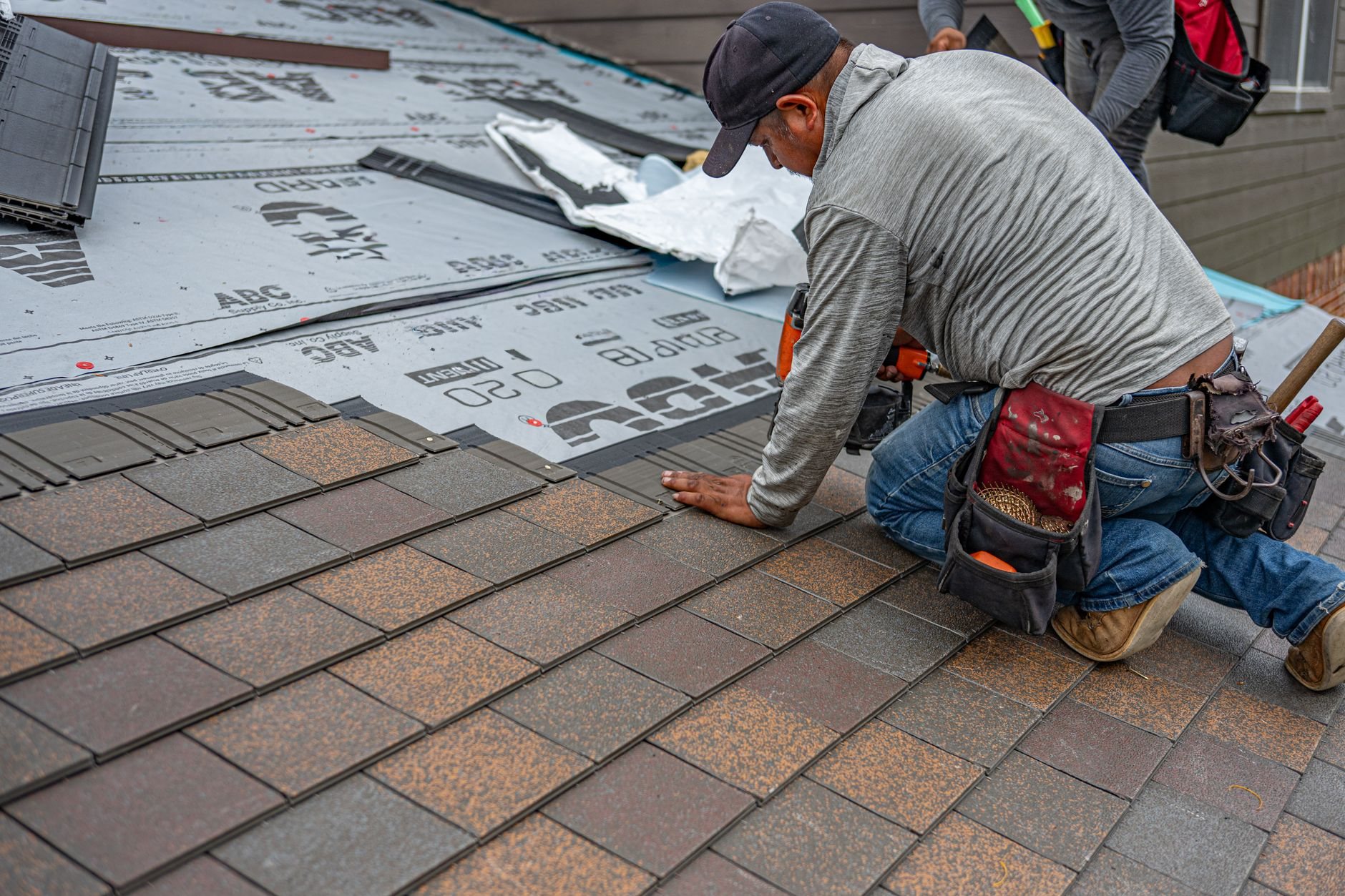
The walkthrough checklist covers the things that quietly get expensive: roof and flashing condition, gutter and downspout function, caulking and sealant at penetrations, door and window hardware, water heater age and condition, visible plumbing at fixtures and shutoffs, exterior concrete and trip hazards, fencing, and site drainage. Small items — a running toilet, a loose handrail, failed weatherstripping — get fixed during the visit and noted in the report. Larger items come back to you as a written scope with a price, and nothing proceeds past your pre-approved threshold without a signature.
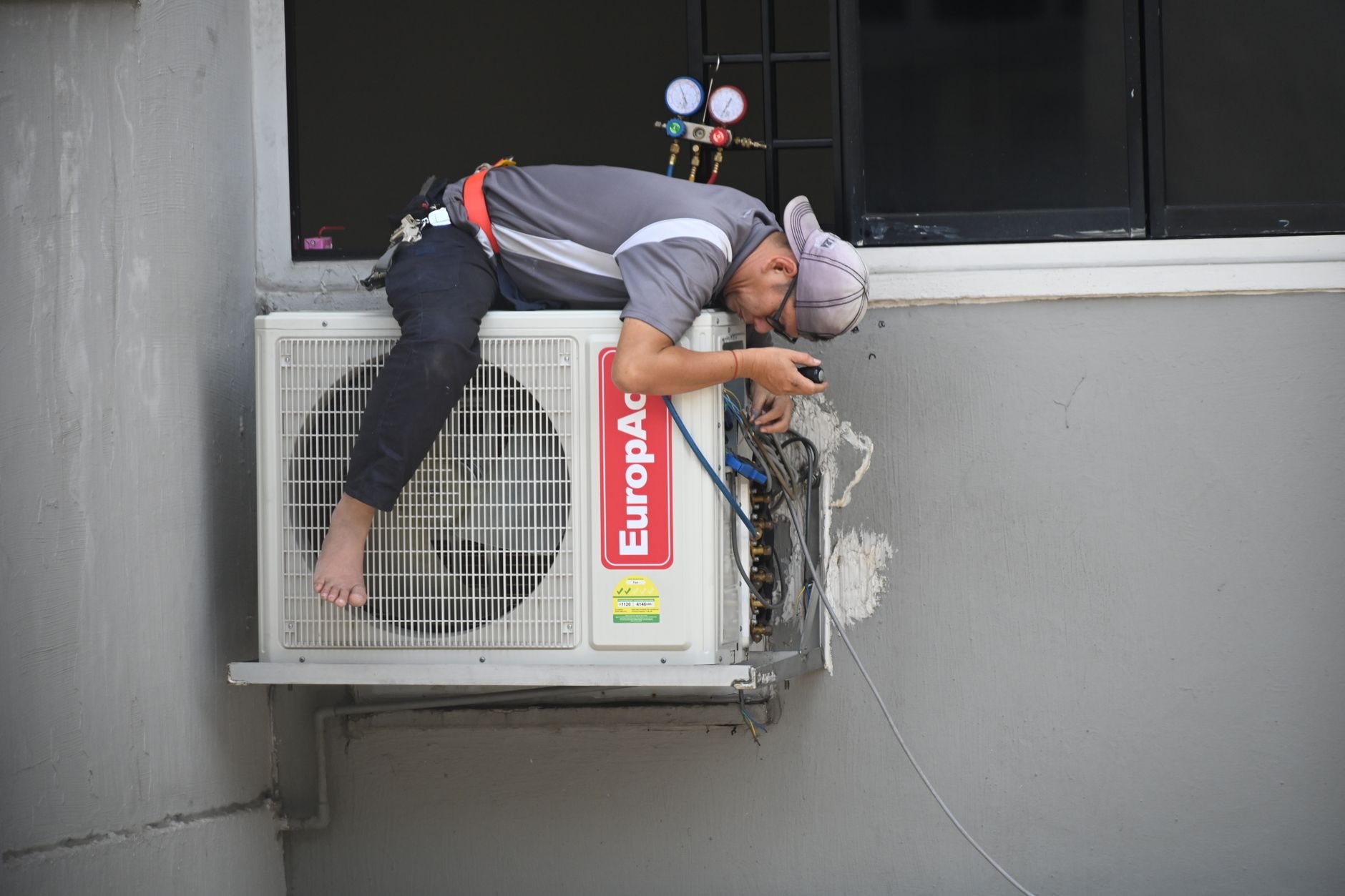
Where a finding involves mechanical, electrical, or plumbing systems beyond fixture-level work, we’re plain about how that runs: Grandview holds the contract and manages licensed electricians, plumbers, and HVAC technicians — we coordinate, sequence, and quality-check their work within your program, and it all lands in the same report. One agreement, one invoice, one accountable contractor with a Utah DOPL B100 license you can verify at dopl.utah.gov.
Two things a maintenance agreement deliberately is not. It’s not a make-ready service — scheduled between-tenant work lives in our unit turn programs, though many managers run both under one relationship. And it’s not an emergency-response retainer; more on that below, honestly.
What happens when something breaks between visits?
Maintenance clients get priority dispatch during business hours, Monday through Friday, 8am to 5pm. Call or text and you’ll typically hear back within two hours — often faster — with a same-day or next-day visit for anything urgent. We don’t advertise a 24/7 hotline, because we don’t run one, and we’d rather tell you that now than let you find out at 2am.
What we do instead is make the after-hours plan part of the agreement. Every program includes a written escalation sheet: shutoff locations documented during the baseline walkthrough, the mitigation companies we recommend for overnight water and fire response, and instructions your tenants or on-site staff can actually follow. When a genuine loss happens outside business hours, mitigation stabilizes it overnight and we take over at 8am — securing the property, scoping the damage, and handling the rebuild through our emergency stabilization and reconstruction services. Problems happen. Surprises should not.
A maintenance calendar built for Utah weather
Generic maintenance checklists come from national franchises and mild climates. Ours follows what the Wasatch Front actually does to buildings.
Spring is freeze-thaw accounting. This region cycles through roughly a hundred-plus freeze-thaw days a year, and every one of them works on exterior concrete, mortar joints, and any sealant that cracked over the winter. Spring walkthroughs focus on flatwork spalling, joint caulking, and irrigation startup before hard water deposits seize valves that sat all winter.
Early summer is drainage season. Monsoon cloudbursts can drop an hour’s worth of rain in ten minutes, and the properties that flood are almost always the ones with clogged window wells, disconnected downspouts, or grading that settled toward the foundation. We check all three before July, not after.
Fall is fastening season. Canyon-wind events along the Wasatch Front strip shingles, siding, and fence panels off buildings that handle ordinary storms fine — so fall visits inspect roof fastening, flashing, and fence posts while repairs are still cheap and the weather still cooperates. Wind damage that gets through anyway is handled by our storm damage repair team on the same account.
Winter is freeze prevention: hose bibs, vacant-unit heat checks, water heater condition, and exposed plumbing in garages and crawl spaces — because January pipe bursts overwhelmingly happen in spaces nobody looks at for weeks.
From first walkthrough to a running program
- Baseline walkthrough. We walk every property going into the agreement and document current condition — photos, system ages, shutoff locations, and the deferred-maintenance backlog, priced honestly.
- Program design. Together we set visit frequency, the seasonal checklist for your specific buildings, the repair approval threshold, and how reports reach you and your owners.
- Backlog triage. Existing problems get ranked by consequence, not by age. Water paths and safety items first; cosmetics when budget allows.
- Scheduled visits. Walkthroughs happen on the calendar, small repairs happen during the visit, and a photo report lands in your inbox afterward.
- Quarterly review. We sit down with the reports and the spend, adjust the checklist, and flag the capital items — roofs, water heaters, flatwork — coming due in the next year or two so they land in a budget instead of an emergency.
What does property maintenance cost in Utah?
Most recurring maintenance agreements along the Wasatch Front run a few hundred dollars per property per month for scheduled walkthroughs and minor on-the-spot repairs, with larger repairs scoped and billed separately at pre-agreed rates. These are ballpark planning numbers, not a quote — the honest price comes from a baseline walkthrough of your actual buildings.
What moves the number:
- Visit frequency. Monthly walkthroughs cost more than quarterly ones — and earn it back on older buildings, where the gap between visits is where damage grows.
- Portfolio geography. Ten doors within a few miles of each other price better per door than ten doors scattered from Payson to North Salt Lake.
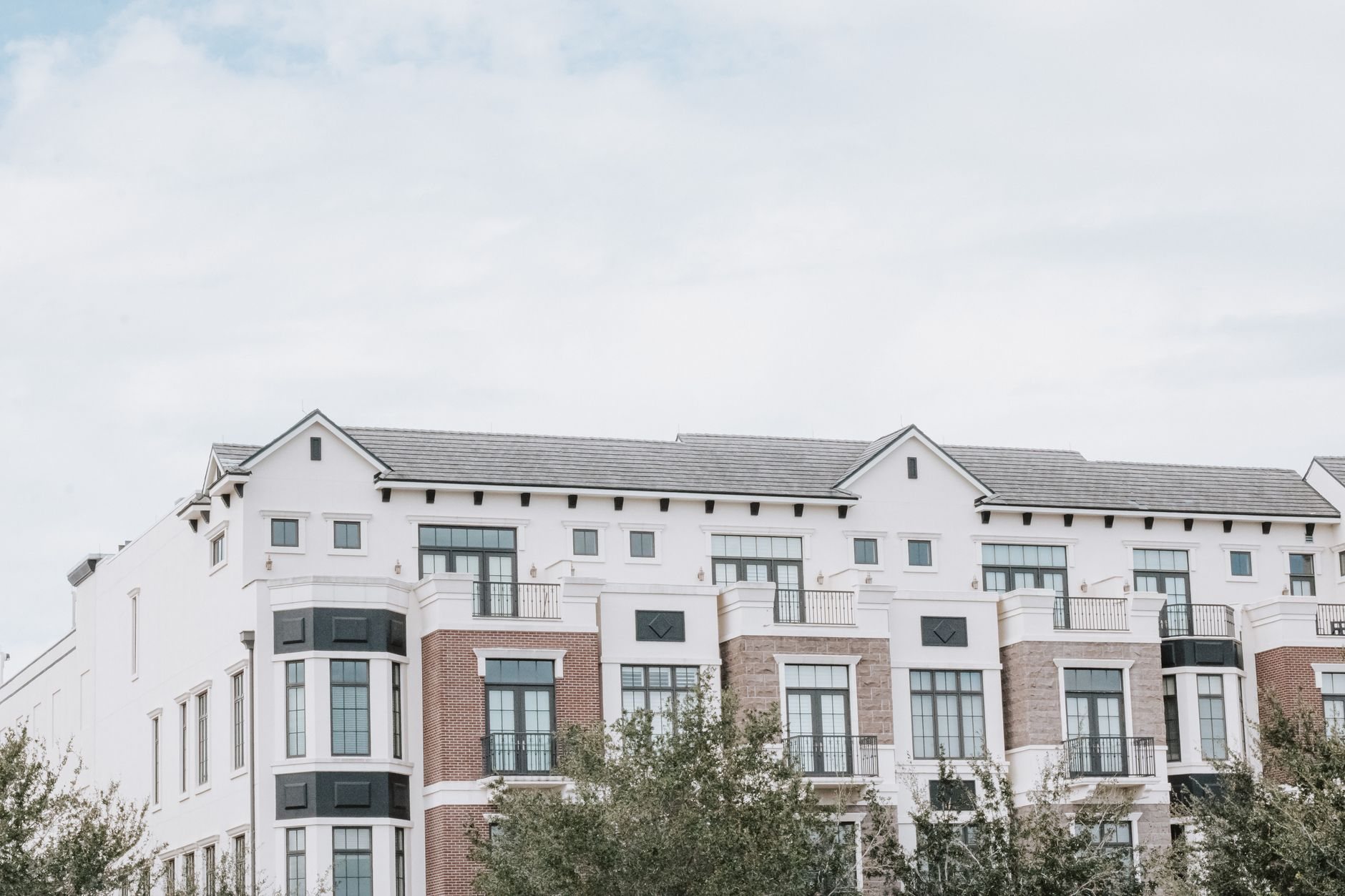
- Building age and system condition. A 2019 townhome community and a 1970s fourplex generate very different repair lists. Utah’s hard water shortens the honest service life of water heaters and fixture valves, and it shows up in older buildings first.
- Deferred backlog. A property that hasn’t been walked in five years usually needs a catch-up phase before steady-state pricing means anything. We price that phase separately so it doesn’t hide inside the monthly number.
- Exterior exposure. High-elevation UV is hard on paint, sealants, and decking here — south- and west-facing exteriors need recoating on a shorter cycle than the product labels suggest, and bench-lot properties in the canyon-wind belt need more frequent fastening checks.
The consultation and baseline walkthrough turn all of that into a written budget range, then a firm program price. You’ll never get a number from us that we can’t explain line by line.
Questions we actually get
What’s the difference between a maintenance agreement and just calling when something breaks?
Calling when something breaks means every repair starts at zero — scheduling, access, diagnosis, pricing. An agreement means we already know your buildings, hold your shutoff map, catch most problems during scheduled walkthroughs, and dispatch with priority when something does break. Reactive-only clients are welcome too; that’s our handyman scope. The agreement is for owners who want fewer of those calls to begin with.
Do you offer 24/7 emergency response?
No, and we won’t pretend otherwise. Dispatch runs Monday through Friday, 8am to 5pm, with replies typically within two hours. Every agreement includes a written after-hours plan: documented shutoffs, recommended mitigation companies for overnight water or fire response, and clear tenant instructions. We take over stabilization and reconstruction the next business morning.
Can you work alongside our on-staff maintenance techs?
Yes — several of our programs are structured exactly that way. Your techs handle daily tenant tickets; we handle the seasonal walkthroughs, the licensed-trade coordination, and the repairs that exceed their tools or their comfort. The reports go to the same place either way, so your owners see one coherent maintenance record instead of two partial ones.
Is there a minimum portfolio size?
No hard minimum, but the economics work best from a handful of properties up. A single commercial building or HOA common area supports a program fine because there’s real square footage to walk. For one small rental, a semiannual walkthrough plus on-call handyman work is usually the honest recommendation — and we’ll tell you so.
What drives repair costs up between visits?
Water, almost every time. A slow fixture leak, a clogged window well, or a disconnected downspout does little damage in week one and a lot by month three — drywall, flooring, and sometimes framing. Freeze events compound it: unheated vacant units and exposed garage plumbing turn small oversights into insurance claims. Visit frequency exists mostly to shrink that window.
How do you handle work in occupied units?
With notice, containment, and documentation. We coordinate entry notices through your management process, keep work areas contained and locked at day’s end, and photograph condition before and after so tenant disputes have evidence instead of memory. Most of our maintenance work happens in occupied buildings; it’s the normal case, not the exception.
Related services
Property maintenance is one piece of our repair, restoration & property services family. Managers running rental portfolios often pair a program with unit turn programs for scheduled make-readies, lean on handyman services for one-off repair lists, and know that if the worst happens anyway, water damage restoration runs on the same account with the same documentation habits.
Put your buildings on a calendar
Tell us about the portfolio — how many doors, how old, and what’s been deferred. We reply within a couple of hours during business hours, a day at most, and the first step is a baseline walkthrough with a straight read on condition and budget before anyone commits to anything.