
Bulk Unit Renovation Programs
A bulk unit renovation program renovates dozens or hundreds of apartment units to one locked specification on a rolling schedule, inside an occupied building, at a per-door price that holds across the run. Grandview plans and runs bulk programs for multifamily owners across Salt Lake County and Utah County under one B100 general contractor license.
When bulk is the right program, and when it isn’t
Bulk is about count and cadence, not finish level. If you own a 120-unit garden property in West Valley and the plan calls for every unit on the same spec within 18 months, you need a bulk program. The decisions that matter are how many units per week the building can give up, in what order, and how materials for the run get bought and staged.
If the question is what to put in each unit to justify a rent bump, start with value-add unit renovation, which covers the finish package. If units just need to be rent-ready as they vacate, that is an apartment unit turn; our unit turn programs page explains the tiers.
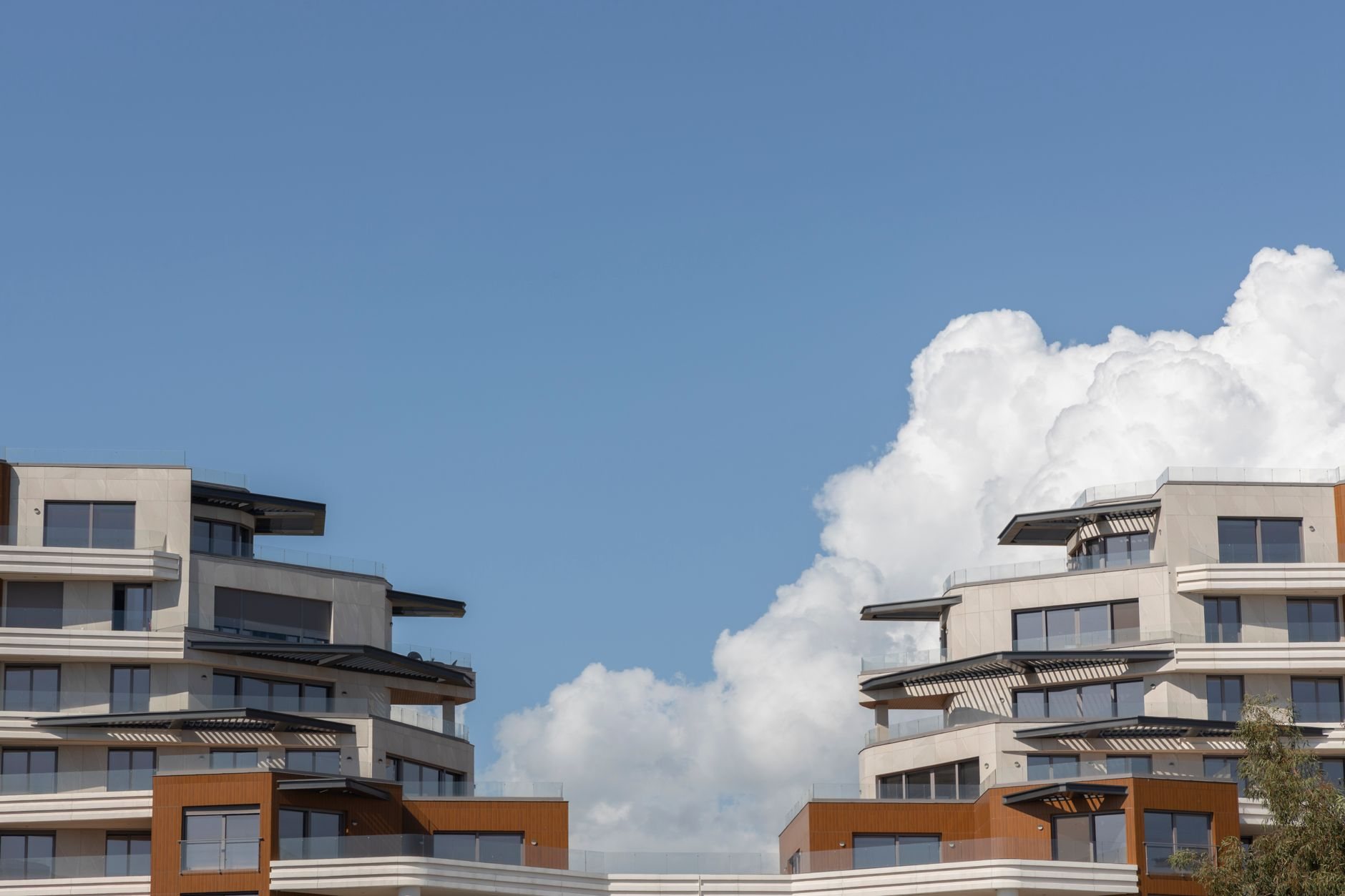
What a bulk program involves: prototype, spec book, cadence
Every bulk run starts with one unit, not a hundred. We renovate a prototype to the proposed spec, walk it with ownership and leasing, and fix every decision there, from LVP plank width to outlet height over the new counter. The prototype becomes the leasing model and the measuring stick for every unit after it.
The spec book
From the prototype we write a spec book: SKU-level material list, paint codes, fixture cut sheets, a demolition boundary, and a photo standard for finished. When a supplier discontinues a faucet in month seven, the substitution is approved and recorded there, so unit 88 matches unit 8.
Procurement in quantity
With a locked spec and a unit count, flooring, cabinets, countertops, lighting, and plumbing trim are bought by the run, not the unit: negotiated pricing, a secured lot so finishes match, and staged on-site inventory so a crew can start the morning the keys come back. Kitchen and bath packages are ordered roughly 20 units ahead, so a backorder stalls a wave, never the program.
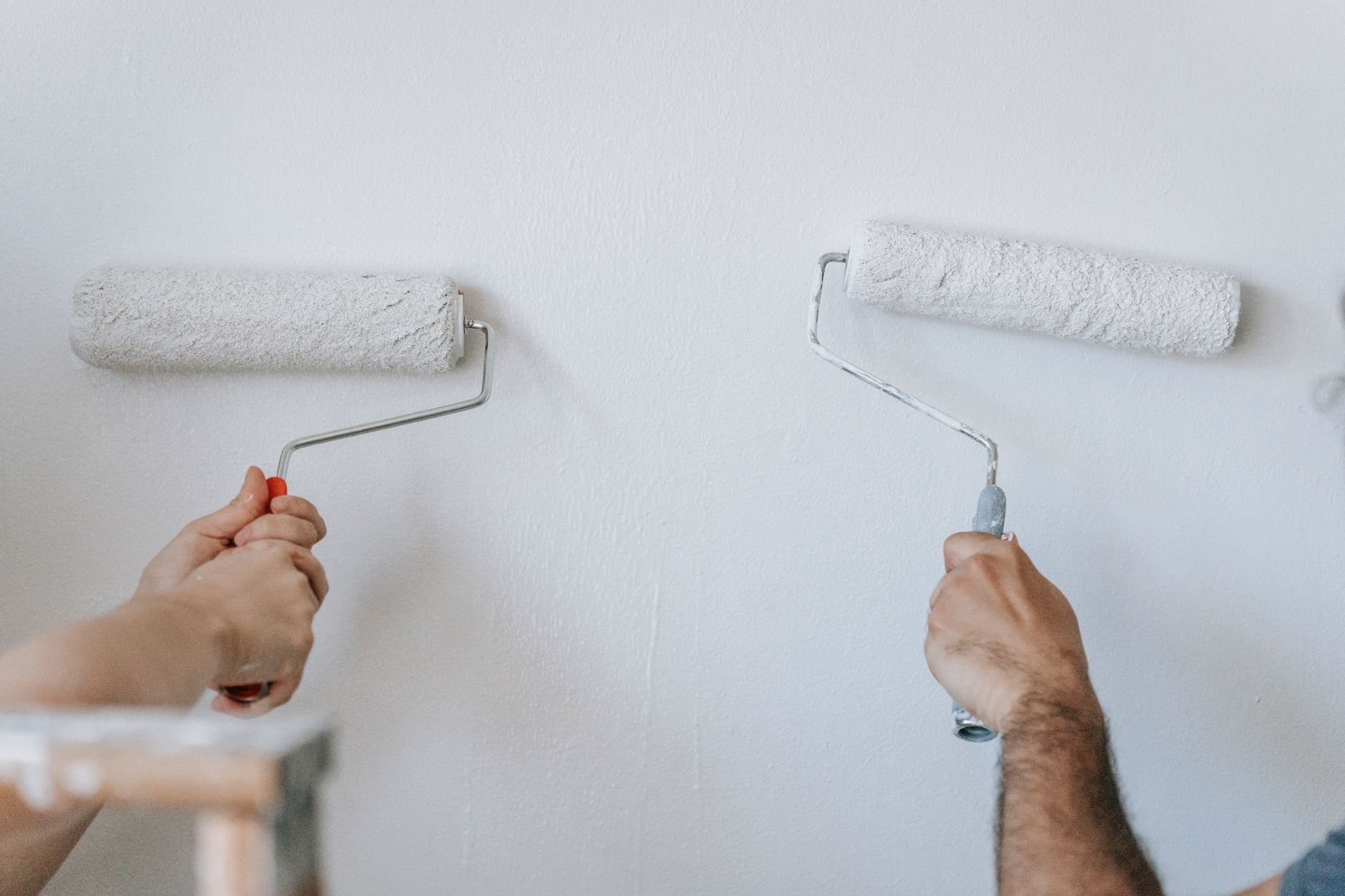
Cadence and stacking
Cadence is how many units are in process and how many hand back each week. We plan it around lease expirations and plumbing stacks: where tub-shower units or supply lines are being replaced, renovating a whole vertical stack together means one riser shutdown instead of four. Plumbing, electrical, and HVAC work run through licensed trade contractors; Grandview holds the contract, sequences their rough-in and trim into each wave, and inspects their work before the unit is photographed and handed back (see MEP coordination).
Where a property predates 1978, paint-disturbing work falls under the EPA’s Renovation, Repair and Painting rule, so the spec book carries lead-safe containment and documentation for every unit.
How we keep a 100-unit renovation from feeling like one
Most bulk programs run at 85 to 95 percent occupancy; residents stay. We hold each wave to a contiguous block of units, contain dust at every unit door, keep corridors passable, and post the wave schedule so residents know which morning their stack loses water. Waves close Friday with photographed handbacks so leasing can tour Saturday.
Provo and Orem student properties can renovate on a schedule the rest of the market can’t: a large share of leases end inside the same two weeks of August, so a bulk program can take a whole building in one summer sprint. The 2010s wave of multifamily construction in Lehi, Saratoga Springs, and Eagle Mountain is reaching its first full-cycle renovation, and those buildings tend to need flooring and paint in every unit rather than kitchens. And valley-wide hard water shortens the life of valves and aerators, so bulk spec books here nearly always include new plumbing trim even when the kitchen stays.
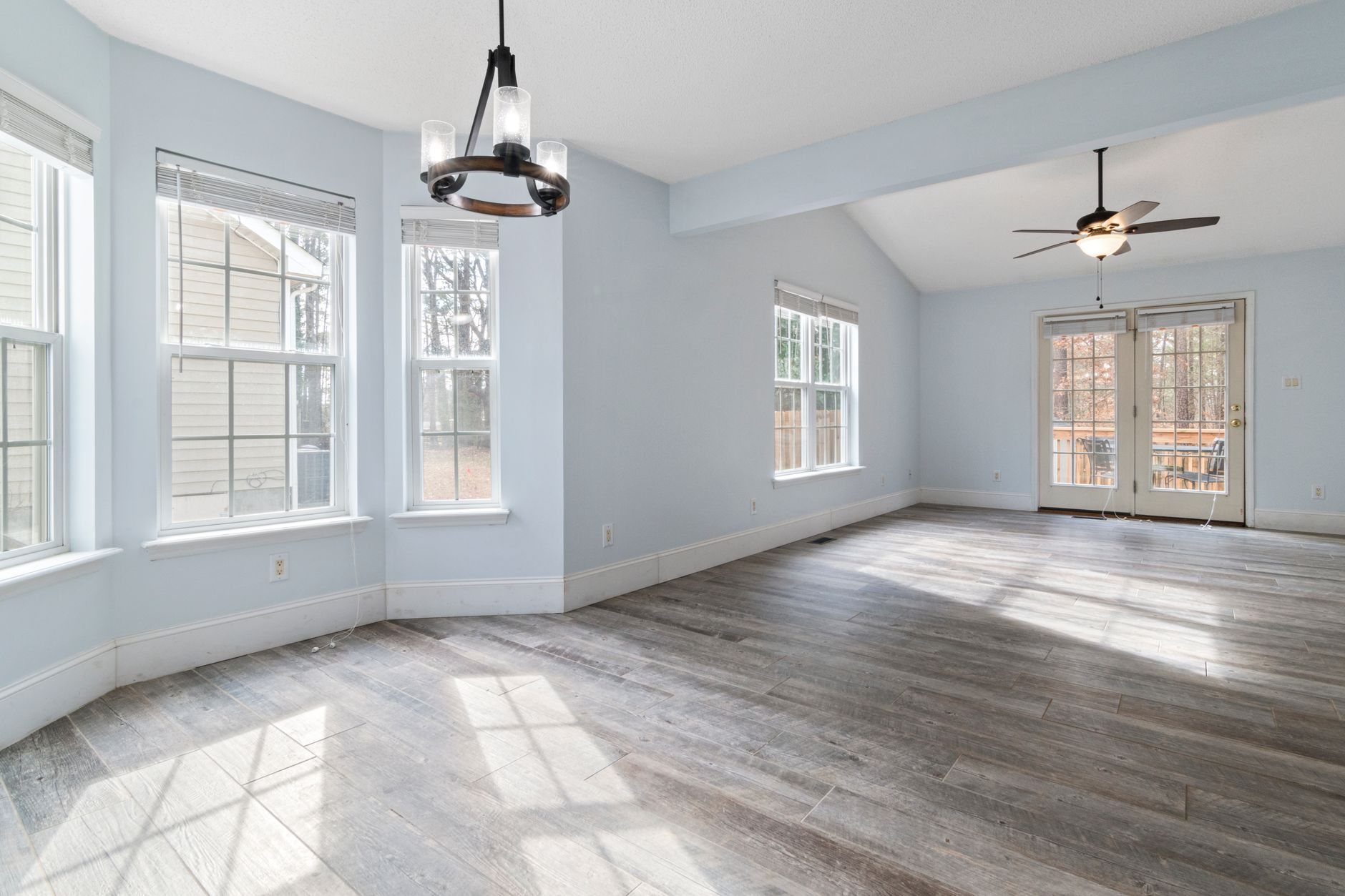
What does bulk unit renovation cost per door in Utah?
As ballpark planning numbers for Salt Lake County and Utah County, not quotes: a light bulk scope (full repaint, LVP, lighting, hardware, plumbing trim, countertop swap) commonly lands between $7,000 and $14,000 per unit; a full kitchen-and-bath scope with new cabinets, counters, tub surround, and tile between $16,000 and $32,000 per unit. The real per-door number comes from the prototype, which is why we build it first.
What moves the per-door number
- Unit count and commitment. A committed 100-unit run buys and schedules differently than an open-ended 20.
- Cabinets: reface, replace, or keep. The largest swing in a bulk scope, and the one most worth testing on the prototype.
- Plumbing and electrical reach. Trim-only versus valve and supply replacement versus circuit work changes both cost and how long each stack is down.
- Discoveries. Subfloor damage, galvanized supply lines, and prior unpermitted work surface at a predictable rate once you open enough units. We carry a contingency line and bill against it with photos.
If the program also touches the clubhouse or corridors, that scope is priced separately under amenity and common-area renovation so unit economics stay clean. License status is public at dopl.utah.gov if your lender asks.
Questions we actually get
How many units can you deliver per week?
Depending on scope and how many units the building can give up, a typical light-scope program runs six to twelve units in process and hands back three to six per week. Full kitchen-and-bath programs run slower. We set the cadence from the prototype and your lease-expiration schedule, then hold it.
Do residents have to move out for a bulk renovation?
Only out of the unit being renovated, and only for its wave. Most programs run on natural turnover plus a planned number of in-building transfers your leasing team arranges. Neighbors stay put; stack shutdowns are scheduled and announced in advance.
What happens when you open a unit and find a problem the spec didn’t cover?
We photograph it, price it from the contingency rate sheet, and keep the wave moving on every unit it doesn’t block. Nothing out of spec is billed without a documented line. Active leaks or electrical hazards get stabilized first, papered second.
Tell us what you’re working on
Send us the unit count, target spec, and timeline. We reply within a couple of hours during business hours, a day at most, with a straight read on prototype, cadence, and per-door pricing. Part of our property services family.