
Energy-efficiency & weatherization retrofits
An energy retrofit tightens the parts of a building that leak heat in January and soak it up in July — insulation, air sealing, windows, roofing, and the mechanical systems behind them. Grandview plans and builds these upgrades under one contract, sequenced so each improvement supports the next.
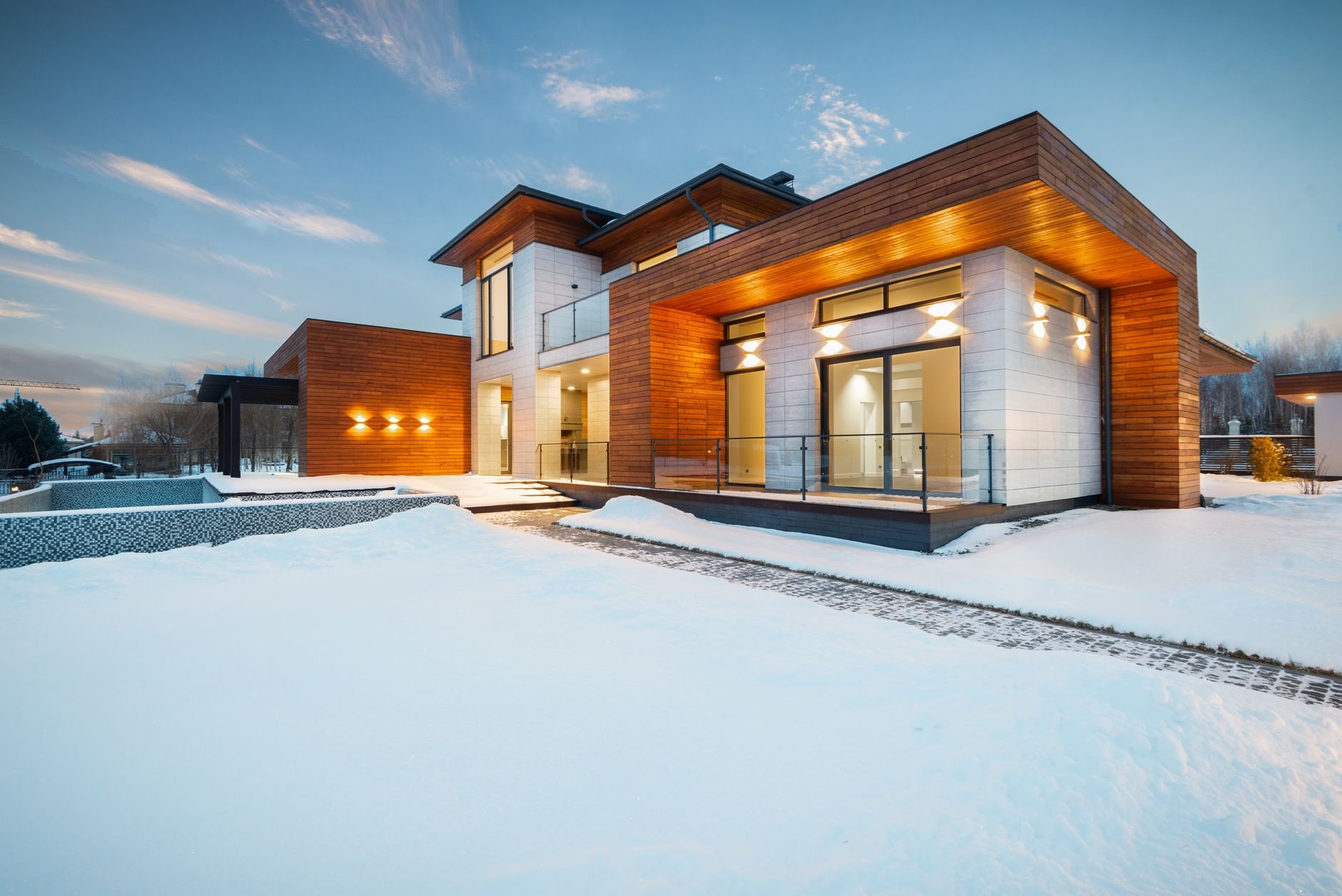
Who a retrofit is for
Most of the calls we get start with a symptom, not a scope. A bedroom over the garage that never warms up. A second-floor that runs ten degrees hotter than the thermostat claims. A gas bill that climbed again this winter. A furnace nearing the end of its life, and a homeowner wondering whether to replace it in kind or fix the house around it first.
Retrofits fit three situations especially well. Older Wasatch Front housing — the large stock of homes built before modern insulation and air-sealing standards — where the envelope leaks enough that comfort and bills both suffer. Homes preparing for solar or a heat pump, where tightening the building first means buying a smaller, cheaper system. And property owners chasing utility rebates and federal tax credits, which usually require the work to be scoped, documented, and sometimes tested in a specific way.
The order matters more than the products. Sealing and insulating before you replace mechanical equipment lets the new equipment be sized for the tighter house. We see dependencies before they become delays.
Eight retrofit scopes, one accountable contractor
Energy audits & remediation
Find the leaks before you spend on fixes — testing and inspection that turns a vague comfort complaint into a prioritized scope of work.
ExploreInsulation & air sealing
Attic, wall, and rim-joist insulation paired with air sealing — usually the highest return per dollar of any efficiency upgrade.
ExploreBuilding envelope improvements
Whole-envelope work — sheathing, weather barriers, flashing, and continuous insulation — for buildings that need more than a patch.
ExploreWindow & door efficiency upgrades
Replacing single-pane and failed units with properly flashed, energy-rated windows and doors that stop drafts at the frame, not just the glass.
ExploreHVAC efficiency upgrades
High-efficiency furnaces, heat pumps, and cooling — sized for the house you’ll have after the envelope work, not the one you had before.
ExploreCool roof & reflective coatings
Reflective roof coatings that cut summer heat gain on low-slope and commercial roofs — and extend the membrane’s life while they’re at it.
ExploreSolar-ready retrofits
Roof structure, conduit, and electrical prep done now so panels can go up later without opening walls twice.
ExploreRebate-qualifying upgrades
Work scoped and documented to qualify for utility rebates and federal tax credits — with the documentation trail those programs actually require.
ExploreWhat we build and what we coordinate
The envelope work — insulation, air sealing, window and door replacement, roofing and coatings, and the carpentry and flashing around all of it — is general-contracting work we perform under our Utah B100 license, verifiable at dopl.utah.gov.
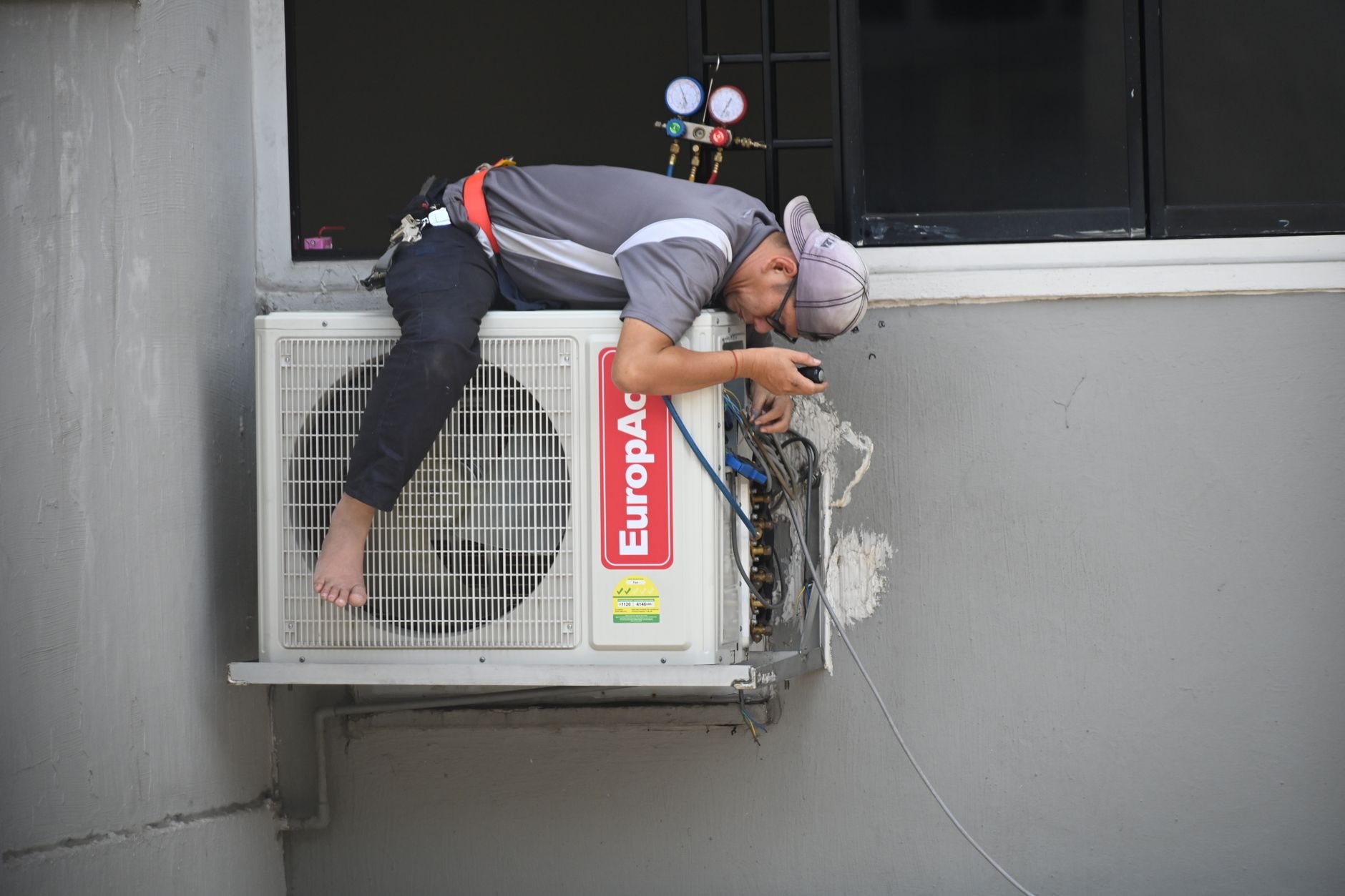
For the systems side, we’re plain about how it works: Grandview holds the contract and manages licensed HVAC and electrical contractors — we coordinate, sequence, and quality-check their work within your project. The same goes for blower-door and combustion-safety testing on audits, which runs through qualified energy raters we schedule and review. You get one contract, one point of contact, and one party accountable for the whole result.
How a retrofit project runs
- Understand. We walk the building, review utility bills, and hear the symptoms — cold rooms, hot floors, high bills, ice dams. Where testing will change the plan, we coordinate a formal energy audit.
- Prioritize. Envelope before equipment, almost always. We rank the fixes by cost per unit of improvement and show you where each dollar does the most work.
- Scope and paperwork. A written scope with clear inclusions, plus the rebate and tax-credit documentation lined up before work starts — ENERGY STAR certification requirements and utility program rules shape product choices, so we settle them early.
- Build. Insulation, sealing, windows, roofing, and coordinated mechanical work sequenced so trades don’t undo each other — no drilling through a freshly sealed rim joist.
- Verify. Final walkthrough, test-out where a program requires it, and a documentation package you can hand to your utility or accountant.
What Utah’s climate asks of a retrofit
The Wasatch Front is a genuinely demanding place to keep a building comfortable, and the demands aren’t generic. Winters bring roughly a hundred-plus freeze-thaw days a year, so air leaks don’t just waste heat — moisture-laden air pushed into cold attics and wall cavities condenses, freezes, and works on the building. Good air sealing here is as much a durability measure as an efficiency one.
Elevation cuts the other way in summer. At 4,500 feet and up, UV intensity punishes exterior finishes and roofing faster than sea-level product literature suggests, which is part of why reflective roof coatings earn their keep on low-slope roofs — less heat gain, less UV degradation, longer membrane life.
Wind and snow shape the details. Canyon-wind events — the Centerville and Farmington gusts are the famous ones — drive rain and cold air into any gap in siding, flashing, or attic vents, so fastening schedules and sealing details matter more here than in calmer country. And snow loads differ noticeably between valley-floor and bench lots, which affects what a roof can carry when we’re planning solar-ready structural prep. One more Utah-specific note: if your retrofit includes tightening a basement, it’s worth knowing this is high-radon geology — the EPA’s radon guidance recommends testing, and we can fold a mitigation rough-in into the scope while walls are open.
Questions we actually get
Where should I start — an audit or just adding insulation?
If the problem is obvious — an uninsulated attic, single-pane windows — start with the fix. If the symptoms are vague or the budget is serious, start with an audit: testing tells you which leaks matter, and many rebate programs require test-in data anyway. We’ll give you a straight read on which path fits your situation.
What does an energy retrofit cost in Utah?
Attic air sealing and insulation for a typical home often lands in the low-to-mid thousands; whole-envelope work with windows and mechanical upgrades can reach tens of thousands. Treat those as ballpark planning numbers — size, access, existing conditions, and product tier move the figure. Rebates and federal tax credits can offset a meaningful share.
Can a house be sealed too tight?
A house can be tighter than its ventilation, which is a fixable design question, not a reason to skip sealing. When air sealing gets aggressive, we plan mechanical ventilation to match, and in basements we account for Utah’s high-radon geology with testing and, where needed, mitigation. Tight plus ventilated beats leaky every time.
Which upgrades qualify for rebates or tax credits?
Insulation, air sealing, energy-rated windows and doors, heat pumps, and high-efficiency HVAC commonly qualify for utility rebates and federal tax credits — but each program has product requirements and documentation rules. We scope the work to qualify from the start and hand you the paperwork trail, rather than reverse-engineering it after the fact.
Where retrofit work usually fits
Energy retrofits are one scope in our specialty capabilities family, and they rarely travel alone. Envelope work pairs naturally with the roofing, siding, and waterproofing scopes in our site, structure & envelope family, and efficiency upgrades often ride along with a renovation — the cheapest time to insulate a wall is while it’s already open. On older buildings where the drawings no longer match reality, LiDAR as-built scanning gives the retrofit an accurate starting point, and when the same project needs accessibility improvements, our ADA accessibility retrofits team works from the same plan and schedule.
Tell us what you’re working on
Describe the cold room, the high bill, or the upgrade list — we reply within a couple of hours during business hours, a day at most, with a straight read on where the first dollar should go.