
Home energy audits & remediation in Utah County
A home energy audit measures where a house actually loses heat and air — blower-door, infrared, duct-leakage, and combustion-safety testing — and remediation is the ranked set of fixes that follows, verified by a second test. Grandview holds the contract under a Utah B100 license, coordinates a certified energy rater for the testing, and builds the fixes.
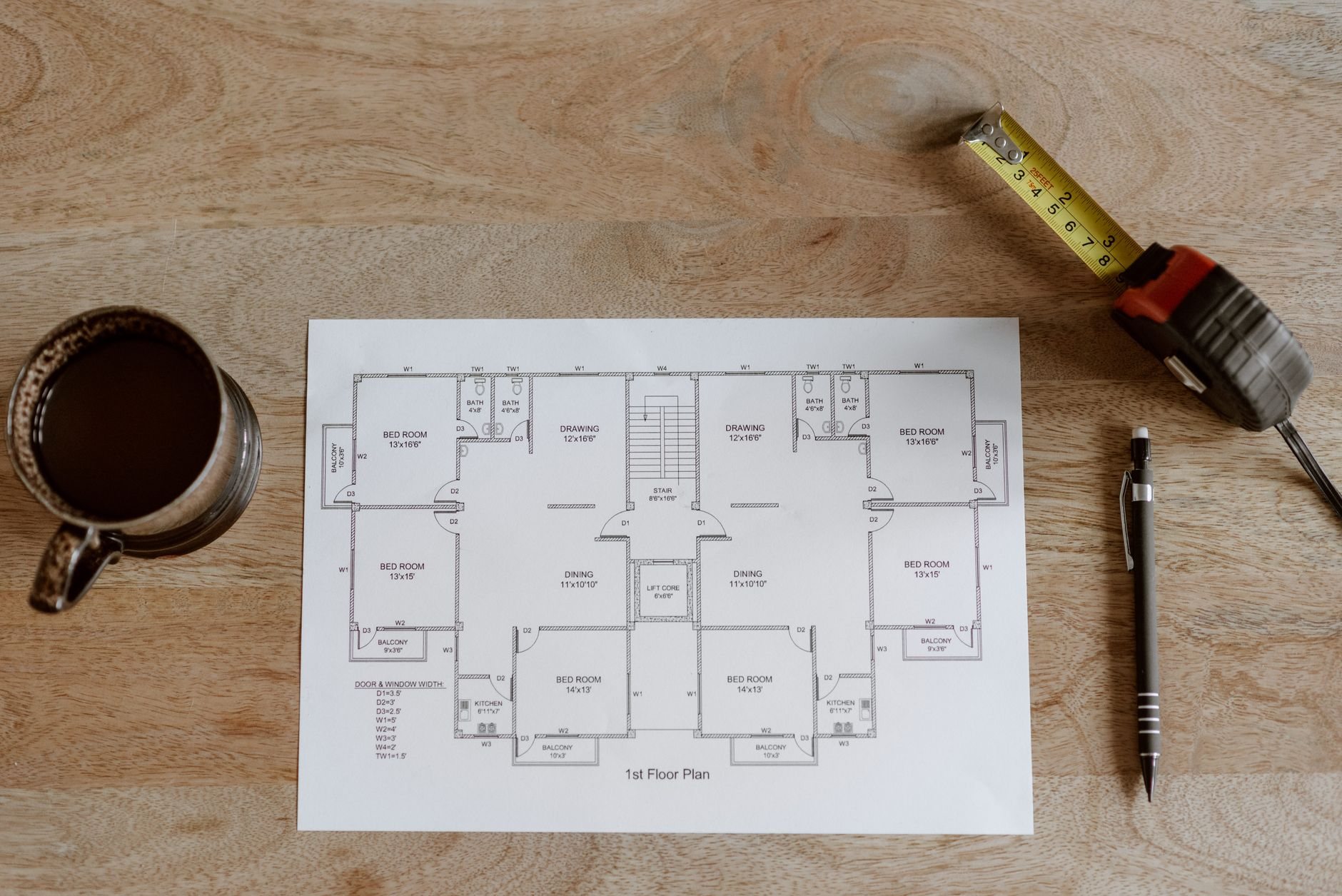
When testing first is the right move
An audit earns its fee when the cause isn’t visible. A gas bill that climbed with no change in habits. One bedroom eight degrees colder than the hallway. A 1970s Orem rambler with a re-insulated attic that still feels drafty — a house can lose most of its heat through an open rim joist and a dozen unsealed can lights, and guessing means paying to fix the wrong leak.
Skip the audit when the problem is plain. Bare attic joists or single-pane aluminum windows don’t need a blower door — go straight to insulation and air sealing or window and door upgrades. If the furnace itself is failing, see HVAC efficiency upgrades, though a test-in number still tells us how small the new system can be.
The third reason is paperwork. Utility programs and federal tax credits often want a documented baseline, so rebate-qualifying upgrades go smoother with before-and-after numbers. This is the “start here” scope of our energy-retrofit family, within our specialty capabilities.
What the audit actually measures
A diagnostic audit takes two to four hours on site and produces numbers, not impressions. ENERGY STAR’s home assessment guidance describes the full scope; here is how it plays out in a Utah County house.
- Blower-door test. A calibrated fan depressurizes the house to 50 pascals and reports leakage in CFM50 and air changes per hour. Older Wasatch Front homes commonly test at two to three times the leakage of a current-code house. Every later fix is measured against this number.
- Infrared thermography. With the blower door running, a thermal camera shows cold air entering at top plates, attic hatches, outlet boxes, and behind tubs. Utah winters help — a 40-degree indoor-outdoor difference makes leaks show sharply.
- Duct-leakage test. Supply runs through an unconditioned attic or crawl space often leak 20 percent or more of what the furnace moves, which is why a new furnace alone rarely fixes a cold room.
- Combustion-safety testing. Atmospheric gas water heaters and older furnaces are checked for spillage and backdrafting with exhaust fans running. Tightening a house without this step is how a safe appliance becomes an unsafe one.
- Visual and bill review. Attic and crawl-space inspection plus twelve months of utility history, so the numbers tie to dollars.
We are plain about who holds the instruments. The testing runs through a certified energy rater Grandview schedules, attends, and reviews; the findings become our scope, and Grandview holds the contract for both the testing and the work that follows.
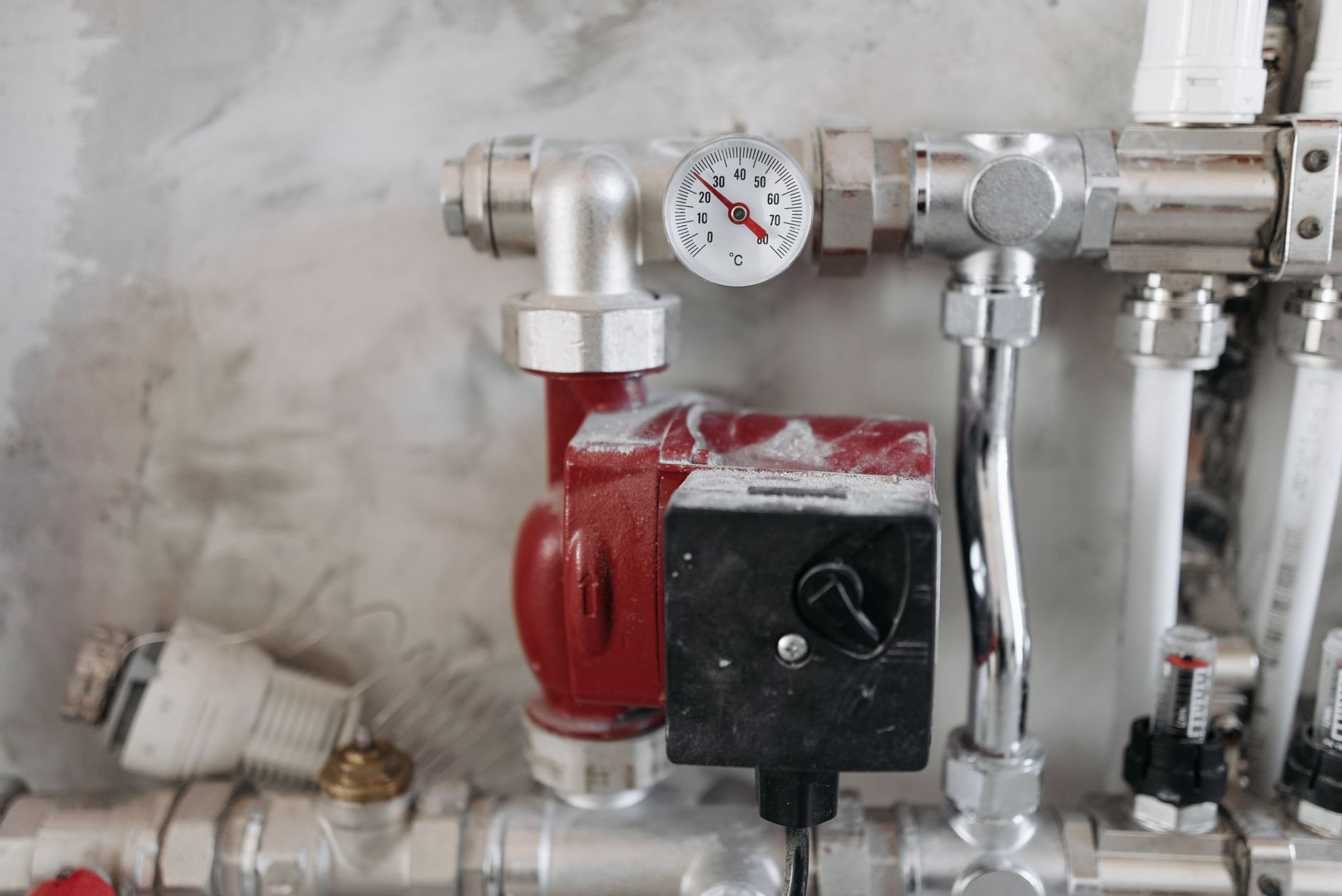
From test results to a remediation scope
The report is only useful once it becomes a ranked list, sorted by leakage found per dollar to fix. The order is usually the same: attic bypasses first, rim joist second, ducts third, glass last.
- Attic plane. Foam and caulk at top plates, penetrations, chimney chases, and dropped soffits; airtight covers over recessed lights; a weatherstripped, insulated hatch. Only then do we top up insulation — blown insulation over an unsealed ceiling is a filter, not a barrier.
- Rim joist and basement. Rigid or spray foam at the rim and a sealed sill plate. Utah County sits on high-radon geology, and tightening a basement can raise indoor levels; the EPA’s radon guidance is to test, so a test or a mitigation rough-in joins the scope when warranted.
- Duct sealing. Mastic at every reachable joint and boot, insulation on attic and crawl-space runs, and rigid bath-fan duct to a roof or wall cap instead of the attic, where winter moisture frosts the sheathing.
- Combustion fixes. If test-in showed spillage, the fix comes before the house gets tighter — a powered vent, a sealed-combustion appliance, or make-up air — through the licensed mechanical contractor we manage.
- Test-out. The rater returns, runs the blower door again, and reports the new CFM50. You get before-and-after numbers, the thermal images, and a documentation package for utility and tax-credit filings.
Where the audit finds the envelope failing physically — wet sheathing, missing weather barrier, failed flashing — the fix moves into building envelope improvements, a larger scope under the same contract.

What does a home energy audit cost in Utah County?
A full diagnostic audit with blower-door, infrared, duct, and combustion testing typically lands in the few-hundred-dollar range, and we credit it toward remediation we perform. First-round remediation — attic sealing, rim joist, hatch, duct mastic — most often runs in the low thousands for a typical single-family house. Both are ballpark planning numbers, not quotes.
What moves the figure: attic access and existing insulation depth, the count of recessed lights and chases, whether ducts are reachable or buried, any appliance change a combustion finding forces, and radon mitigation if the post-sealing test calls for it. Dominion Energy and Rocky Mountain Power efficiency programs can offset part of the work when it is documented their way.
Questions we actually get
How tight can my house get before I need mechanical ventilation?
Once blower-door results drop near current-code levels, a house needs deliberate fresh air rather than accidental leaks. The audit tells us where you’ll land; if remediation gets you there, we add a continuous bath fan or a balanced ventilator to the plan and recheck combustion safety at test-out.
What drives the cost of remediation after the audit?
Access and quantity. Deep existing insulation, many recessed lights, or buried ducts take more labor to seal. A combustion finding that requires a sealed water heater, or a radon result that calls for mitigation, adds a trade. Each fix is ranked by leakage per dollar, so you can stop where the budget says.
Will the audit tell me whether to replace my furnace?
It tells you how much house the furnace has to heat, which is the number that matters. After sealing and duct repair, the existing furnace often turns out oversized rather than undersized. If replacement still makes sense, the post-remediation blower-door number sets the load calculation for the new equipment.
Tell us what you’re working on
Describe the cold room or the bill that won’t come down. We reply within a couple of hours during business hours, a day at most, with a straight read on whether testing or a direct fix should get the first dollar.