
Rebate & Incentive-Qualifying Upgrades
A rebate-qualifying upgrade is efficiency work scoped, installed, and documented to the exact rules of a utility rebate or tax-credit program, so the money actually arrives after the job. It’s for Utah owners who want the incentive counted in the budget, not hoped for, and Grandview builds and documents it under a Utah B100 license.
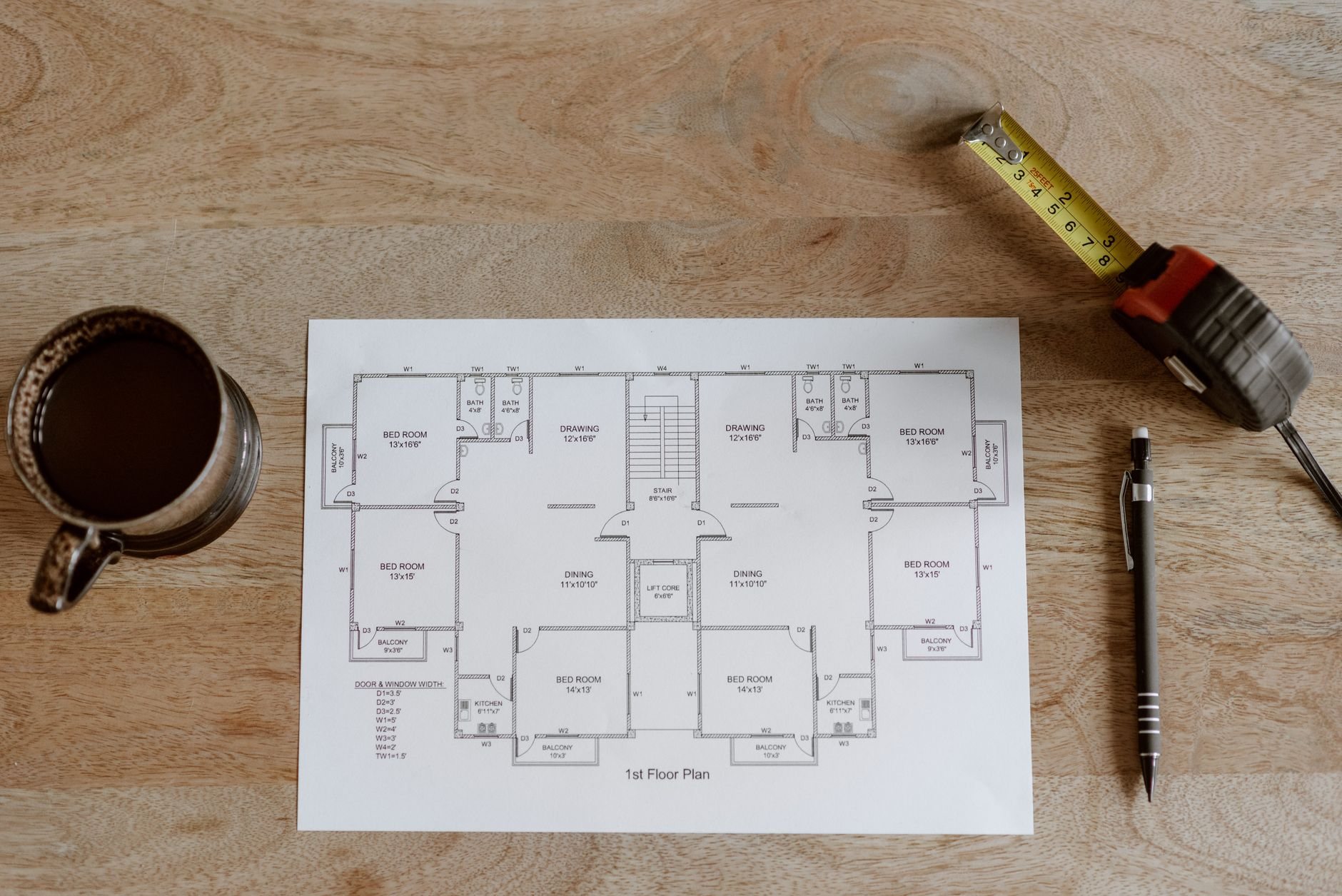
When scoping for the rebate is the right call
Every page in our energy retrofit family describes work that can earn an incentive. This one is about the difference between work that could qualify and work that does. The gap is rarely the installation: it’s a product one tier below the threshold, a missing test-in reading, an invoice that doesn’t separate labor from equipment, or an application filed after the window closed.
Choose this scope when the incentive is a real part of how you’re paying: a heat-pump conversion where the rebate decides the budget, an attic being insulated anyway, a landlord who wants one documentation package for four units.
If you just want the attic sealed and don’t care about the form, insulation and air sealing is the direct route. If you don’t know which fix matters yet, start with an energy audit; most programs accept its test-in data. If the equipment itself is the project, HVAC efficiency upgrades covers sizing and installation.
What makes an upgrade qualify, and where jobs fall short
Programs pay for a measurable result, so they define the measure precisely. We build to that definition from day one.
- Product tier. Equipment rebates key off ENERGY STAR certification or a stated rating such as SEER2, HSPF2, or AFUE. A model one tier short earns nothing, so we confirm the model number against the program’s list before ordering and keep the AHRI certificate in the file.
- Installed depth and coverage. Insulation rebates pay per square foot for reaching a stated R-value from a recorded starting point. Existing depth gets photographed with a depth marker before anything is blown in, or there’s no “before” to pay against.
- Test-in and test-out. Air-sealing incentives usually require blower-door readings before and after by a qualified rater, reported in CFM50. We sequence the rater and the sealing crew so the second test lands after the last gap closes and before drywall goes back.
- The paper trail. Itemized invoices separating equipment, labor, and testing; the mechanical permit number; the installer’s license number, verifiable at dopl.utah.gov; serial numbers; and dated photos of work that will be covered up.
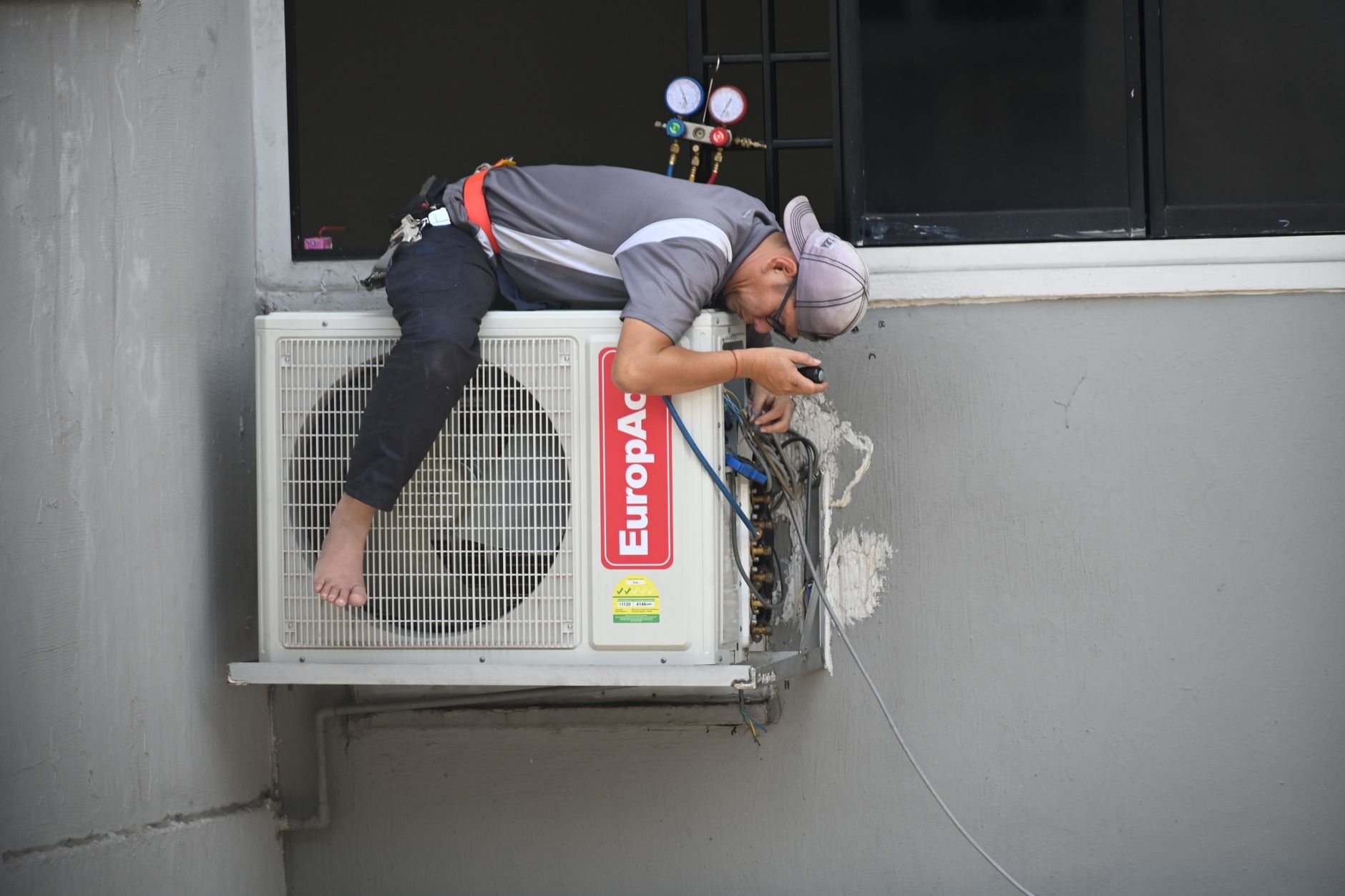
Why the utility map matters in Utah County
Eligibility here depends on who sends your bill, and that changes by city. Provo, Lehi, Spanish Fork, Springville, and several other Utah County cities run their own municipal electric utilities, so the regional electric utility’s rebates don’t apply inside those limits; each city power department sets its own incentives, if any. Gas-side programs are more uniform across the valley, and in Salt Lake County the electric picture is simpler. Either way the rules turn on the account holder’s utility, so we check both accounts at the first conversation.
One more local detail: equipment rebates generally want the mechanical permit number, and permit workflows run differently in fast-growth Lehi, Saratoga Springs, and Eagle Mountain than in established Provo, Orem, and Salt Lake City, so we pull the permit before the rebate clock starts.
How we run a rebate-qualifying project
- Confirm the programs. We identify your electric and gas utilities and pull current rules for each measure: deadlines, caps, and whether pre-approval is required before work starts. Federal tax-credit rules have changed in recent years, so we don’t count a federal credit until your tax advisor confirms it applies to your tax year.
- Scope to the threshold. Products, R-values, and test requirements go into the scope in the program’s own terms.
- Document before, during, after. Existing conditions get measured and photographed, penetrations photographed before they’re buried, serial numbers and ratings logged.
- Build and test out. The work follows the sequence our insulation and window and door pages describe, with the rater’s test-out timed to it.
- Hand over the package. You receive one packet: invoices, certificates, permit record, photos, and test reports, with the forms filled out as far as a contractor can. You sign and submit, or we walk through the portal with you.
Where the measure is mechanical, Grandview holds the contract and manages licensed HVAC and electrical contractors; we coordinate, sequence, and quality-check their work, and their license numbers go on the form with ours.

What rebate scoping adds to the cost, and what it returns
The documentation itself adds a modest line, typically the rater’s test-in and test-out fees plus our time assembling the file, usually in the low hundreds of dollars on a residential job. Treat that as a ballpark planning figure. Rebates on a qualifying attic, heat pump, or window package often return many times that amount, which is why we rarely recommend skipping the paperwork on work that’s happening anyway.
What moves the number: how many measures are claimed, whether the program demands a certified rater or accepts contractor measurements, product-tier upgrades chosen to clear a threshold, and whether pre-approval adds a wait.
Questions we actually get
Do you apply for the rebate for me?
We prepare everything a contractor can: scope, invoices, certificates, permit record, photos, and test reports, with the forms filled in. Most programs require the account holder to sign and submit, so you file, or we walk through the portal together. Nothing gets submitted missing a document.
Can I claim a rebate on work that’s already done?
Sometimes, if the product was eligible, the invoice is itemized, and the program allows a post-completion window. Air-sealing and insulation claims are harder after the fact because there’s no recorded starting depth or test-in reading. Send us what you have and we’ll tell you whether a claim is realistic.
What if my city runs its own power utility?
Then the regional electric utility’s rebates don’t apply to your electric measures; your city’s power department sets any incentive it offers. Gas-side rebates usually still apply. We check both accounts before writing the scope so the budget only counts money available to you.
Does the rebate change which product you install?
Often, and that’s the point. When the next efficiency tier costs a few hundred dollars more and the rebate difference covers it, the higher tier is the better buy. When it doesn’t, we say so. We show the math on both lines before anything is ordered.
Tell us what you’re working on
Send the upgrade list and the name on your utility bills. We reply within a couple of hours during business hours, a day at most, with a straight read on which programs apply. Energy retrofits are one scope in our specialty capabilities.