
HVAC efficiency upgrades in Salt Lake City
An HVAC efficiency upgrade replaces an aging furnace, air conditioner, or both with high-efficiency equipment — a condensing gas furnace, a cold-climate heat pump, or a variable-speed system — sized to the house after it has been tightened. Grandview holds the contract under a Utah B100 license and manages the licensed HVAC and electrical contractors who install the equipment.
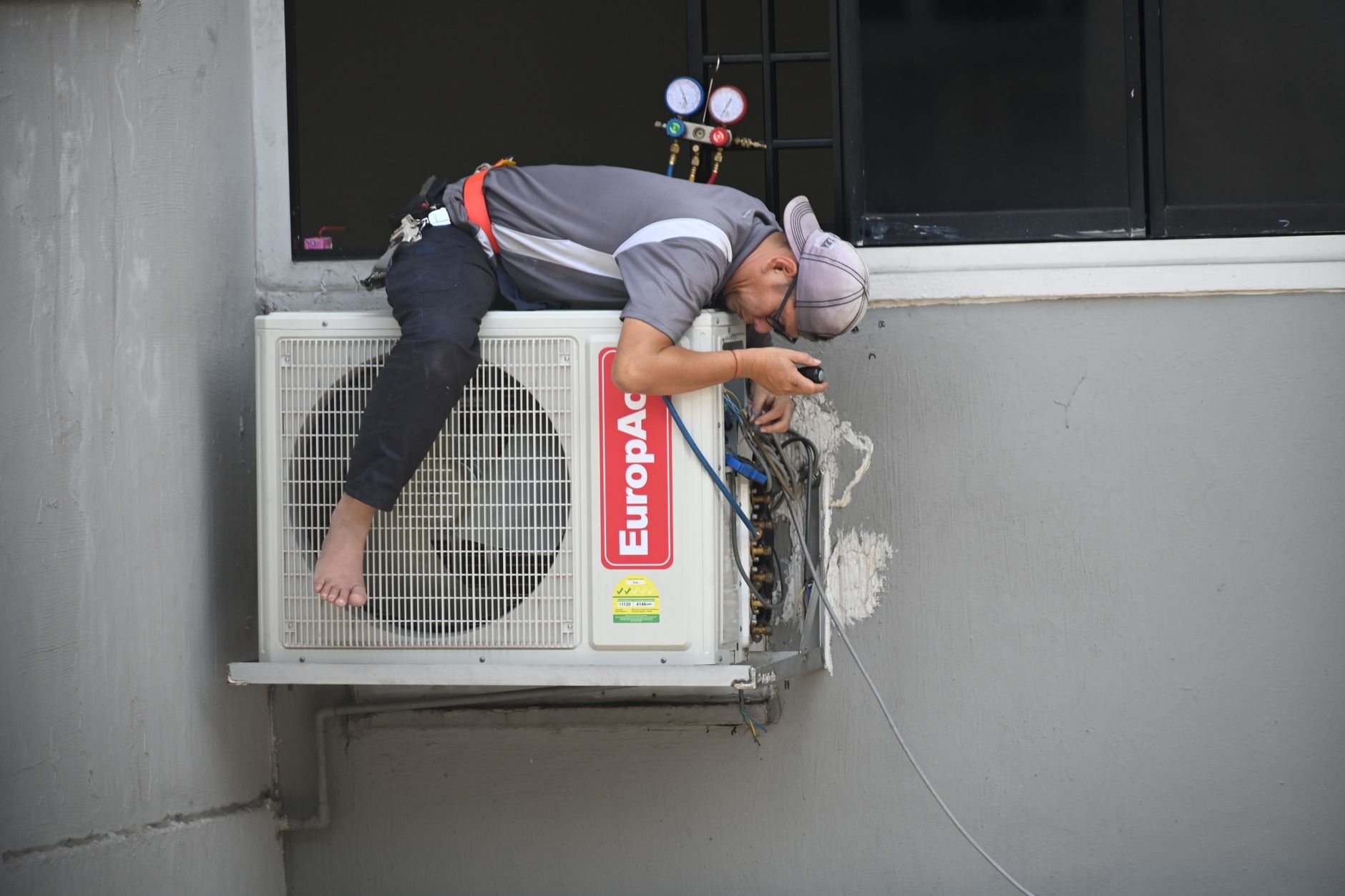
When replacing the equipment is the right move
The equipment is the right target when it is the weak link: a furnace past fifteen years at 80% AFUE, an air conditioner from the SEER 10 era, a system that runs flat-out on the coldest nights, or a house with no cooling at all in a valley where July sits in the high nineties. If you’re going all-electric, the furnace is the gas appliance that has to change.
It is the wrong first move when the house is the problem. A leaky attic will defeat any furnace you put in, so we point you to insulation and air sealing first; when the symptoms don’t point to an obvious cause, a formal energy audit settles the order. Both belong to our energy-retrofit scope; this page covers the mechanical side. Tighten the envelope, then size the equipment — a house that loses 30% less heat needs a smaller system, and smaller equipment costs less.
What an HVAC efficiency upgrade actually includes
Three equipment paths cover most Salt Lake homes, depending on fuel, electrical service, and how far you want to go.
- Condensing gas furnace (95–98% AFUE). Pulls far more heat from the same gas than an 80% unit. The trade-off is plumbing: PVC venting instead of the old metal flue, and acidic condensate that needs a drain and usually a neutralizer. It also leaves the water heater alone on a flue that may now be oversized — we check that before ordering.
- Cold-climate heat pump. A variable-speed inverter system that heats and cools, with ENERGY STAR cold-climate models rated for useful capacity at 5°F. Ducted units replace the furnace and air handler; ductless mini-splits serve rooms the ducts never reached. Dual-fuel keeps the gas furnace for the few single-digit nights.
- High-efficiency air conditioning. A SEER2-rated condenser and matched indoor coil, paired with a furnace or air handler sized to it. Mismatched components are the most common reason a new system underperforms.
Around the equipment sits the work that decides whether the rated efficiency reaches your bill: duct sealing and a static-pressure check, because a 95% furnace feeding leaky attic ducts is not a 95% system; a dedicated 240-volt circuit for a heat pump; and commissioning — refrigerant charge weighed in, airflow measured, combustion checked.
We’re plain about who does what. Grandview holds the contract and manages licensed HVAC and electrical contractors; we coordinate the sequence with the envelope work, verify the load calculation and equipment match, and quality-check the installation within your project.
How the new system is sized for a Salt Lake house
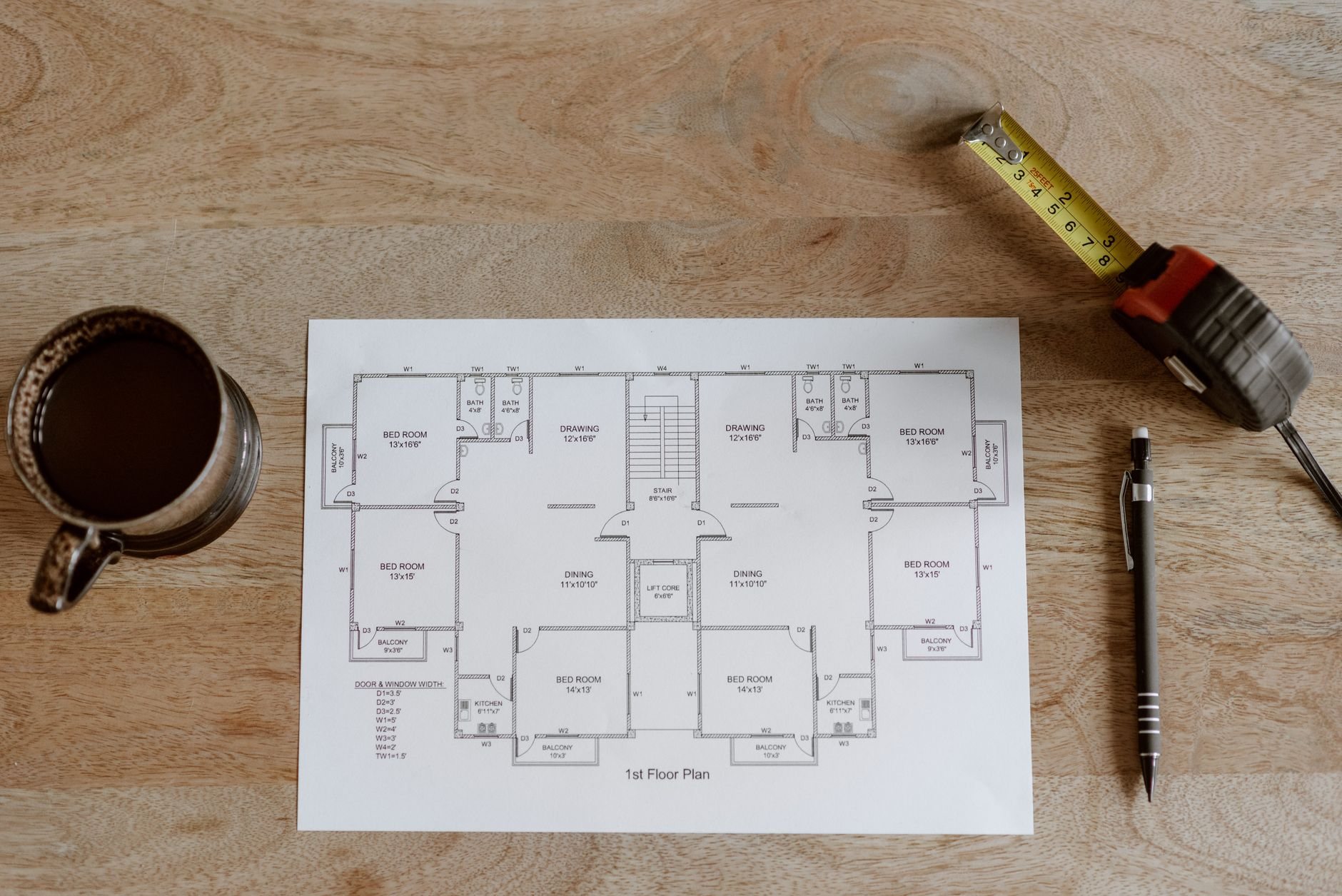
Sizing is a calculation, not a rule of thumb. A Manual J load calculation takes the actual house — insulation, window area and orientation, air leakage, local design temperatures — and produces the load the equipment must meet. Salt Lake City’s winter design temperature sits in the single digits and its summer design temperature in the upper nineties. We run the calculation on the post-retrofit house, not the one you have today.
Elevation changes the math too. The Salt Lake Valley sits above 4,200 feet, and most gas furnace manufacturers require a high-altitude adjustment or conversion kit above roughly 2,000 feet because thinner air reduces combustion output. Heat pumps lose some capacity at altitude as well, which is why the cold-climate rating matters more here than nameplate tonnage.
One more local point: Wasatch Front winter inversions trap combustion pollution in the valley, and moving from gas to a heat pump removes one source from your roofline.
What moves the price up or down
Treat these as ballpark planning numbers for the Salt Lake market, not quotes. A condensing furnace replacement most often lands in the mid-single-digit thousands; central air falls in a similar band. A ducted cold-climate heat pump system typically runs into the low-to-mid teens, and multi-zone ductless scales with the number of heads. Dual-fuel sits between.
Pushing a job upward: rerouting venting in a finished basement, a panel upgrade for a heat pump circuit, replacing undersized ductwork, and zoning a second floor that has never been comfortable. Pulling it down: a tightened envelope that allows smaller equipment, a panel with capacity to spare, and utility rebates. Incentive programs change year to year, so we confirm what is in effect during scoping; our rebate-qualifying upgrade service handles the documentation. If solar is on your horizon, a heat pump pairs well with a solar-ready retrofit, and the panel work gets planned once for both.
Questions we actually get
Does a heat pump really work in a Salt Lake City winter?
A cold-climate model does. Modern inverter heat pumps hold useful capacity into single-digit temperatures, which covers nearly every Salt Lake winter night. For the few nights below that, backup heat takes over — electric strips or, in a dual-fuel setup, the existing gas furnace. The key is a verified low-temperature rating, not a standard-climate model.
Will I need an electrical panel upgrade?
Sometimes. A ducted heat pump needs a dedicated 240-volt circuit, and a 100-amp panel already serving electric appliances may not have room. The electrical contractor runs a panel load calculation during scoping so any service upgrade is in the proposal from the start, not a surprise mid-install.
Should I replace the furnace before or after insulating?
After, in nearly every case. Insulating and air sealing first lowers the heating load, so the new equipment can be sized smaller and cheaper. The exception is a failed furnace in January — then we install equipment sized for the envelope work you plan to do, and schedule that work for spring.
What drives the cost of an HVAC efficiency upgrade?
Equipment type first: a condensing furnace costs less than a full cold-climate heat pump system. Then the house: venting routes, panel capacity, duct condition, and whether zoning is needed. Rebates can offset part of it. You get a budget range after a walkthrough and a firm proposal once load calculation and equipment selection are settled.
Tell us what you’re working on
Describe the furnace on its last winter or the upstairs that never cools — we reply within a couple of hours during business hours, a day at most, with a straight read on equipment, sequence, and budget. This is one of our specialty capabilities.