
Window & door efficiency upgrades
A window and door efficiency upgrade replaces single-pane, failed-seal, or badly installed units with energy-rated windows and doors flashed, foamed, and sealed at the rough opening — because a bad window loses most of its heat around the frame, not through the glass. Grandview scopes and installs this work under a Utah B100 license as one part of a planned energy retrofit, within our specialty capabilities family.
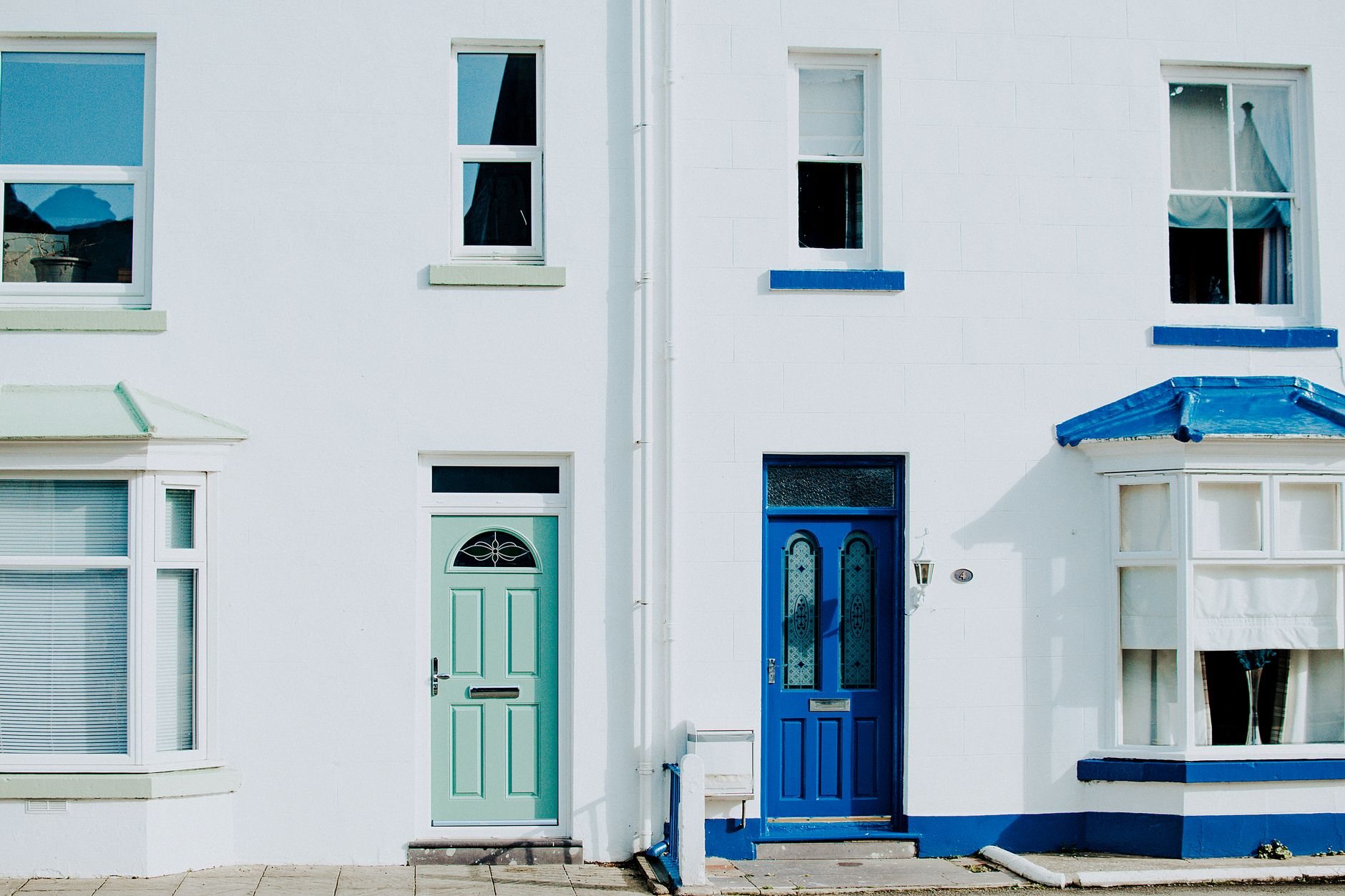
When replacing the openings is the right move
Windows and doors are rarely the cheapest efficiency fix in a house, so we’re honest about when they earn their place in the budget: single-pane or aluminum-framed units, double-pane glass fogged between the panes (a failed seal — the insulating gas is gone), moving air at the jambs on a windy day, frost on the inside of the glass in January, rotted sills, or daylight at a door threshold.
If the glass is sound and the frames are tight, the money usually does more work elsewhere. Attic insulation and air sealing typically return more per dollar, and when the leaks live in the sheathing and flashing, a building envelope improvement is the better scope. When it isn’t obvious, an energy audit with a blower door shows whether the openings are the leak or just the most noticeable one.
If you want new windows because the old ones are ugly or stuck, our replacement window and entry door installation pages cover that. This page is about measurable performance.
What an efficiency-grade window upgrade involves
Three numbers on the NFRC label drive the product choice. U-factor measures how fast heat moves through the whole assembly, frame included; lower is better. Solar heat gain coefficient (SHGC) measures how much sun comes through as heat. Air leakage rates the closed unit itself. Utah sits in the northern ENERGY STAR climate zone for windows, which favors a low U-factor first; on large west- and south-facing glass we also push SHGC down, since at 4,500 feet and up the sun through a window is stronger than sea-level product sheets assume.
Glass and frame choices follow: double- or triple-pane glass with low-e coatings and argon fill, warm-edge spacers that reduce condensation at the pane edge, and fiberglass, vinyl, or clad-wood frames with thermal breaks. One detail specific to our elevation — sealed glass units built near sea level can bow or stress on the Wasatch Front, so we specify units adjusted for altitude or shipped with breather tubes sealed on site. A small line on the order; a large problem if it’s missed.

Why the installation matters more than the label
A high-performance window in a leaky rough opening performs like the rough opening, so we treat the opening as part of the air barrier: on a full-frame replacement we strip to the framing, check the sill for rot, install a sloped sill pan that drains outward, flash jambs and head in shingle fashion with self-adhered membrane, set the unit plumb and square, fill the shim gap with low-expansion foam, and seal the interior perimeter before trim goes on. Insert (pocket) replacements leave the old frame in place — faster, cheaper, sometimes right for a sound frame, but unable to fix water or air problems in the old assembly. We’ll tell you which one each opening needs.
Exterior doors get an insulated fiberglass or steel slab in a pre-hung frame with a thermal-break threshold, compression weatherstripping, and a proper sweep. On bench lots and in Davis County, where canyon-wind events push rain sideways, the head flashing and fastening schedule are what keep the wall dry behind the door.
How the work runs
- Survey the openings. Measure every unit, note frame condition and orientation, and confirm the openings are the leak.
- Specify. U-factor, SHGC, frame material, and glass package per orientation, with rebate-program product requirements built in.
- Order and stage. Rated units carry lead times of weeks, so we order early and schedule so no opening sits open overnight in freeze-thaw weather.
- Install and seal. Full-frame or insert, flashed and air-sealed as above, then trimmed inside and out.
- Document. NFRC labels, invoices, and certifications collected into the package your utility or tax preparer needs — see rebate-qualifying upgrades for how those programs work.

What moves the cost of a window and door efficiency upgrade
Treat these as ballpark planning numbers, not a quote. Along the Wasatch Front, an energy-rated replacement window installed as an insert commonly lands in the high hundreds to low thousands per opening; full-frame replacements run higher, triple-pane or clad-wood units higher still. An insulated entry door system, installed and sealed, typically runs in the low thousands. What moves the number: count and size of openings, insert versus full-frame, glass package, hidden rot behind the trim, exterior finish (stucco repair costs more than siding), and second-story units that need staging. The U.S. Department of Energy is candid that windows alone rarely pay back quickly on energy savings; the stronger case is comfort, condensation control, and doing it once while rebates and credits offset part of the bill.
Questions we actually get
Should I do windows and doors before or after insulation and air sealing?
Usually after, or together. Attic sealing and insulation return more per dollar, and once the house is tighter you’ll know which openings still leak. The exception is failed or single-pane glass with frost inside — that’s a now problem. When both are in scope, we sequence them under one contract.
Do new energy-rated windows qualify for rebates or tax credits in Utah?
Often, yes. Federal credits and utility programs commonly cover ENERGY STAR-certified windows and exterior doors, each with product requirements, documentation rules, and annual caps. Programs change, so we confirm current rules when we spec the job and collect the NFRC labels you’ll need. Treat the credit as a bonus, not the reason.
Will triple-pane glass make a difference on the Wasatch Front?
It can, especially in north-facing bedrooms where winter comfort and condensation are the complaint. Triple-pane lowers U-factor and keeps the interior glass warmer, which cuts the frost and drip on cold mornings. It’s heavier and costs more, so we recommend it opening by opening rather than house-wide.
Why is my new double-pane window fogged already?
Fog between the panes means the edge seal has failed and the argon is gone — a warranty issue, and sometimes an altitude one if the unit wasn’t built for Utah’s elevation. Fog on the room side is condensation, which points to indoor humidity or a cold frame, not a defective window.
Tell us what you’re working on
Describe the drafty room or the fogged glass. We reply within a couple of hours during business hours — a day at most — with a straight read on which openings matter and a budget range.