
Exterior (Excavated) Basement Waterproofing
Exterior basement waterproofing means excavating to the footing, sealing the outside of the foundation wall with a membrane and drain board, and rebuilding the footing drain so water never reaches the concrete. It’s the permanent fix for basements that leak every spring, and Grandview performs the excavation, wall repair, membrane, drain, and backfill under one B100 general contractor license in Utah County and Salt Lake County.
When digging from the outside is the right answer
Excavating is the most expensive way to waterproof a basement, so it has to earn its place. It does when water comes through the wall in more than one spot, when hydrostatic pressure from a saturated lot drives the leak, when the basement is finished and you’d rather not open the perimeter walls, or when something is being excavated anyway — an addition, an egress window, an underpinning job. Fixing the outside once beats managing water inside forever.
It’s the wrong answer in a few common cases. A single vertical crack in a poured wall is an injection repair, not a dig. When a driveway, garage, deck, or two-foot side-yard setback sits over the leaking wall, interior basement waterproofing often delivers a dry basement for a third of the cost.
Two near relatives are worth separating. Foundation waterproofing is the same membrane applied to new walls while the trench is already open. An exterior footing drain alone fits when the wall is sound but groundwater pushes up at the floor-wall joint. Exterior basement waterproofing is the full package for walls that are wet themselves.
What an excavated waterproofing job involves
- Locate and protect. Utilities are marked through 811 before any bucket touches soil; gas and sewer laterals get hand-dug. Sprinklers, plantings, and flatwork in the path are mapped for restoration.
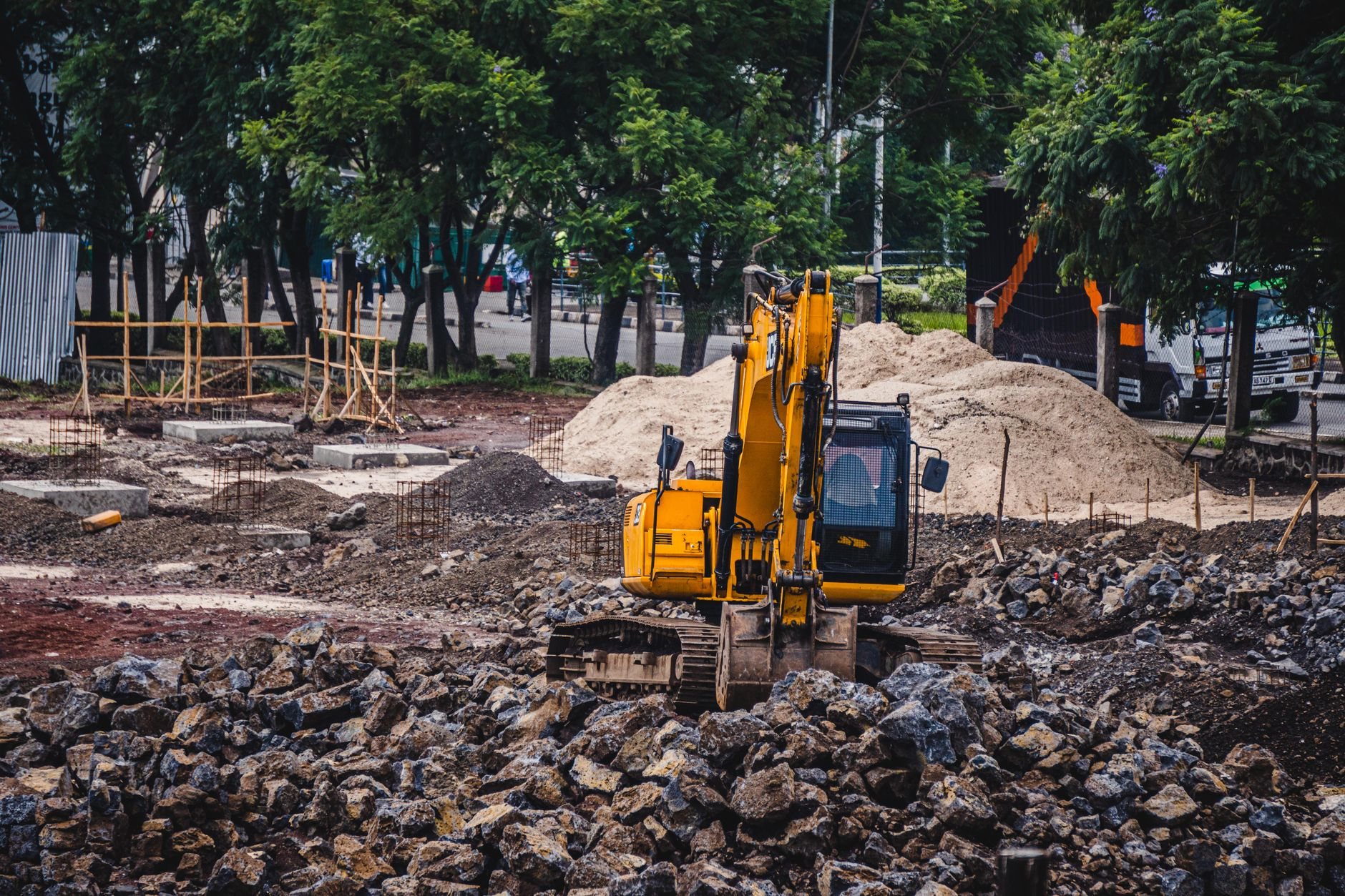
- Excavate to the footing. A trench two to three feet wide runs to the top of the footing — eight to ten feet on a full-depth Utah basement — benched or shored as depth requires.
- Repair the wall. Pressure-wash, grind off old damproofing and efflorescence, patch honeycombing, rout and seal cracks, and form a cove at the footing-wall joint so the membrane has no inside corner to bridge.
- Apply the membrane. Primer, then a 60-mil self-adhered rubberized asphalt sheet or sprayed polymer-modified asphalt, lapped over the footing and terminated above grade. Inspected before anything covers it.
- Drain board and footing drain. Dimpled HDPE drain board with filter fabric over the membrane; new perforated footing drain in washed rock to daylight or a sump, with cleanouts at the corners.
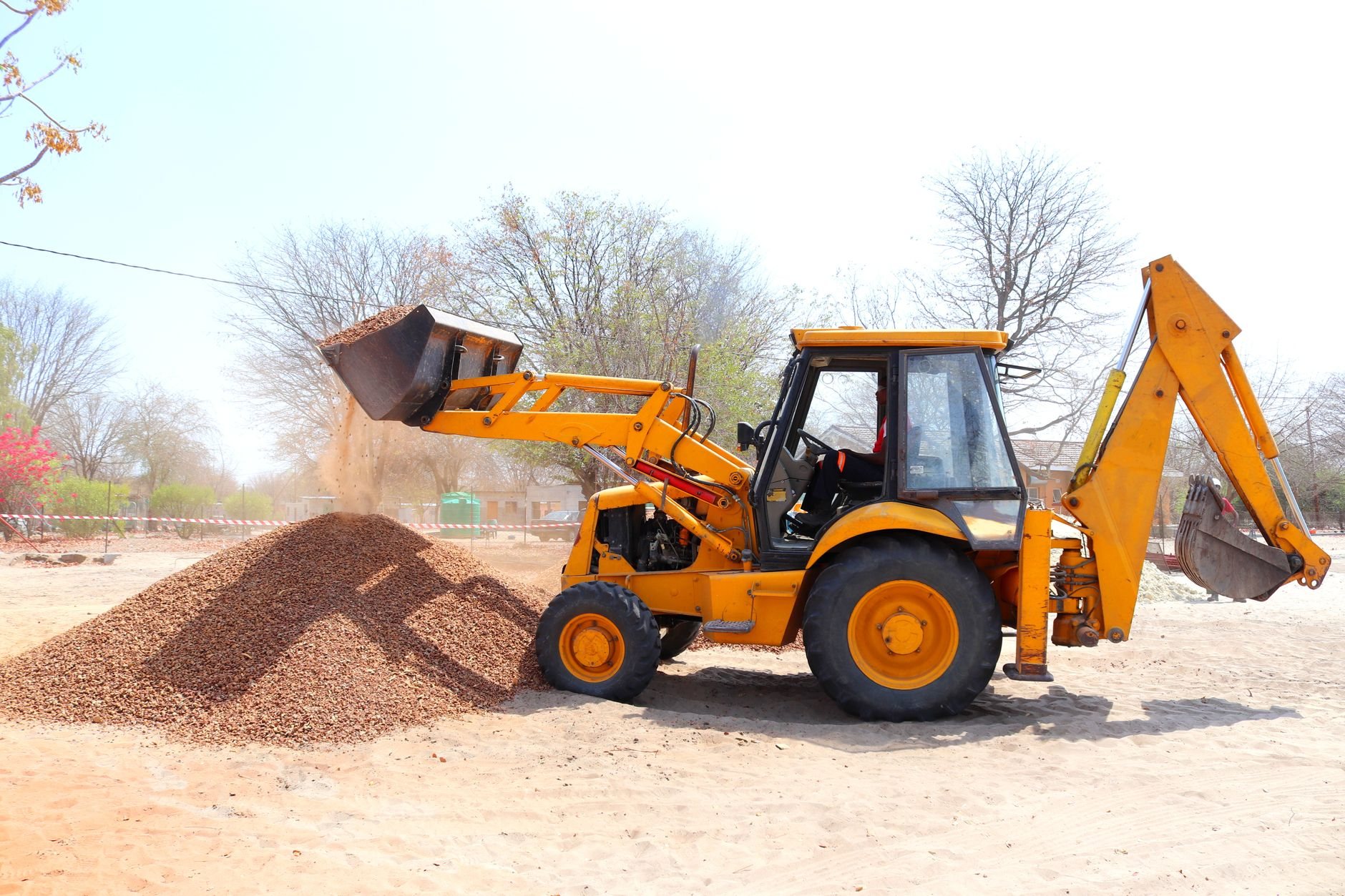
- Backfill and grade. Granular backfill in compacted lifts against the drain board, a native-soil cap sloped away from the house, and downspouts extended past the backfill zone.
Membranes, drain board, and backfill: what we specify and why
The black spray most Utah basements got when they were built is damproofing, not waterproofing. It slows vapor; it doesn’t hold back water under pressure, and it cracks with the wall. Waterproofing is a continuous, elastic membrane. Self-adhered sheet gives a known 60-mil thickness and bridges hairline cracks but needs a substrate above about 40°F. Fluid-applied membranes go faster on irregular block walls and detail easier around pipe penetrations, with thickness checked by wet-mil gauge.
Drain board is the part that gets skipped and shouldn’t be. Its dimples hold an air gap so water drops straight to the footing drain instead of building pressure, and the board shields the membrane from rock during backfill. The backfill is where Utah soils change the design. Much of the Wasatch Front sits on expansive clay and collapsible bench soils documented by the Utah Geological Survey; putting that excavated clay back against the wall means it swells when wet and settles for years. We backfill with washed rock or granular fill and bring native soil back only in the top cap.
Where the drain discharges is decided before the trench opens. With well over a hundred freeze-thaw days a year on the Front, a daylight outlet needs fall and a protected end so a frozen plug can’t back it up in February; lots without fall get a sump, discharged where your city allows.
What does exterior basement waterproofing cost in Utah?
As a ballpark planning number, full-perimeter exterior waterproofing on a typical Utah home runs $15,000–$40,000, and a single leaking wall often lands between $6,000 and $15,000. Those are ranges, not quotes; a site visit turns them into an estimate, then a fixed-price proposal.
Depth and linear footage drive most of it: a nine-foot wall moves three times the soil of a four-foot crawl-space wall. Access is next — a trench an excavator reaches from the yard costs far less than one hand-dug along a narrow setback or cut through a driveway. Restoration follows: flatwork, trees, and irrigation all come out and go back. Wall repairs before the membrane — injection, parging, carbon fiber — are priced as their own line. Fixes elsewhere on the lot — a French drain through a wet yard, window well drainage, a sump pump — are scoped separately so you see what each piece buys.
Questions we actually get
Do you have to dig around the whole house?
No. If one wall leaks and the others stay dry through spring runoff, we excavate that wall and tie its new drain into the existing footing drain or a sump. Full-perimeter work is for homes where several walls are wet or the original drain has failed all around.
How long does exterior basement waterproofing take?
A single wall usually takes three to five working days from excavation to backfill. A full perimeter runs one to two weeks, plus landscaping or flatwork restoration. Membrane inspection happens before backfill, and a cold snap below application temperature pauses the work.
Will this fix a bowing or badly cracked wall?
Not by itself. Waterproofing stops the water; it doesn’t restore a wall’s strength. A bowing, sheared, or leaning wall is stabilized first through foundation repair — often while the same trench is open — and the membrane goes on afterward. One excavation instead of two.
What time of year can this be done?
Roughly April through October on the Wasatch Front. Excavating frozen ground is slow and tears up the lot, and most membranes won’t bond below about 40°F. If your basement needs help in January, we’ll say whether to bridge with a sump now and excavate in spring.
Part of our waterproofing and drainage services in the site, structure & envelope family, often paired with excavation and grading. Our B100 license is verifiable at dopl.utah.gov.
Tell us which wall gets wet
We reply within a couple of hours during business hours — a day at most. You’ll get a straight read on whether excavating is the right call and a real budget range before anyone commits to anything.