
Sump Pump Installation
A sump pump collects groundwater that reaches the lowest point of your basement and pushes it outside before it reaches the floor. Grandview installs new basins, replaces worn pumps, and adds battery backups across Utah County and Salt Lake County under a B100 general contractor license.
When a sump pump is the right fix — and when it isn’t
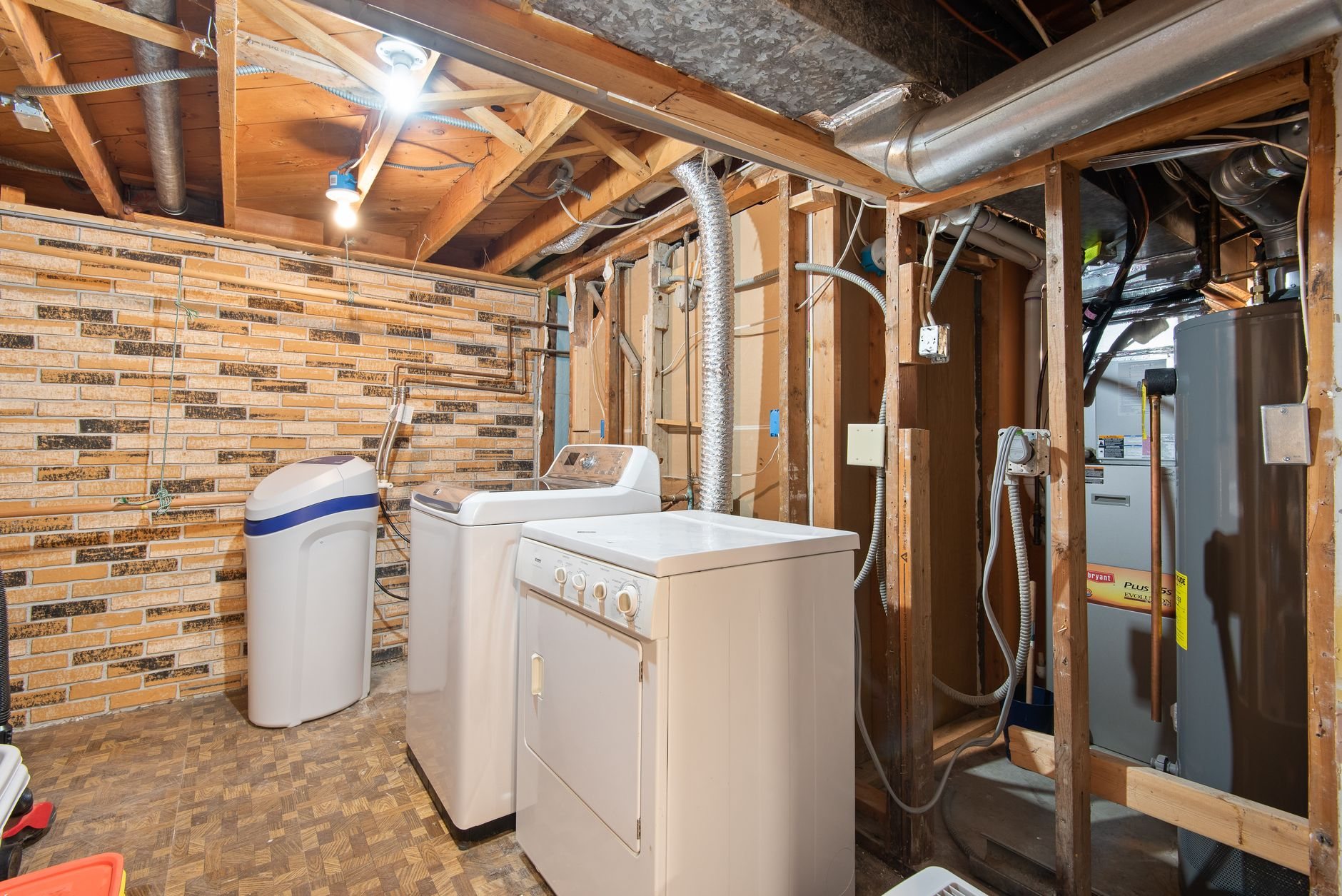
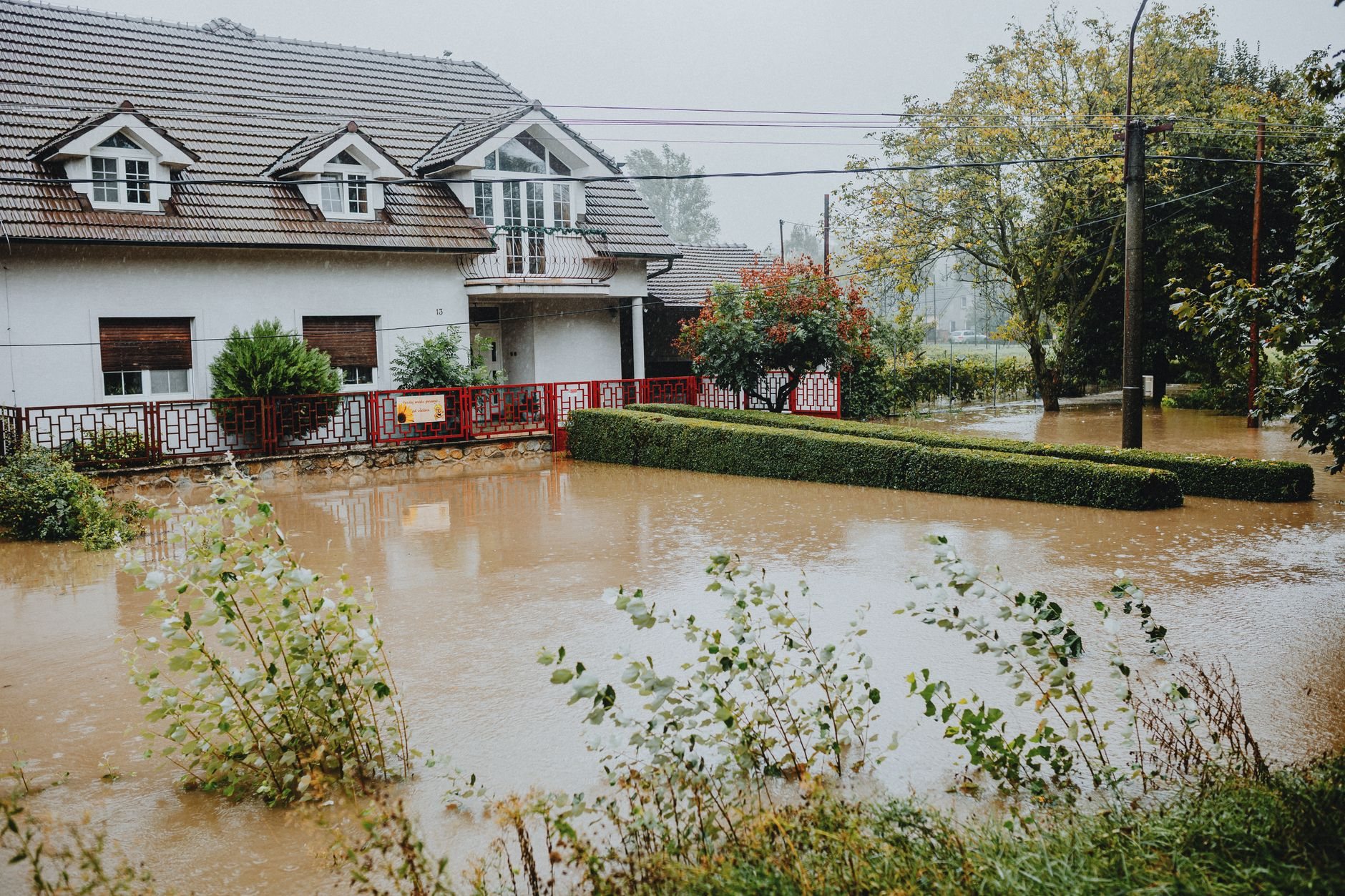
A sump pump is the right call when water reaches the basement from below or through the floor-wall joint and there is no practical way to keep it out of the soil. That describes many lowland lots around Utah Lake and the Jordan River — west Provo, Vineyard, Saratoga Springs — where the Utah Geological Survey maps shallow groundwater within a few feet of the surface. No membrane stops a rising water table. You collect it and move it.
It is also the last component of a larger system. An interior basement waterproofing channel or an interior French drain has to drain somewhere, and when the lot sits lower than any daylight outlet, the somewhere is a sump basin. Flooded egress window wells often tie into the same pit.
It is the wrong fix when the water is arriving from above: downspouts dumping at the foundation, grading that slopes toward the house, or a clogged exterior footing drain. A pump will keep up, but it will run forever; the waterproofing conversation should start with the cheaper cause.
What a proper sump installation involves
- Locate and cut the pit. The basin goes at the true low point of the slab, usually a mechanical corner. We saw-cut a 2-foot square and excavate to basin depth.
- Set the basin. An 18-by-24 or 18-by-30-inch perforated basin in washed gravel, so groundwater enters from the sides and bottom instead of rising through the slab.
- Size the pump. A 1/3 HP submersible handles most homes; 1/2 HP for high-inflow lots or tall discharge runs. Cast-iron housings outlast thermoplastic in pits that cycle constantly during snowmelt.
- Run the discharge. 1-1/2-inch PVC with a check valve above the pump, a union for service, and a weep hole against air-lock. Outside, an ice-relief fitting at the wall, then at least 10 feet from the foundation.
- Seal the lid and power it. A gasketed, bolt-down lid with pipe and cord grommets. A licensed electrician, coordinated under our contract, provides the dedicated GFCI-protected receptacle; we schedule and verify that work.
- Test under load. We fill the pit with a hose, watch the float trip, time the drawdown, and confirm water leaves where it should.
Two Utah details shape steps four and five. The discharge line has to survive 100-plus freeze-thaw days a year, so it drains back toward the pit between cycles and gets a relief fitting at the wall; a frozen line with no relief is the usual cause of a burned-out pump in February. And because much of the Wasatch Front sits on high-radon geology, an open pit is a direct path for soil gas. A sealed lid closes it and gives a future mitigation system a place to connect; EPA’s radon guidance explains why.
Replacement pumps and battery backups
Submersible pumps typically last seven to ten years; one that cycles through every spring snowmelt on a high-water-table lot wears faster. Signs it’s time: the pump runs but the pit doesn’t drop, the motor hums without pumping, the float sticks, or it short-cycles. A replacement reuses a sound basin and discharge line. We size the new pump to the inflow we measure, not the label on the old one.
A battery backup is the piece most Utah basements are missing. Summer cloudbursts and canyon-wind events are exactly the storms that knock out power, and a pump without power is a hole in the floor. A 12-volt backup pump above the primary, on its own float with a deep-cycle battery, keeps the pit moving for hours. Where water pressure allows, a water-powered backup needs no battery at all. Either pairs with a high-water alarm that texts you when the pit climbs.
What does a sump pump installation cost in Utah County?
As ballpark planning numbers, not a quote: a straight pump replacement in an existing basin usually runs $600–$1,500 installed. A new pit cut into an existing slab with basin, pump, lid, and discharge typically lands between $1,800 and $4,000. A battery backup system adds roughly $900–$2,500 depending on pump capacity and battery.
What moves the number: slab thickness and rebar, pump horsepower and housing, length of the discharge run, whether the circuit already exists, and whether the pit ties into new drain tile.
Questions we actually get
Where should the sump pump discharge go?
Onto grade at least 10 feet from the foundation, downhill, and not toward a neighbor. Buried lines must slope continuously and daylight above grade or into an approved storm connection. Never into the sanitary sewer or a floor drain — most Utah cities prohibit it. We confirm the route with your city before we trench.
Why does my discharge line freeze every winter?
Because water sits in a flat or uphill section after the pump shuts off, and Utah’s freeze-thaw cycling turns it into a plug. The fix is a line that drains back to the pit between cycles, an ice-relief fitting at the exterior wall so the pump can still dump water if the run below freezes.
Do I need a sealed lid on the sump pit?
Yes, in Utah. An open pit lets soil moisture into the basement air and gives radon gas a direct entry point in a state with widespread high-radon geology. A gasketed, bolt-down lid with pipe and cord grommets solves both and makes the pit quieter. If you ever add radon mitigation, the sealed pit is where the system usually connects.
Can you add a sump pump to a finished basement?
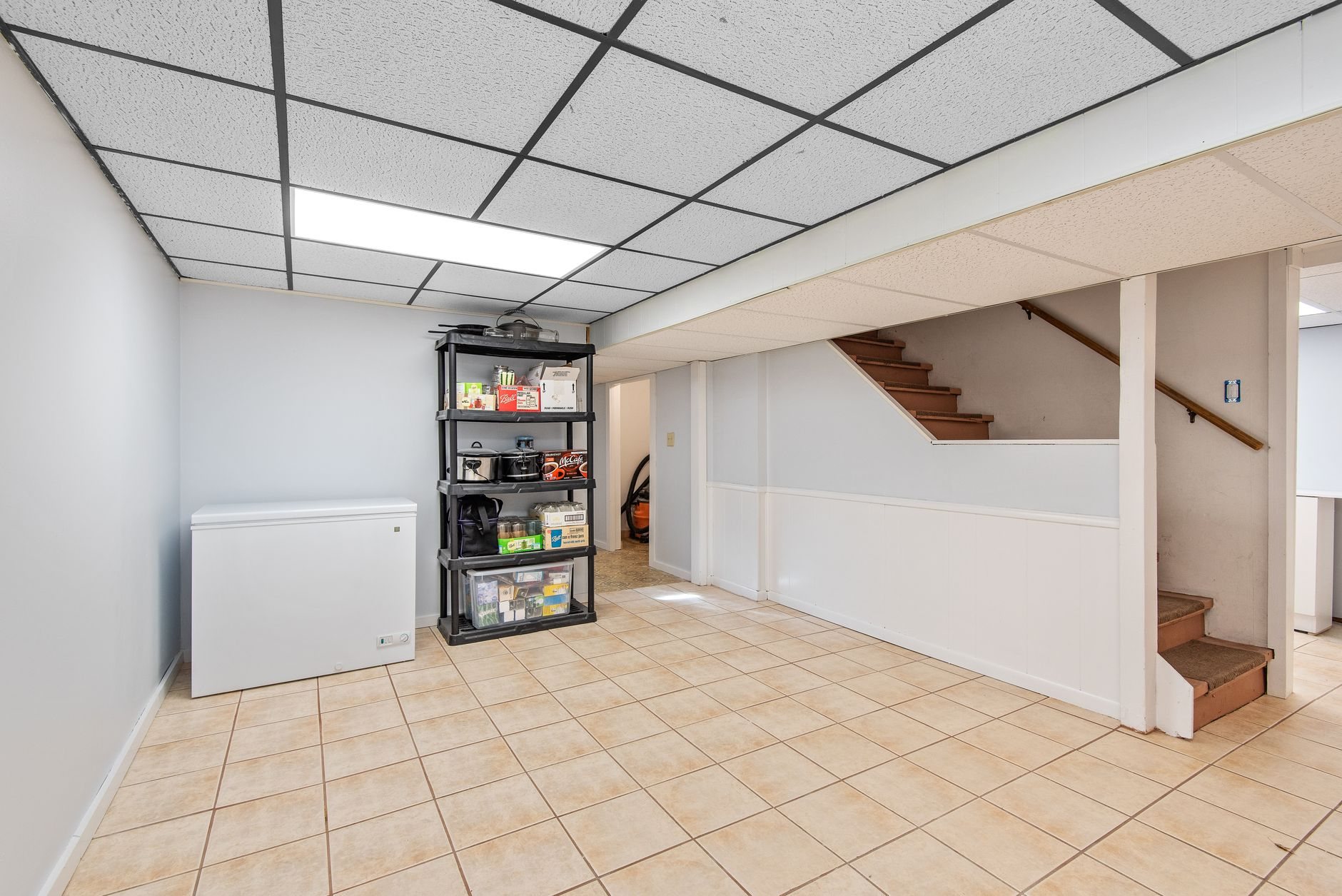
Usually. The pit needs about a 2-foot square of slab, ideally in a mechanical room, under-stair closet, or storage area. We cut the flooring and slab, set the basin, and patch flush; the discharge runs up the wall and out. If the only low point is under finished living space, we show you the trade-offs before anything is opened.
Tell us where the water collects
We reply within a couple of hours during business hours — a day at most. You’ll get a straight read on whether a pump is the fix, what size, and a real budget range. Sump work is part of our site, structure & envelope services.