
Foundation repair in Utah County: piers, bracing, cracks
Most foundation problems along the Wasatch Front start in the soil, not the concrete — expansive clay and collapsible bench soils move, and the foundation moves with them. Grandview diagnoses the cause, coordinates the structural engineering, and installs pier systems, wall bracing, and crack repairs under a Utah B100 general contractor license, verifiable at dopl.utah.gov.
How do you know a foundation crack is structural?
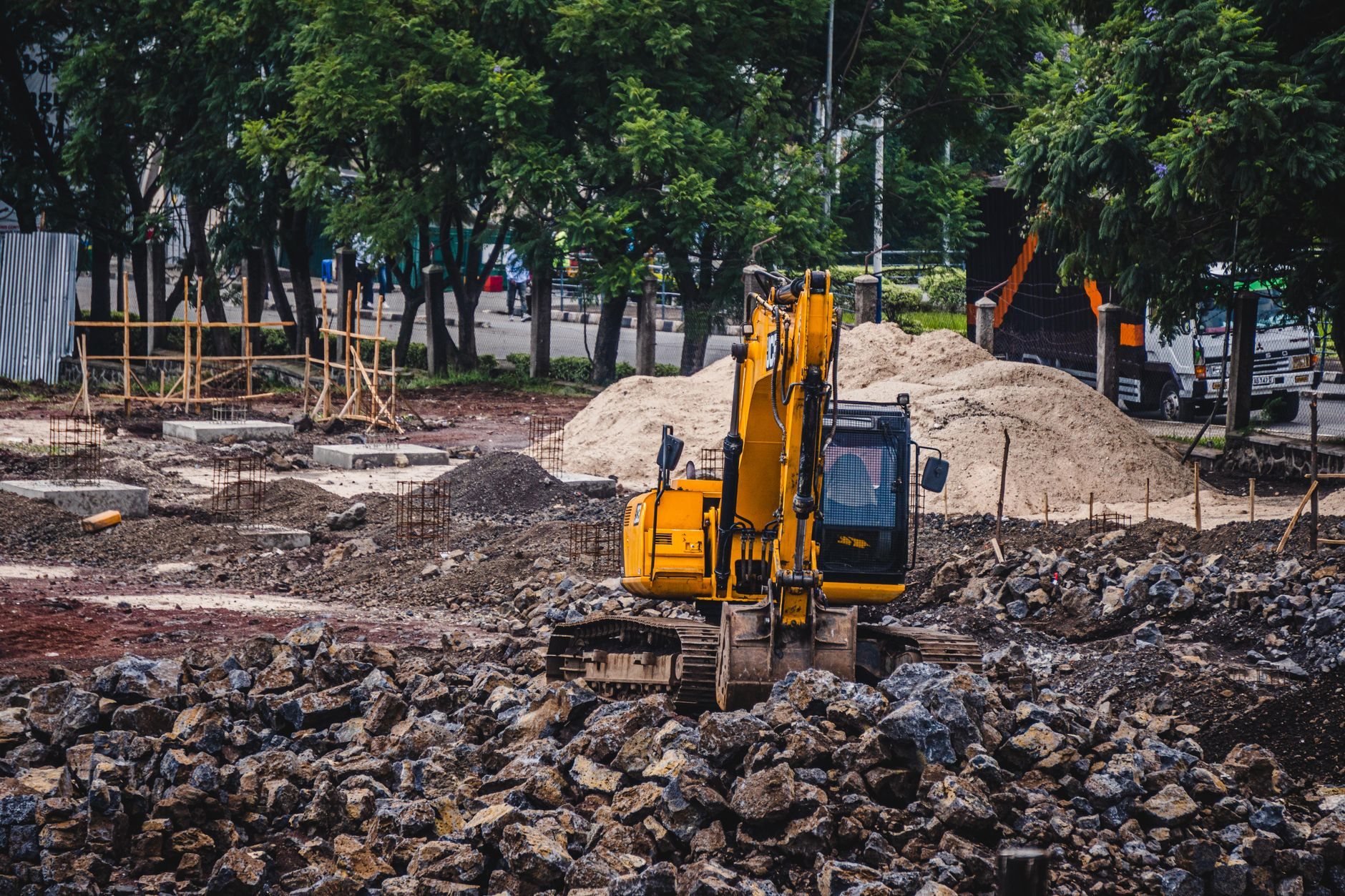
Width, direction, and movement are the tells. Hairline vertical cracks in poured concrete are usually shrinkage and rarely structural. Cracks wider than about a quarter inch, horizontal cracks, stair-step cracks in block or brick, and any crack that keeps growing point to settlement or soil pressure — those deserve a diagnosis before anyone reaches for caulk.
The rest of the house usually confirms what the wall is saying. Doors and windows that suddenly stick or won’t latch, sloping floors, gaps opening between trim and drywall, a chimney pulling away from the siding — each of these is the structure adjusting to a foundation that moved. One symptom alone can be innocent. A cluster of them, on one side of the house, generally is not.
Utah ground gives foundations plenty of reasons to move. Expansive clay — documented across much of the Wasatch Front by the Utah Geological Survey — swells when it gets wet and shrinks when it dries, cycling pressure against footings and basement walls. Collapsible soils — common on the benches — hold their structure until they’re saturated for the first time, then settle abruptly. Add summer monsoon cloudbursts that drop an inch of rain on baked ground in an hour, and a downspout dumping at the corner of your foundation can do structural damage one storm at a time.
Engineered repairs, not cosmetic patches
There are two ways to respond to a foundation problem. One is to fill the crack, paint the wall, and hope. The other is to find out why the foundation moved, design a repair that addresses the cause, and then fix the crack — because a patch over an active crack fails on schedule, usually within a couple of seasons of freeze–thaw cycling. The Wasatch Front sees roughly a hundred freeze–thaw days a year; water in an unsealed crack does not need more than that.
So we start with diagnosis, and when the evidence points to structural movement, we bring in a licensed structural engineer. Grandview holds the contract and coordinates the engineering — the engineer designs the repair, we install it, and the engineer’s stamped design is what your city’s building department wants to see with the permit application anyway. If a plumbing leak turns out to be the reason the soil moved, we manage licensed plumbers to correct it as part of the same project, sequenced before the structural work so the fix actually holds.
That order — cause, design, repair, then cosmetics — is the difference between a foundation repair and a foundation disguise.
What foundation repair includes: piers, bracing, and crack repair
The right method depends on which direction the foundation is failing — down, inward, or apart. These are the systems we install most:
- Push piers. Steel pier sections driven hydraulically down to load-bearing strata, using the weight of the structure itself. The standard underpinning fix for a settled footing, and often capable of recovering some of the lost elevation.
- Helical piers. Screw-in steel piers advanced to a verified torque, which correlates to capacity. Because they don’t rely on the building’s weight to install, they suit lighter structures — additions, porches, garages — and new foundations in suspect soil.
- Wall bracing. For basement walls bowing inward under clay pressure: carbon-fiber straps for walls in the early stages of deflection, steel I-beam braces or wall anchors when the movement is further along. The engineer’s measurements decide which.
- Crack injection. Epoxy injection restores structural continuity in stable cracks; flexible polyurethane seals leaking cracks that need to tolerate slight movement. We match the material to the crack, not the other way around.
- Drainage correction. Regrading, downspout extensions, window-well drains, and exterior waterproofing — because most repairs are only permanent if the water that caused the problem gets redirected. Our excavation and grading crew handles this within the same scope.
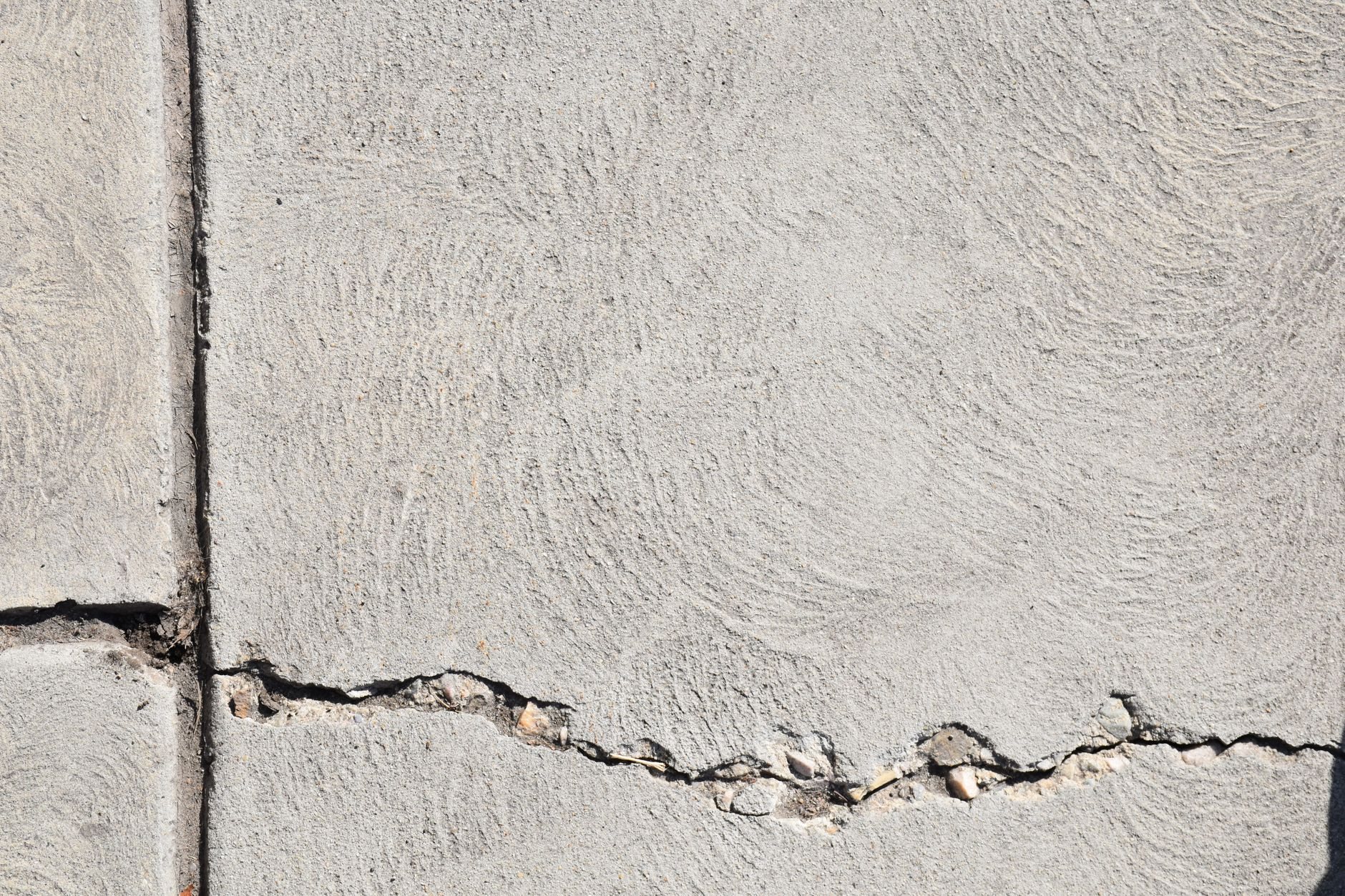
Sealing foundation cracks has a second benefit in Utah that surprises people: radon. Utah’s geology produces elevated radon in many neighborhoods, and open foundation cracks are a primary entry path. Proper crack sealing is part of the EPA’s recommended approach to managing it — worth knowing if a basement finish is anywhere in your plans, since you want the foundation stable and sealed before drywall goes up.
Seismic reality gets a seat at the table too. The Wasatch fault runs under the communities we serve, and current Utah-adopted code has anchorage and reinforcement requirements that a repair should meet, not dodge. When a wall is already open for repair, upgrading its anchorage is cheap; coming back for it later is not.
How a foundation repair project runs
- Site visit and diagnosis. We walk the foundation inside and out, map cracks and deflection, check grading and drainage, and tell you plainly whether this looks cosmetic, structural, or watch-and-measure.
- Engineering. For structural repairs, a licensed structural engineer — coordinated by us — evaluates the foundation and specifies the fix: pier type, spacing, and depth, or bracing type and layout.
- Scope and price. You get a written proposal built on the engineer’s design: what’s included, what’s excluded, and what it costs. Pier counts are stated, along with how field conditions could change them.
- Permits. We handle the permit application with the stamped engineering. Requirements vary by city — Provo and Orem run established processes; fast-growth cities like Lehi and Saratoga Springs have their own rhythms — and we verify specifics with your building department.
- Installation. Excavation where needed, piers driven or advanced to specified depth or torque, bracing installed, cracks injected, then backfill, compaction, and grading that sends water away from the wall.
- Verification and documentation. Final engineer sign-off where required, inspection records, and a documentation packet you can hand to a future buyer or lender. Good work should not require detective work.
What does foundation repair cost in Utah?
Crack injection typically runs a few hundred to about $1,500 per crack. Carbon-fiber wall straps usually land between $500 and $1,000 per strap installed. Steel push or helical piers commonly cost $1,500 to $3,500 each, and most settlement repairs need somewhere between four and ten of them. These are ballpark planning numbers for Utah — the engineer’s design sets the real quantity and the real price.
What moves the number up or down:
- Depth to competent soil. Piers are priced partly by depth; a footing over deep fill or collapsible bench soil needs longer piers than one near bedrock.
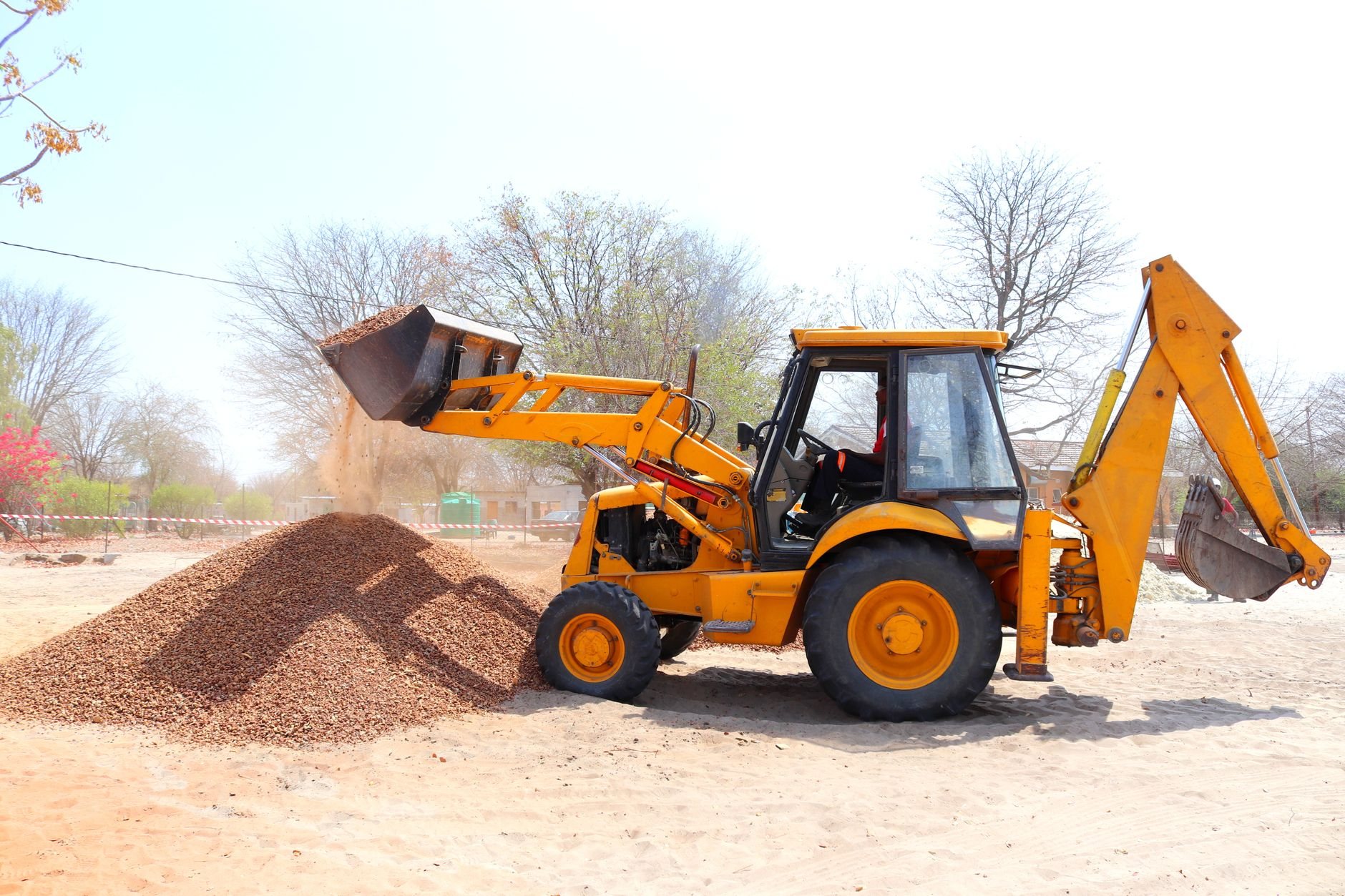
- Access. A machine that can reach the failing corner works fast. Hand-dug pits, tight side yards, and interior installations through a slab take longer and cost more.
- How far the wall has moved. Early-stage bowing takes straps; later-stage bowing takes steel braces or anchors, and badly deflected walls sometimes need excavation and straightening first.
- Water management. If drainage caused the problem, grading and drainage corrections belong in the budget — skipping them is how the same repair gets bought twice.
- Finishes in the way. Repairing a wall behind a finished basement means removing and restoring finishes; an unfinished wall is cheaper to fix.
Our estimate language is deliberate: a consultation produces a budget range, engineering produces an estimate, and the signed proposal is the fixed scope. Nobody should commit to a pier count from the sidewalk.
Questions we actually get
When is a foundation crack serious and when is it normal?
Hairline vertical cracks in poured walls are usually concrete shrinkage — common and typically minor. Take seriously: horizontal cracks, stair-step cracks in block, cracks wider than a quarter inch, cracks that leak, and any crack that grows. If doors are sticking and floors are sloping on the same side of the house, get a diagnosis rather than a patch.
Can you lift the house back to level, or only stop the sinking?
Both outcomes happen; stabilization is the guarantee, lift is the bonus. Push piers can often recover a portion of lost elevation during installation, but forcing a full lift can crack finishes and is sometimes unwise. The engineer will tell you what recovery is realistic for your structure before work starts — not after.
Do I need an engineer and a permit for foundation repair in Utah?
For structural repairs — piers, wall bracing, anchors — yes on both, in nearly every Utah city. Building departments generally require a licensed structural engineer’s stamped design with the permit. We coordinate the engineering and pull the permit as part of the project; verify specific requirements with your city’s building department.
What determines how many piers my foundation needs?
The engineer’s load calculations: how much of the structure is settling, how heavy that section is, the pier system’s rated capacity, and the spacing the footing can tolerate — typically piers every five to eight feet along the affected run. That count is the biggest single cost variable, which is why we won’t guess at it before engineering.
Does foundation repair mean digging up my whole yard?
Usually not. Exterior piers need pits at each pier location, not a trench along the house, and interior installations can go through the slab where access outside is impossible. Carbon-fiber straps and crack injection are done from inside with no excavation at all. We restore grading and compaction afterward — sloped away from the wall, deliberately.
Will a repaired foundation hurt resale?
A documented repair generally reads far better to buyers and lenders than visible cracks with no paper trail. You’ll disclose the repair either way in Utah — what changes the conversation is a stamped engineering design, permit records, and installation documentation showing the cause was addressed. We build that packet into every structural repair.
Where this work usually leads
Foundation repair sits inside our site, structure and envelope family, and it rarely travels alone. Settlement that damaged the foundation often damaged the flatwork above it — our concrete and flatwork crew replaces heaved driveways and walks in air-entrained mixes built for freeze–thaw. Sloped lots with soil pressure problems frequently need engineered retaining walls to take the load off the house. And once the foundation is stable, sealed, and documented, the basement below it is finally worth finishing.
Tell us what your foundation is doing
Send a few photos of the cracks and a description of what you’ve noticed, and we’ll give you a straight read: cosmetic, structural, or worth measuring over time. We reply within a couple of hours during business hours — a day at most.