
Roof replacement, repair & new roofs in Utah County
Asphalt shingle, metal, and flat roofing — replaced, repaired, or built new under Grandview’s B100 general contractor license. We plan the roof as part of the whole building envelope, then manage licensed roofing crews under our contract and hold the work to our standard.
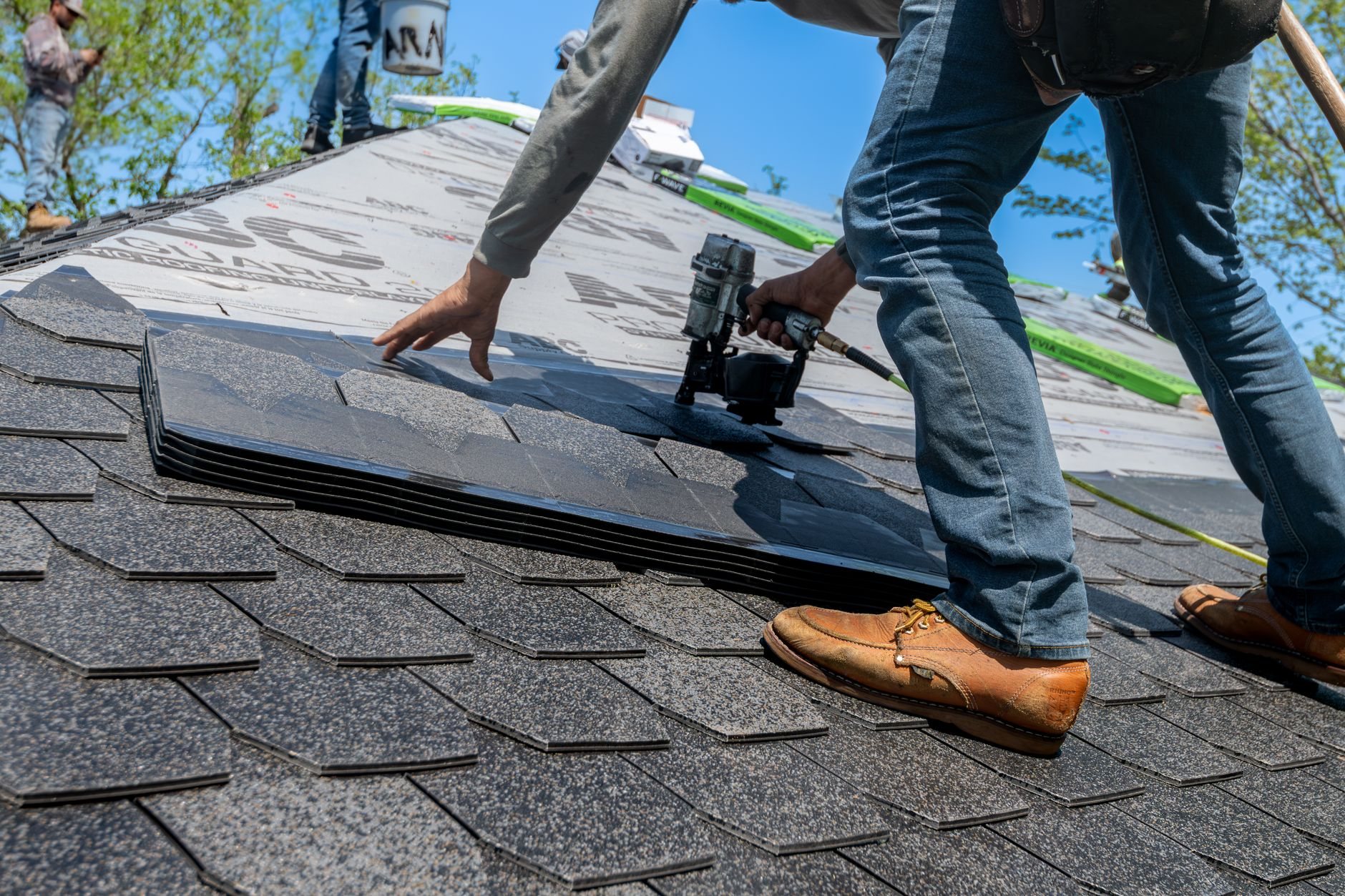
Repair, replace, or re-roof: which one do you actually need?
Repair makes sense when the damage is local and the roof has life left — wind-lifted shingles on one slope, a failed pipe boot, flashing that’s pulling away from a chimney. Replacement makes sense when leaks keep moving, shingles are shedding granules across the whole field, or the roof is within a few years of its rated life. A new roof on new construction is its own conversation about structure, ventilation, and material choice.
We’ll tell you which one you’re in, even when the answer is the cheaper one. A $900 flashing repair that buys you six more years is a better outcome than a replacement you didn’t need — and if the deck underneath is soft or the ventilation was never right, we’ll show you that too, because patching over a rotting deck just moves the leak.
This page covers residential and light-commercial roofing across Utah County and Salt Lake County. If your roof damage came from a specific storm and an insurance claim is involved, our storm damage repair team handles the documentation and scope side — more on that below.
What’s included, and who actually does the work
Straight answer first: Grandview holds the contract and manages licensed roofing crews. We scope the roof, choose the system with you, sequence the tear-off and dry-in, and quality-check the installation — fastener patterns, flashing details, ventilation — before anyone calls it done. You get one accountable contractor, one warranty conversation, and one phone number, and you can verify our B100 general contractor license anytime through Utah DOPL. Good work should not require detective work.
Every roofing scope we run includes:
- Tear-off and deck inspection. Old material comes off completely; soft or delaminated sheathing gets replaced at a unit price you see before we start, not on the final invoice.
- Ice and water shield at eaves and valleys. Utah’s freeze–thaw cycling — roughly 100-plus freeze–thaw days a year along the Wasatch Front — builds ice dams at the eaves. Membrane there is where leaks are stopped or born.
- Underlayment, flashing, and ventilation. Synthetic underlayment, new step and counter-flashing at walls and chimneys, and intake-to-exhaust ventilation balanced for the attic you actually have.
- Fastening for wind. Canyon-wind events off the Wasatch can gust past what standard nailing patterns assume. High-wind nailing schedules and rated starter courses are cheap insurance we don’t skip.
- Cleanup and magnetic sweep. Your lawn, driveway, and flowerbeds get swept for nails. Twice.
Gutters, fascia repair, and skylight replacement fold into the same contract when the roof comes off — it’s the cheapest moment those items will ever have.
Asphalt, metal, or flat: choosing a roofing system for Utah
Three systems cover most of what we install, and Utah’s climate has an opinion about each.
Architectural asphalt shingles are the default for a reason: good cost per year of service, wide color range, and high-wind-rated lines that handle bench-lot gusts. The honest caveat is UV — at 4,500-plus feet of elevation, Utah sun ages asphalt faster than the same shingle would age at sea level, so we spec impact- and wind-rated lines rather than builder-grade three-tabs.
Standing-seam metal costs more up front and sheds snow, heat, and hail for decades. It’s the strongest choice for bench lots, where design snow loads run meaningfully higher than on the valley floor — a Suncrest or Alpine roof carries a different winter than one in Provo, and the structure and material should reflect that. Concealed fasteners also mean nothing for canyon wind to grab, and reflective finishes function as cool roofs, which the Department of Energy credits with meaningfully lower summer cooling loads — worth having at Utah’s elevation and UV intensity.
Flat and low-slope membranes (TPO and EPDM) cover shops, additions, commercial buildings, and modern home designs. The detail that decides everything here is drainage: Utah’s summer monsoon can drop an inch of rain in an hour, and a low-slope roof needs tapered insulation, scuppers, or drains sized so that water leaves instead of ponding. We design the slope-to-drain before we price the membrane.
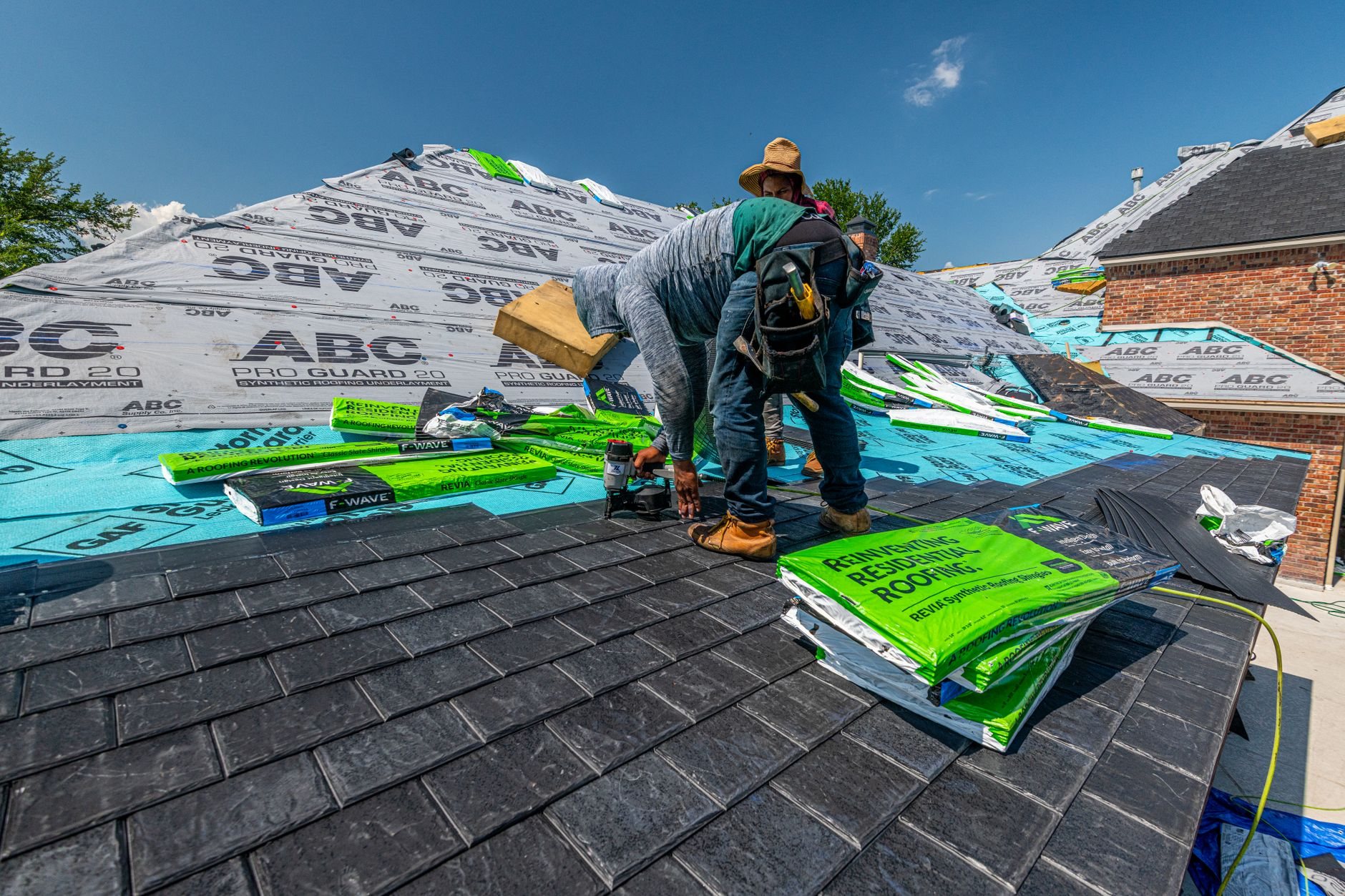
How a roof replacement runs, start to finish
- Inspect. We walk the roof and the attic — deck condition, ventilation, flashing, and where past leaks actually traveled. You get photos and a straight read: repair, replace, or wait.
- Scope and price. A written scope with the system, the details, and unit pricing for deck replacement. Budget range first if you’re still planning; a firm estimate once the scope is set.
- Permit and schedule. Most Utah County and Salt Lake County cities require a permit for full replacement. We pull it, order material, and give you a start window that accounts for weather.
- Tear off and dry in. Old roofing off, deck repaired, ice and water shield and underlayment down — the roof is watertight before the day ends. Problems found in the deck get photographed and priced before work continues.
- Install and detail. Field material, flashing, ridge ventilation, and penetrations, installed to the wind-rated fastening schedule and checked by us — not just by the crew that installed it.
- Final walk and paperwork. Inspection passed, site swept, and you get the permit close-out, material registration, and warranty terms in writing.
A typical single-family replacement is one to three days on the roof. The planning ahead of it is what keeps it that short.
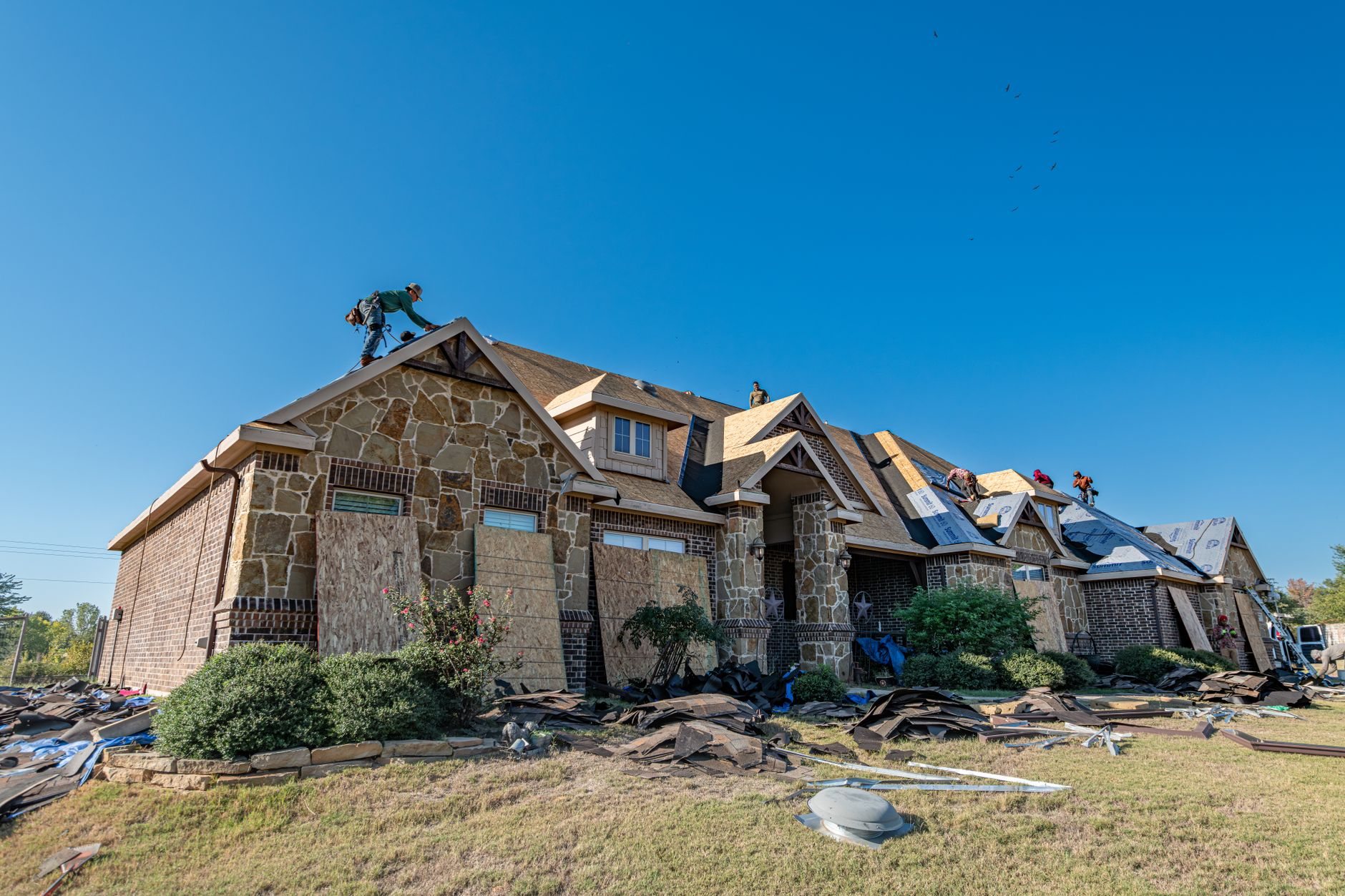
What does a new roof cost in Utah County?
As a ballpark planning number, architectural asphalt shingle replacement in Utah County typically runs about $4.50 to $7.00 per square foot of roof area installed — roughly $12,000 to $24,000 for many single-family homes. Standing-seam metal generally runs $10 to $16 per square foot, and low-slope TPO or EPDM about $6 to $10. Your roof’s specifics move the number; a firm estimate follows an inspection.
What moves the price up or down:
- Pitch and complexity. Steep roofs, multiple valleys, dormers, and cut-up hip designs slow production and add flashing detail.
- Deck condition. Sheathing replacement is priced per sheet. Older homes and past chronic leaks push this line up; we can’t see all of it until tear-off.
- Layers coming off. Two existing layers cost more to remove and haul than one. Current Utah-adopted code limits how many layers can stay, which is one reason overlays are usually a false economy.
- Access and staging. Tight lots, long carries, and landscaping to protect add labor time.
- Material tier. Wind and impact ratings, metal gauge, and membrane thickness each move cost — and some earn back part of it through insurance premium discounts or longer service life.
These are planning numbers, not promises. We’ll give you a written scope with real figures after we’ve seen the roof.
Storm damage and insurance claims: where roofing meets restoration
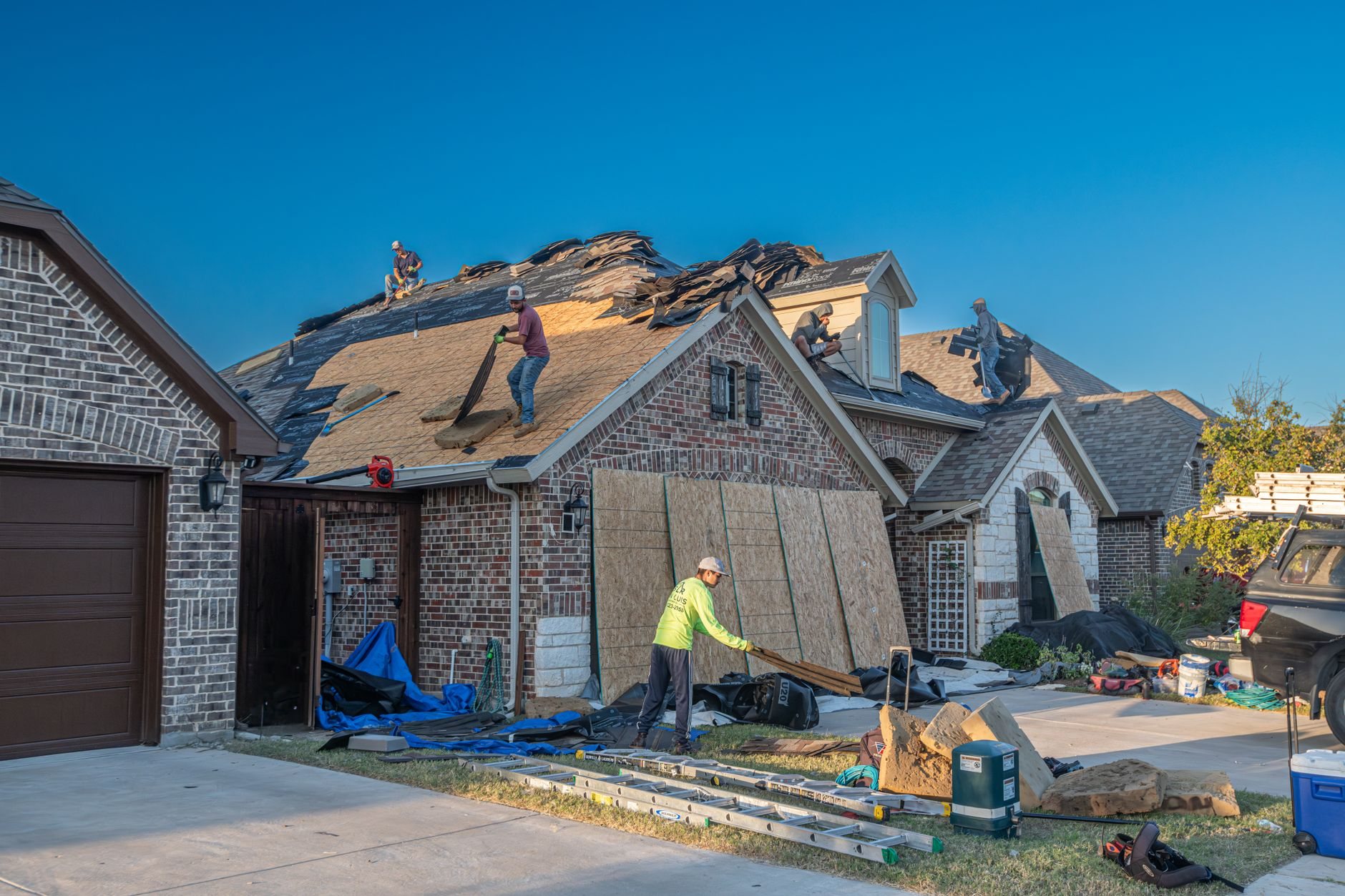
A fair share of the roofs we replace start as claims — canyon-wind events that peel shingles off south-facing slopes, hail that bruises a field of asphalt, a microburst that drops a limb through the deck. When that’s your situation, the sequence matters: document first, tarp second, scope third. Our storm damage repair team photographs and documents the damage the way adjusters need to see it, and emergency stabilization handles tarping and board-up so a bad week doesn’t become interior water damage.
From there it becomes a normal roofing project: same crews, same fastening standards, same quality checks — with the paperwork aligned to the claim. We work for you, not the carrier, and we’ll tell you plainly if the damage doesn’t justify a claim.
Questions we actually get
How long does an asphalt shingle roof last in Utah?
Plan on 20 to 25 years of real service from an architectural shingle here, even when the wrapper says 30. High-elevation UV, 100-plus freeze–thaw days a year, and canyon wind all age asphalt faster than milder climates do. Good attic ventilation is the cheapest way to reach the high end of that range.
Can you roof over my existing shingles instead of tearing off?
Usually we won’t recommend it. An overlay hides deck rot, doubles the weight, voids many manufacturer warranties, and current Utah-adopted code limits total layers anyway. The few hundred dollars saved on tear-off tends to come back as a bigger bill at the next replacement. We price both if you ask, with the trade-offs in writing.
What’s the biggest variable in a roofing estimate?
Deck condition. Pitch, size, and material are known before we start; the sheathing under your old roof isn’t fully visible until tear-off. We handle it with unit pricing — a set cost per replaced sheet, agreed in advance — and photos of anything we find, so the number moves transparently instead of surprising you.
Do you install roofs in winter?
Yes, with limits. Metal and membrane systems install fine in cold weather. Asphalt shingles need temperatures warm enough for the seal strips to bond — install them in January and they may not seal until spring, which is a wind-damage window. If waiting three weeks gets you a better roof, we’ll say so.
Who is actually on my roof — Grandview employees or subcontractors?
Licensed roofing crews working under Grandview’s contract and supervision. We scope the project, set the installation standard, check the work at dry-in and completion, and hold the warranty conversation. You contract with one company and hold one company accountable — that’s the point of running it through a general contractor.
Where a roof project usually leads
Roofing is the top edge of the building envelope, and it rarely fails alone. If the same weather that took your shingles chewed the wall cladding, siding replacement often pairs with a re-roof — one mobilization, matched flashing details where wall meets roof. If a leak already got inside, water damage restoration handles drying and rebuild. And the rest of the structural and exterior scopes — foundations to flatwork — live under site, structure & envelope.
Tell us what your roof is doing
Missing shingles, a slow stain on the ceiling, or a roof you know is on borrowed time — we’ll inspect it, photograph it, and give you a straight read on repair versus replacement before anyone commits to anything. We reply within a couple of hours during business hours, a day at most.