
General contractor in Provo, Utah
Grandview Contractors is based in Provo — our office is at 1645 North 1400 West, minutes from most of the work we take on here. We’re a licensed and insured Utah DOPL B100 general contractor (#14282236-5501) handling renovation, additions, structural repair, and commercial build-outs across the city.
Working in our own zip code
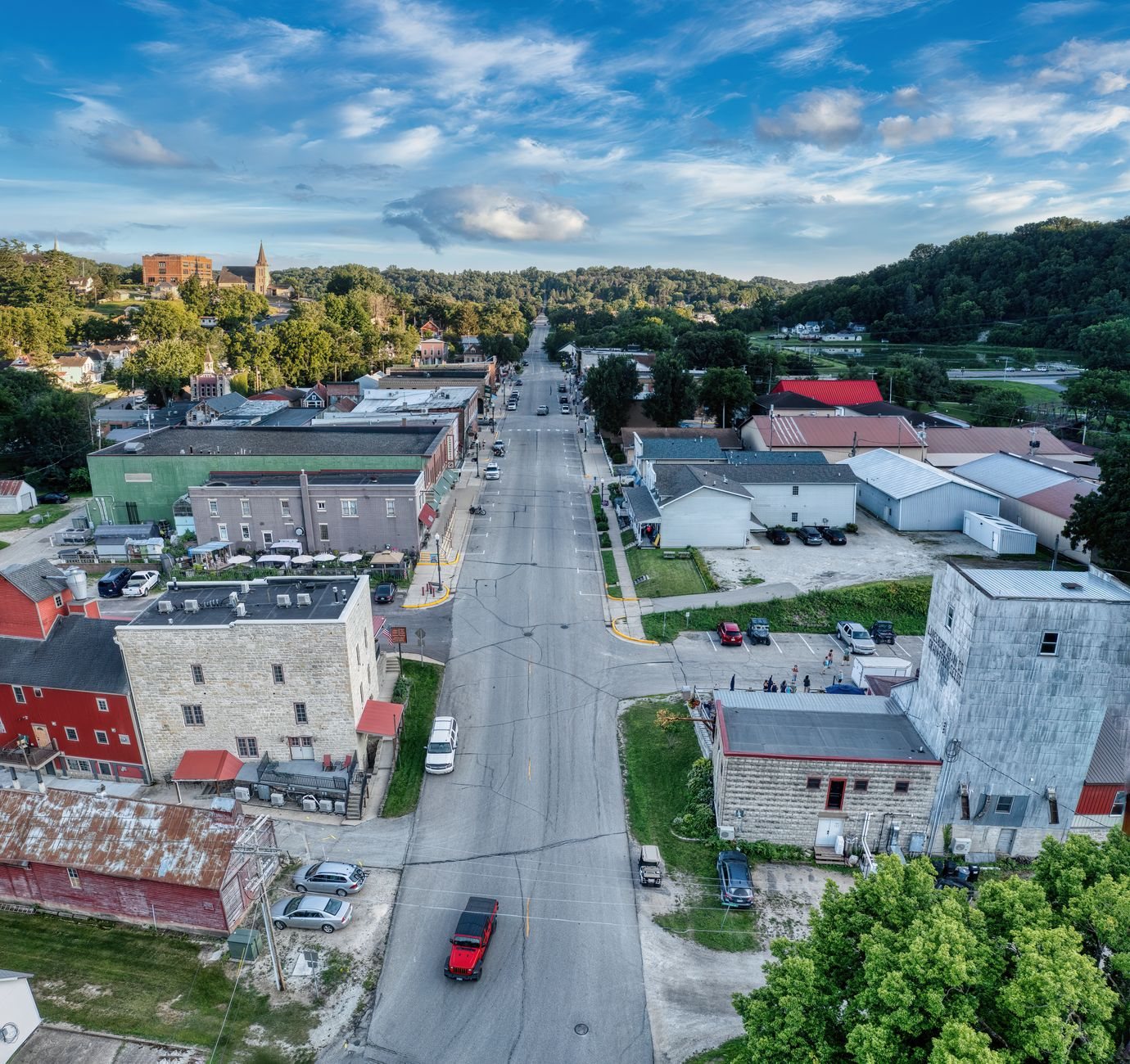
Every contractor claims to serve Provo. We drive its streets to get to our own office. That matters in practical ways: we know which east bench lots trigger hillside review before footings are approved, we’ve stood in line at Development Services on Center Street, and when a question comes up mid-project, the answer is a short drive away — not a dispatch from two counties over. Provo’s permit process runs through the city’s Development Services department, which coordinates plan review across building, zoning, public works, and utilities; it’s an established process, more methodical than the fast-growth cities up north, and projects go smoother when plans arrive complete the first time. That’s how we submit them.
Our license is a statewide DOPL B100, verifiable at dopl.utah.gov. We are fond of straight lines and straight answers.
Older neighborhoods that reward careful work
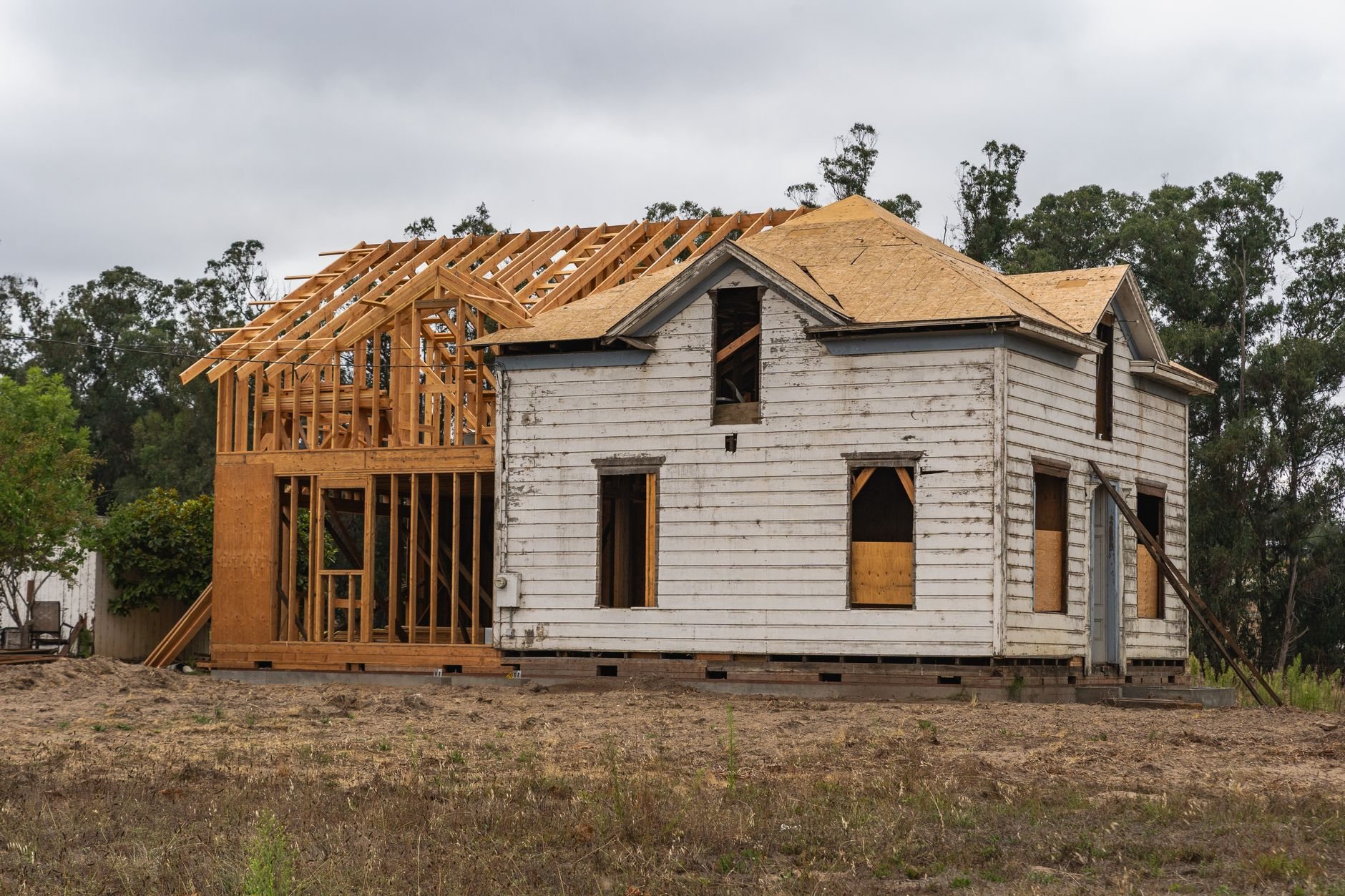
Provo’s central neighborhoods — the Tree Streets, Joaquin, Maeser, the blocks around downtown — hold some of the oldest housing stock in Utah County, with homes dating to the late 1800s and early 1900s. These houses were built well and built differently: unreinforced brick masonry that predates seismic code, shallow foundations, knob-and-tube era wiring long since layered over, and floor plans that assumed a coal stove where your kitchen island wants to be. A whole-home renovation in one of these houses is equal parts archaeology and construction, and the budget lives or dies on what’s found when walls open. We plan for that honestly instead of pretending surprises won’t happen.
The same vintage brings the same recurring projects. Basements dug a century ago were cellars, not living space — finishing a basement here means addressing headroom, egress windows for any bedroom, and Utah’s high-radon geology before drywall goes anywhere near the studs. Settled footings and bowing rubble or early-concrete walls are common enough that foundation repair is often the first line item, not an afterthought. And because many central-Provo lots are generous by modern standards, a well-designed home addition is frequently the better answer than moving — provided setbacks and any neighborhood overlay are confirmed with the city early.
Two Provos: the bench and the lake side
Geology splits this city in half. East of the freeway, lots climb toward the bench, where collapsible soils and slope conditions shape footing design and drainage. West of I-15, the ground trends toward Utah Lake — high water tables, wet soils, and pockets of federally mapped wetland that shape what can be built and how it must be founded. That west side is also where Provo is growing: the Lakeview Parkway corridor, new sewer infrastructure, and the airport expansion underway through 2028 are pulling homes and commercial development toward the lake. New foundations out there need to be designed for the ground they sit on, and flatwork needs air-entrained mixes that survive the Wasatch Front’s hundred-plus freeze-thaw days a year. Soil reports aren’t paperwork here; they’re the difference between a slab that lasts and one that doesn’t.
Provo’s rental economy is its own construction category. With tens of thousands of students living off campus, property owners near BYU run on tight turnover windows — we handle unit turn programs with the documentation and scheduling that managers need. Downtown, where Center Street storefronts are largely full and reinvestment is visible block by block, we build commercial tenant improvements sequenced around neighboring businesses that stay open while we work.
Questions we actually get in Provo
Do I need a permit to finish my basement in Provo?
Yes. Basement finishing requires a building permit, and any bedroom needs a code-compliant egress window. Provo Development Services reviews the plans; inspections happen at framing, mechanical, and final. We handle the submittal and scheduling as part of the project — verify specifics with the city’s Building Division for unusual layouts.
Can you work on older brick homes near downtown?
Yes — it’s some of our favorite work. Early-1900s brick homes need care around structure: unreinforced masonry, aging foundations, and framing that doesn’t match modern lumber dimensions. We open walls expecting the unexpected, price contingencies honestly, and bring in a structural engineer when the scope touches load paths.
What does renovation work cost in Provo?
The honest answer is a range until scope is defined. Age of the house, structural condition, and finish level move the number most; in central Provo, what’s behind the plaster is the biggest variable. We start with a consultation and a ballpark budget range, then firm it up to an estimate and proposal before anyone commits.
Nearby cities we serve
From our Provo office, most of Utah County is a short drive. We also work in Orem just across the border to the north, Springville to the south, and the fast-growing lakeside blocks of Vineyard — along with the rest of our Payson-to-North-Salt-Lake service area.
Tell us what you’re working on
We reply within a couple of hours during business hours — a day at most. You’ll get a straight read on scope, sequence, and budget before anyone commits to anything. And since we’re already in Provo, a site visit is easy to arrange.