
General contractor in Vineyard, Utah
Grandview Contractors is a Provo-based general contractor working across Vineyard — basement finishes, decks and yards, builder-grade upgrades, and commercial build-outs under Utah DOPL B100 license #14282236-5501. Our office sits about ten minutes down Geneva Road, and in a city where nearly every house is younger than its mortgage, we do the work that comes after the builder leaves.
What we take on in Vineyard
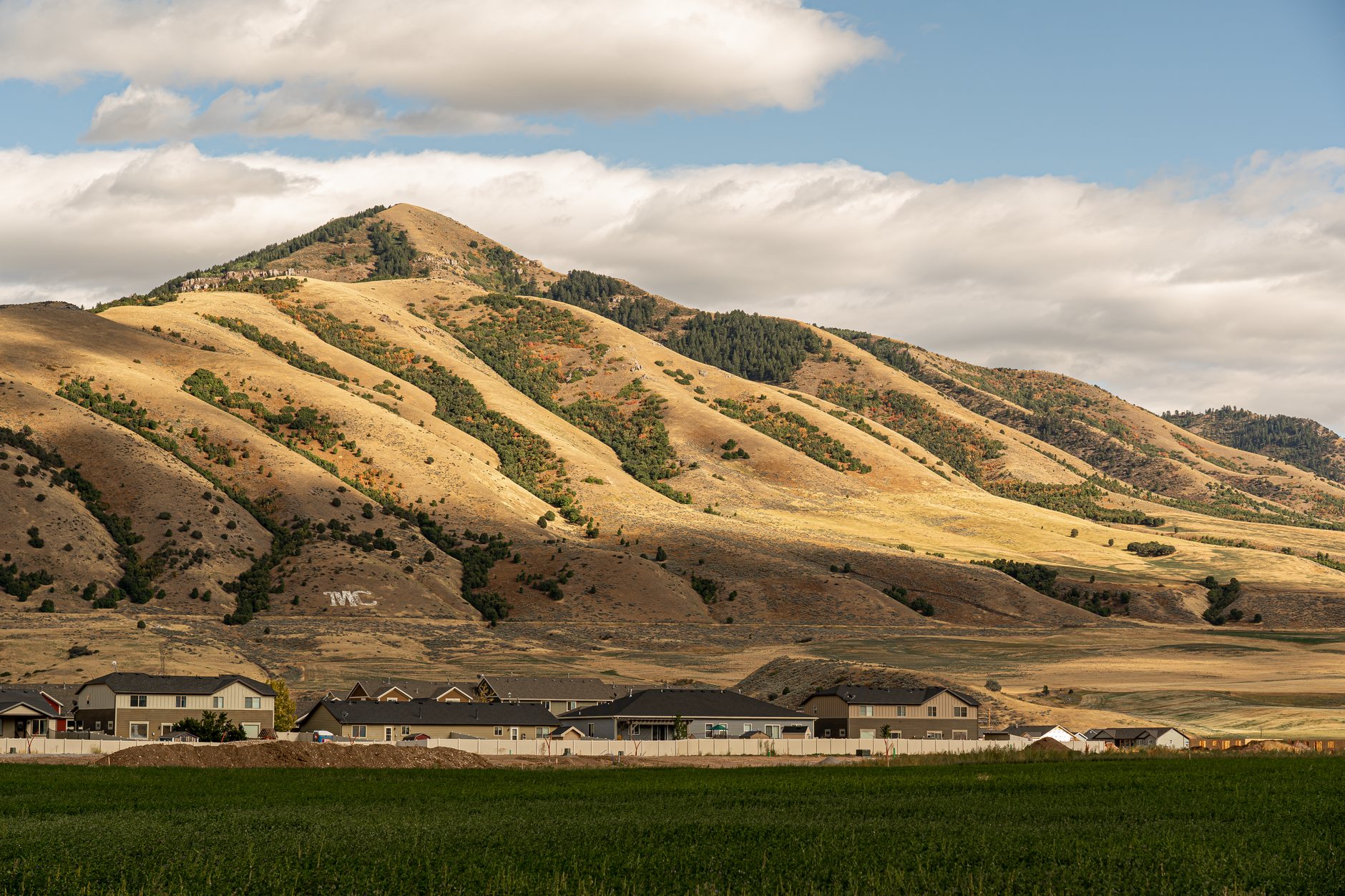
Vineyard is the strangest real-estate story in Utah County, and we mean that as a compliment. In 2010 the census counted 139 people here. Then the former Geneva Steel site was remediated and redeveloped, Waters Edge and Edgewater started building in the mid-2010s, and the city passed 16,000 residents on its way to becoming, for a stretch, the fastest-growing municipality in the country. The practical result: there is no old housing stock in Vineyard. Almost every home in the city was built after 2015, which means the projects here aren’t about undoing the 1970s — they’re about finishing what the production builder started.
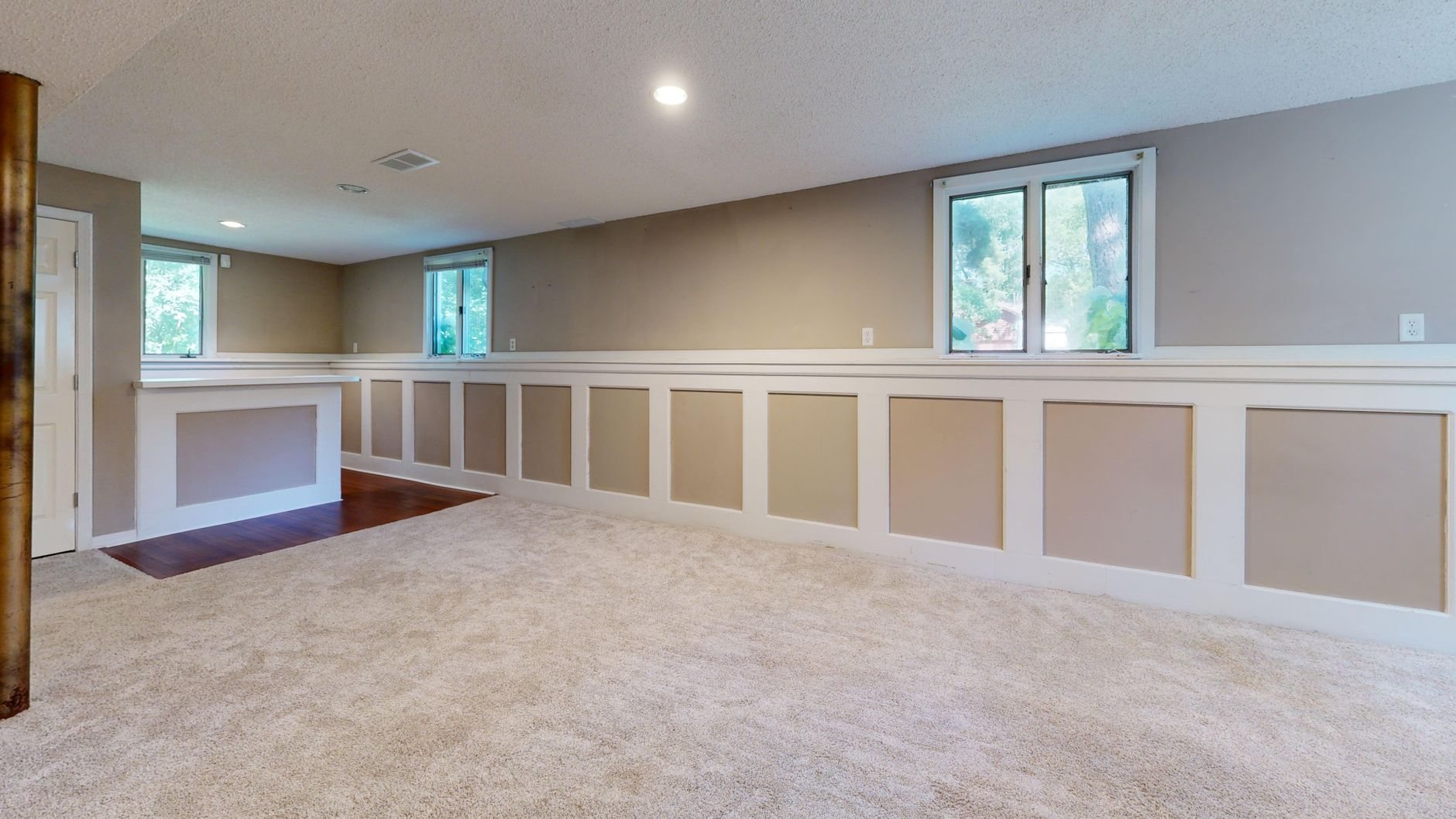
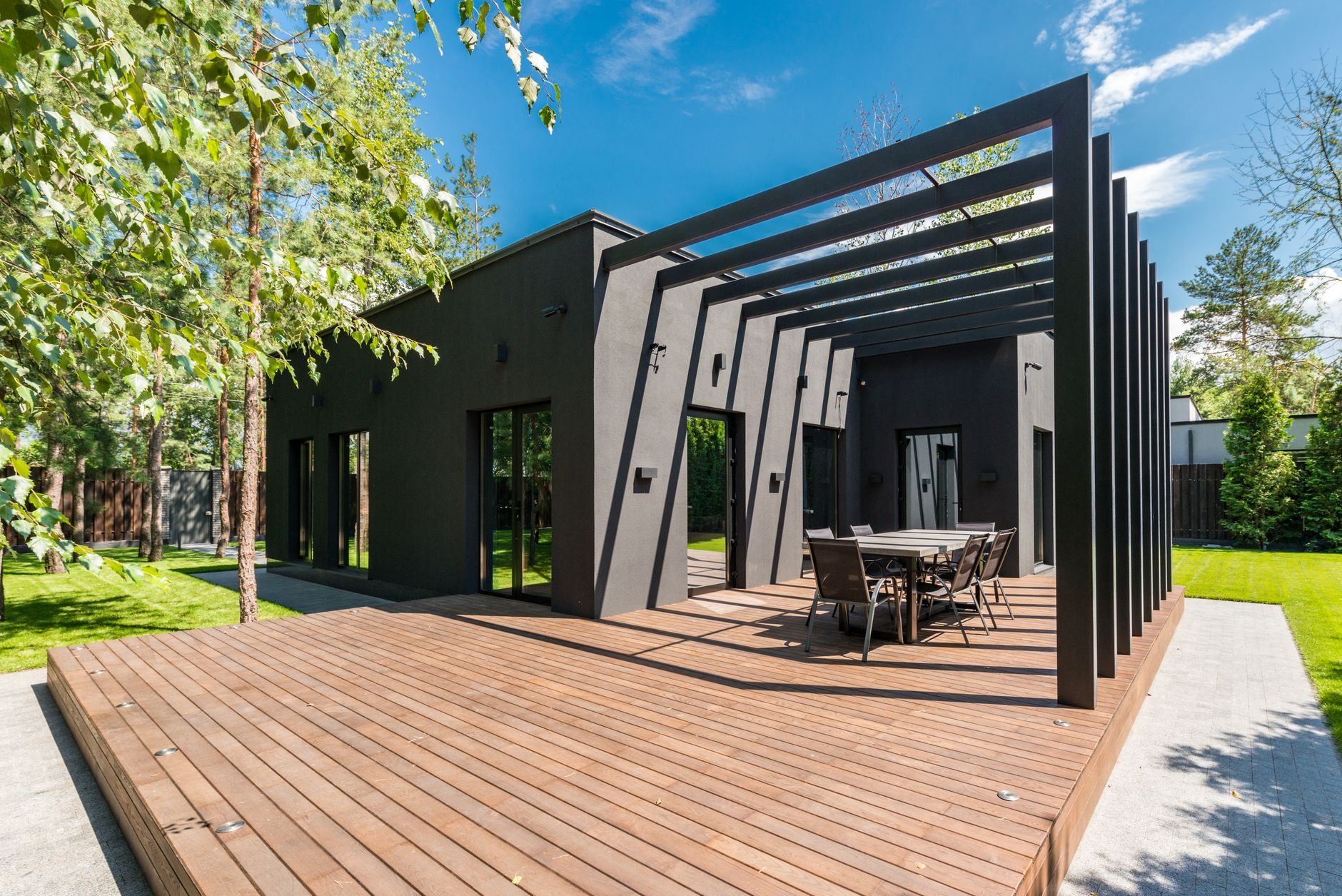
That starts underground. A large share of Vineyard homes were sold with unfinished basements, and basement finishing is the single most common project we’re asked about in this city — turning that concrete square footage into bedrooms, a family room, or a second kitchen while the house is still nearly new. Above grade, the ask is usually an upgrade from builder-grade: cabinetry and countertop swaps, feature walls, real trim where the flat stock was. And outside, most Vineyard lots were handed over as bare dirt or contractor-seed grass. We build the decks, patios, and hardscaping that make a small new-development lot actually usable, with concrete flatwork mixed and drained for the Wasatch Front’s hundred-plus freeze-thaw days a year — air-entrained, sloped away from the foundation, no shortcuts.
Vineyard’s commercial story is just as young. The 700-acre Utah City development rising between the FrontRunner station and the Utah Lake shoreline is planned around millions of square feet of commercial and retail space, anchored by a new Huntsman Cancer Institute campus. As that first-generation space delivers and tenants cycle in, we handle retail build-outs and interior fit-ups — the kind of fast, clean, inspection-ready work that new landlords and first tenants both need.
Building on lakebed ground
Vineyard sits low — flat land on the eastern shore of Utah Lake, well below the bench neighborhoods of Orem next door. Soils here run fine-grained and the water table runs high as you move toward the lake, which is why local requirements call for a geotechnical investigation where high groundwater or compressible soils are in play. For homeowners the everyday consequences are specific: sump pumps and perimeter drains matter, basement finishes should confirm moisture behavior before drywall goes up, and fences, decks, and flatwork need footings designed for soft ground, not just dug to a habit depth. The Utah Geological Survey maps shallow groundwater across this part of the valley floor — see geology.utah.gov — and we treat those maps as a starting assumption, not a surprise.
Two more things new-city owners tend to learn late. Utah County’s geology carries elevated radon potential even in brand-new homes, so a basement finish should start with a cheap radon test while mitigation is still easy to rough in. And nearly all of Vineyard is HOA territory — Waters Edge, Edgewater, The Villas, and the newer Utah City blocks each run their own architectural review. We prepare the HOA submittal alongside the city permit so the two approvals land in the right order instead of blocking each other.
Permits in a city that’s still being drawn
Vineyard runs its own Building Department with an online permit portal, and because the city is effectively one large active development, staff are used to volume and move accordingly. Finish work, decks, and basement build-outs all need permits here, and anything structural on soft ground can trigger the geotechnical questions mentioned above. Zoning is worth checking early too — overlay districts around Utah City and the transit station carry design standards that ordinary suburban lots don’t. Verify current requirements with the city at vineyardutah.gov, and verify our license anytime at dopl.utah.gov.
Questions we actually get in Vineyard
My house is only a few years old — is it too soon to finish the basement?
No, and it’s often the best time. The structure has done most of its early settling, the mechanical rough-ins are usually stubbed for a future finish, and you know how the space lives. We confirm moisture behavior and run a radon test first, then finish to match the main floor rather than announce itself as an afterthought.
Do I need HOA approval before the city permit?
Usually you need both, and the order matters less than the overlap. The city won’t ask for HOA sign-off, but your HOA can force changes after a permit is issued if you skip its review. We submit to both at once with matching drawings so neither approval invalidates the other.
What drives cost on decks and flatwork in Vineyard?
Ground conditions and access. High groundwater or soft lakebed soils can mean deeper or engineered footings, and tight new-development lots limit where a concrete truck can reach, which sometimes means pumping. Square footage matters, but in Vineyard the below-grade decisions move the number more than the finish selections do.
We work throughout northern Utah County — including Orem up on the bench next door, our home base in Provo, and Lindon just to the north.
Tell us what you’re working on
We reply within a couple of hours during business hours — a day at most. You’ll get a straight read on scope, sequence, and budget before anyone commits to anything.