
General contractor in Lehi, Utah
Grandview Contractors is a Provo-based general contractor working throughout Lehi — from Traverse Mountain bench lots to the pioneer-era blocks off Main Street. Licensed and insured under Utah DOPL B100 license #14282236-5501, verifiable at dopl.utah.gov.
A city that roughly doubled — and the work that comes with it
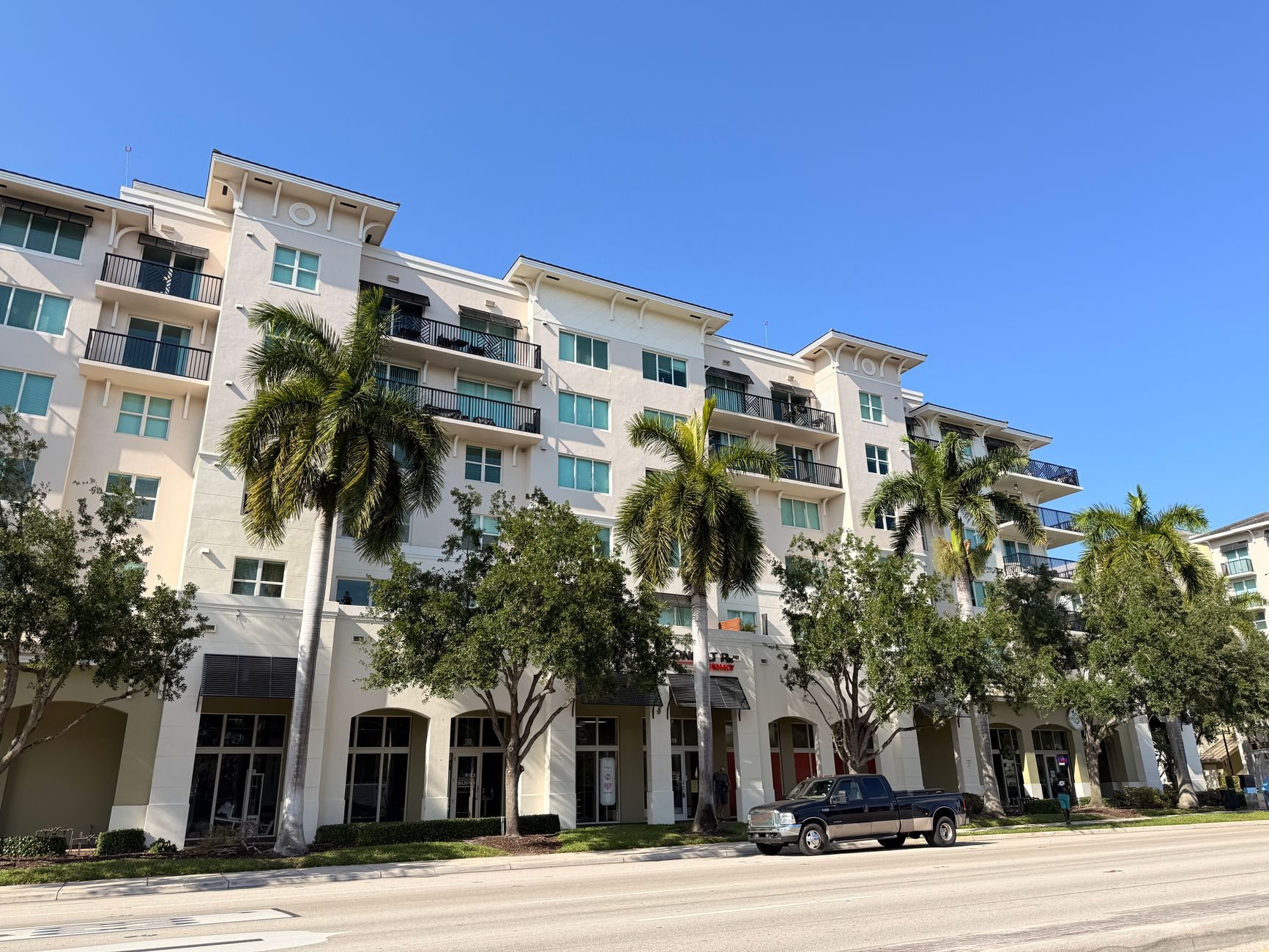
Lehi grew from about 47,000 people in 2010 to north of 90,000 today, which makes it Utah’s sixth-largest city and, for most of that stretch, its fastest-growing one. The tech campuses along I-15 near Thanksgiving Point pulled thousands of households into master-planned neighborhoods built mostly after 2005. That housing stock is young, but young doesn’t mean finished. A large share of Lehi homes were sold with unfinished basements, builder-grade finishes, and yards graded to the minimum — which is exactly the work owners call us about ten years in.
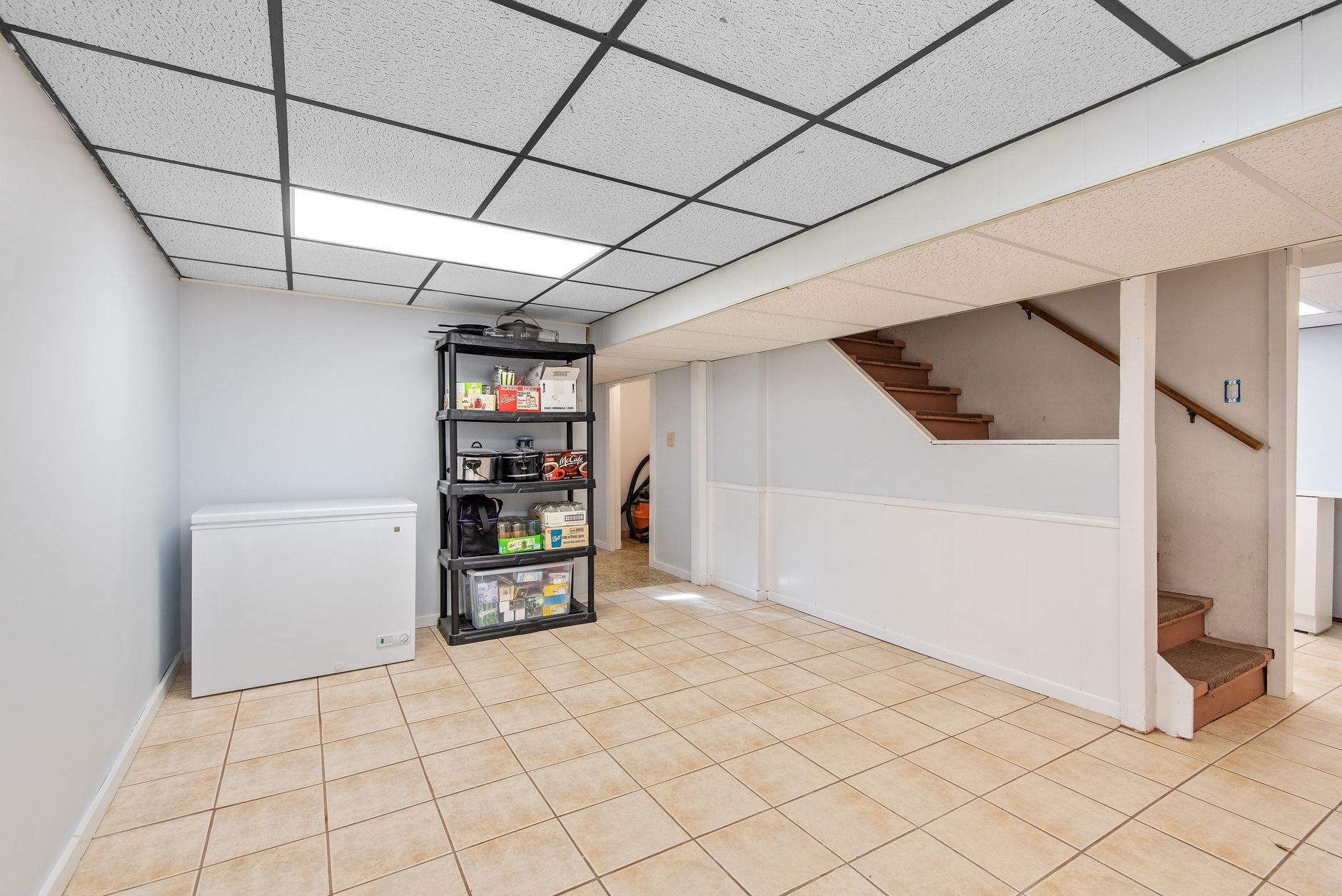
Basement finishing is the most common request we hear from Lehi, and it deserves more care here than the square footage suggests: egress windows are required for basement bedrooms under current Utah-adopted code, and Utah’s high-radon geology makes testing before you insulate and drywall a cheap piece of insurance. Close behind are accessory dwelling units for households offsetting a Silicon Slopes-era mortgage, and custom homes on the infill and view lots that remain. On the commercial side, the same growth fills office and flex space along the Pioneer Crossing and Thanksgiving Point corridors, where we take on tenant improvements, and it fills apartment communities that need disciplined unit-turn programs between leases.
Bench wind, lake clay, and a Main Street older than the state
Lehi is really three building environments. Up on Traverse Mountain, hillside lots mean engineered fills, slopes that want properly drained retaining walls, and the famous Point of the Mountain wind — the same gusts that make the ridge a paragliding destination will find every under-nailed shingle and loose piece of flashing on your roof. Fastening schedules and edge details matter more here than they do two miles south.
Down toward Utah Lake, the ground changes character: clay-heavy soils that swell and shrink with moisture, a higher water table, and flatwork that takes the full brunt of the Wasatch Front’s hundred-plus freeze-thaw days a year. We spec air-entrained concrete mixes and take grading and drainage seriously, because summer cloudbursts don’t negotiate. And in the original townsite around Main Street — a downtown Lehi is actively re-planning — pioneer-era brick homes reward the patient, structural-first approach of a whole-home renovation rather than a cosmetic flip.
Permitting in Lehi: electronic, organized, and worth planning around
Lehi’s Building and Inspections division runs a fully electronic submittal process — plans, structural calcs, and geotechnical reports all go in digitally — and the planning department assigns planners to specific areas of the city. That structure is a gift to projects that show up complete and a bottleneck for projects that don’t. We build the permit path into the schedule from the first conversation: soils report ordered early on bench lots, HOA design approval sequenced before city submittal in the master-planned neighborhoods, and current requirements confirmed with Lehi City before anything is promised. We are fond of straight lines and straight answers, and permit reviewers tend to feel the same way.
Questions Lehi owners ask us
What does it cost to finish a basement in Lehi?
Most Utah County basement finishes land in a broad ballpark of $40–$90+ per square foot depending on bathrooms, wet bars, ceiling height, and finish level — treat that as a planning range, not a quote. Lehi’s post-2005 homes usually have straightforward layouts and modern systems, which helps keep surprises down.
Do you handle HOA approvals in master-planned neighborhoods?
Yes. Traverse Mountain and most newer Lehi developments require design review before the city will see your plans, and the sequence matters — HOA first, city second. We prepare the submittal package, track the approval, and fold the review time into the project schedule instead of discovering it mid-stream.
Can I build an ADU on my Lehi lot?
Often, but the answer depends on your zone, lot, and whether the unit is internal or detached. Lehi regulates ADUs through its city code, and the rules have shifted as the city has grown, so we confirm current requirements with Lehi planning before any design work — verify with the Lehi building department rather than a neighbor’s experience from three years ago.
Does the Point of the Mountain wind really change how you build?
On Traverse Mountain and the north bench, yes. We tighten roof fastening schedules, pay extra attention to flashing and ridge details, and think harder about fence and pergola footings than we would on the valley floor. It’s a known site condition, not a mystery — you just have to build for it.
Neighbors along the Point of the Mountain
Lehi sits at the hinge between our two counties, and crews move through it daily. We also work next door in Saratoga Springs, American Fork, and over the ridge in Draper — the full map runs from Payson to North Salt Lake on our service area page.
Tell us what you’re working on
We reply within a couple of hours during business hours — a day at most. You’ll get a straight read on scope, sequence, and budget before anyone commits to anything.