
General contractor in Saratoga Springs, Utah
Grandview Contractors is a Provo-based general contractor — Utah DOPL B100 license #14282236-5501 — building, finishing, and repairing homes across Saratoga Springs. In a city where nearly everything is new, we handle the work that comes after the builder leaves: basements, decks, flatwork, additions, and the occasional foundation that met the lakebed clay and lost.
Building in the fastest-growing city in Utah
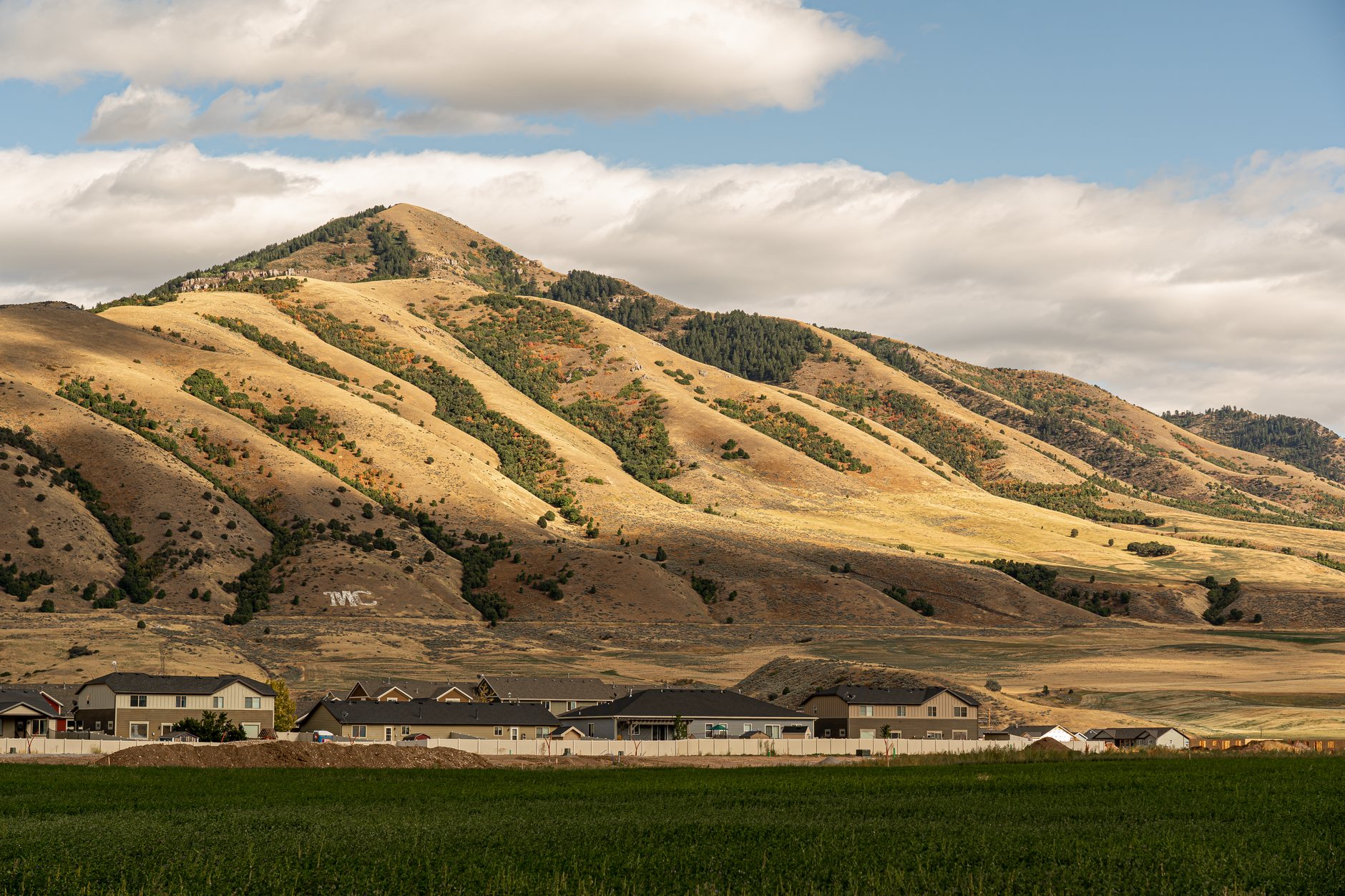
Saratoga Springs incorporated in the late 1990s with a few hundred residents. It’s now closing in on 71,000, added more people last year than any other city in the state, and is planned to roughly double before buildout. Almost all of the housing stock is post-2005, and much of it is post-2015 — which means the projects here look different from the ones we run in Provo or Orem. Nobody in Wildflower is asking us to rewire knob-and-tube. They’re asking us to finish the basement the builder roughed in, build the detached garage the lot was sized for, pour the RV pad, or design a custom home on one of the remaining view lots above Redwood Road.
That newness cuts both ways. Production-built neighborhoods like Harvest Hills, Fox Hollow, and the villages at Wander and Beacon Pointe were built fast and to a price point, and five to fifteen years in, owners start finding the corners that were cut — flatwork settling at the garage apron, grading that sends monsoon runoff toward the foundation, decks framed to the bare minimum. A large share of what Saratoga Springs owners need falls into exactly that category: making a nearly-new house perform like the house you thought you bought.
The lakebed is running the project
Much of Saratoga Springs sits on former Utah Lake lakebed — clay-heavy soils that swell when wet and shrink when dry. That seasonal movement is why the city requires geotechnical soils reports for new structures, and why mitigation here often means over-excavating native soil and replacing it with compacted engineered fill, or bearing the structure on helical piers that reach past the problem layer. The Utah Geological Survey maps these expansive and collapsible soils across the Wasatch Front at geology.utah.gov, and the west side of Utah Lake is well represented.
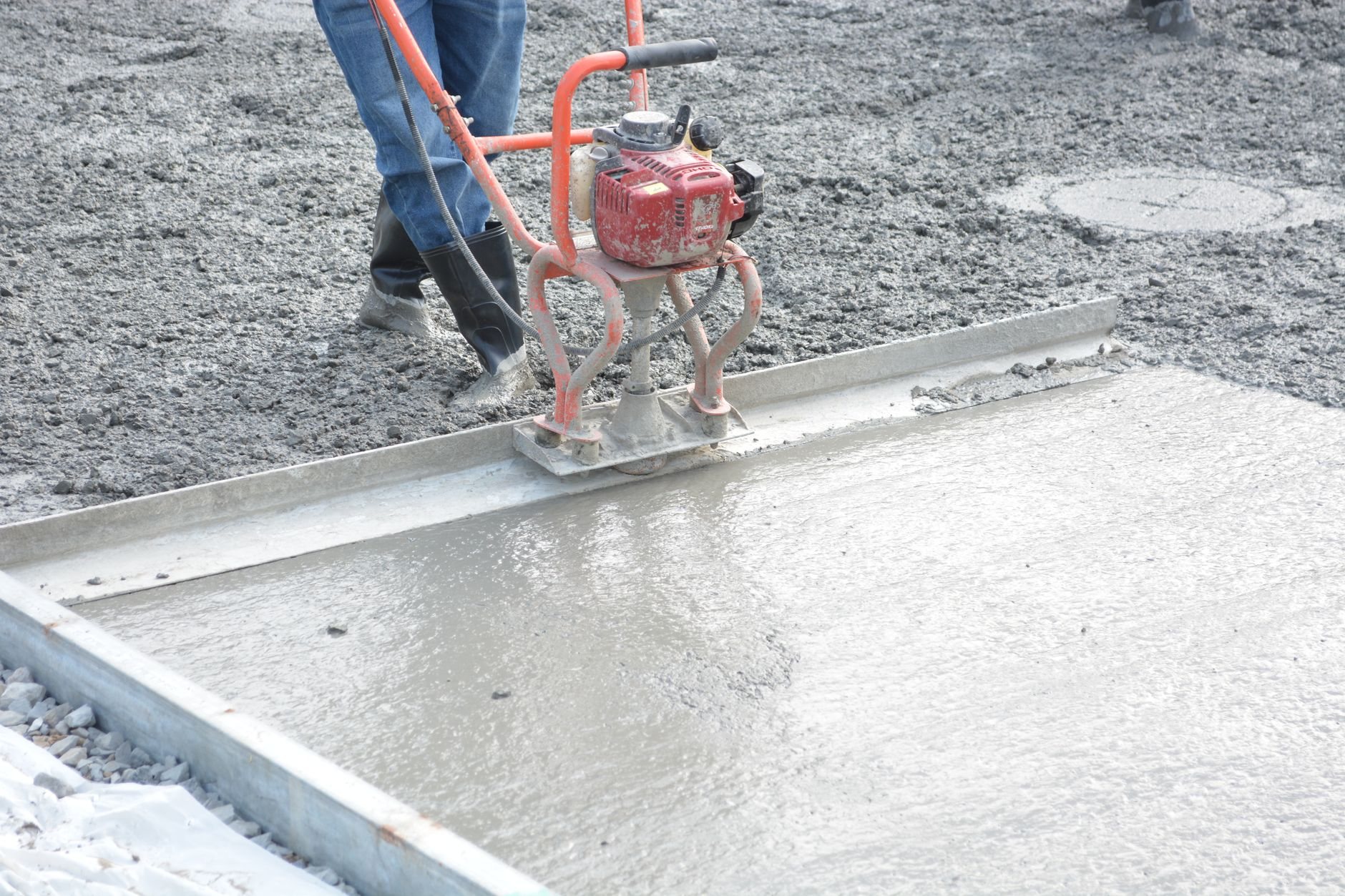
Practically, this shapes almost everything we bid in this city. Driveways and patios get a properly compacted, drained base or they heave — our concrete and flatwork scopes here assume air-entrained mixes for the freeze-thaw cycling and base prep that respects the clay. Additions get footing designs matched to the soils report, not copied from the original house. And when an existing foundation has already moved — stair-step cracks in the basement, doors racking out of square — we assess whether it’s settled and stable or still moving before recommending foundation repair. On this ground, the honest answer is sometimes “monitor it for a season,” and we’ll say so.
Finishing what the builder left unfinished
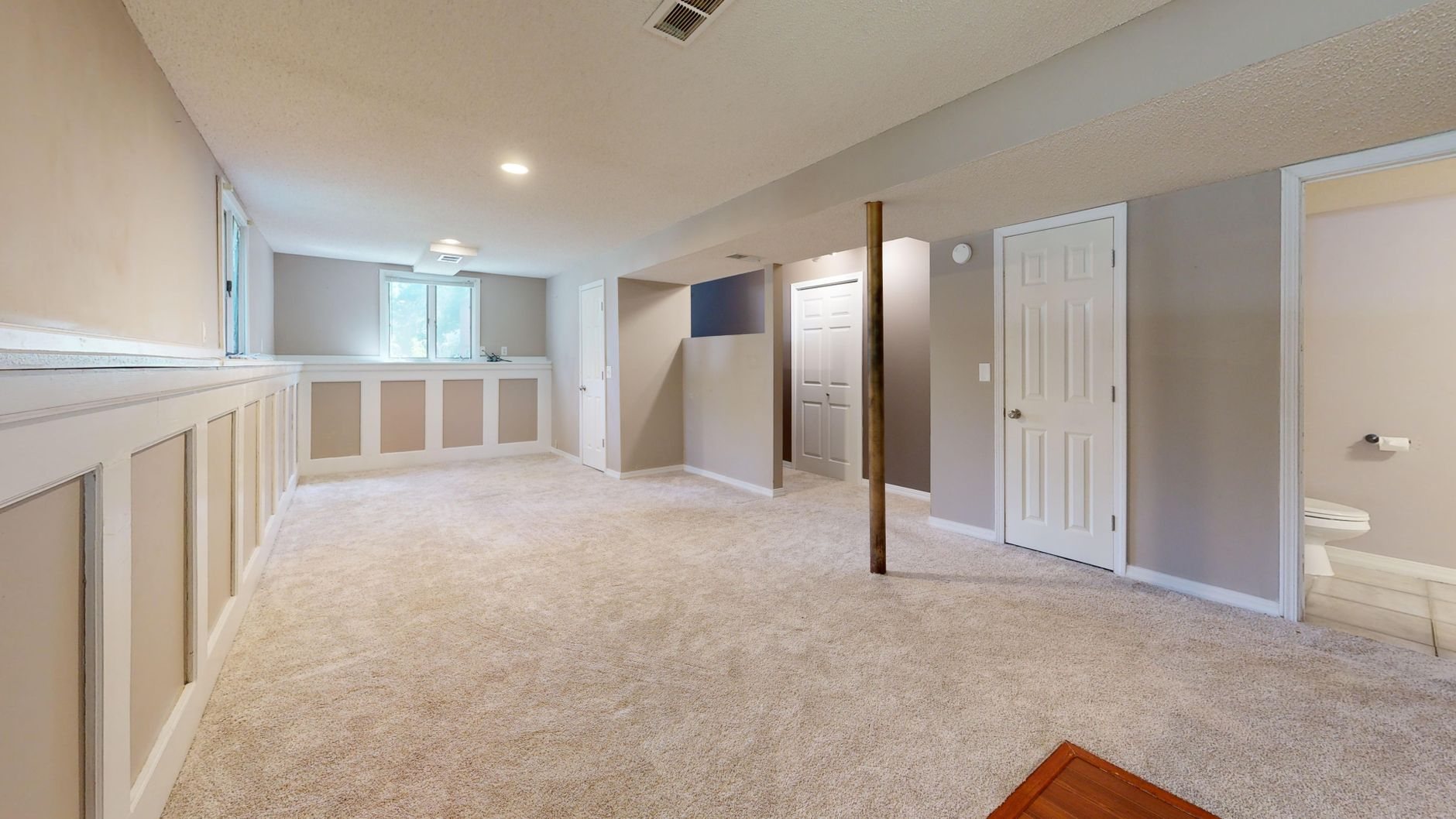
The most common call we get from Saratoga Springs is the unfinished basement. Builders here routinely sell homes with the lower level roughed-in and cold, and finishing it is the cheapest square footage a growing family will ever add. Our basement finishing work covers layout, egress windows where bedrooms are planned (required by current Utah-adopted code), and the radon awareness that Utah’s geology makes worth taking seriously — the EPA’s guidance at epa.gov/radon is a good starting point, and a mitigation rough-in is cheap while walls are open.
Close behind: decks and outdoor living on lots that came landscaped only in the front, oversized garages and shops for the toys this side of the lake attracts, and ADUs for households planning for parents or rental income as the city’s zoning and the market both mature. One thing to plan for that older cities don’t have: nearly every neighborhood here is governed by an HOA with its own design review. We build HOA submittal and approval time into the schedule up front, because a two-week approval discovered late is a two-week delay.
Questions Saratoga Springs owners ask us
How does permitting work in Saratoga Springs?
The city’s building department is fully paperless — permit applications, plan review, and re-submittals all run through an online portal. Basement finishes, additions, and detached structures all need permits. As a fast-growth city the department stays busy, so we submit complete drawings the first time and build review time into the schedule. Verify specifics with the Saratoga Springs building department.
My five-year-old house has cracks. Is that the clay soil?
Often, yes — hairline drywall cracks and minor concrete shrinkage are normal, but stair-step cracks in foundation walls, sloping floors, or sticking doors suggest soil movement. Lakebed clay swells and shrinks with moisture. We start with grading and drainage, since redirecting water is far cheaper than structural repair, and escalate to piers only when the evidence says so.
What does a basement finish cost here?
As ballpark planning numbers, most Utah County basement finishes land between roughly $40,000 and $90,000 depending on square footage, bathroom count, egress window work, and finish level. New-construction basements in Saratoga Springs often have plumbing rough-ins already in place, which helps. You’ll get a real number after a walkthrough, not before.
Do you handle HOA design approvals?
We prepare the drawings and documentation your HOA’s design review committee needs and sequence the submittal so approval lands before we mobilize. You (or your property manager) remain the applicant since it’s your covenant, but we prepare the package around what committees actually look for: elevations, materials, colors, and setbacks.
Along Pioneer Crossing and around the lake
Saratoga Springs sits at the middle of our north Utah County work. Pioneer Crossing puts us minutes from Lehi and the Silicon Slopes corridor, Eagle Mountain shares the same growth curve and much of the same geology to the west, and American Fork anchors the established east side of the lake. Our Provo shop reaches all of it inside forty minutes. Problems happen. Surprises should not.
Tell us what you’re working on
We reply within a couple of hours during business hours — a day at most. You’ll get a straight read on scope, sequence, and budget before anyone commits to anything.