
Deck & balcony waterproofing (traffic coatings)
A traffic coating is a liquid-applied, walkable waterproof membrane for decks, balconies, and walkways built over living space or garages — it’s the finished surface and the roof of the room below at once. Grandview installs and recoats these systems on homes and multifamily buildings across Utah County and Salt Lake County under a B100 general contractor license.
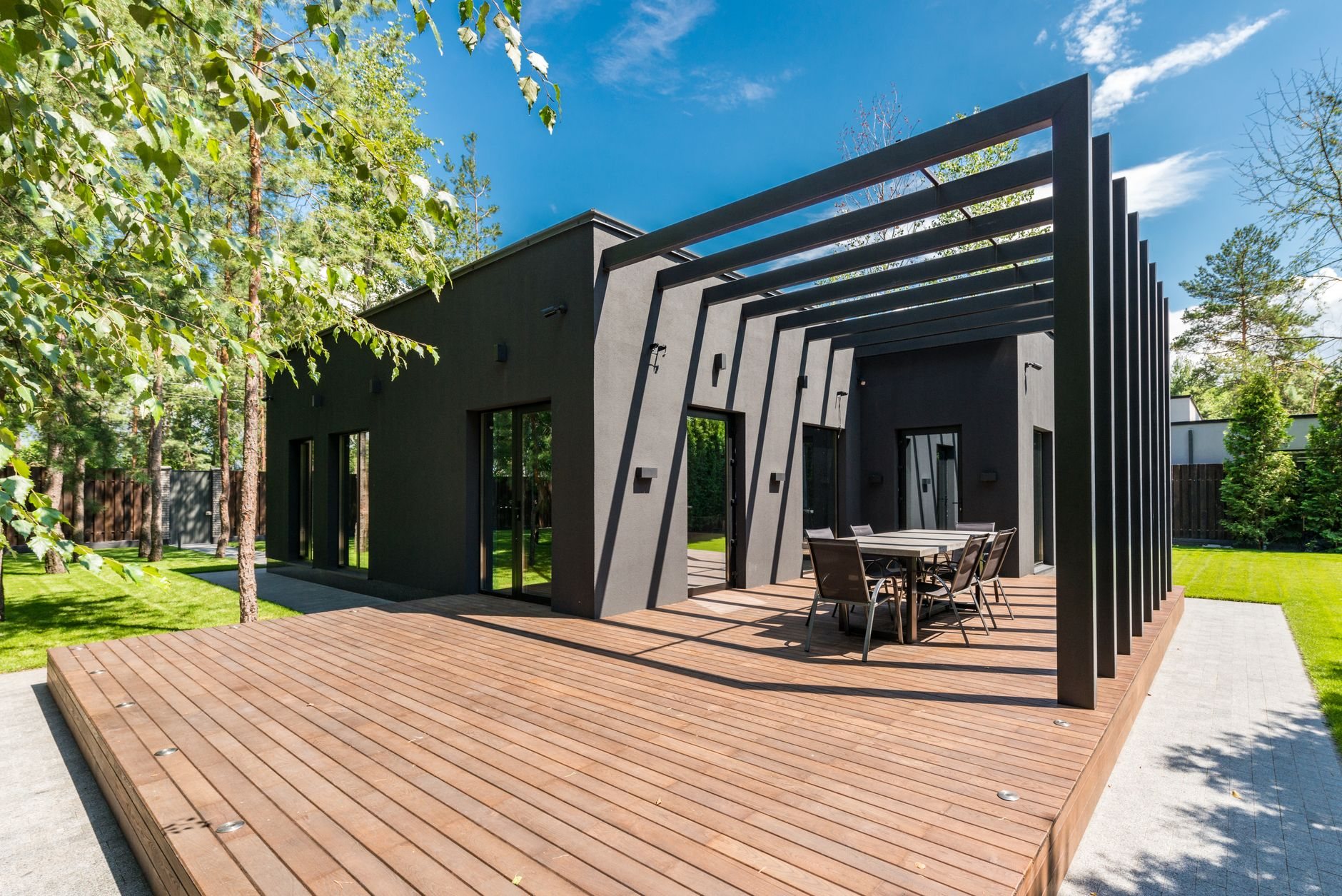
When a traffic coating is the right choice
The test is simple: is there a ceiling under the deck that has to stay dry? If so — a bedroom under a second-story deck, a garage under a balcony — gapped decking won’t do it. You need a membrane rated for foot traffic, furniture legs, snow shovels, and years of sun.
If there’s nothing under the deck but dirt and air, you don’t need this page — a conventional deck build or deck repair with a stain finish is the right scope. A flat roof you’ll furnish usually wants a rooftop deck on pedestals over a roofing membrane. If the wall beside the deck is the leak, not the floor, see above-grade wall waterproofing.
Where this scope does belong: new second-story decks over conditioned space, condo and apartment balconies due for recoating, and the classic repair — a stained ceiling under a deck coated once, twenty years ago, and never maintained. Current Utah-adopted code, built on the ICC model codes, treats that walking surface as part of the building envelope, so flashing and drainage come before the coating.
What the installation actually involves
- Substrate. Exterior-grade tongue-and-groove plywood, fastened tight, sloped at least a quarter inch per foot away from the house. On a recoat we probe for soft spots, pull delaminated sheets, and moisture-test what stays — most coatings won’t bond to plywood above roughly 18 percent moisture.
- Metal. Sheet-metal flashing at the door threshold, the deck-to-wall joint, and a drip edge at the outer edge. Scuppers or drains get set now, and railing posts mount on the fascia or in flashed sleeves — never screwed through the finished membrane later.
- Base and reinforcement. Primer, then a base coat with fiberglass or polyester fabric embedded at every seam, corner, flashing lap, and penetration — the layer that moves with the plywood through Utah’s 100-plus freeze-thaw days a year without cracking.
- Build coats and topcoat. Intermediate coats bring the membrane to rated thickness with a quartz broadcast for slip resistance, then an aliphatic polyurethane or polyaspartic finish in the chosen color. At Wasatch Front elevation an unprotected base coat chalks in a season or two, so the UV topcoat is not optional.
- Cure and verify. Most systems need 50°F and rising and 24 to 72 hours before foot traffic. We flood-test drains and thresholds before handing the deck back.
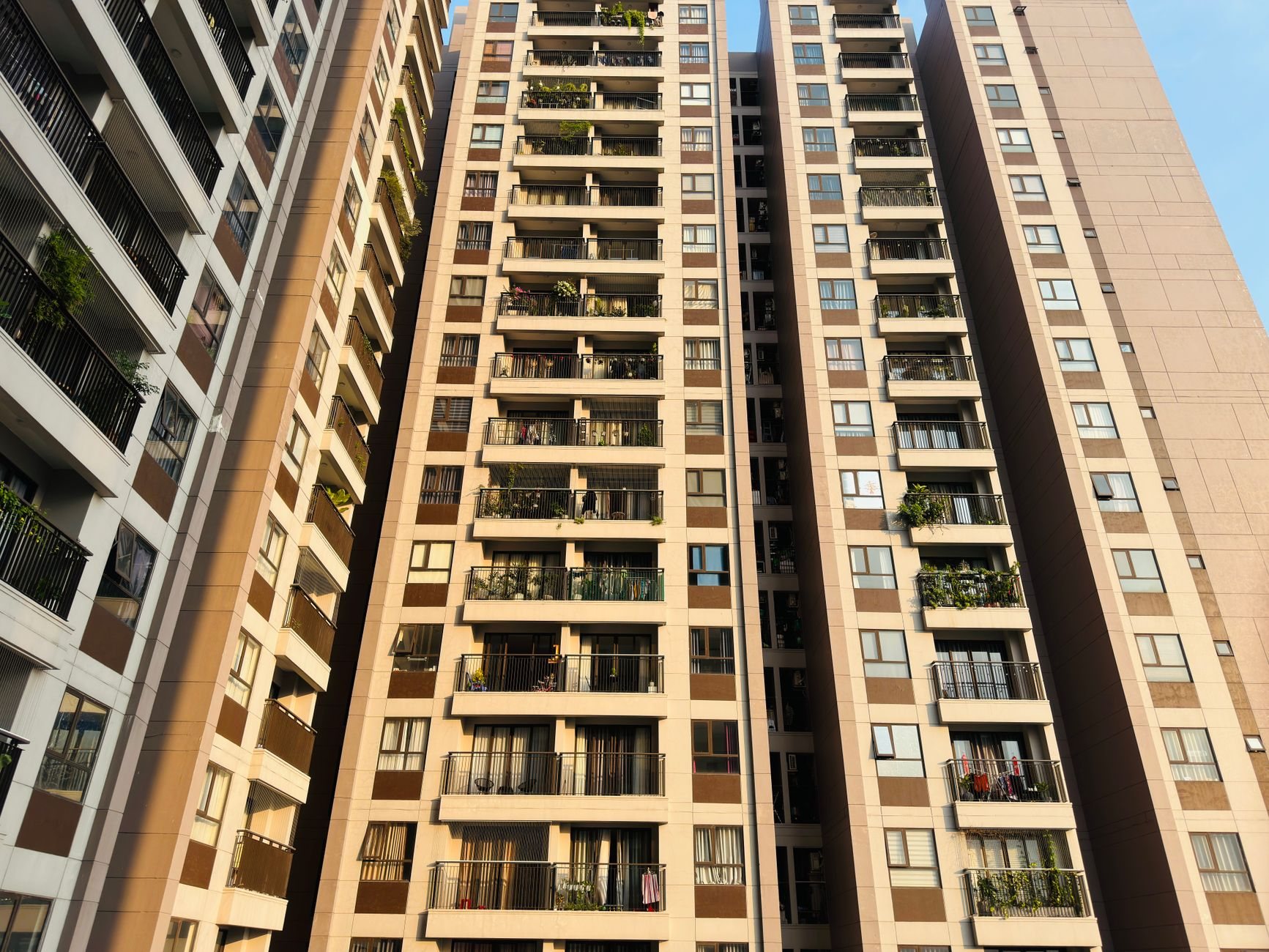
The details Utah weather punishes
Snow is the difference between a coating that lasts and one that doesn’t. A north-facing balcony in Alpine or Draper carries snow from December into March. It melts from the bottom, pools at the door threshold, and refreezes overnight. A threshold with sheet-metal flashing, a step-down into the house, and a membrane turned up behind the door pan survives that; a coating painted up to the sill does not. Where owners will be shoveling, we spec a coarser aggregate.
Summer does its own damage. A monsoon cloudburst can put an inch of water on a balcony in under an hour; one two-inch scupper in the far corner won’t clear it, and the overflow goes straight to the ledger. We size drains and add overflow scuppers so a clogged outlet is a nuisance, not a leak. Between storms, UV at elevation is why we won’t finish with a cheaper aromatic urethane, and why we recommend recoating on a schedule.
One honest limitation: traffic coatings are warm-weather work, roughly late April through October along the Front. Call in January with a leaking balcony and we’ll stabilize it, dry the ceiling below, and schedule the real repair for the first dependable warm window.
What does deck waterproofing cost in Utah?
As ballpark planning numbers, a new traffic-coating system over sound plywood typically runs $12–$22 per square foot installed, including flashing and drains; a maintenance recoat on an intact membrane runs well under that. The numbers climb when the substrate is rotten — replacing plywood and sistering joists under a failed deck often costs more than the coating itself. A site visit turns these ranges into a real estimate.
What moves the price: square footage (small balconies carry a high per-foot cost because flashing and mobilization don’t scale down), how much substrate needs replacing, the count of posts, drains, and thresholds to detail, and upper-floor access. Recoating twenty apartment balconies in one mobilization is markedly cheaper per unit than one at a time.
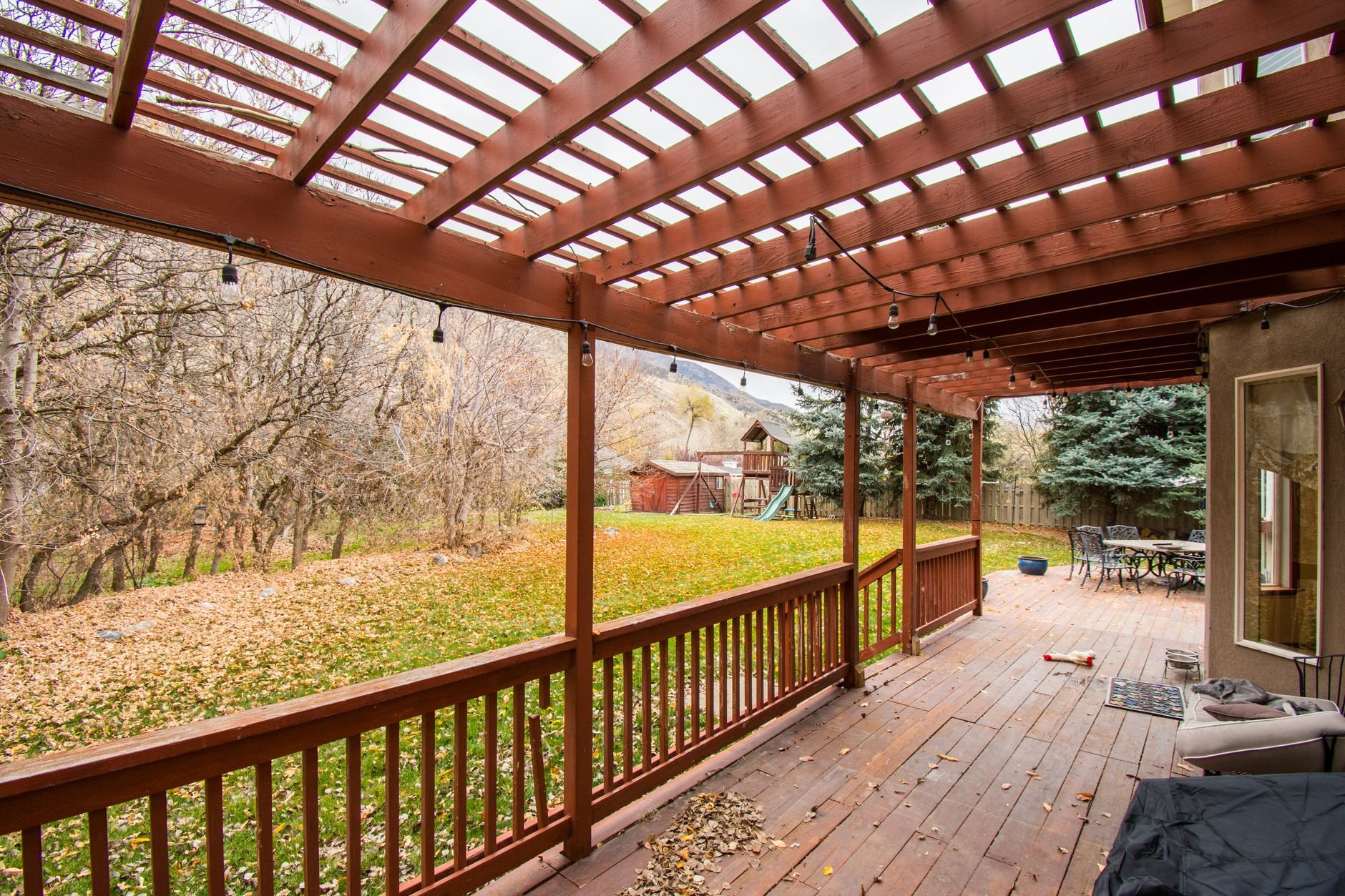
Questions we actually get
Can you coat over my existing deck boards or tile?
Not over spaced deck boards — the membrane needs a continuous, rigid substrate, so those come off and plywood goes on. Tile over a sound mortar bed can sometimes be coated after grinding, but tile over a failed membrane hides exactly the damage we need to see, so we usually recommend removing it.
How long does a traffic coating last before it needs recoating?
A properly installed system with a UV topcoat typically goes eight to twelve years on a Utah balcony before the finish wants renewal, and the base membrane lasts much longer if it’s recoated before the fabric is exposed. Shoveling, furniture drag, and south-facing exposure shorten that; shade and maintenance lengthen it.
The ceiling under my deck is stained. Is it the coating or the flashing?
Usually the flashing or the threshold, often both. Coatings fail at edges, penetrations, and door sills long before they fail in the field. We open the ceiling at the stain, trace the water to its entry point, and check the joists for rot before proposing a fix — a new coating over wet framing is money wasted.
Do railings have to come off for a recoat?
If the posts are surface-mounted through the old coating, yes — that’s where the leak probably is anyway. Fascia-mounted railings can usually stay. On a new install we set posts on the fascia or in flashed sleeves before the membrane goes down, so future recoats are straightforward.
Where this work usually leads
Deck and balcony coatings sit inside our waterproofing and drainage services in the site, structure & envelope family, alongside bathroom and shower waterproofing and foundation waterproofing. Our B100 license is verifiable at dopl.utah.gov.
Tell us what’s under the deck
We reply within a couple of hours during business hours — a day at most. You’ll get a straight read on whether it’s a recoat, a rebuild, or a flashing fix, and a budget range before anyone commits to anything.