
Lath & scratch-coat work
Lath and scratch-coat work is the hidden half of a stucco wall: weather-resistive barrier, flashing, weep screed, metal lath, and the first cement base coat keyed into it. Grandview installs these substrate layers under a B100 general contractor license, for new walls, re-skins after a tear-off, and walls where the base failed but the framing is sound.
When the substrate is its own scope
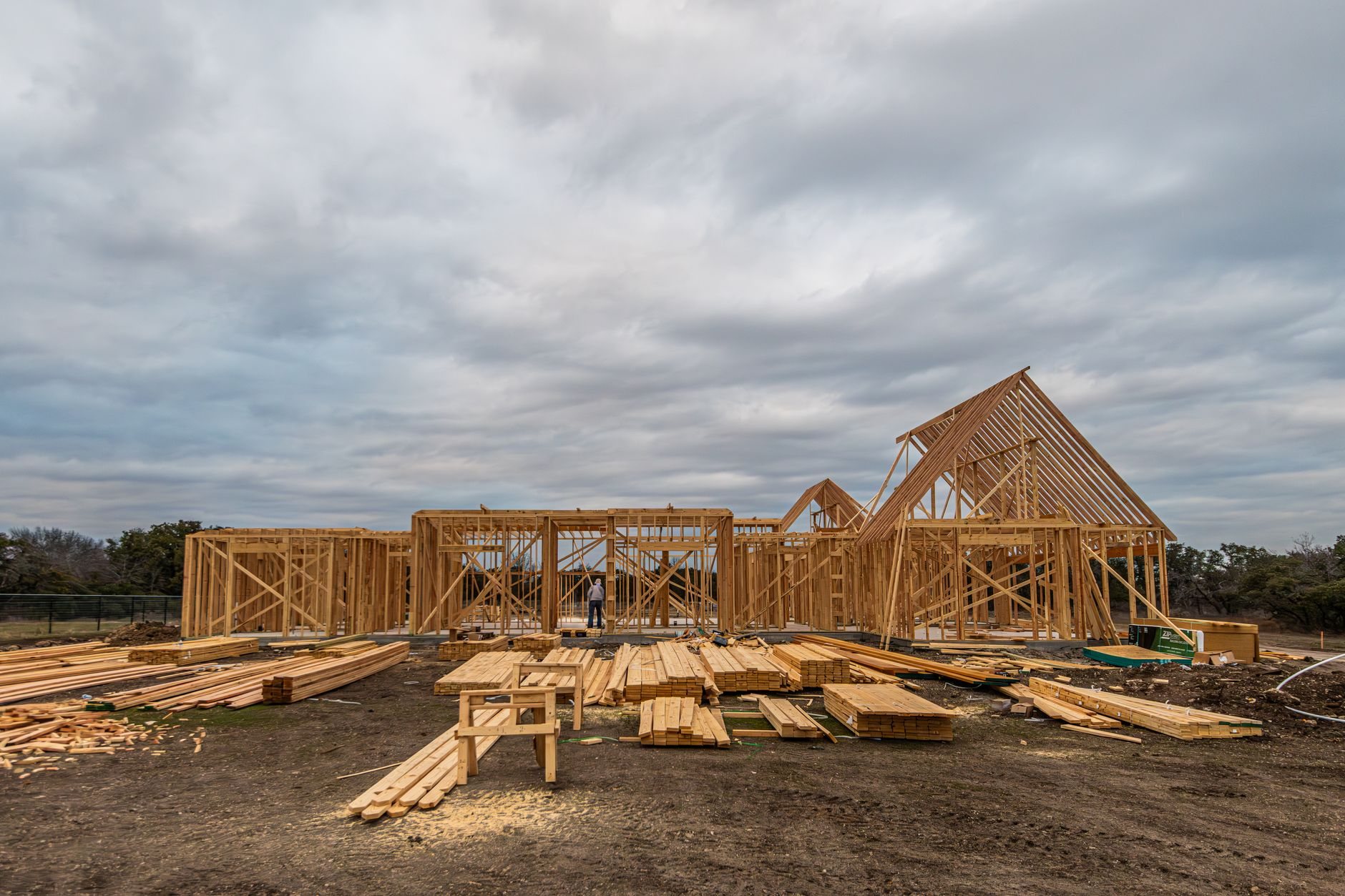
Usually lath and scratch coat are the first two stages of a traditional three-coat stucco job and get priced inside it. We break them out on their own in three situations.
A tear-off that stops at the sheathing: after a stucco removal, the owner wants the wall dried in and base-coated before winter, with the finish deferred to spring. A wall that will not pass inspection: loose paper, lath screwed only into sheathing, no weep screed, no casing bead at the windows. And partial failure: rusted lath or rotten paper below one window, where a stucco repair is really a substrate rebuild with a patch of finish on top.
This page does not cover one-coat stucco, which uses a fiber-reinforced base over foam and a different lath schedule, or EIFS, which has no metal lath at all. If the base is sound and only the finish is tired, that is a re-coat, at a fraction of this cost.
What goes under the stucco you can see
- Sheathing check. Soft OSB, delaminated plywood, and missed nailing get fixed first. Lath on bad sheathing is a wall that fails twice. Rot in the studs becomes a framing conversation before anything goes back on.
- Weather-resistive barrier. Over wood-based sheathing, current Utah-adopted code calls for two layers of barrier behind cement stucco, typically two layers of Grade D paper or a house wrap plus a bond-break layer. The outer layer sacrifices itself to the wet scratch coat; the inner one is the real drainage plane. Laps run upper over lower, never reversed.
- Flashing and accessories. Sill pans and head flashing at every opening, kickout flashing where a roof dies into a wall, then the metal trim: a foundation weep screed at the base, casing beads at doors and windows, corner aid on outside corners, and control joints that break the wall into panels, commonly around 144 square feet each, so shrinkage cracks land at a joint instead of across the field.
- Lath. Galvanized expanded metal lath, usually self-furring 2.5 lb for walls and 3.4 lb for soffits and heavier impact. It is lapped about an inch at the sides and two at the ends, hung with the cups facing up to hold plaster, and fastened into studs, not just sheathing. Paper-backed lath bundles the outer paper and the lath; it still needs the second barrier layer behind it.
- Scratch coat. A cement base coat, portland-lime or masonry cement with clean plaster sand, pushed through the lath to about 3/8 inch and scored horizontally while soft. The scratches are the mechanical key the brown coat grabs. A smooth scratch coat delaminates later.
Why Utah weather punishes the scratch coat
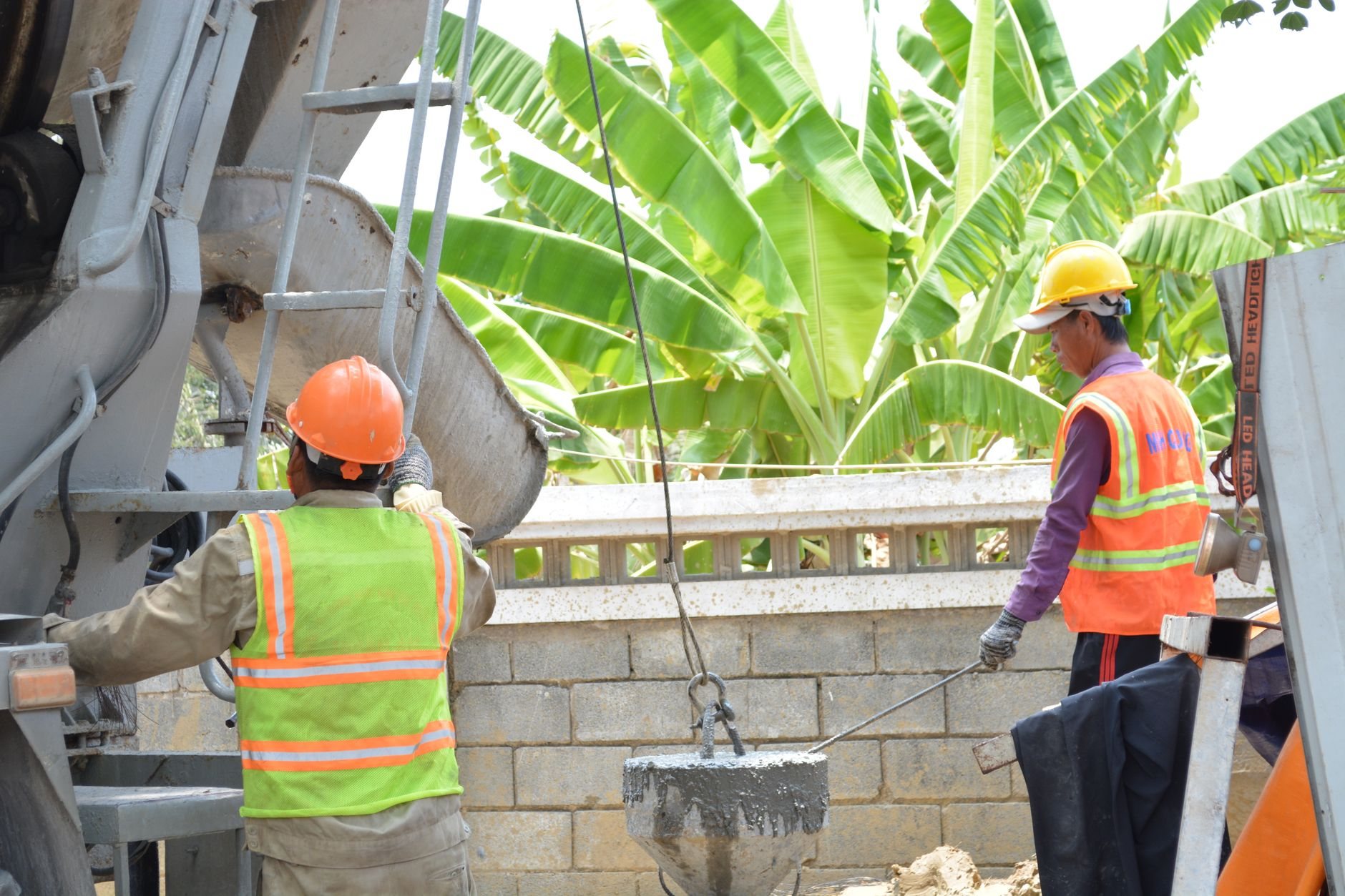
A scratch coat needs to stay damp while it hydrates. Dry air at elevation and an afternoon canyon breeze pull water out of a fresh base coat faster than the cement can use it, leaving a weak, dusty coat that looks fine for a season and then lets go. We fog-cure the scratch coat for roughly 48 hours and hold the brown coat until it has cured, often around a week. Cold matters too: cement base coats need the wall and air above about 40 degrees through placement and cure, so a wall lathed in November may wait under its paper for workable weather.
The weep screed is where this climate finds the other mistake. It has to sit clear of grade and hard surfaces and stay exposed to drain. Screeds buried behind raised planters and new walks are the most common defect we find on Wasatch Front stucco; after a hundred-plus freeze–thaw days a year, a screed holding water becomes a line of spalling base coat.
Along the Wasatch fault, fastening into framing is not a formality. Stucco is heavy; a base coat held to the studs rides out ground motion as one assembly, while one hung on sheathing nails tends to crack along the stud lines. Our license is verifiable at dopl.utah.gov.
What does lath and scratch-coat work cost in Utah?
As a ballpark planning number for the Wasatch Front, lath and scratch coat priced on their own typically land in the mid-single digits per square foot of wall, roughly a third to a half of a complete three-coat system installed. Sheathing repair, the number of openings and corners (every window adds pan flashing, casing bead, and hand-cut lath), scaffold time, and control-joint count move the number more than wall area does. We give a budget range after a site walk and a firm estimate once the wall is open and the sheathing is visible.
Questions we actually get
Can Grandview do the lath and scratch coat and let another crew finish the wall?
Yes, and it is common on builder and owner-managed projects. We hand off a lathed, inspected, scratched, and cured wall with a written record of barrier layers, flashing, control-joint locations, and cure dates, so the finish crew is not guessing. Good work should not require detective work.
How long does the scratch coat cure before the brown coat goes on?
Plan on a moist cure of about 48 hours and a total wait that is often around a week, depending on temperature and humidity. Rushing the brown coat onto a green scratch coat is one of the main reasons base coats delaminate. The schedule is set by the weather and the wall, not the calendar.
Does my city need to inspect the lath before it is covered?
In most Wasatch Front jurisdictions, yes. The lath inspection confirms barrier layers, flashing, weep screed, and fastening before the scratch coat hides them for good; covering lath without it can mean opening the wall back up. We pull the permit and schedule it. Verify specifics with your city’s building department, since Lehi, Provo, and Salt Lake City each run slightly different processes.
What makes one lath job cost twice what another does?
Usually the wall itself. A plain two-story gable with four windows is fast. A wall with a dozen openings, inside and outside corners, roof-to-wall intersections needing kickout flashing, and soft sheathing to replace can double the labor on the same square footage. Height and scaffold time come next, then control-joint count and lath weight.
If cracking brought you here, start with stucco crack repair to rule out movement. An open wall is also the moment to replace windows and doors before the flashing goes in. For every stucco and EIFS scope, see our stucco and EIFS contractor page or the wider site, structure & envelope hub.
Tell us what you’re working on
A tear-off waiting on a base coat, a failed lath inspection, or a new wall that needs doing right the first time. We reply within a couple of hours during business hours, a day at most, with a straight read on scope, sequence, and budget.